Ultimate Yogyakarta Travel Guide: Part 1 Overall Planning
Updated On May 15, 2026
Yogyakarta (affectionately called Jogja) is the beating cultural heart of Java, Indonesia, a city where ancient temples meet living Javanese traditions, vibrant street life, and the raw power of an active volcano. Whether you’re drawn to spiritual sunrise moments at Borobudur, the majestic spires of Prambanan, or the thrilling jeep safari around Mount Merapi, Jogja delivers a perfect mix of history, culture, adventure, and warm hospitality.
This is Part 1 of the Ultimate Yogyakarta Travel Guide series, your complete planning blueprint. In the following parts, we dive deep into each iconic highlight with history, practical tips, personal visitor experiences, and pro advice.
Complete Series Navigation:
- Part 1: Overall Planning (You are here)
- Part 2: Borobudur Temple History, Travel Tips & Visitor Experience
- Part 3: Prambanan Temple History, Travel Tips & Cultural Experience
- Part 4: Mount Merapi Jeep Safari Adventure & Travel Guide
I first visited Jogja back in 1993 during my early years in Indonesia and returned decades later with family. The city has evolved, yet its timeless essence, rich culture, art, spirituality, and friendly people remain unchanged. This guide blends my personal experiences with practical, up-to-date information (April 2026) to help you plan a memorable and hassle-free trip, especially if you’re travelling from India.
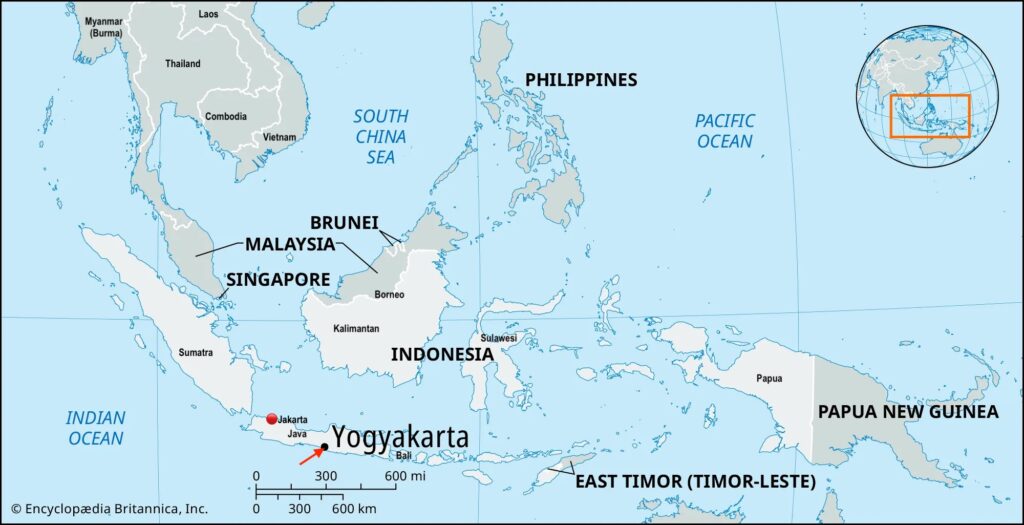
Getting to and Around Yogyakarta
Yogyakarta sits in central Java and is well-connected by air, train, and road.
By Air: The main gateway is Yogyakarta International Airport (YIA), located about 45 km from the city centre. Direct flights operate from Jakarta, Bali, Singapore, Kuala Lumpur, and several Indian cities via connections. The older Adisucipto Airport (JOG) now mainly handles short domestic flights.
By Train: An 8-hour scenic ride from Jakarta takes you through beautiful Javanese landscapes, highly recommended if you have time.
By Bus: Regular services run from Surabaya, Bandung, and other major cities.
Once in Jogja, getting around is easy and affordable. The Trans Jogja Bus system covers most tourist spots (including routes to Prambanan) for just around IDR 3,600-4,000 per ride. Taxis (Grab/GoJek), rental cars/scooters with driver, and traditional becak (cycle rickshaws) are all readily available and budget-friendly.
Best Time to Visit Yogyakarta
The ideal period is the dry season from May to October, with June-August being the most popular months for clear skies and comfortable temperatures. Locals often joke that it rains in months with letter “r” (September-April), though reality can be more flexible.
We visited in February and still enjoyed several dry, pleasant days. For the best temple sunrise/sunset experiences and fewer rain disruptions, aim for May-October.
2026 Update: Borobudur sunrise slots now have stricter daily quotas and often require booking 3-4 weeks in advance during peak season (June-August).
Plan early!
12 Best Things to Do in Yogyakarta
Yogyakarta offers far more than you can cover in a short trip. Here are the absolute highlights:
1. Borobudur Temple
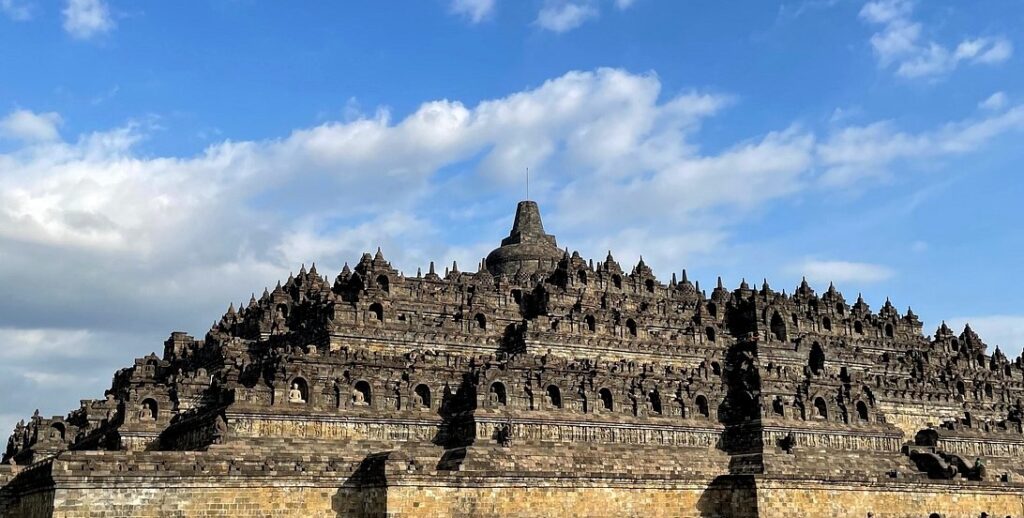
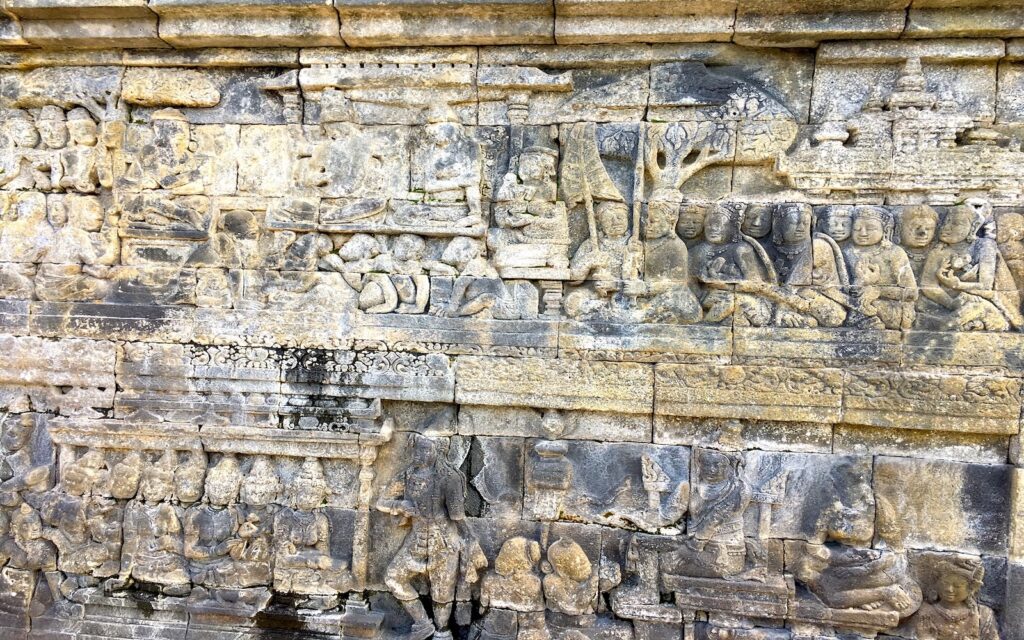
About 40 km from the city, this is the world’s largest Buddhist temple and a UNESCO World Heritage Site. Built in the 8th century, its massive tiered structure features nearly 3,000 stone relief panels depicting Buddhist teachings. A sunrise visit is magical, with mist swirling around the stupas.
2026 Update: Foreign tourist ticket ≈ IDR 455,000 (includes climb to upper terraces with guided access in limited sessions). Strict daily quota applies for climbing the temple structure. Regular daytime visits are still very rewarding.
For the most accurate and up-to-date ticket prices, schedule, and to avoid markups, book directly through the official website: https://ticket.borobudurpark.com/en/
You can purchase tickets for Borobudur, Prambanan, and the Ramayana Ballet in one portal. 1 USD = 17,596 Indonesian Rupiah (as of May 15, 2026)
2. Mendut Temple
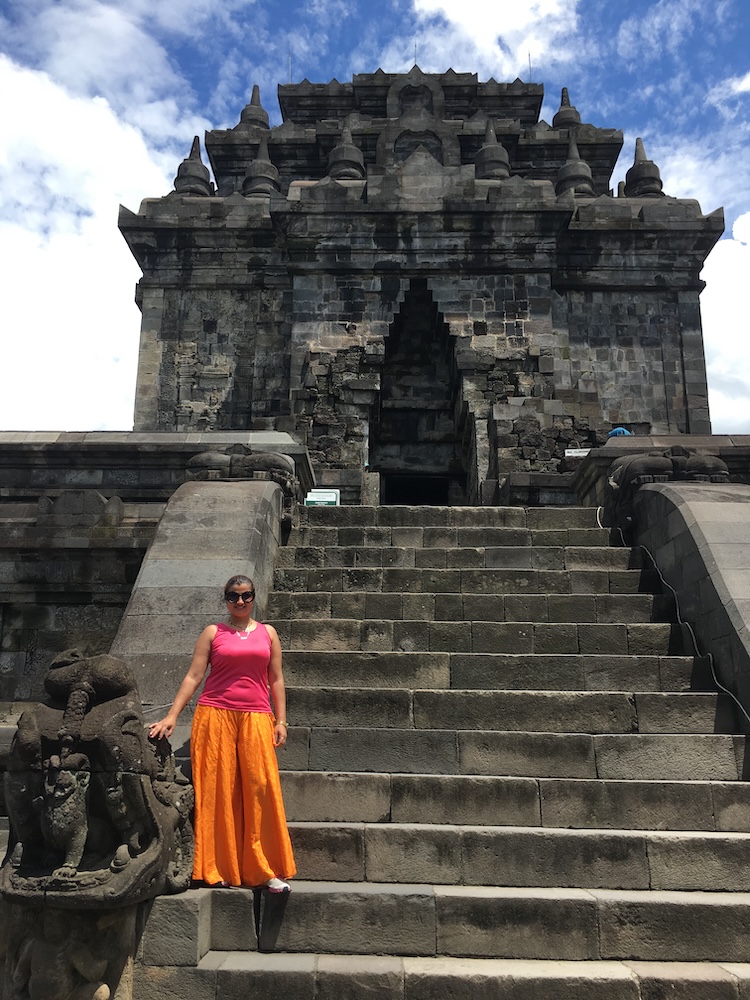
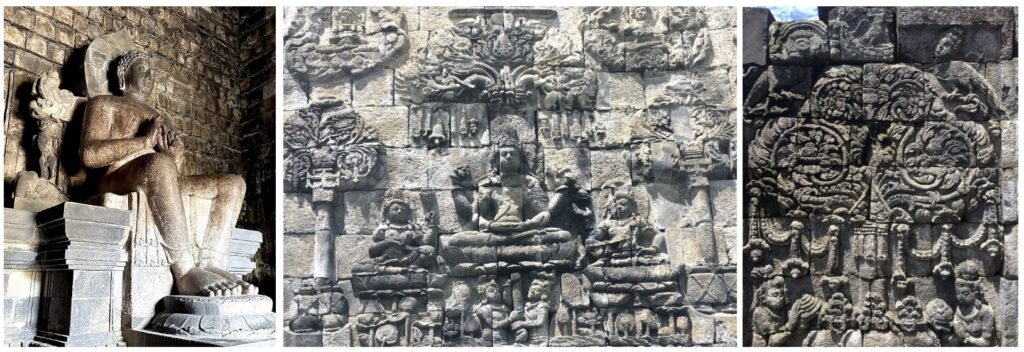
Mendut Temple, dating back to the 9th century, is located about 3 km east of Borobudur in Central Java. It is the oldest in the trio of Buddhist temples alongside Pawon and Borobudur, aligned in a straight line.
The temple is 26.4 meters tall and features three large statues inside, including Buddha Vairocana. The walls showcase detailed Buddhist reliefs, and the site serves as a peaceful place of worship and meditation, reflecting the spiritual significance of ancient Javanese Buddhism.
It is a small temple but still worth visiting. I have kept it in second place only because this site is in the vicinity of Borobudur.
3. Prambanan Temple
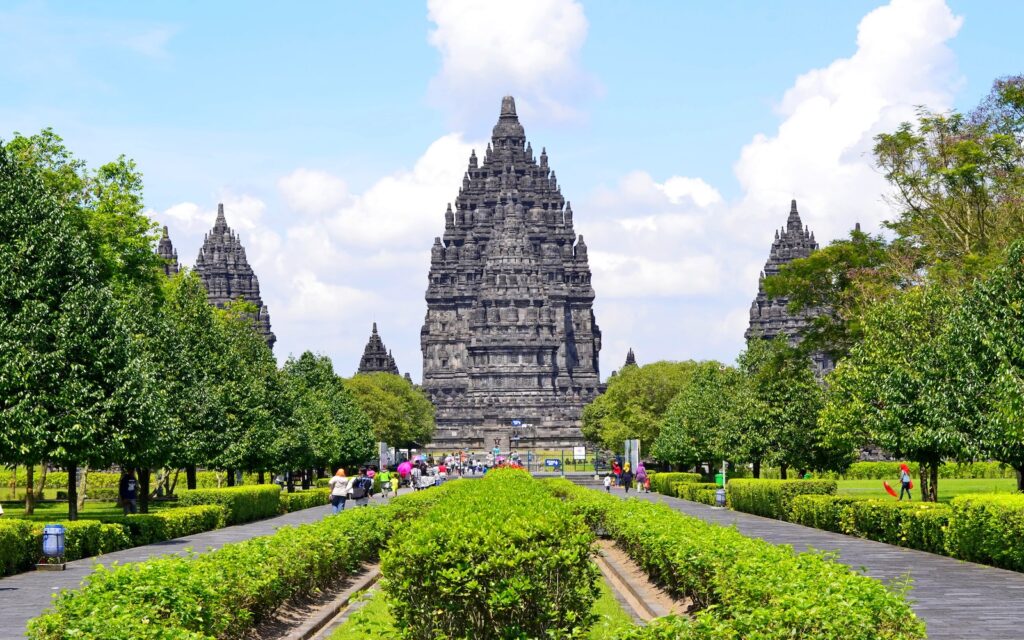
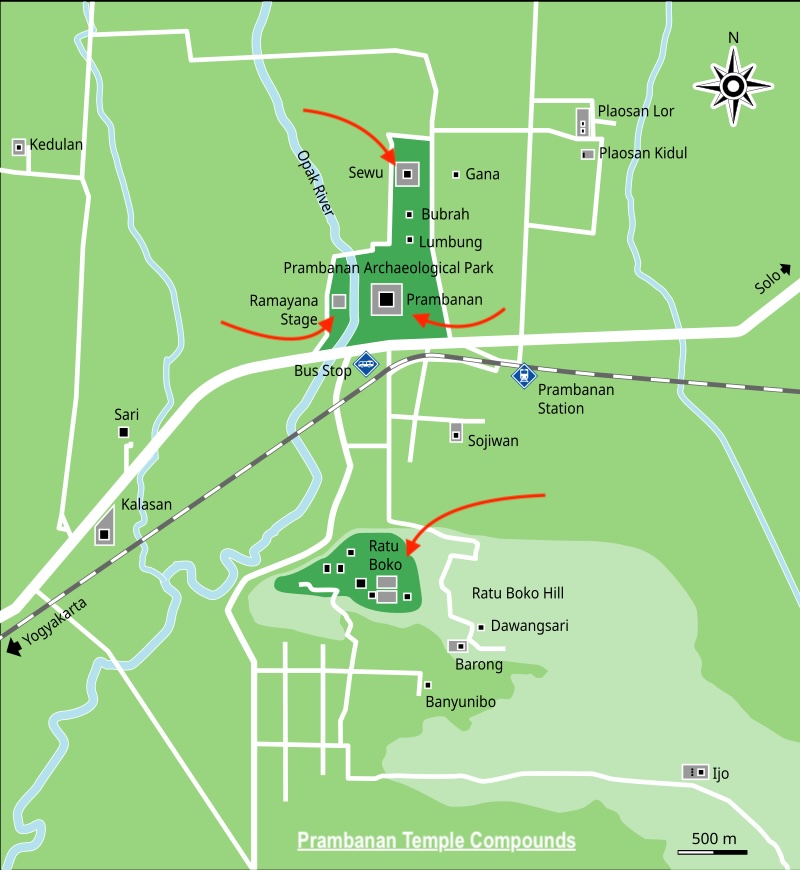
This stunning 9th-century Hindu complex, 17 km from Jogja, features towering spires dedicated to Shiva, Vishnu, and Brahma. The intricate carvings and dramatic silhouette at sunset are unforgettable. Prambanan’s expansion includes smaller neighbouring temples like Sewu, Bubrah, and Lumbung, worth exploring when time permits.
2026 Update: Foreign adult ticket ≈ IDR 400,000. Combine with nearby Sewu Temple for a richer experience. Evening Ramayana Ballet performances are held regularly.
4. Sewu Temple
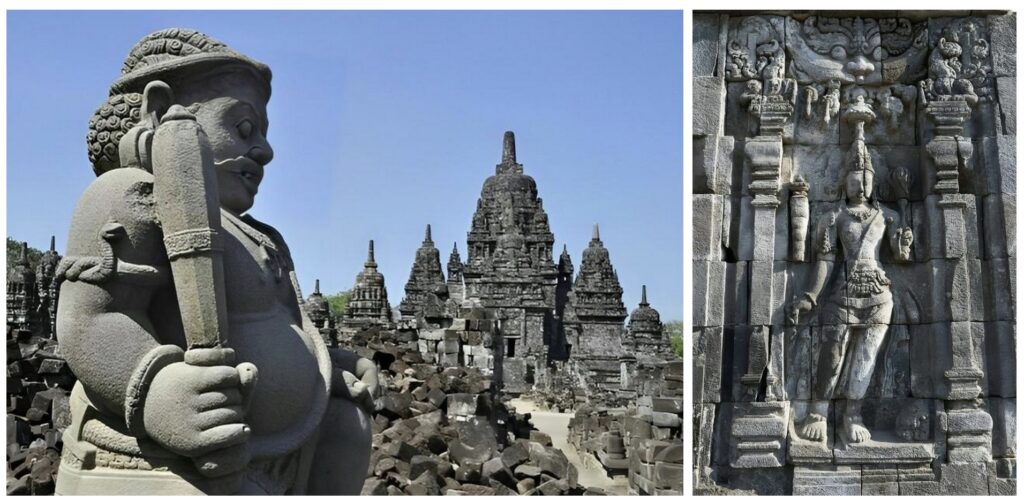
Next to Prambanan, this is Indonesia’s second-largest Buddhist temple complex. Its mandala layout and stone carvings highlight the ancient harmony between Buddhist and Hindu cultures in Java.
5. Ramayana Ballet
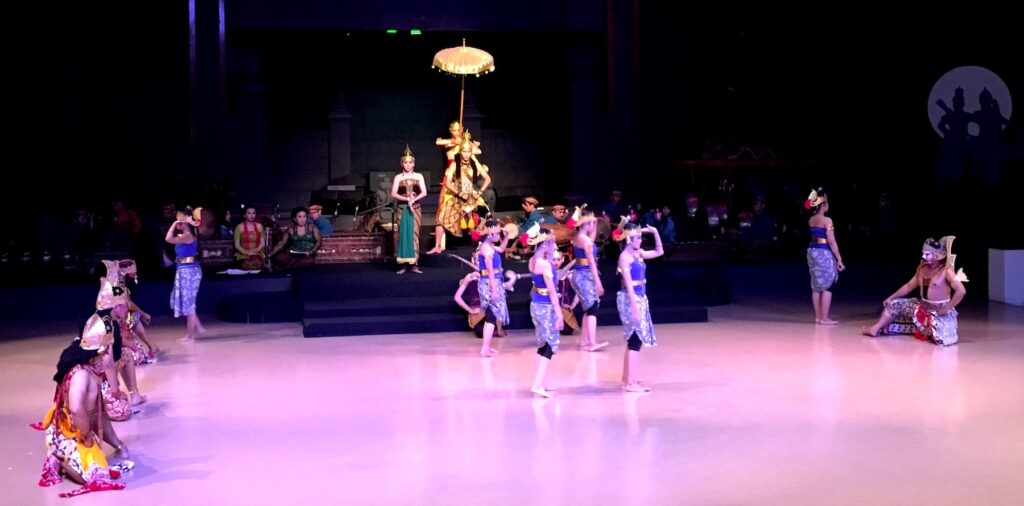
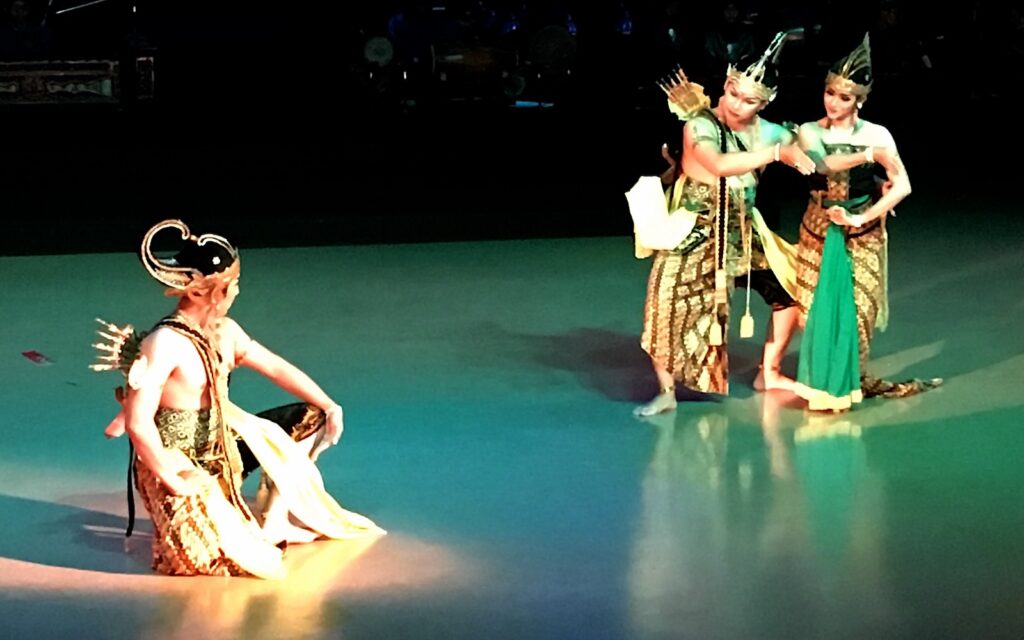
Performed near Prambanan (outdoor in dry season, indoor otherwise), this spectacular dance-drama brings the Hindu epic to life with gamelan music, colourful costumes, and graceful Javanese moves. A full-moon show is especially magical.
The Ballet is performed every Tuesday, Thursday, and Saturday starting at 19:30 WIB. From May to October (dry season), the show takes place on the magnificent outdoor open-air stage with the temple lit up in the background, a truly magical experience. From November to April (rainy season), it moves to the indoor Trimurti Theatre.
Ticket prices range from IDR 150,000 (2nd Class) to IDR 450,000-550,000 (VIP) depending on the class and whether it’s a weekday or weekend/holiday. Special Class usually includes a soft drink, while VIP offers the best seats plus refreshments. Book in advance during peak season, especially for outdoor VIP seats. Book early via the official site:
https://ticket.borobudurpark.com/en/ramayana-ballet-prambanan/
6. Mount Merapi Jeep Safari
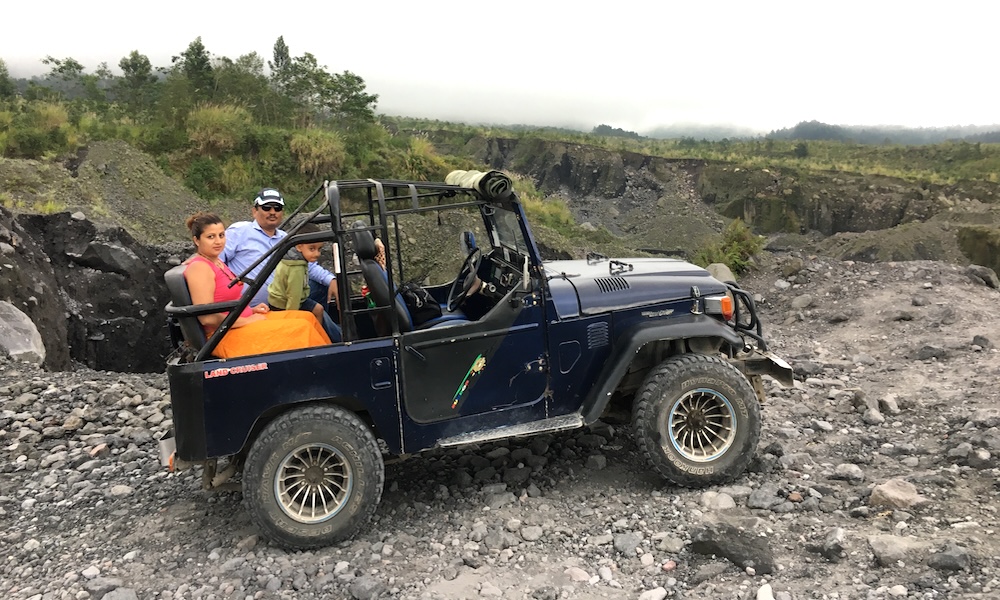
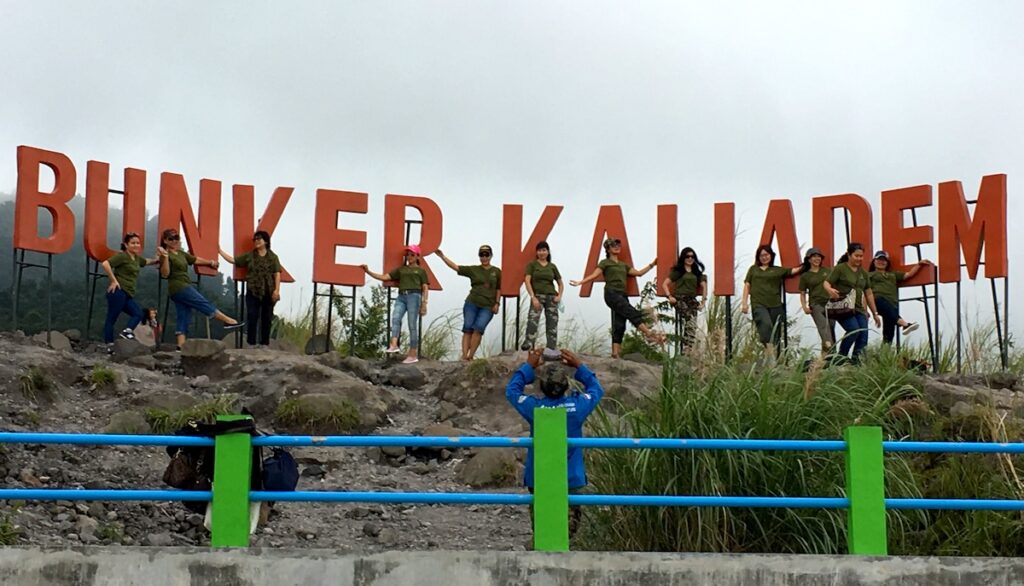
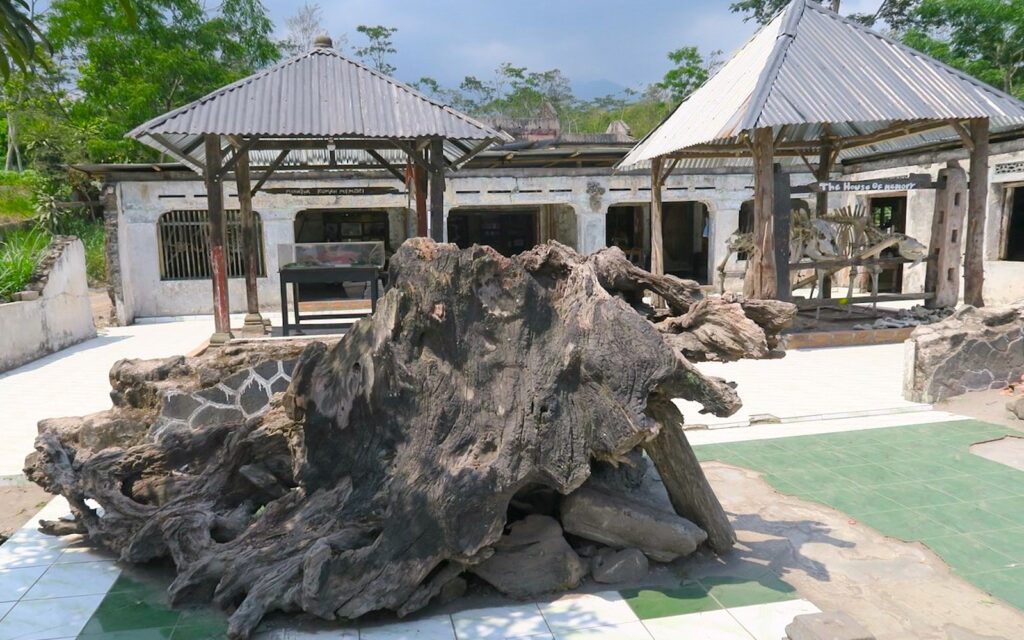
Java’s most active volcano stands dramatically 25-30 km north of the city. A 4WD jeep tour through lava fields, past the Kaliadem bunker and museum, offers thrill and sobering insights into volcanic power. Perfect for adventure lovers.
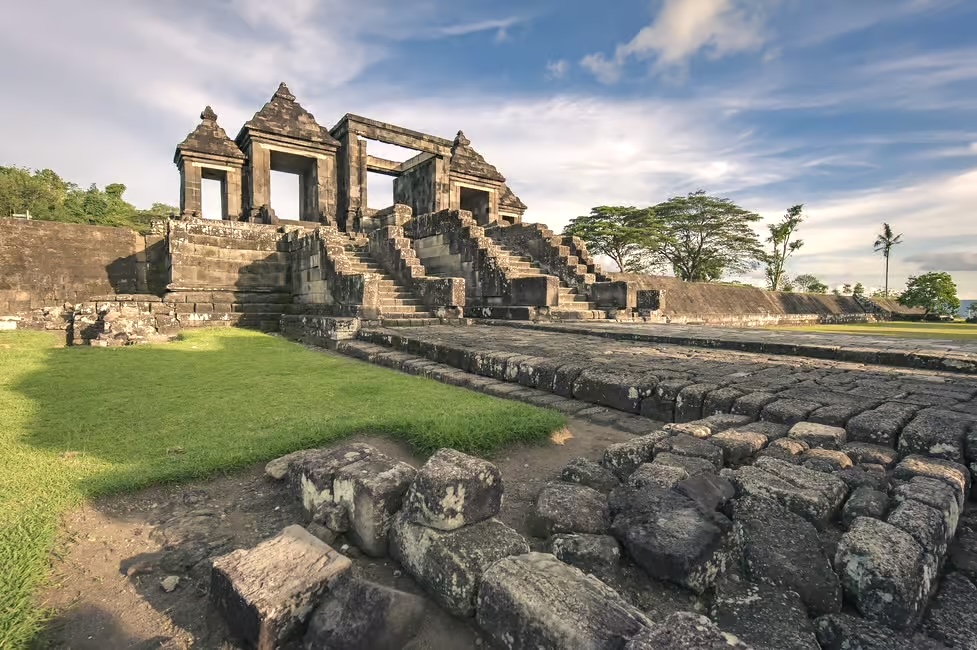
7. Ratu Boko Palace
Perched on a hill near Prambanan, these 8th-century ruins offer panoramic sunset views over Prambanan and Mount Merapi. More palace/fortress than temple, it’s a peaceful spot with great photo opportunities.
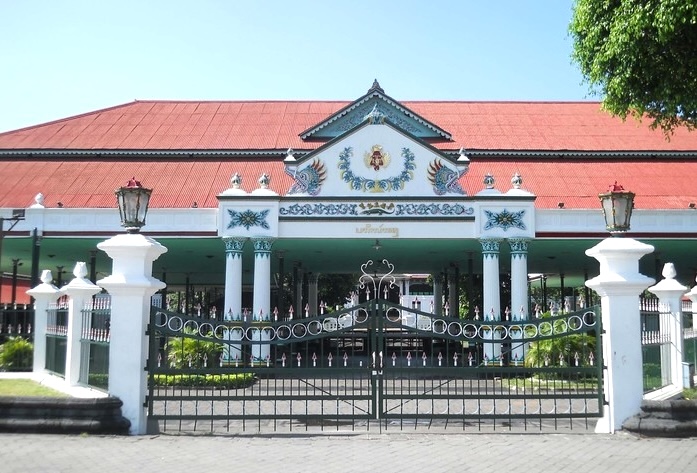
8. Kraton Yogyakarta
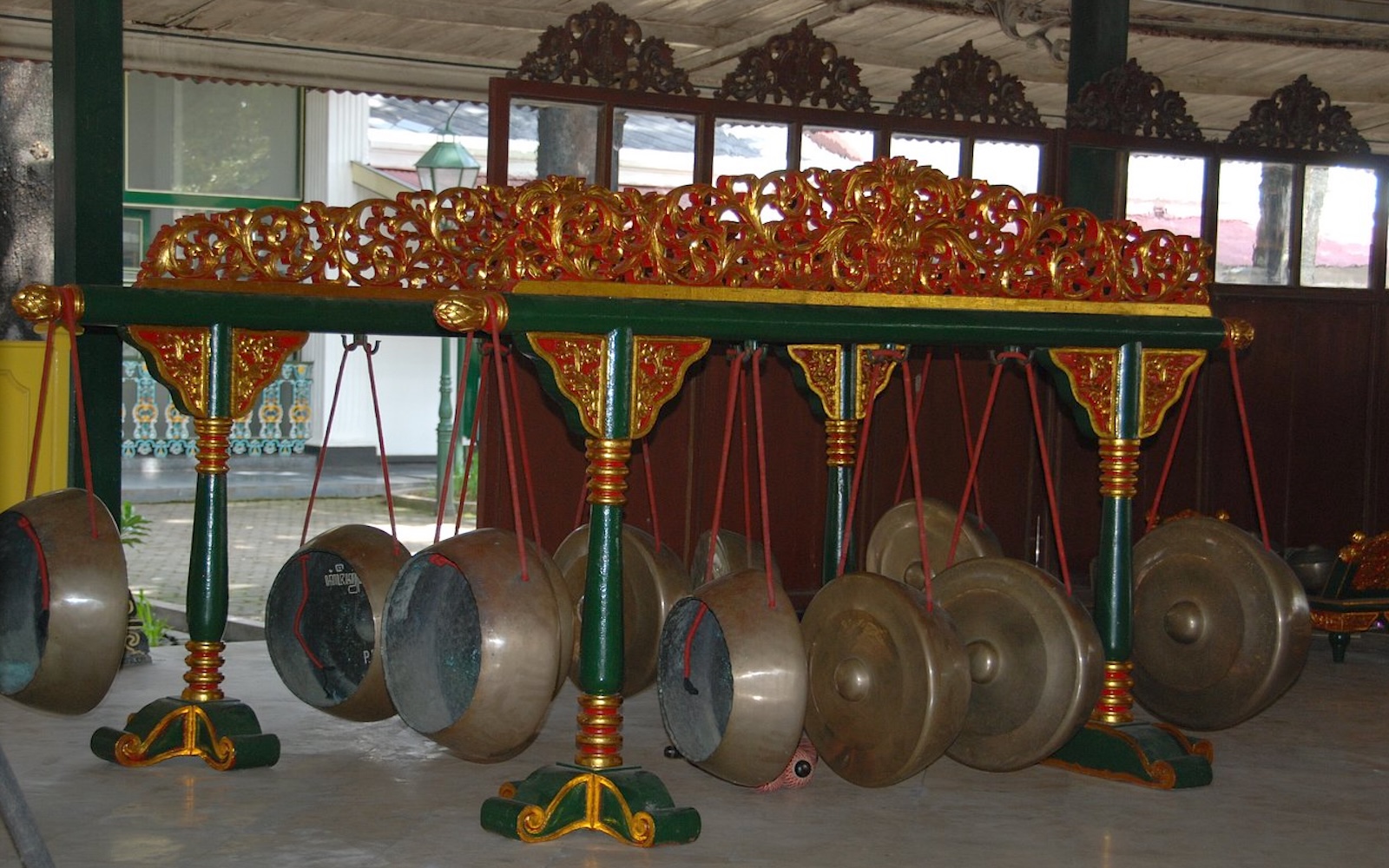
The Sultan’s living palace, founded in 1755, is a vibrant centre of Javanese culture. Explore traditional architecture, lush courtyards, and catch gamelan performances or classical dance.
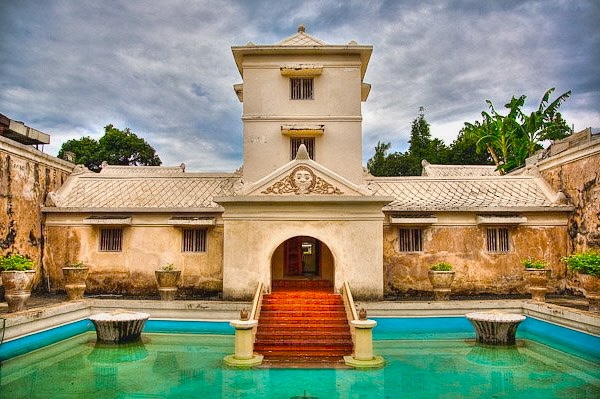
9. Taman Sari Water Castle
This 18th-century royal bathing complex near the Kraton features ornate pools, gardens, underground passages, and a unique blend of Javanese-European architecture. A tranquil escape into royal history.
10. Jomblang Cave
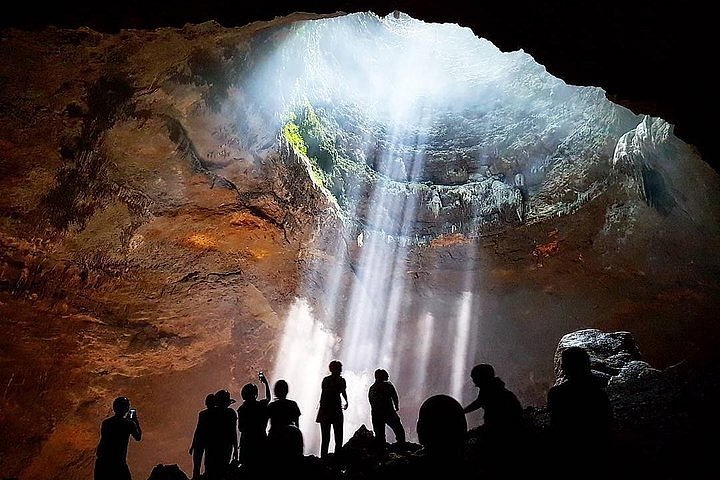
A thrilling vertical descent (about 60 metres by rope) into this stunning cave system with a heaven’s light beam filtering through the ceiling. Adventurous and highly recommended for nature lovers.
11. Parangtritis Beach
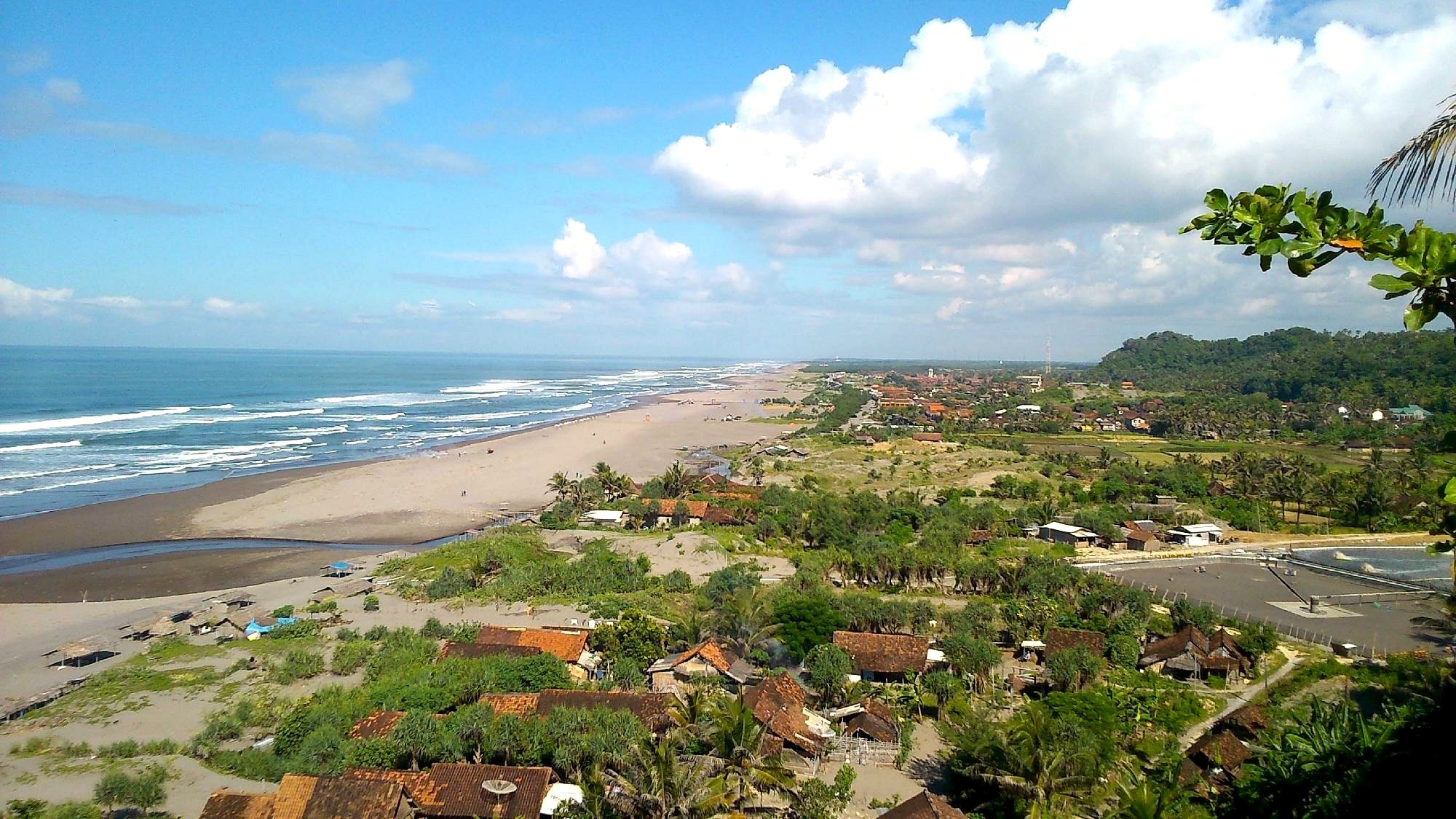
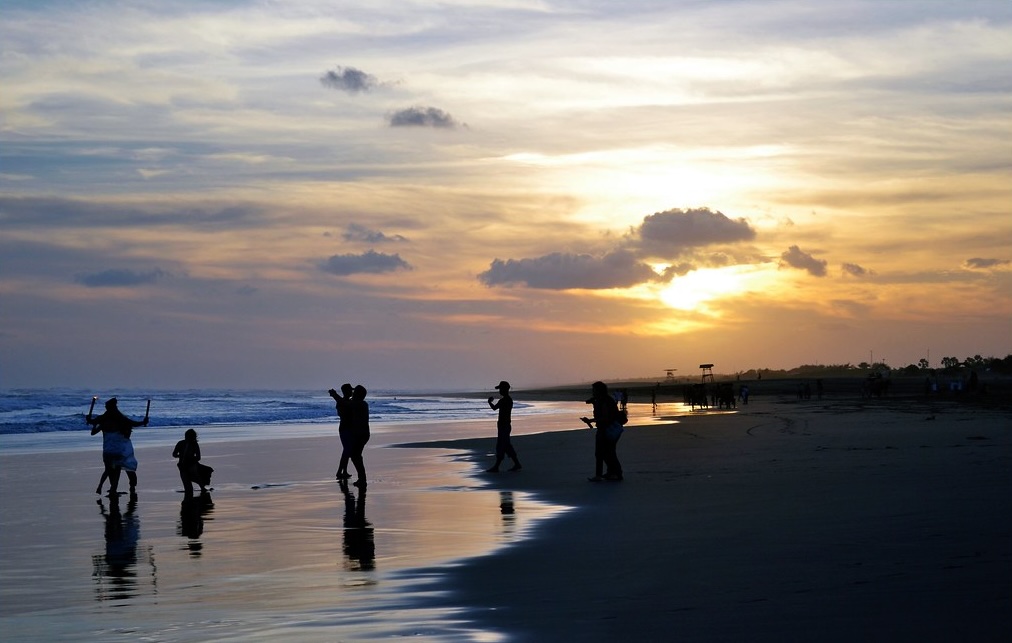
About 27 km south of Yogyakarta, it is famous for its striking black sand and deep connection to Javanese folklore. Visitors can enjoy thrilling ATV rides along the shore, horseback rides, or simply unwind while watching the stunning sunsets over the Indian Ocean. Known as a mystical site believed to be guarded by the Queen of the Southern Sea, the beach combines natural beauty with cultural intrigue, making it a must-visit coastal attraction near Yogyakarta.
12. Malioboro Street
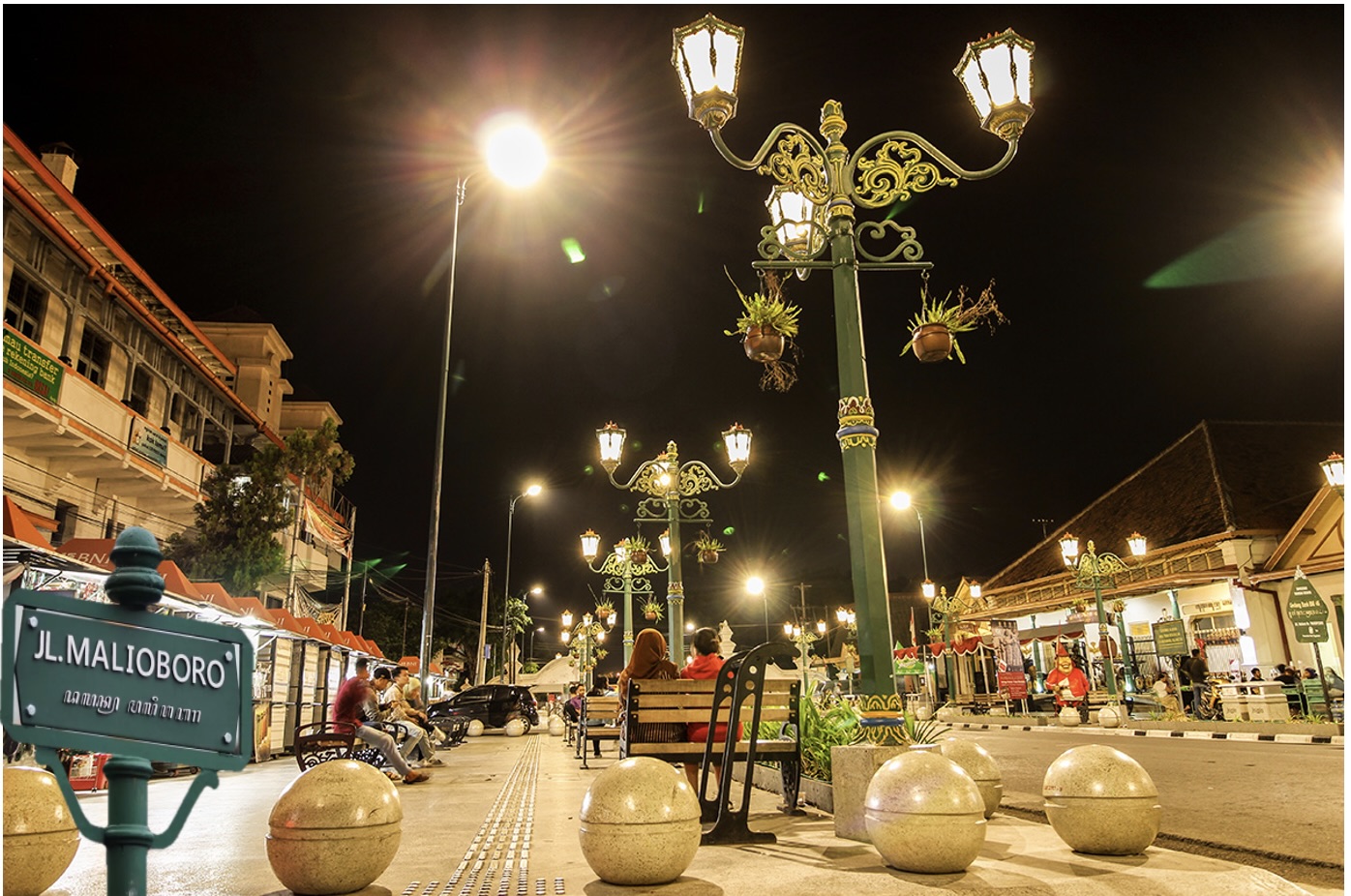
Malioboro Street is Yogyakarta’s vibrant shopping and cultural hub. Known for its bustling markets, it offers a wide array of local handicrafts, silver jewellery, batik textiles, and souvenirs. Street vendors and lively food stalls serve authentic Javanese street food, creating a sensory feast. By day, explore traditional markets and shops; by night, enjoy street performances and a festive atmosphere. Malioboro’s mix of shopping, dining, and cultural experiences makes it a must-visit destination in Yogyakarta.
(Note: Borobudur, Prambanan & Ramayana Ballet and Merapi are covered in detail in this series’ upcoming blogs.)
11 Javanese Foods You Must Try
Understanding common Indonesian food terms helps with navigating Yogyakarta’s street food scene: ‘nasi’ means rice, ‘goreng’ means fried, ‘telor’ means egg, ‘mie’ means noodles, ‘ayam’ means chicken, ‘pisang’ means banana, and ‘sate’ means grilled skewered meat. Some of the most authentic and popular street foods here include:
- Gudeg (Sweet Jackfruit Stew): slow-cooked young jackfruit in coconut milk and palm sugar, served with rice, chicken, and boiled eggs.
- Sate Klathak: salt-seasoned grilled lamb skewers served with light curry soup.
- Nasi Kucing: small rice portions with side dishes like sambal and fried tempeh.
- Bakpia Pathok: sweet mung bean filled pastry, a popular souvenir.
- Ayam Goreng Kalasan: deep-fried chicken marinated in coconut water and spices.
- Bakso: meatball soup with noodles and tofu.
- Mie Goreng: Javanese fried noodles with chicken and vegetables.
- Pecel Lele: fried catfish with chili sambal.
- Tiwul: traditional cassava rice served with grated coconut and palm sugar.
- Wedang Ronde: warm ginger tea with glutinous rice balls filled with peanut or sesame paste.
- Some dishes like Kerak Telor, Nasi Goreng, Martabak, and Pisang Goreng are popular nationwide but not unique to Yogyakarta.
This guide helps you explore the rich flavours and authentic tastes of Yogyakarta’s culinary offerings.
Notes for Vegetarians
Vegetarians should be cautious with local food.
Key phrases to know:
- Tanpa daging = without meat
- Tanpa terasi = without shrimp paste
- Tanpa kecap ikan = without fish sauce
- Tanpa telur = without egg
- Some vegetarian-friendly options include: Gudeg Manggar, Gado-Gado, Karedok, Nasi Kucing with tempeh, Pecel, Tiwul, Bakpia Pathok, Pisang Goreng, and Wedang Ronde.
How Many Days Are Needed?
For a complete Jogja experience, here’s a practical sample itinerary:
- Day 1: Borobudur Temple (best experienced at sunrise for the magical atmosphere).
- Day 2: Mount Merapi Jeep Safari in the morning, followed by Ratu Boko Palace, Prambanan Temple, Sewu Temple, and Ramayana Ballet in the evening.
- Day 3: Explore the Kraton (Sultan’s Palace), Taman Sari Water Castle, Malioboro Street for shopping and street food, and end with a relaxed visit to Parangtritis Beach.
Three full days and two nights are the absolute minimum for the highlights. Four days (or more) allow for a more relaxed pace, extra buffer for travel time, and optional add-ons like Jomblang Cave or a cooking class.
Best Hotel Accommodations for Every Traveler
Yogyakarta offers excellent hotel options across all budgets and styles.
Luxury segment (central locations with pools, spas, and upscale service): Hotel Tentrem, Yogyakarta Marriott, and Meliá Purosani typically range from $70-150 per night (higher during peak June-August).
Mid-range / Boutique (great blend of comfort and local character): ARTOTEL Suites Bianti and The Phoenix Hotel usually fall between $45-80 per night.
Budget-friendly (clean, comfortable, and well-located): Whiz Hotel Malioboro, POP! Hotel Malioboro, and Hotel Neo Malioboro offer good stays from $18-35 per night. Many are just steps from Malioboro Street, making them convenient for shopping and dining.
Practical Tips & Budget Overview
Overall, a comfortable mid-range trip (for a couple or family) remains very reasonable in 2026: roughly ₹3,000-6,000 per person per day (excluding international flights). This covers decent hotels, private driver or Grab, temple entries, meals, and local transport. Jogja continues to be one of Southeast Asia’s most affordable cultural destinations.
Overall Budget Estimate For a 3-4 day trip:
Mid-range (shared/private transport, local food, 3-star/guesthouse): around USD 300-450 per person.
Comfort upgrade (4-star hotel + private taxi throughout): USD 500-700 per person.
These estimates include accommodation, food, transport, entry fees (including Borobudur ≈ IDR 455,000 and Prambanan ≈ IDR 400,000 for foreigners), and the Merapi jeep safari.
Final Thoughts
This Yogyakarta travel guide is just the beginning. Jogja offers a rich tapestry of ancient history, living mythology, warm Javanese culture, and dramatic natural beauty. Whether you’re chasing the golden sunrise at Borobudur, admiring Prambanan’s towering spires, or feeling the power of Mount Merapi, every moment here feels timeless and deeply rewarding.
New in 2026: The Yogyakarta government and temple authorities are introducing more immersive events, storytelling sessions, and wellness/cultural programmes at Borobudur and Prambanan throughout the year. This makes 2026 an even more exciting time to visit.
Next in the series: Don’t miss Part 2: Borobudur Temple History, Travel Tips & Visitor Experience where I share the complete sunrise-to-sunset guide, current booking process (including limited quotas), what it really feels like on the terraces, and pro tips to make your visit unforgettable.
FAQ Section
Q: What is the best time to visit Yogyakarta in 2026?
A: The dry season from May to October, with June-August being peak for clear Borobudur sunrise views.
Q: What is the Borobudur entrance fee for foreign tourists in 2026?
A: Approximately IDR 455,000 for standard access (with limited climb-up quota). Sunrise tickets are higher and limited.
Q: How much is the Prambanan Temple ticket in 2026?
A: IDR 400,000 for foreign adults.
Q: Is Yogyakarta budget-friendly for Indian travellers?
A: Yes, comfortable daily budget remains around ₹3,000-6,000 per person (excluding flights).
Additional Useful Official Links (Optional)
Yogyakarta Official Tourism Information: https://visitingjogja.jogjaprov.go.id/en/ (good for general events and city info)
Yogyakarta Travel Portal: https://yogyakarta.travel/ (broader tourism promotion)