Gorakhpur’s Spiritual Heritage: Gorakhnath Temple, Geeta Press & Kushinagar
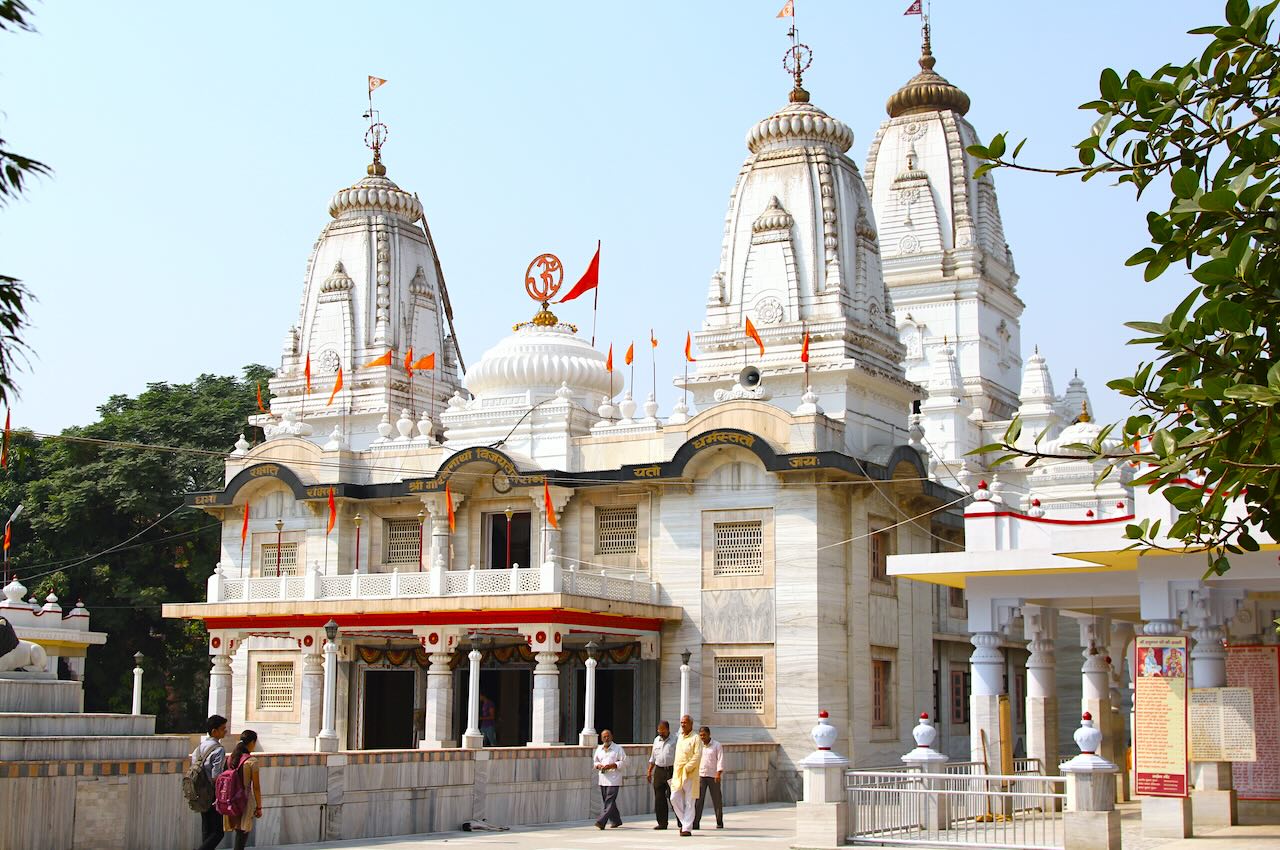
Growing up in Gorakhpur, the Gorakhnath Temple was never merely a place of worship for me, it was woven into the rhythm of childhood itself. I still remember visiting the temple with my parents, family members, relatives, friends, and sometimes even alone; feeding the fish by the pond; and feeling an inexplicable calm every time I entered the temple grounds. Even after travelling across much of India and the world, returning here still feels like coming home. For Gorakhpur, the temple is not just a landmark; it is the spiritual heartbeat of the city and the living centre of the Nath tradition.
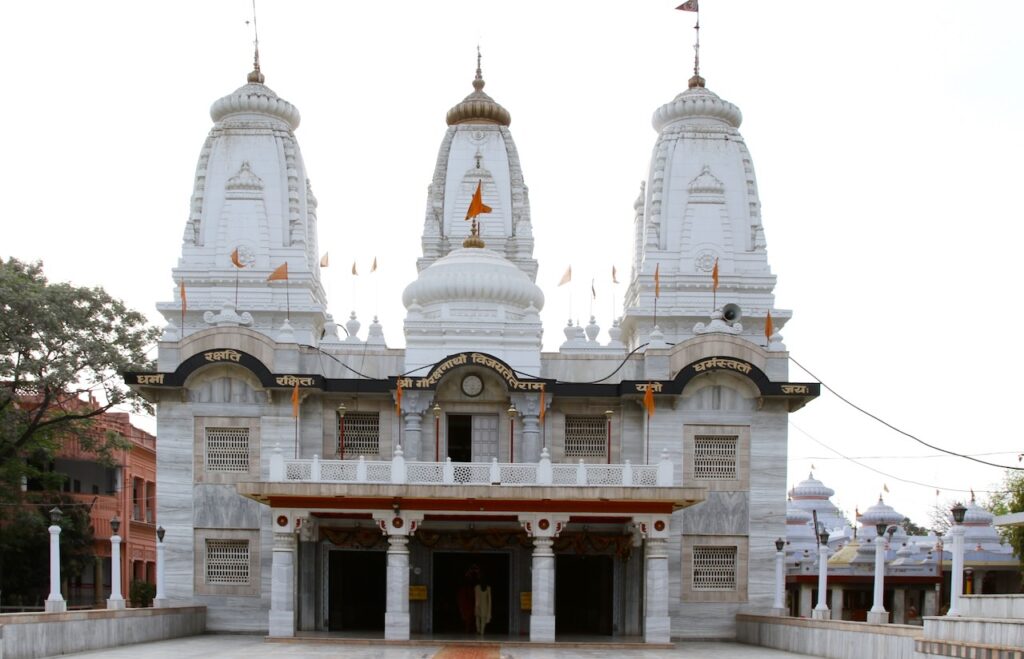
Gorakhnath Temple: Living Seat of the Nath Sampradaya
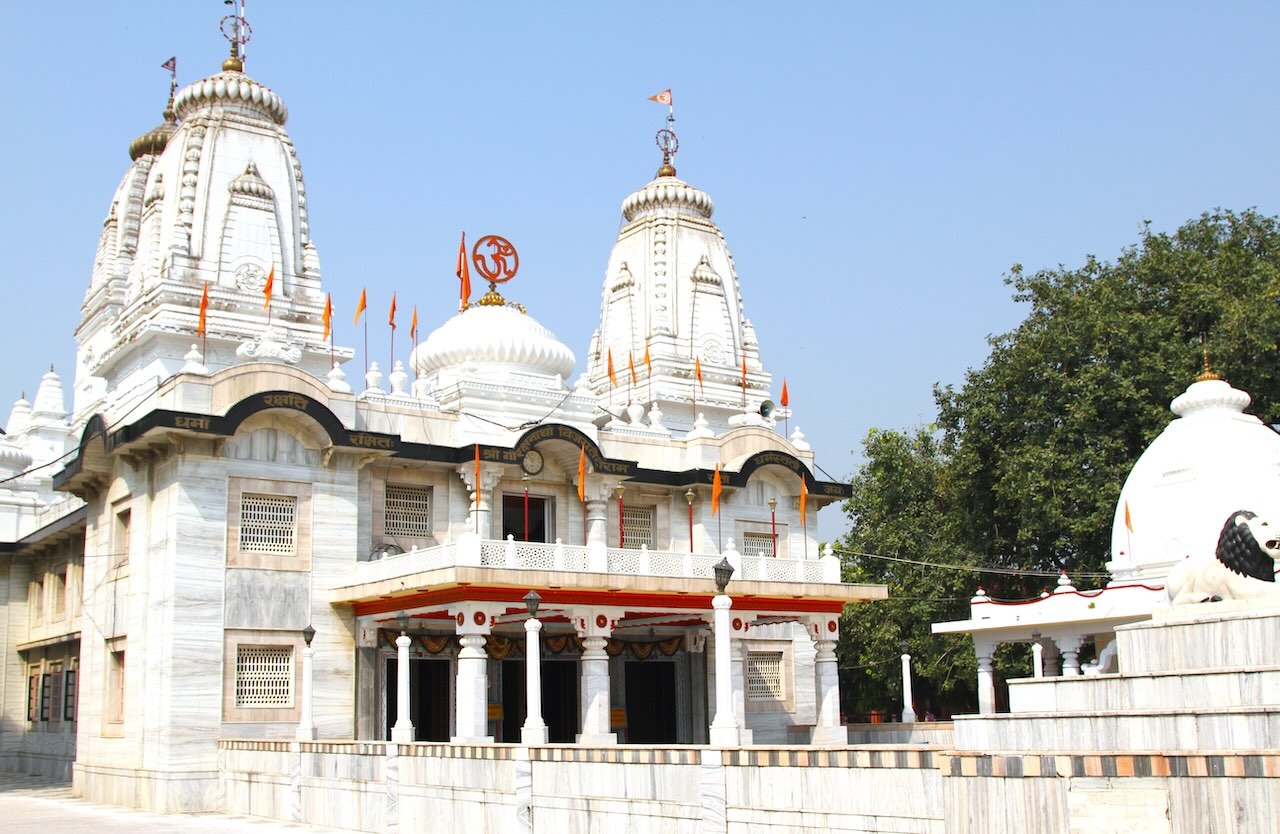
Spread across nearly 52 acres, the Gorakhnath Math is the most important centre of the Nath Sampradaya, a Shaivite yogic tradition rooted in meditation, Hatha Yoga, austerity, and direct spiritual experience. The temple is dedicated to Guru Gorakhnath (Gorakshanath), the revered 11th-century yogi and mahasiddha believed to be an incarnation of Lord Shiva and the foremost disciple of Matsyendranath.
Legend says Guru Gorakhnath was discovered and protected as a child in a heap of cow dung, hence the name Gorakh (Go = cow, Raksha = protected). The city of Gorakhpur itself derives its name from the saint, who is believed to have performed intense penance here.
What makes the Nath tradition distinctive is its blend of Shaivism, Tantra, yogic discipline, and ascetic philosophy. Guru Gorakhnath is widely credited with preserving and spreading yogic knowledge among ordinary people, making spiritual practice accessible beyond elite circles.
The Legend of Bhim and the Sacred Pond
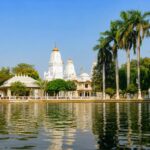
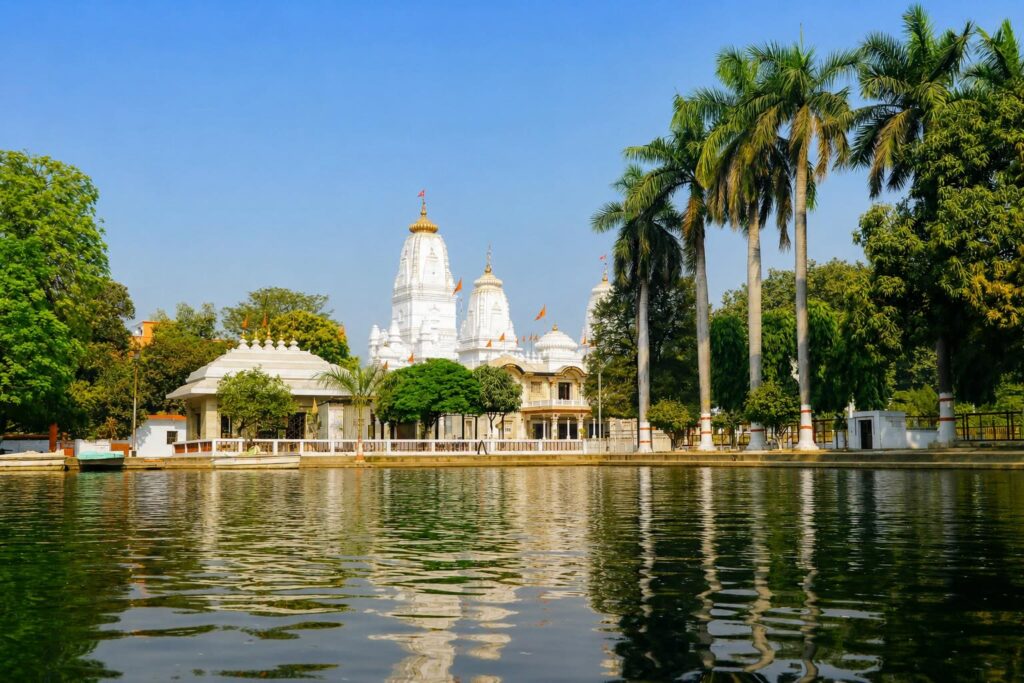
Inside the complex lies the serene Mansarovar Pond, also known as Bhim Sarovar. According to local tradition from the Mahabharata era, Bhim (Bhimsena) once came here to invite Guru Gorakhnath to the Rajsuya Yagna. Finding the Guru absorbed in deep samadhi, Bhim waited patiently. The earth supposedly sank under his immense weight, forming the depression that later became the pond. Today, a large statue of Bhim stands beside the water as a reminder of the legend.
For children and families, the pond remains one of the most enjoyable corners of the complex, with boating and fish feeding adding a gentle recreational touch to the spiritual atmosphere.
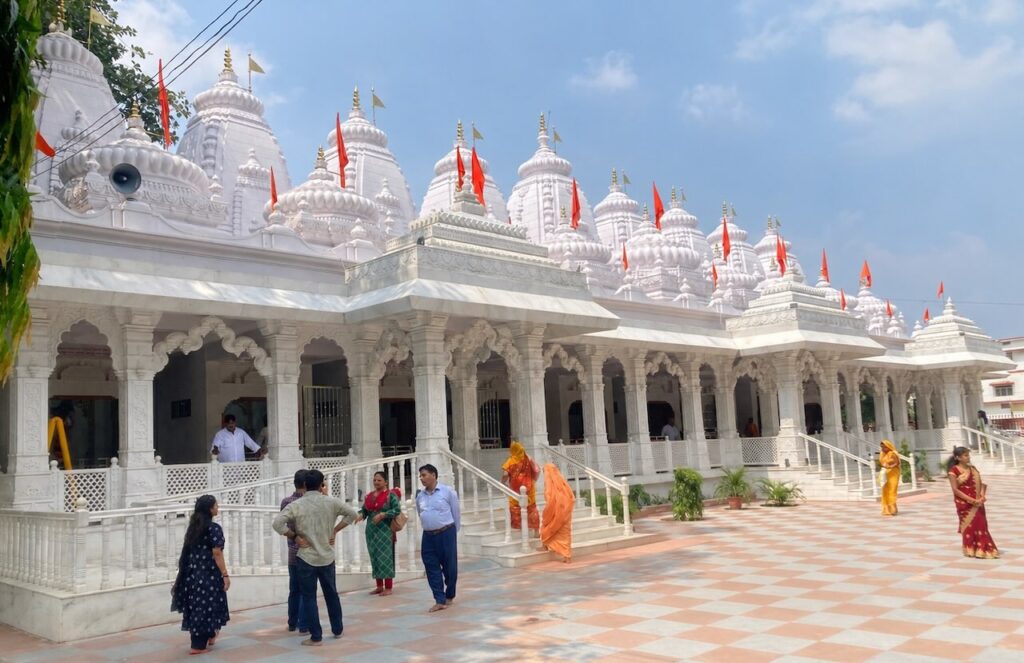
What to See Inside the Temple Complex
The temple campus is remarkably clean, organised, and peaceful. Highlights include:
- The main sanctum with a striking white marble idol of Guru Gorakhnath in meditation
- The samadhi chamber containing his Charan Paduka (sacred footprints) and prayer seat
- Shrines dedicated to Shiva, Ganesha, Kali, Bhairav, and the Nine Naths
- Mansarovar Pond with boating facilities
- The goshala (cow shelter), Divya Jyoti (eternal flame), meditation halls, Ayurvedic dispensary, and library
- Landscaped gardens and an evening Light & Sound show
- The atmosphere here is disciplined yet welcoming and spiritual without feeling intimidating.
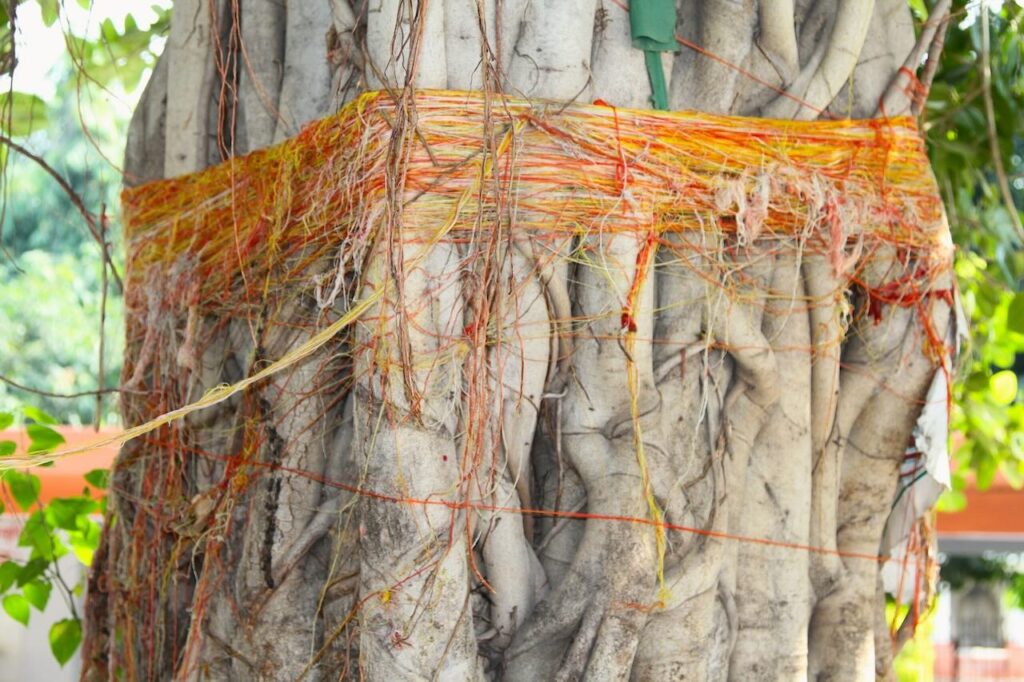
What to See Inside the Temple Complex
The temple campus is remarkably clean, organised, and peaceful. Highlights include:
- The main sanctum with a striking white marble idol of Guru Gorakhnath in meditation
- The samadhi chamber containing his Charan Paduka (sacred footprints) and prayer seat
- Shrines dedicated to Shiva, Ganesha, Kali, Bhairav, and the Nine Naths
- Mansarovar Pond with boating facilities
- The goshala (cow shelter), Divya Jyoti (eternal flame), meditation halls, Ayurvedic dispensary, and library
- Landscaped gardens and an evening Light & Sound show
- The atmosphere here is disciplined yet welcoming and spiritual without feeling intimidating.
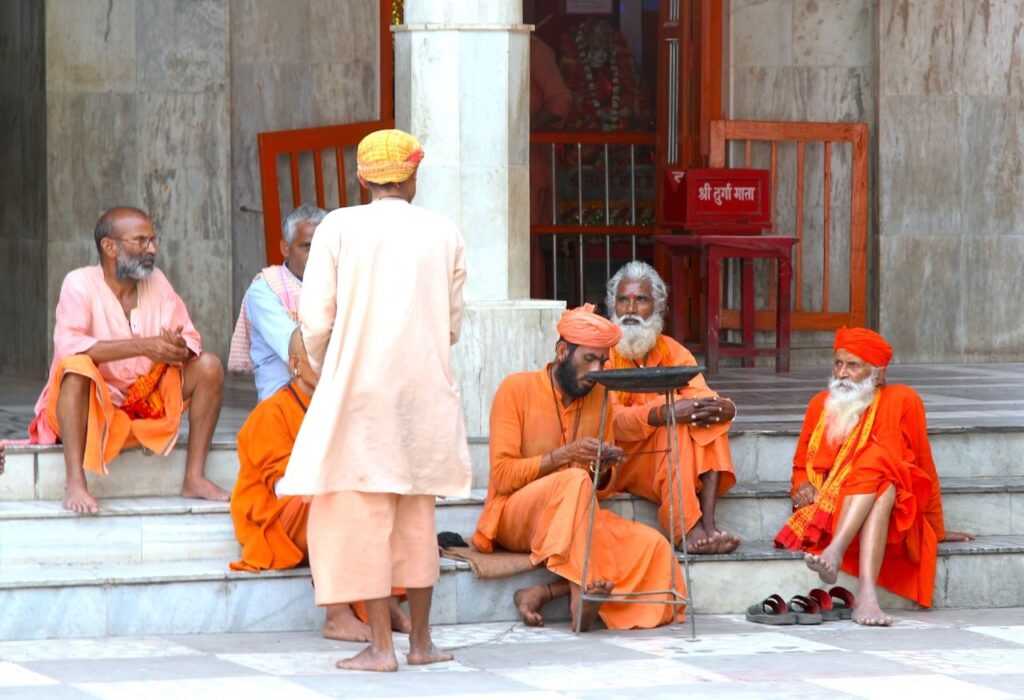
Practical Tips for Visiting Gorakhnath Temple
- Timings: 4:00 AM – 10:00 PM
- Best time to visit: Early mornings for peaceful darshan; weekdays are less crowded
- Entry fee: Free
- Photography: Mobile phones generally allowed; professional equipment and tripods discouraged
- Dress code: Modest clothing and comfortable footwear recommended
- Time required: Around 1.5 to 3 hours
- Facilities: Parking, shoe storage, drinking water, and basic refreshments available.
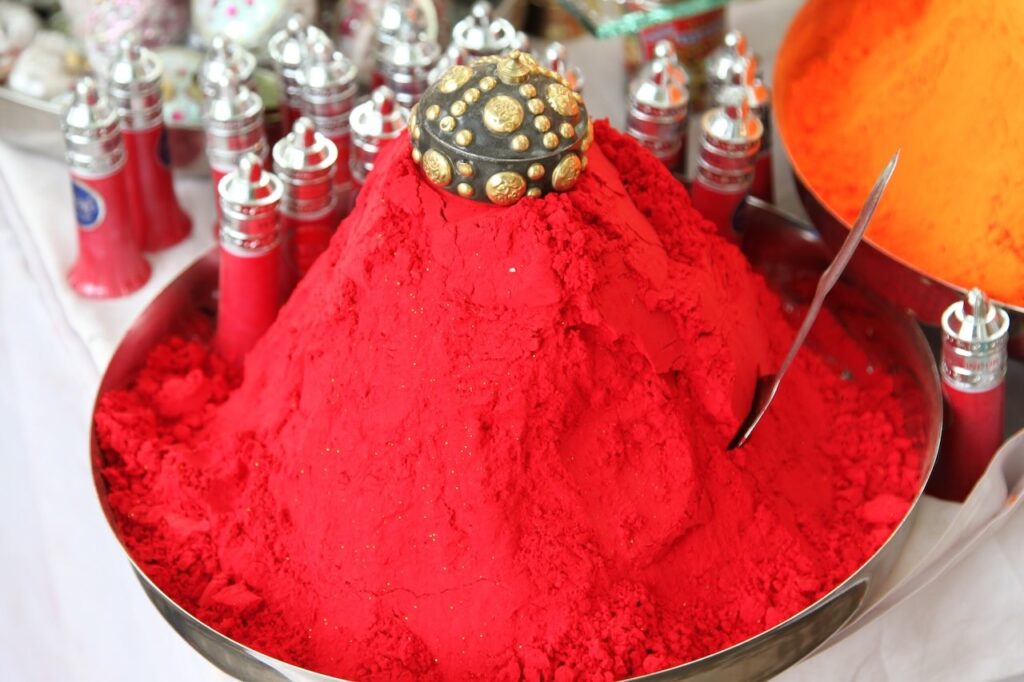
Other Nath Centres
Other major Nath centres associated with Guru Gorakhnath can be found in Gorkha (Nepal), Bhuj (Gujarat), Junagadh (Gujarat), Mangaluru (Karnataka) and several parts of Maharashtra and Odisha.
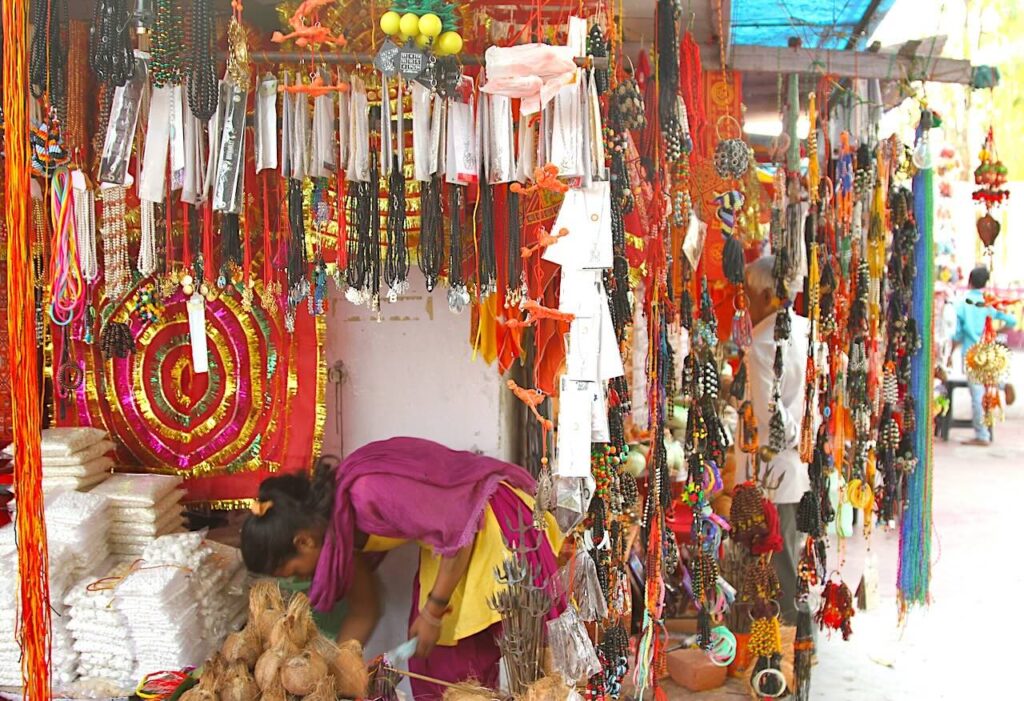
Geeta Press: The World’s Largest Publisher of Hindu Scriptures
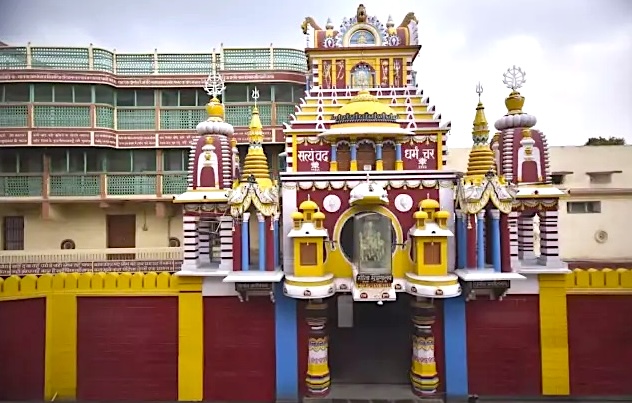
A short drive from the temple stands another institution deeply connected with Gorakhpur’s identity, Geeta Press, established in 1923. It is regarded as the world’s largest publisher of Hindu religious literature, producing millions of affordable copies of the Bhagavad Gita, Ramcharitmanas, Puranas, and other scriptures.
The campus itself carries a quiet old-world charm. Inside, visitors can explore:
- A temple-inspired entrance and beautifully designed halls
- More than 684 paintings depicting episodes from the lives of Lord Rama and Lord Krishna
- Rare manuscripts, archival material, and vintage printing equipment
- A museum section featuring thousands of preserved texts, including numerous interpretations of the Bhagavad Gita
- A bookshop offering spiritual literature at remarkably affordable prices
Practical Tips for Geeta Press
The surrounding areas of Urdu Bazar and Reti Chowk are crowded, with narrow lanes, rickshaws, and heavy traffic, particularly during evenings.
- Visit preferably during morning hours
- Parking is limited or nil; auto-rickshaws are often easier than cars
- Ideal to combine with the Gorakhnath Temple visit
- Travel time from temple: Around 15-20 minutes
- Recommended visit duration: 45-90 minutes
- Entry is free; guided visits may be arranged in advance
Kushinagar: A Serene Buddhist Extension
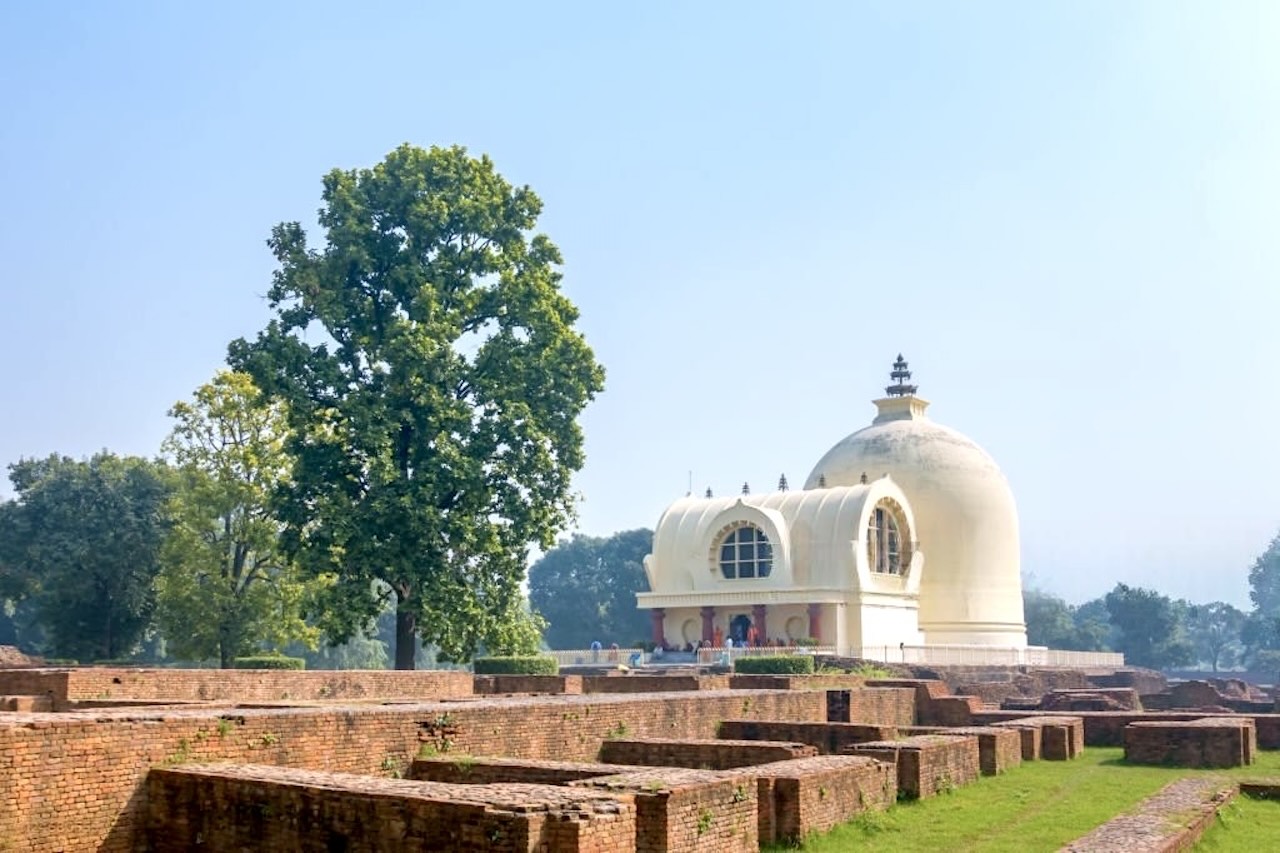
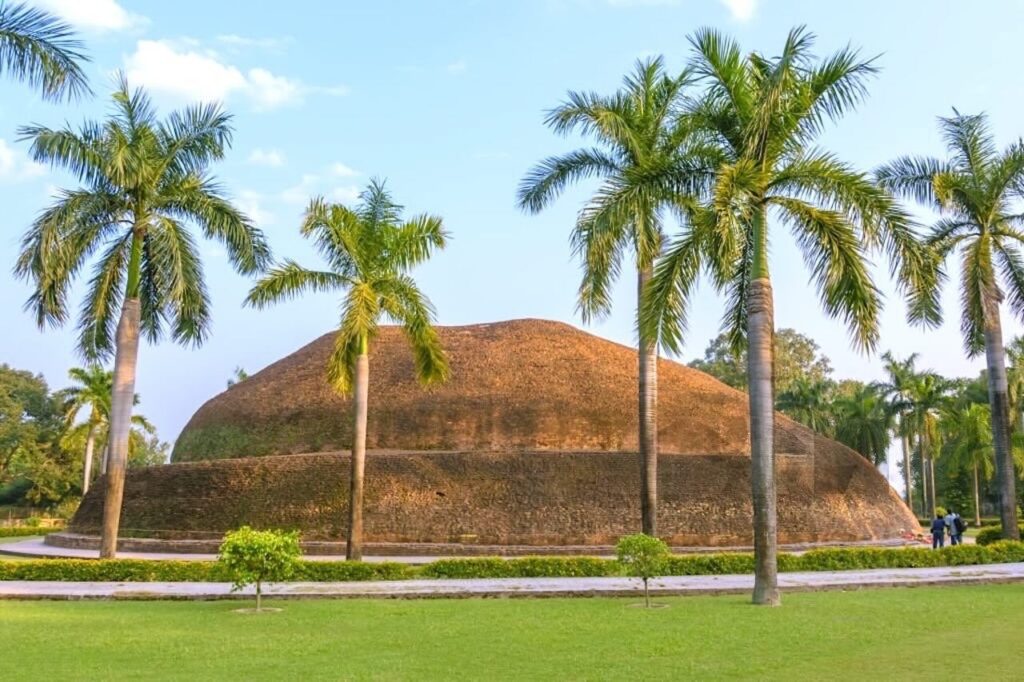
About 53-55 km east of Gorakhpur lies Kushinagar, one of Buddhism’s holiest pilgrimage destinations, where Lord Buddha attained Mahaparinirvana.
The town offers a striking contrast to the energy of Gorakhpur, quieter, slower, and deeply contemplative. Major attractions include:
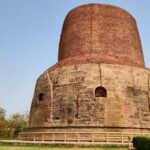
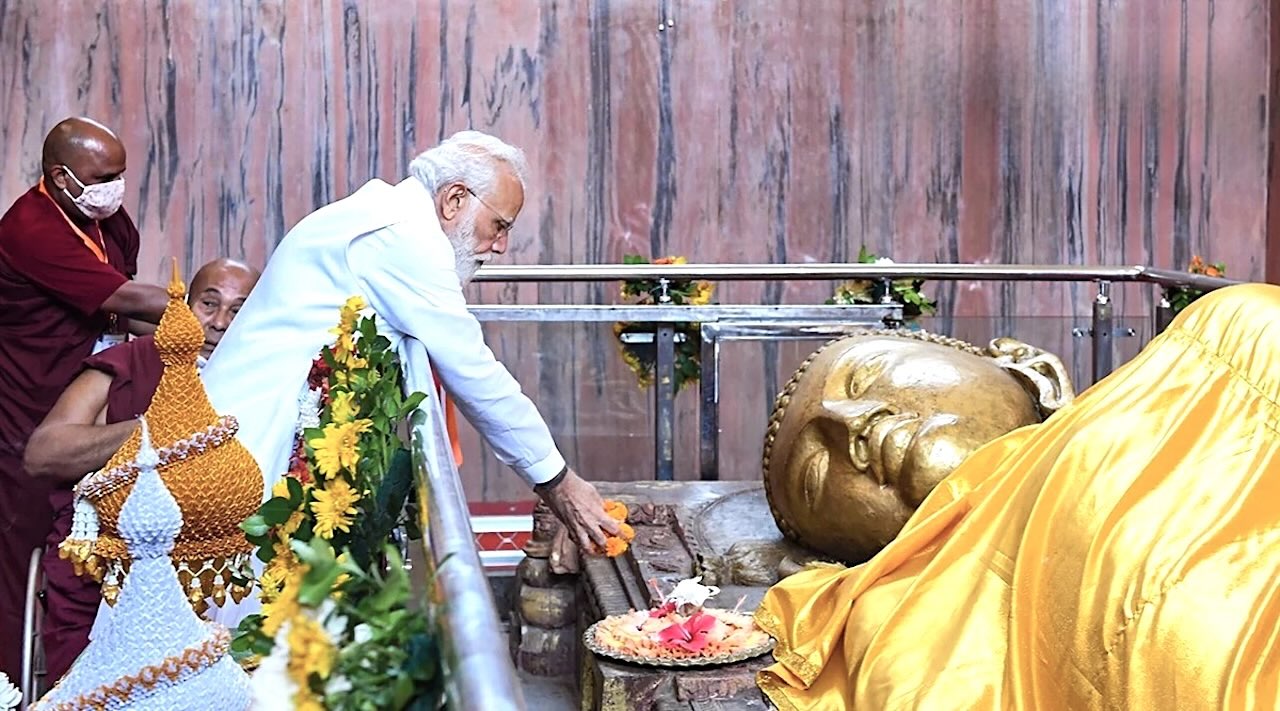
- The Parinirvana Stupa with the iconic reclining Buddha statue
- Ramabhar Stupa, believed to mark Buddha’s cremation site
- International monasteries built by Buddhist communities from across Asia
For travellers with additional time, Lumbini the birthplace of Buddha lies roughly 120-135 km from Gorakhpur and can be combined into a longer spiritual circuit.
Quick Essentials for Visiting Gorakhnath Temple & Kushinagar
Gorakhnath Temple
How to Reach
- From Gorakhpur Railway Station: Around 4-5 km (15-20 minutes)
- From Gorakhpur Airport: Around 10 km (20-30 minutes)
- Local Transport: Easily accessible by auto-rickshaw, taxi, Ola, or Uber
- Nearest Airport: Gorakhpur Airport
- Nearest Railway Station: Gorakhpur Junction Railway Station well connected to Delhi, Lucknow, Mumbai, Kolkata, and other major cities
Best Time to Visit: Early mornings (5-9 AM) and evenings are the most peaceful times for darshan and exploration.
Recommended duration: 1.5-3 hours.
Kushinagar
How to Reach
- From Gorakhpur: Around 1-1.5 hours by taxi or private car
- From Gorakhpur Airport: Approximately 1 hour 15 minutes
- Nearest Railway Stations: Gorakhpur Junction (approximately 55 km) or Deoria Sadar (approximately 45 km)
- Nearest Airport: Gorakhpur Airport
Best Time to Visit: Morning and late afternoon are ideal, especially for relaxed exploration of the monasteries and Parinirvana complex.
Recommended duration: 3-4 hours.
Pro Tips
You can comfortably combine Gorakhnath Temple in the morning with Kushinagar in the afternoon as a full-day spiritual circuit.
Travellers with additional time can also plan a day trip to Lumbini, the birthplace of Buddha, located around 120-135 km from Gorakhpur. Though it can be a long day, starting as early as 5-6 AM, spending 3-4 hours exploring Lumbini, and returning to Gorakhpur by around 6-7 PM.
Best Time to Visit Gorakhpur & Kushinagar
The best period to visit is October to March, when the weather remains pleasant and comfortable for temple visits, walking tours, and sightseeing.
Why Winter is Ideal
- Comfortable temperatures ranging roughly between 15°C and 28°C.
- Clear skies and pleasant mornings.
- Better conditions for exploring large open complexes like Gorakhnath Temple and Kushinagar’s monastery gardens.
- Fewer weather-related travel disruptions.
Early mornings and late afternoons are particularly peaceful and photogenic.
Seasons to Avoid
Peak Summer (April-June): Temperatures can rise above 42°C, making outdoor travel tiring, especially for families and children
Monsoon (July-September): Heavy rains, humidity, occasional water-logging, and slippery pathways can affect sightseeing comfort.
Final Tip
November to February offers the most enjoyable overall experience, especially for travellers planning a combined Gorakhnath Temple-Kushinagar day itinerary.
Also Read
Sarnath Day Trip from Varanasi: Our Family’s Peaceful Discovery
Our Family Verdict
Whether you arrive as a devotee, history enthusiast, yoga practitioner, or simply a curious traveller, Gorakhpur offers an unexpectedly rich spiritual and cultural experience. For me, it remains deeply personal, the city where my spiritual journey quietly began as a child and continues even today.
Peaceful, rooted, and profoundly authentic, this journey through Gorakhnath Temple, Geeta Press, and Kushinagar is one I would wholeheartedly recommend to families and seekers alike.