Series Part 2: Old Delhi Heritage Walk – Jama Masjid, Lal Qila & Raj Ghat – Full Practical Guide
This is Series Part 2 of our “Delhi Heritage in a Day” series, specially created for Delhites looking for weekend getaways, newcomers settling in NCR, and friends/relatives visiting the capital. Each post clubs 2-3 iconic, geographically close locations that can be comfortably covered in one day. The goal remains the same: practical, real-life details based on actual visits so you can enjoy Delhi’s rich history without stress or fatigue.
This post brings together three soul-stirring landmarks of Old Delhi – the grand Mughal mosque, the majestic Red Fort, and the serene memorial to Mahatma Gandhi – into one meaningful half-to-full day experience. All three are within a compact area, connected by short walks or quick autos.
If you enjoy Mughal architecture, stories of emperors and freedom fighters, and vibrant Old Delhi vibes, this itinerary is perfect. Total walking is moderate (3-5 km spread across the day) with plenty of shaded spots and rest options. Best experienced in winter (October-March) when the weather is pleasant and the light is beautiful for photos.
Continue reading about Delhi Heritage Walk Series Part 1 which covers Rashtrapati Bhavan, Museum Amrit Udyan, Kartavya Path, India Gate and National War Memorial.
Suggested Itinerary (9 AM 4 PM)
- 9:00 AM – 10:30 AM: Jama Masjid (early morning for peaceful light and fewer crowds, and to avoid prayer rush hours)
- 10:45 AM – 1:30 PM: Lal Qila (Red Fort) + Meena Bazaar + Museums
- 2:00 PM – 3:30 PM: Raj Ghat (peaceful reflection) + optional lunch
- Evening option: Chandni Chowk food walk if energy remains.
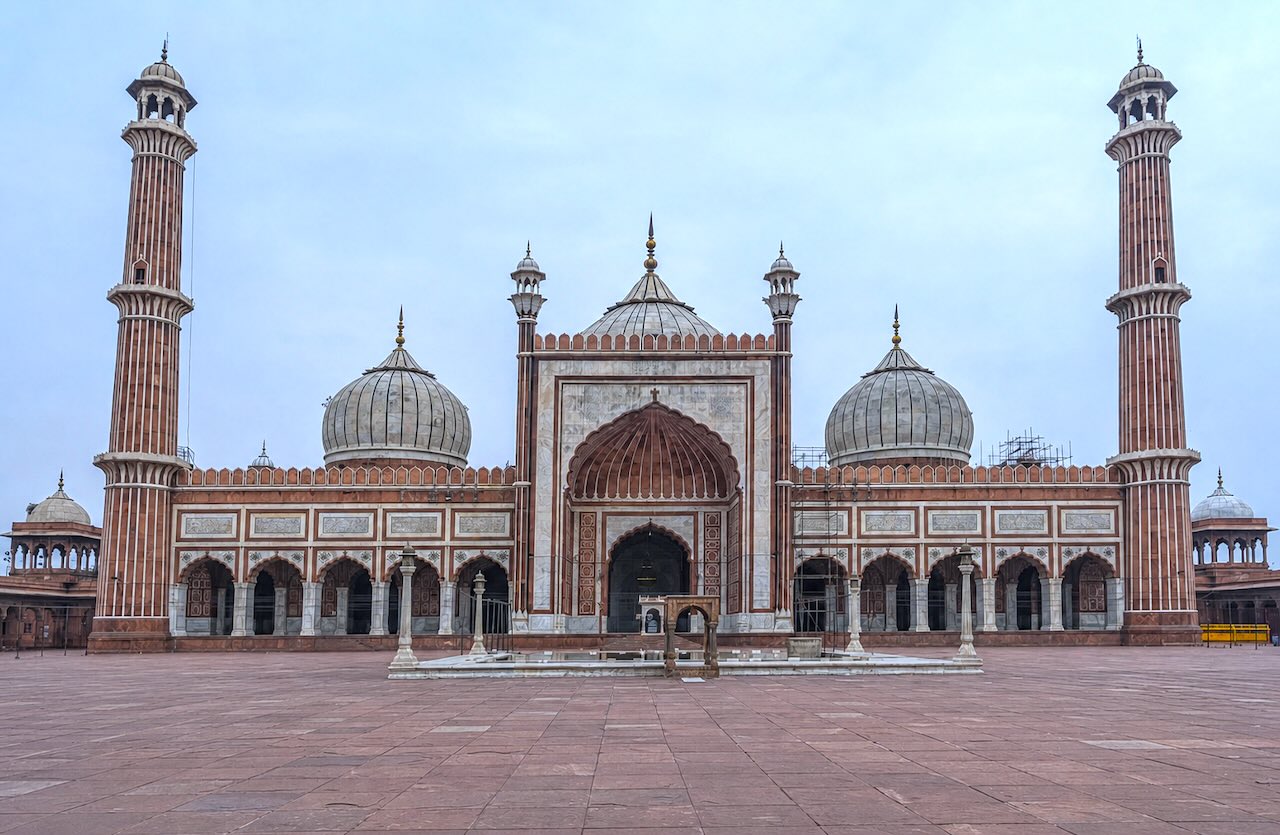
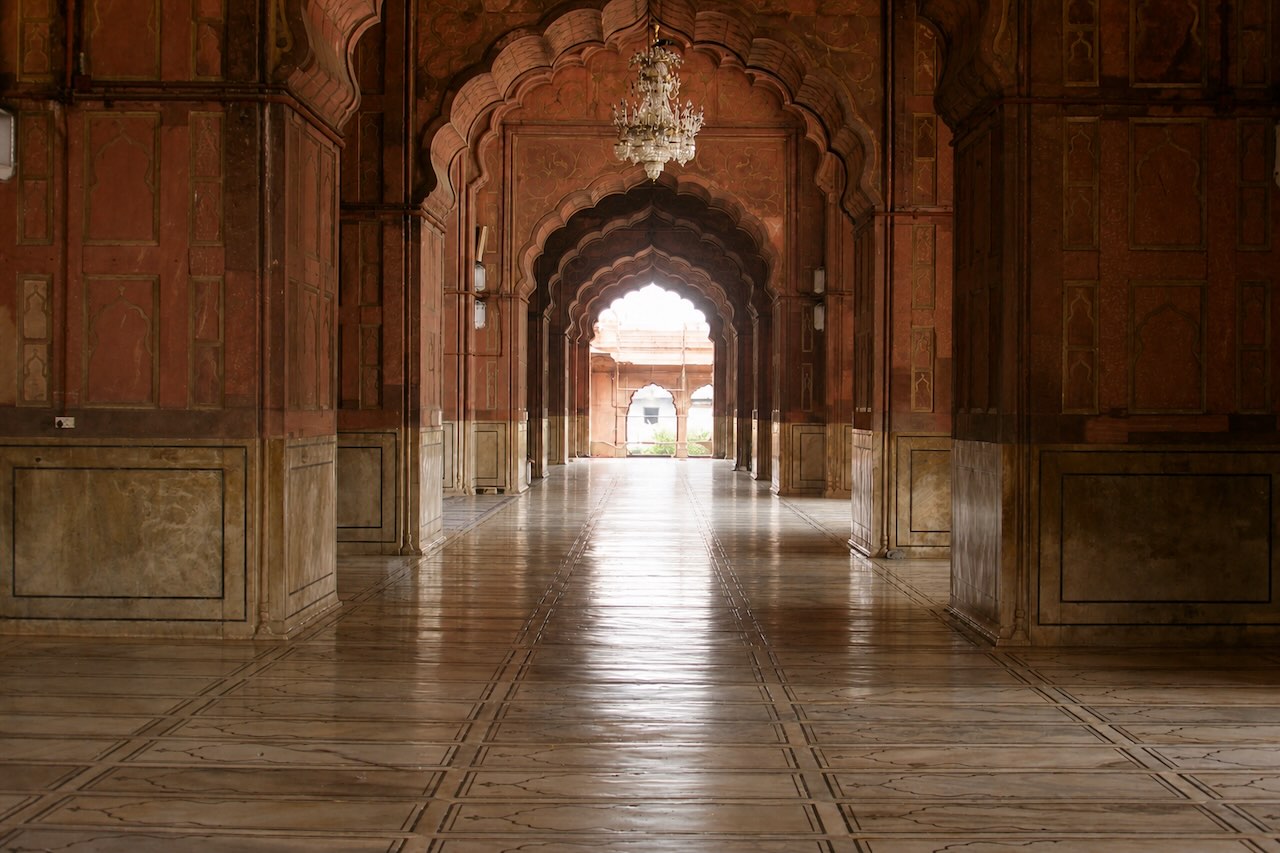
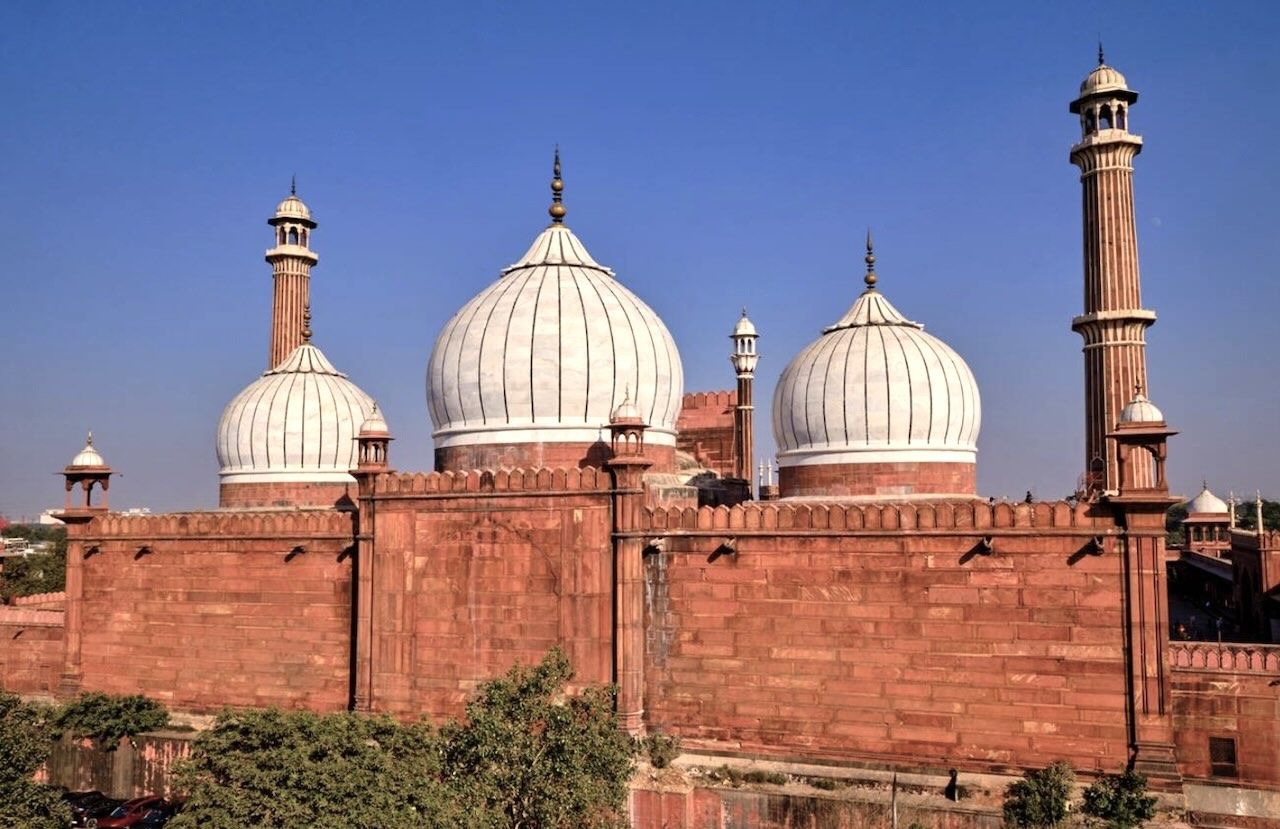
Jama Masjid – India’s Largest Mosque
Built in 1656 by Mughal Emperor Shah Jahan, Jama Masjid (Masjid-i-Jahan Numa) is one of the most magnificent mosques in India. It can accommodate over 25,000 worshippers and offers stunning views of Old Delhi from its minarets.
Important Note for Visitors of All Faiths
People of all religions, including Hindus and followers of other faiths, are permitted to enter Jama Masjid. There is no restriction based on religion. Non-Muslims are warmly welcomed in the courtyard and main areas outside of prayer times. The only requirements are modest dress, removal of shoes, and respectful behaviour. This makes it a wonderful living example of India’s syncretic culture.
Real Visitor Experience
Arrive early to enjoy the vast marble courtyard in soft morning light. Remove shoes at the entrance, dress modestly (women should carry a scarf or borrow a gown at the gate), and optionally climb the southern minaret for panoramic views. The atmosphere is spiritual yet welcoming.
Practical Details
Timings: 7:00 AM – 12:00 PM and 1:30 PM – 6:30 PM (closed to tourists during prayer times, especially Friday noon).
Entry Fee: Free (camera fee ~₹300; minaret climb extra).
How to Reach: Jama Masjid Metro (Violet Line) or Chawri Bazar (Yellow Line) walking distance.
Parking: Very limited, Metro or drop-off recommended.
Walking: Courtyard + optional minaret (1 – 1.5 hours).
Guide: Not required; self-guided is fine.
Tips: Visit early. Carry water and wear comfortable shoes.
Lal Qila (Red Fort) – UNESCO World Heritage Site
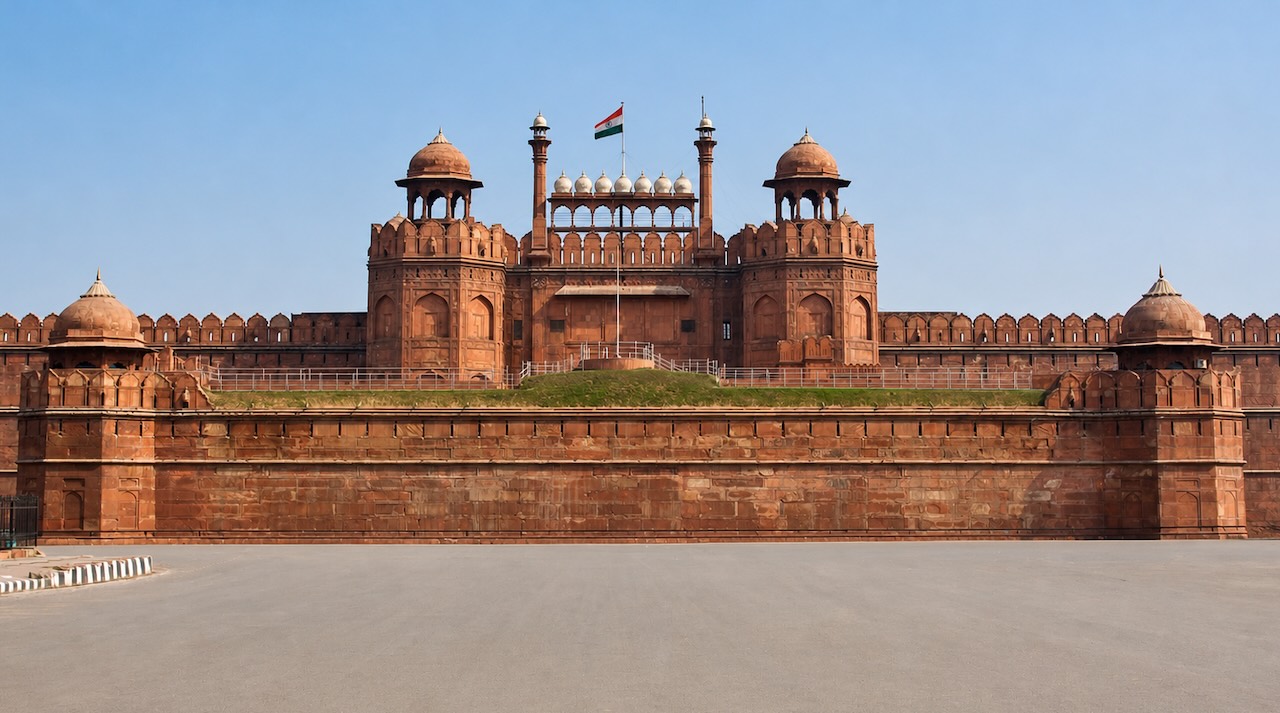
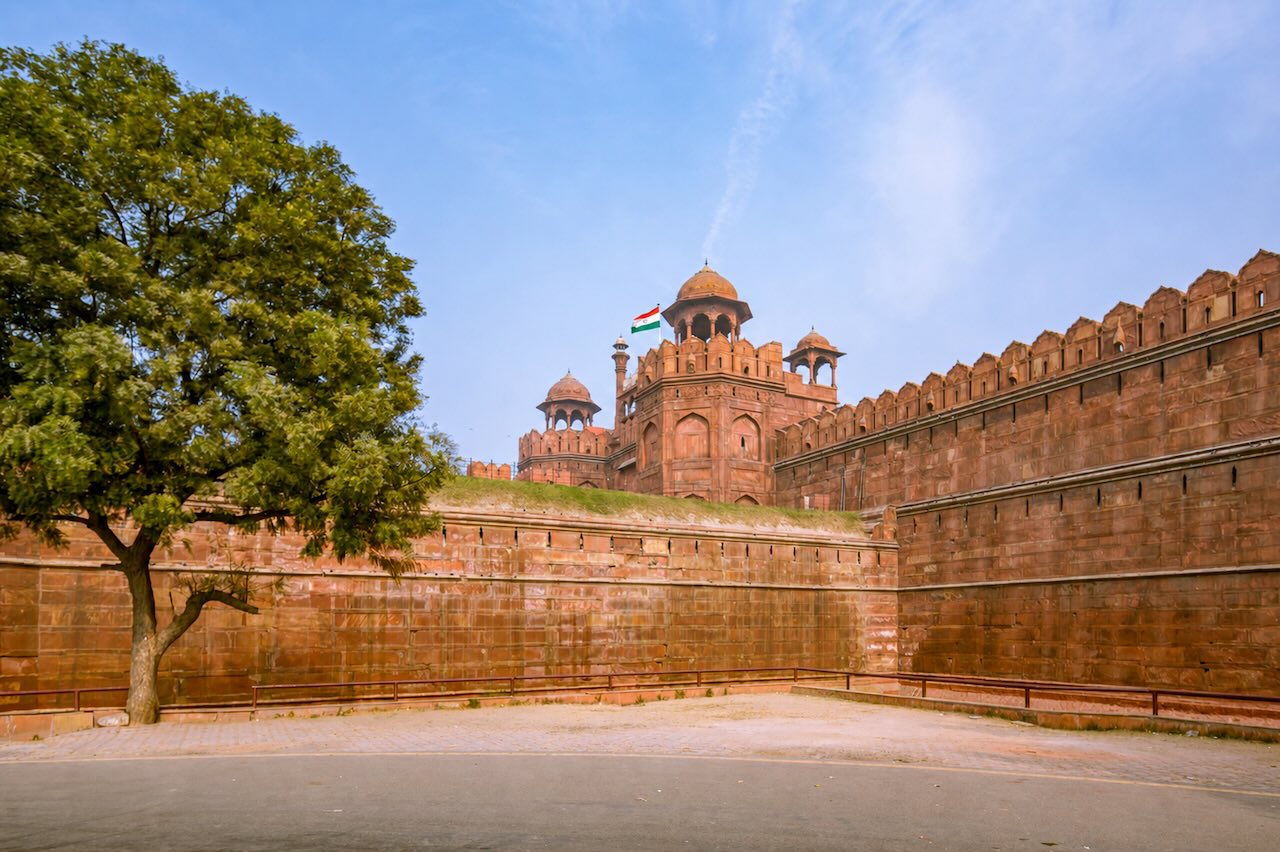
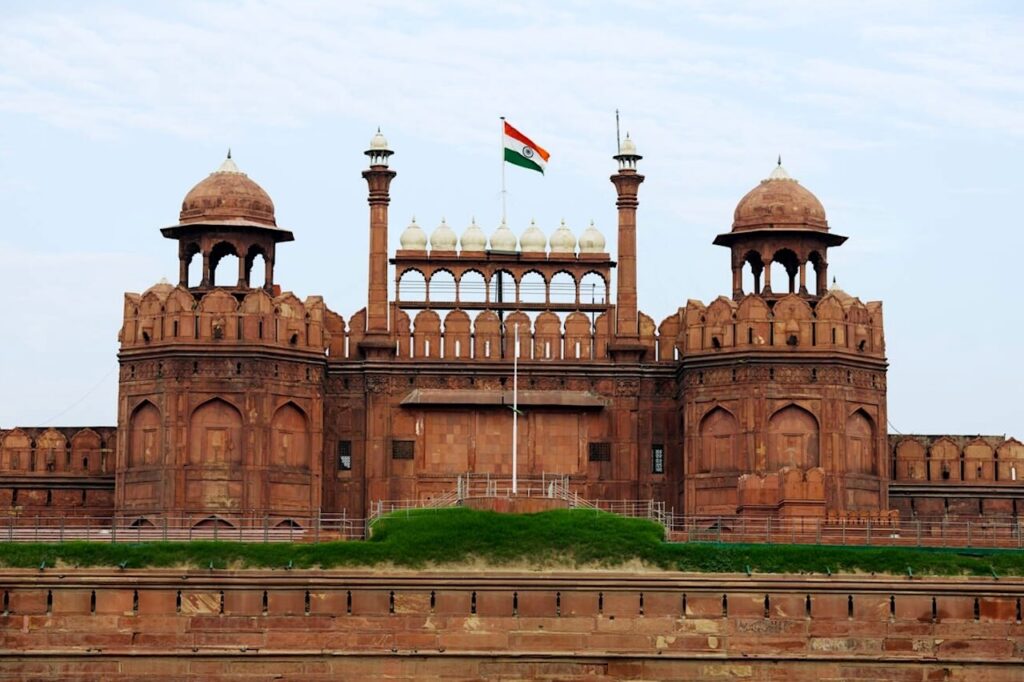
The iconic Red Fort, built by Shah Jahan between 1639 and 1648, was the main residence of the Mughal emperors. Its massive red sandstone walls and exquisite marble palaces represent the peak of Mughal architecture and power.
Real Visitor Experience & What to See
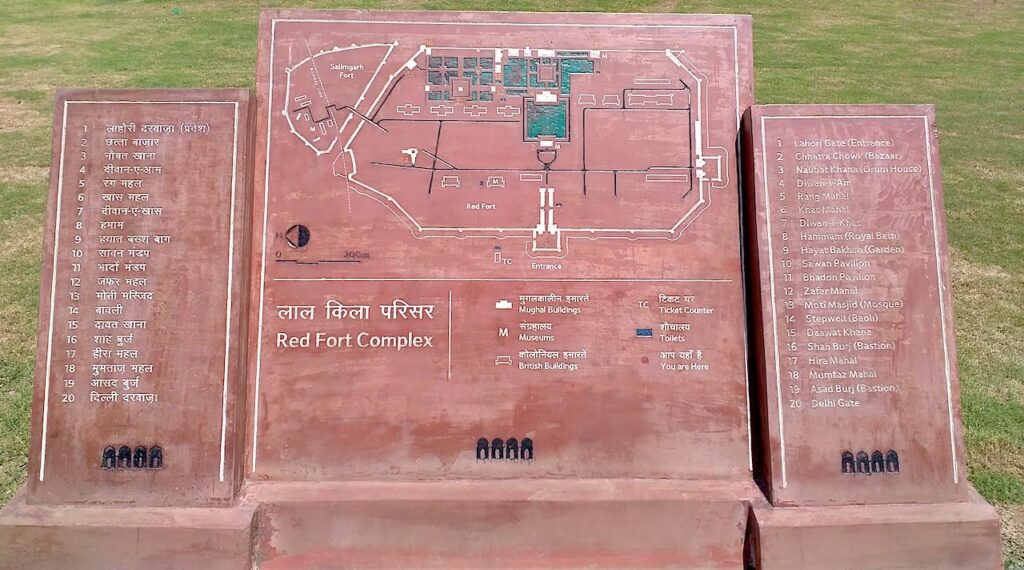
Enter through the majestic Lahore Gate. Right inside you step into the historic Meena Bazaar (Chatta Chowk) – a beautiful covered arcade market originally built for the royal ladies of the harem. Today it is lined with shops selling handicrafts, jewellery, pashmina shawls, juttis, bags, souvenirs and traditional crafts from across India. It’s a lively, colourful spot, perfect for browsing and light shopping (bargain hard!). Spend 20 – 30 minutes here before moving deeper into the fort.
After the bazaar, the real grandeur begins. The complex is large (plan 2 – 3 hours), so wear comfortable shoes and take it slowly.
British-era Barrack Buildings (now museums)
On the western side of the gardens you will see several double-storey (2 – 3 storey) colonial-style buildings that were originally British military offices and barracks after 1857. These have been beautifully preserved and converted into a cluster of four modern museums called Kranti Mandir (opened in 2019). They focus on India’s freedom struggle:
Barrack B1: Dedicated to the 1857 War of Independence (First War of Independence) – maps, weapons, dioramas and stories of the uprising.
Barrack B2: Focuses on the Jallianwala Bagh massacre (1919) and Indian soldiers in World War I.
Barrack B3: Devoted to Netaji Subhas Chandra Bose and the Indian National Army (INA).
Barrack B4 (Drishyakala): An art museum in collaboration with Delhi Art Gallery over 450 rare Indian artworks by masters like Raja Ravi Varma, Amrita Sher-Gil, Rabindranath Tagore and others.
These museums are air-conditioned, well-displayed and give a powerful Indian perspective on colonial rule. Entry is included in the Red Fort ticket.
Other Must-See Mughal Structures (don t miss these!)
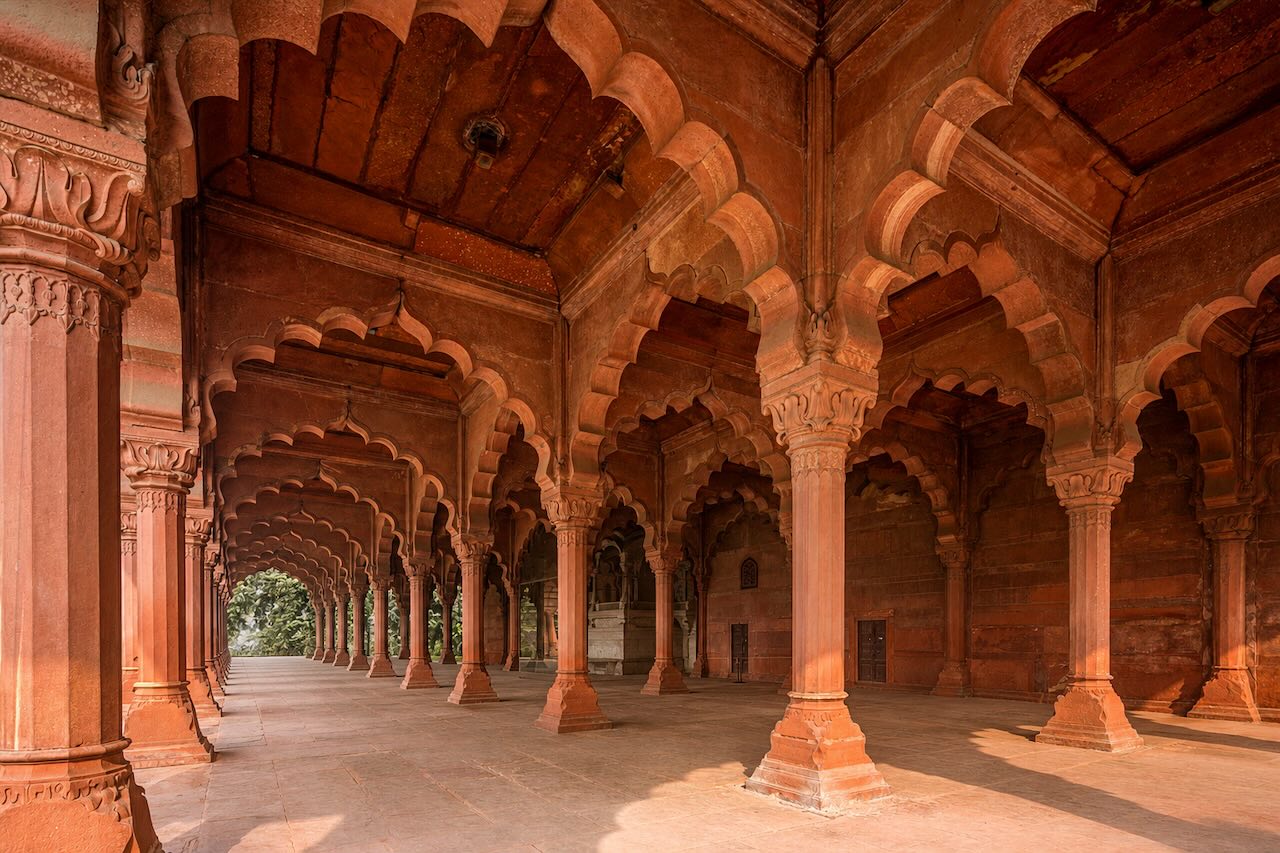
Diwan-i-Aam (Hall of Public Audience): where the emperor met common people.
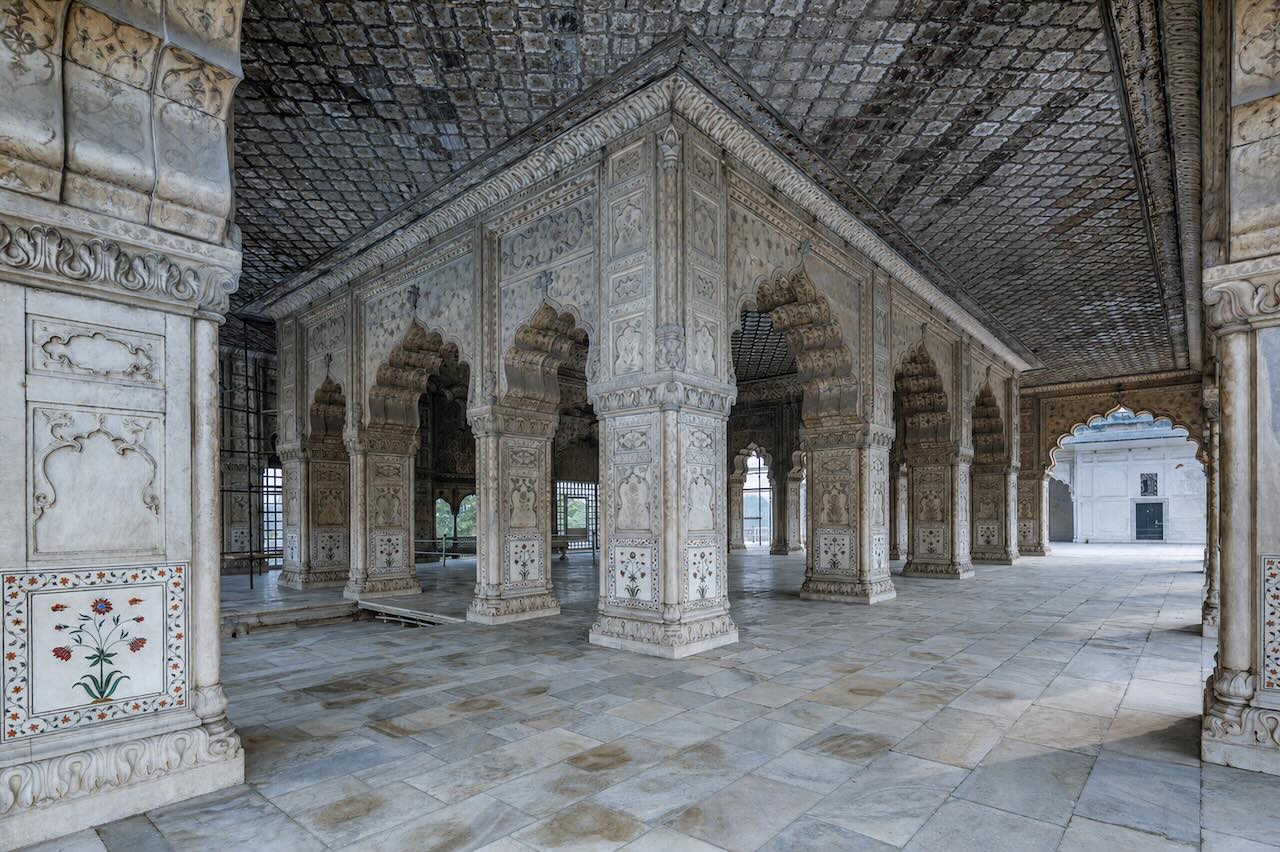
Diwan-i-Khas (Hall of Private Audience): the most luxurious hall with the famous inscription “If there is Paradise on Earth, it is this, it is this, it is this…“
Rang Mahal (Palace of Colours): exquisite marble work and fountains (once part of the zenana). Khas Mahal and Hammam (Royal Baths).
Moti Masjid (Pearl Mosque): the emperor’s private white-marble mosque.
Hayat Baksh Bagh gardens with Sawan & Bhadon pavilions.
Practical Details for Lal Qila
Timings: 9:30 AM – 4:30 PM (closed Mondays in the past; recently opened on all days, confirm on-site).
Entry Fee: ₹35 (Indians), ₹500 (foreigners); camera free. Many visitors prefer to book tickets online in advance to avoid the ticket counter queue near the entrance.
How to Reach By Metro: Lal Qila or Chawri Bazar Metro, short walk.
Parking, Ticket Counter & Entry Walk: If you are coming by car, note that the official parking area (near Sunehri Masjid or Ramlila Ground) is located 1.2 to 1.5 km away from the main Lahore Gate entrance.
After parking, you will need to take an e-rickshaw (electric rickshaw) for the last stretch. E-rickshaw fare: ₹20 40 one way (for 2 4 people; negotiable). The walk from parking to the entrance (or vice-versa) can feel long, especially in summer, so the e-rickshaw is highly recommended.
Walking: Once inside Lahore Gate (after security checks), you still have to walk 2.5 – 3.5 km (round trip) to comfortably explore the entire complex (2-3 hours total), Meena Bazaar, palaces, gardens and museums. Mostly paved.
Guide: Audio guide or official guide recommended for full appreciation.
Tips: Start early, carry water, rest on benches. Evening Sound & Light Show is excellent if you can stay.
Raj Ghat, Memorial to Mahatma Gandhi
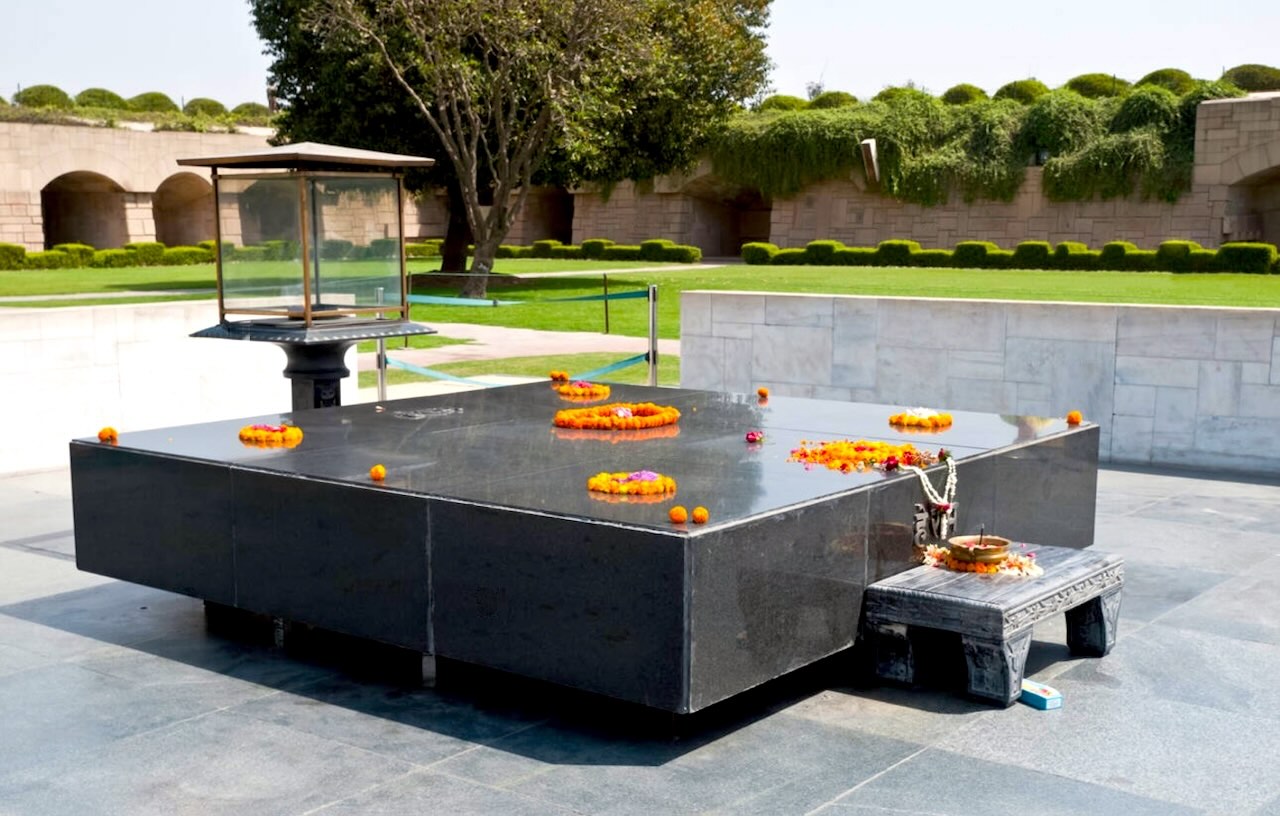
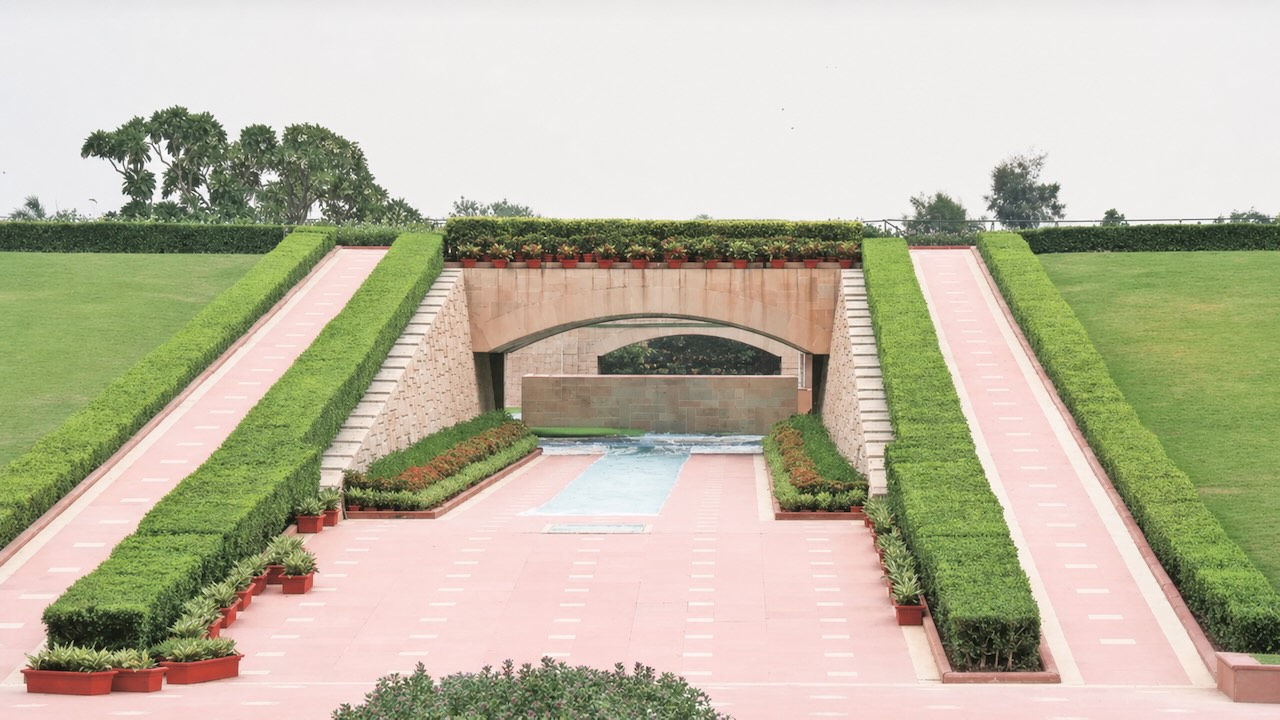
A short auto or walk from the Red Fort area brings you to Raj Ghat, the simple yet profoundly moving samadhi of Mahatma Gandhi on the banks of the Yamuna. This is where his body was cremated on 31 January 1948, a day after his assassination.
The Emotional Moment
Many visitors echo the same feeling: “I had seen Raj Ghat only on TV… today I can see it for real.” The black marble platform with the eternal flame and the inscription “Hey Ram” creates an instant sense of quiet reverence. Tourists from across India and abroad, families, school groups, and priests gather here. Some stand in silence, others click photos, and many simply sit on the lawns reflecting. The simplicity of the memorial, no grand structures, just a peaceful garden that makes the experience deeply personal and moving after the grandeur of the Red Fort and Jama Masjid.
Practical Details
Timings: Sunrise to sunset.
Entry Fee: Free.
How to Reach: Short auto/cab from Lal Qila or nearby Metro.
Parking: Available nearby.
Walking: Easy, flat paths (30 – 45 minutes).
Guide: Not needed, the place speaks for itself.
Tips: Maintain silence and respect. The surrounding gardens are perfect for a calm break.
Optional Add-ons Nearby
While in the area, you can easily visit two beautiful temples that highlight Delhi’s religious diversity:
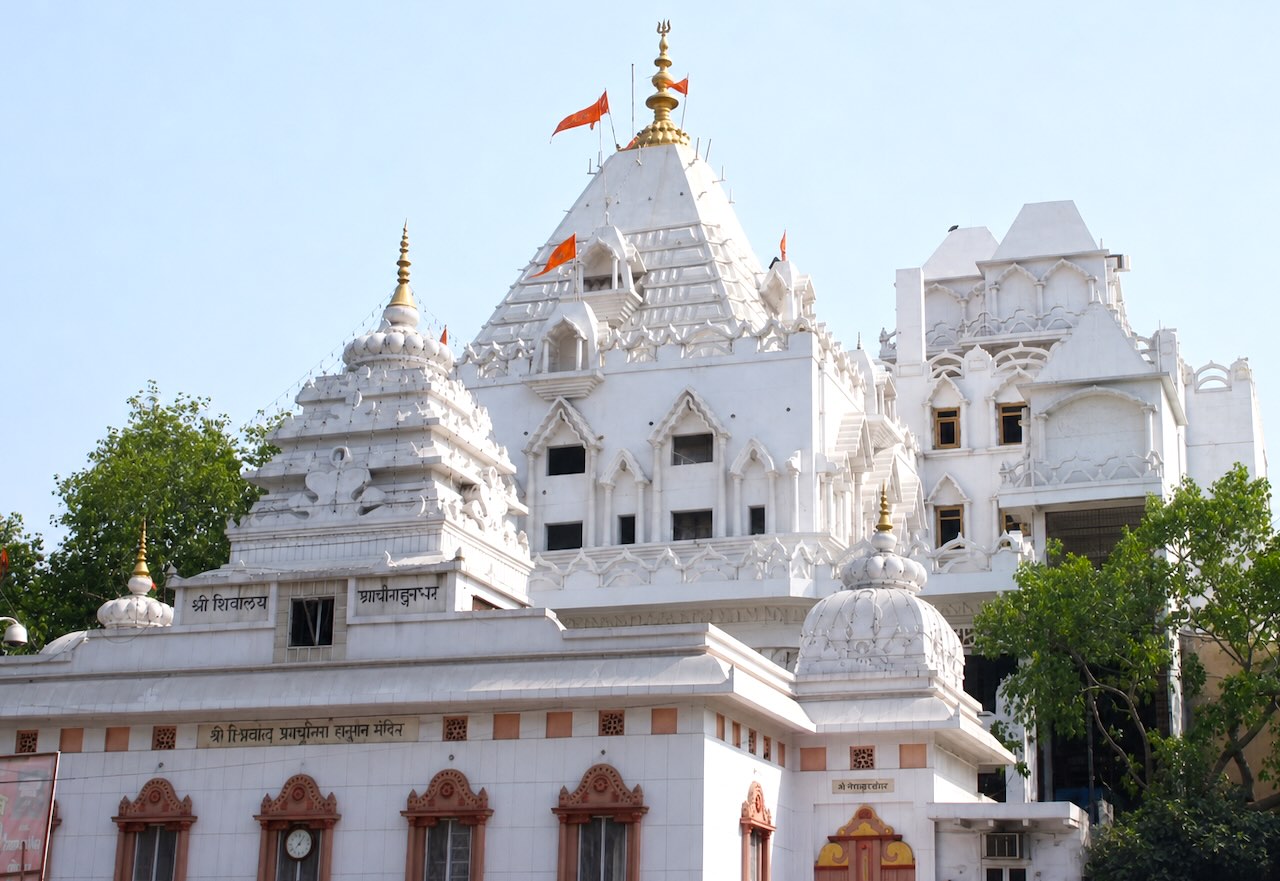
Gauri Shankar Temple (ancient Hindu temple dedicated to Shiva and Parvati): known for its intricate marble work and peaceful vibe.
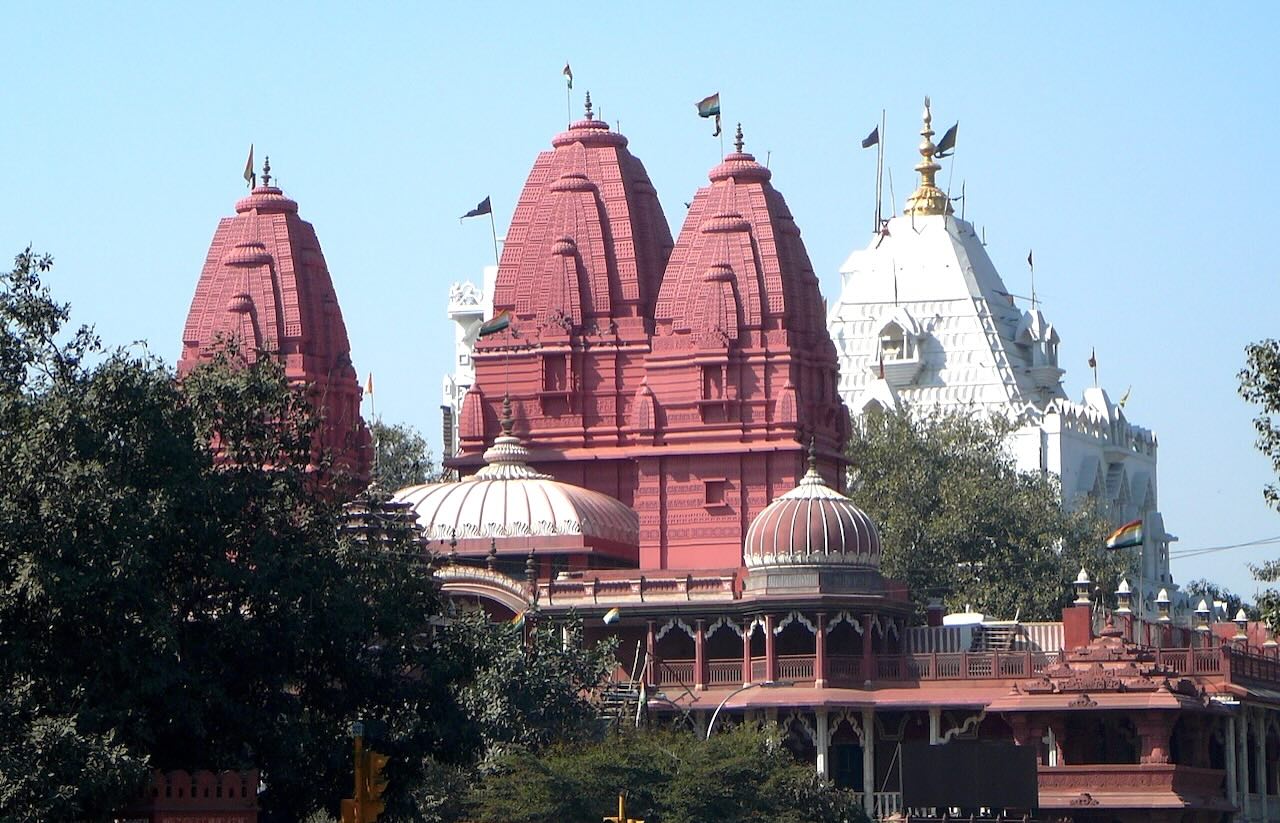
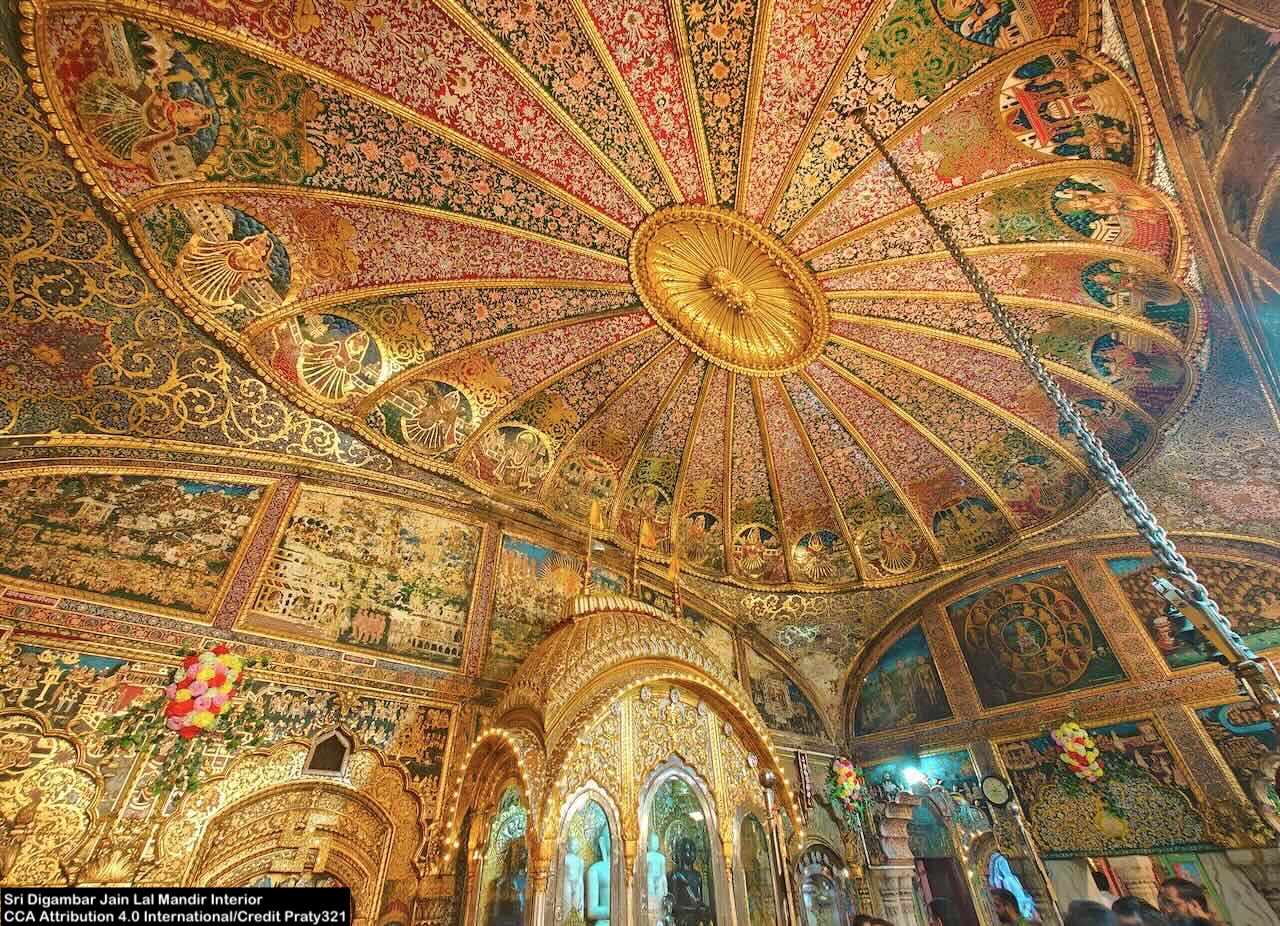
Digambar Jain Temple (one of the oldest Jain temples): famous for its architecture and bird hospital.
My Recommendation: These temples, both are within 1-2 km, and worth a quick visit (~30 minutes each) if you have extra time, especially as they beautifully showcase Delhi’s religious diversity right next to the Mughal landmarks. However, do not force them into the main itinerary if you re already tired after Lal Qila’s walking. They make a perfect bonus after Raj Ghat or on a separate relaxed morning. I suggest treating them as flexible options rather than core stops in this post so the day doesn’t become too packed.
General Practical Tips
Best Time of Year: October – March.
Days to Avoid: Friday midday (Jama Masjid prayers).
Transport: Start at Jama Masjid Metro; use autos (cheap & quick) between spots.
Total Cost (2 adults): ₹300 – 600.
What to Carry: Comfortable shoes, water, modest clothing, hat/sunscreen
Food Tip: Famous paranthe, kebabs, and sweets in Chandni Chowk after Raj Ghat.
This Old Delhi circuit offers the perfect mix of grandeur, spirituality, history, and reflection, a true heritage walk through India’s living past.
Always verify latest timings and rules on official websites or the Delhi Tourism app.
Stay tuned for Series Part 3, another compact and fascinating day in Delhi!