India’s Account at UNGA
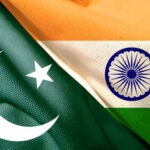
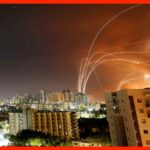
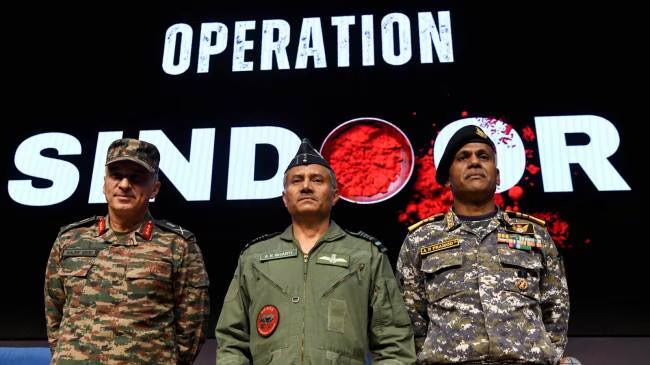
India asserted during the 80th UN General Assembly that, contrary to Pakistan’s public posturing, its military “directly pleaded” for a cessation of fighting on May 10, following consecutive airstrikes during Operation Sindoor. Operation Sindoor was India’s targeted military campaign responding to the April 22 Pahalgam terrorist attack, which killed 26 civilians and was claimed by an offshoot of Lashkar-e-Taiba. These strikes reportedly destroyed multiple Pakistani airbases and eliminated terror networks in Bahawalpur and Muridke.
Pakistan’s Counter-Narratives
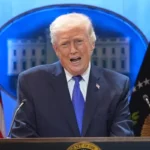
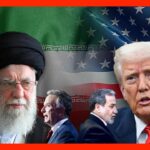
Prime Minister Shehbaz Sharif, in his UN address, claimed that Pakistan had repulsed Indian attacks and downed seven Indian jets, portraying the outcome as a national victory. He credited President Donald Trump with mediating the ceasefire and even praised him for promoting peace, going so far as to nominate him for the Nobel Peace Prize. India robustly rejected these statements, stressing that all arrangements for cessation emerged from direct talks between senior military officials—Major General Kashif Abdullah (Pakistan) and Lieutenant General Rajiv Ghai (India)—and not through external intervention.
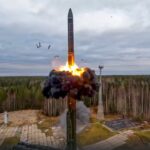
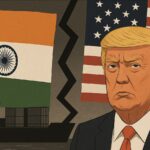
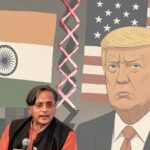
Sharif’s statements echo Trump’s own public remarks, which have been repeated multiple times since May—at the UN, in press briefings, and on social media—where Trump claimed credit for “stopping a nuclear disaster” and for facilitating India-Pakistan peace — a claim consistently debunked by Indian diplomats, parliamentarians, and the MEA.
Interestingly, very recently, Pakistan’s Deputy Prime Minister, Ishaq Dar publicly clarified that Pakistan did not seek third-party intervention or US mediation to halt Operation Sindoor. He explicitly stated, “Pakistan did not ask anyone to arrange talks with India,” and confirmed that Islamabad itself had requested a ceasefire after suffering significant losses during the Indian strikes. Dar also indicated that Pakistan is willing to resume comprehensive bilateral dialogue, in line with India’s longstanding stance.
Destruction and Diplomatic Fallout
India exhibited evidence of damage across several Pakistani airbases. Viral images captured both terrorists and Pakistan Army officers at funerals for those killed during Indian raids on terror sites. Indian diplomats accused Pakistan of continual glorification of terror in its foreign policy and insisted that only bilateral methods would resolve disputes. There is “no room for any third-party mediation” according to India’s longstanding national position.
External and Internal Reactions
- Pakistan continued to threaten counter-attacks up until the night of May 9, according to India, before retreating and seeking the halt in hostilities.
- India maintained a pointed stance against “absurd theatrics” and “nuclear blackmail,” asserting zero tolerance for terrorism and complete accountability for its sponsors.
Conclusion
India’s position at the UN is clear: Operation Sindoor forced Pakistan’s military to seek a ceasefire, with no third-party intervention. Bilateral dialogue and direct negotiations remain the only accepted method for de-escalation, and India’s evidence counters Pakistan’s attempts to glorify the conflict or claim external mediation.