Emerging Buzz and Debate: What Is Russia Preparing For?
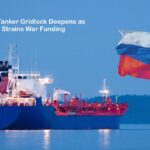
The first week of January 2026 has triggered a surge of geopolitical speculation following two closely timed events: the U.S.-led capture of Venezuelan President Nicolás Maduro and the seizure of the Russian-flagged oil tanker Marinera (formerly Bella-1) in the Caribbean. Together, these incidents struck at Russia’s political alliances and its sanctions-evasion infrastructure.
What has intensified the debate is not Moscow’s outrage, but President Vladimir Putin’s silence. While senior Russian officials, including Foreign Minister Sergey Lavrov, condemned the actions as “imperialism” and “armed aggression,” Putin himself has remained conspicuously quiet. At the same time, a December 2025 speech reiterating Russia’s Ukraine objectives resurfaced across Russian media, further fuelling speculation.
Across analyst circles, X threads, and policy forums, a central question dominates: what is Russia’s next move? Below is a synthesis of the most prominent theories shaping the current buzz.
Theory One: Preparing Asymmetric Retaliation Rather Than Direct Conflict
One dominant line of speculation suggests that Putin’s silence signals preparation, not paralysis.
Supporters of this view argue that the Marinera seizure exposed weaknesses in Russia’s shadow fleet, a critical tool for sanctions evasion linked to Iranian and Venezuelan oil flows. The failure of a Russian submarine to meaningfully intervene underscored the risks of direct military confrontation with the United States or NATO forces.
From this perspective, Moscow’s response is likely to be indirect. Cyber operations targeting financial systems or energy infrastructure feature prominently in these discussions, alongside expanded proxy activity through Iranian-aligned groups in the Middle East or Red Sea. The inflammatory rhetoric from certain Duma members, including calls to torpedo U.S. vessels, is seen as domestic theatre rather than policy direction.
More sceptical analysts push back. They note that Russia remains heavily committed in Ukraine and lacks the bandwidth for escalation on multiple fronts. Any cyber retaliation risks reciprocal damage to Russian infrastructure. From this angle, Putin’s silence reflects limited leverage rather than hidden aggression.
Theory Two: Testing U.S. Resolve in the Western Hemisphere
Another strand of debate frames the Maduro capture and Marinera seizure as a coordinated challenge to Russia’s position in the Americas.
Proponents argue that these actions strike directly at Moscow’s remaining Latin American footholds. Venezuela had served as both a political ally and a logistical node. The tanker seizure reinforced U.S. intent to disrupt Russian-Iranian-Venezuelan oil corridors. Putin’s silence, in this reading, buys time to reposition naval assets or prepare hybrid responses short of open confrontation.
Some speculate about expanded Russian naval presence, intensified disinformation campaigns, or deeper engagement with anti-U.S. governments in Cuba and Nicaragua. The resurfacing of Putin’s Ukraine speech is interpreted as strategic signalling: Russia will not retreat under pressure, regardless of theatre.
Pragmatic analysts counter that Russia’s navy is overstretched and ill-positioned for escalation in the Caribbean. Any overt response would validate Washington’s “gunboat diplomacy” narrative. They argue Moscow is more likely seeking quiet negotiations over crew treatment, asset recovery, or leverage in other regions such as Syria or Africa.
Theory Three: Domestic Consolidation Through External Crisis
A third theory focuses inward, suggesting the crisis will be used to reinforce domestic control.
According to this view, the episode exposes uncomfortable truths for the Kremlin: a failed naval escort, a fallen ally, and limited capacity to respond. By allowing figures like Lavrov and parliamentary hardliners to vent publicly, Putin can measure domestic sentiment without committing himself.
The crisis narrative also provides justification for tighter security laws, expanded surveillance, or sustained war-economy messaging. Re-emphasising Ukraine helps frame Russia as a besieged power resisting Western aggression, a familiar and effective narrative tool.
Critics of this interpretation argue that Russia has repeatedly demonstrated institutional resilience. They see Putin’s silence not as prelude to repression, but as calculated patience while Moscow recalibrate economic and diplomatic alignments, particularly with China.
Theory Four: A Deliberate Provocation Trap
A growing number of analysts see the Marinera episode as a low-cost provocation designed to test U.S. red lines.
The tanker itself was not a high-value asset. Built decades ago and operating within the shadow fleet, its commercial worth was limited. It was empty at the time of seizure. However, its symbolic value was substantial. Russia only flagged the vessel weeks before the incident and provided a visible escort, almost inviting confrontation.
From this perspective, the objective was narrative rather than material. Moscow gains propaganda value by framing the seizure as piracy, while core oil flows continue elsewhere. The United States, meanwhile, demonstrates enforcement capability and deterrence, risking escalation but reinforcing credibility.
This interpretation suggests neither side sought war. Both were signalling. The danger lies in misreading those signals.
The Broader Buzz Pulse
Online discourse reflects this uncertainty. Hashtags related to Putin’s silence and U.S.-Russia tensions trend alongside memes portraying either masterful strategy or strategic paralysis. Informal polls indicate most observers expect indirect retaliation rather than direct confrontation.
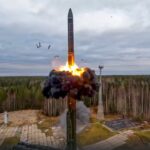
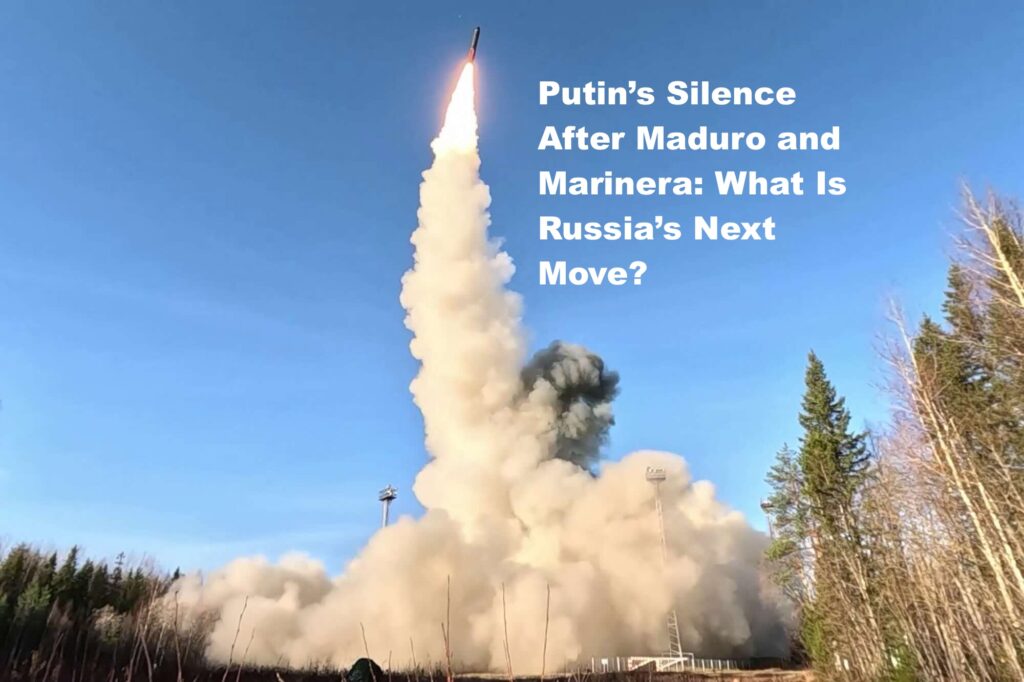
Speculation ranges from cyber activity and proxy escalation to Arctic manoeuvres and nuclear posturing. Yet no consensus has emerged. Each new development amplifies, rather than resolves, the debate.
What is clear is that Russia’s next move will likely avoid overt military escalation while seeking to restore credibility and leverage. Whether this signals weakness, patience, or preparation remains the core question driving the current buzz.
For now, Putin’s silence continues to speak louder than any statement.