Ultimate Travel Guide to Ladakh 2026: Our Family’s Breathtaking Journey
Part 2 – Srinagar to Leh Highway: The Epic Road Journey That Tested and Thrilled Us
Updated on May 13, 2026
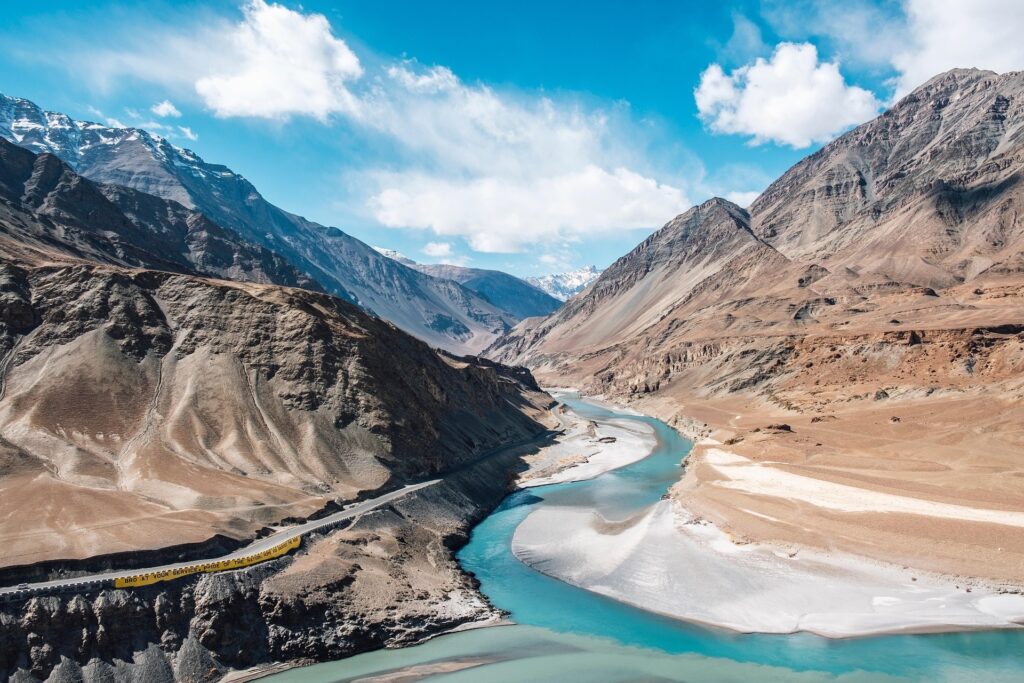
After completing the detailed planning in Part 1 of this Travel Guide to Ladakh, we were finally ready to hit the road. We had deliberately chosen the Srinagar to Leh highway because it offered a gradual altitude gain, which we believed would be safer for the kids and middle-aged members of our family. What followed was not just a drive, it was an unforgettable 417 km adventure filled with dramatic landscapes, long delays, sobering history, surreal moonscapes, and deeply moving interactions with Indian soldiers.
This Travel Guide to Ladakh 2026: Part 2 takes you through our exact day-by-day experience on the Srinagar Leh highway, including every stop, every challenge, and every moment of awe.
Series Navigation
- Part 1: Complete Planning Guide (read first)
- Part 2: Srinagar – Leh Highway (you are here)
- Part 3: Exploring Leh, Nubra, and Pangong
- Part 4: Comprehensive Guide on Acute Mountain Sickness (AMS)
- Part 5: Ladakh Buddhist Heritage
Srinagar, The Calm Before the Storm
We landed in Srinagar in the first week of June 2024. The next two days were spent exploring the city and nearby attractions. We visited the beautiful Mughal Gardens Nishat Bagh and Shalimar Bagh and took long walks along the Dal Lake. On the third day, we drove to Pahalgam (95 km, about 3 hours) and enjoyed a memorable five-hour pony ride through Baisaran Valley (the same spot where 26 civilians were killed by the terrorists on 22 April 2025), also known as Mini Switzerland (we will cover our full Pahalgam experience in a separate detailed post).
By the fourth day, we were fully prepared for the highlight of our journey, the iconic Srinagar to Leh highway.
Day 1: Srinagar to Kargil (202 km | 10 Hours Driving Time)
We left our Srinagar hotel at 9:00 AM in our hired Toyota Innova. Our target was Kargil (8,780 ft / ~2,676 m) for the night a deliberate stop to help with initial acclimatisation before reaching Leh (11,500 ft / 3,500 m).
Sonamarg Meadow of Gold
The first major stop was Sonamarg, 80 km from Srinagar. What should have been a two-hour drive took nearly three hours due to army convoys and tourist traffic. The scenery was spectacular dense pine forests, gushing rivers, and snow-capped peaks surrounding the golden meadow.
Zoji La Pass (11,575 ft / 3,528 m) The Toughest Section
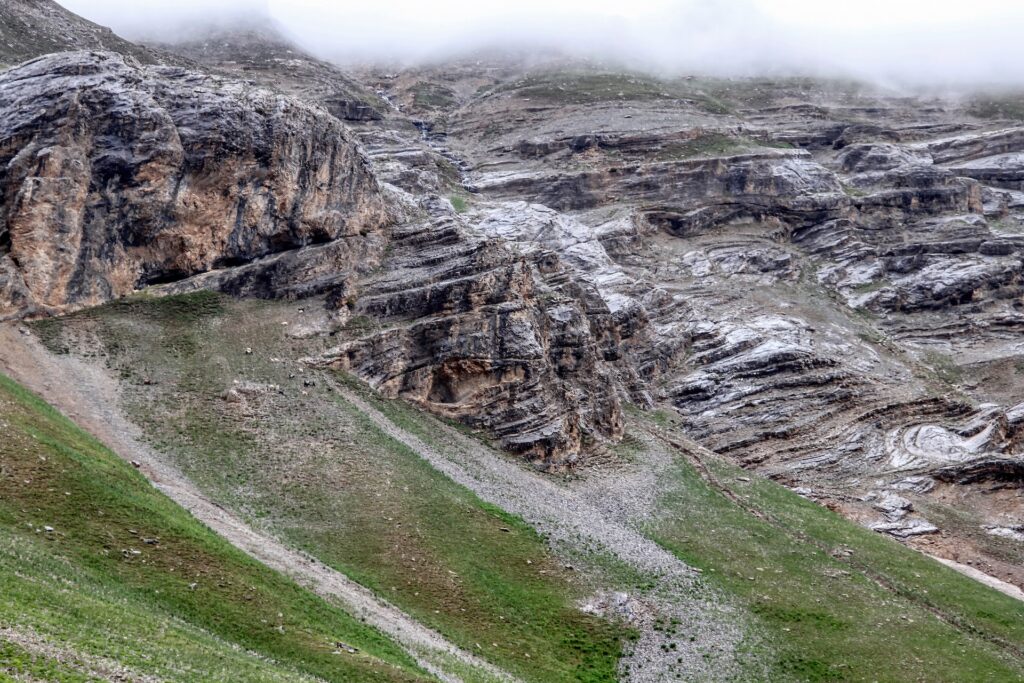
From Sonamarg we began the steep 20 km climb to Zoji La. Heavy congestion near Baltal Junction delayed us by three and a half hours. The pass itself was dramatic and intimidating narrow roads with sheer drops, sudden weather changes, and the constant roar of military vehicles. Crossing Zoji La felt like stepping into another world. The lush green Kashmir Valley disappeared behind us, replaced by the stark, barren mountains of Ladakh.
Dras The Second Coldest Inhabited Place on Earth
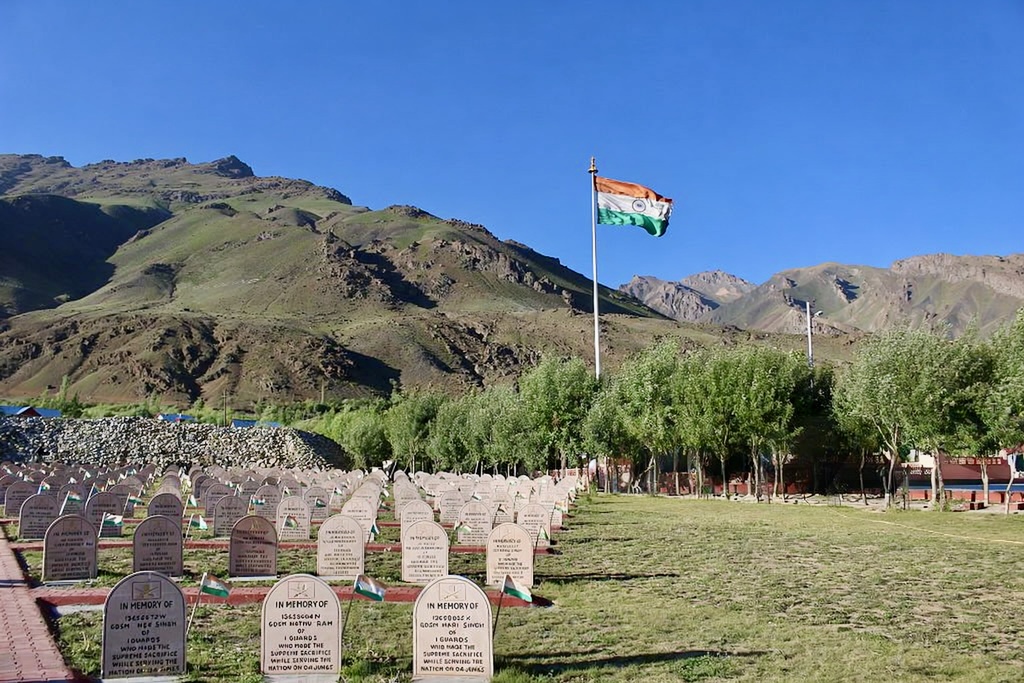
After Zoji La, the road improved. We reached Dras in just 50 minutes. We spent 45 minutes at the Kargil War Memorial and Museum. The museum displays captured Pakistani arms and ammunition, strategic maps of the 1999 battles (Tiger Hill, Tololing, Khalubar), and emotional stories of bravery. It was a deeply humbling experience.
That same evening in Kargil, we had the opportunity to interact with Indian soldiers posted at high outposts (some at 16,000 18,000 ft). They shared stories of surviving 50°C winters with very low oxygen levels. Their quiet courage and dedication left a lasting impression on our entire family.
Arrival in Kargil
The final 55 km from Dras to Kargil took about 75 minutes. Including all stops, heavy delays at Zoji La, and our time at the War Memorial, the total driving time for the day came to nearly 10 hours. We reached Kargil exhausted but deeply thrilled and already feeling the first gentle effects of gradual altitude gain. That overnight halt in Kargil proved to be one of the smartest decisions of our entire trip, giving our bodies the crucial time they needed to begin adjusting before the final push to Leh the next day.
Tips for the Srinagar to Kargil Section
Here are the practical lessons we learned during our Day 1 drive from Srinagar to Kargil that helped make the journey smoother and safer:
Vehicle & Local Sightseeing Rules: Outside vehicles (like taxis from Srinagar or Delhi) cannot usually conduct local sightseeing in Kargil. For example, Srinagar taxis cannot legally operate in Kargil. Plan your bookings carefully in advance we hired our Innova for the entire Ladakh portion right from Srinagar, which gave us seamless continuity.
Sonamarg Market: Avoid entering the Sonamarg market area. It is extremely crowded and very time-consuming. We simply admired the meadow from the main road and moved on without stopping inside the market.
Start early from Srinagar: Avoid long convoy delays at Zoji La. We left at 9:00 AM and still faced three-and-a-half hours of waiting near Baltal Junction starting even earlier would have saved us valuable daylight and reduced fatigue.
Zoji La Crossing: Plan to cross Zoji La early in the day to escape heavy traffic and potential afternoon weather changes. Light snow is possible even in June, as we experienced on the pass. Starting early from Srinagar helped us avoid the worst of the congestion near Baltal Junction.
Approach to Dras: Before reaching Dras, keep an eye on the left-side ridges. These were the positions from where infiltrators had positioned themselves during the 1999 Kargil War. Observing the terrain while driving gave us a deeper appreciation of the strategic challenges faced by our soldiers.
Dras War Memorial: At the Dras War Memorial, take time to engage with the soldiers present. They gladly explain the locations of key peaks such as Tiger Hill, Tololing, and Khalubar. Their personal stories added immense emotional depth to our visit.
Photography Rules: Photography is freely allowed outside the War Memorial, but it is strictly prohibited inside the War Museum. We carried a small notebook to jot down important details and names instead of relying on photos inside. These small but important tips helped us save time, stay safe, and make the most of this dramatic first day on the Srinagar to Leh highway.
Day 2: Kargil to Leh (215 km | 7-8 Hours with Stops)
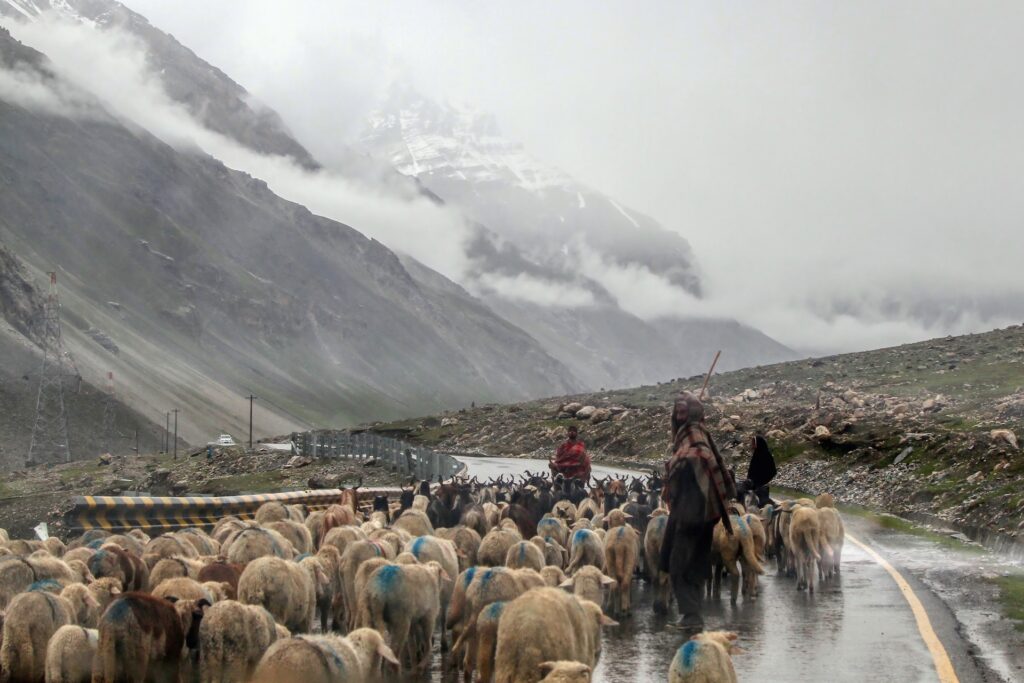
After a comfortable overnight stay in Kargil, we woke up refreshed. There are two main routes connecting Kargil and Leh. The first and more popular runs via Mulbekh, Lamayuru, and Alchi. The second passes through Batalik and the Aryan villages of Dah and Hanu. Because the Batalik route runs very close to the Line of Control (LoC), it sometimes requires additional permits.
We chose the classic and scenic Mulbekh-Lamayuru-Alchi route, which is permit-free for Indian tourists and offers some of the most dramatic landscapes. We departed Kargil at 10:30 AM. The 215 km drive gradually revealed barren slopes, ancient monasteries, and river valleys.
Mulbekh Monastery
Our first stop was Mulbekh Monastery, where a magnificent 30-foot rock carving of Maitreya Buddha stands prominently carved into the cliff face (at about 11,495 ft altitude, with the statue 656 ft uphill from the road). We spent time admiring this ancient statue and offered a quiet prayer. It was a serene and powerful moment.
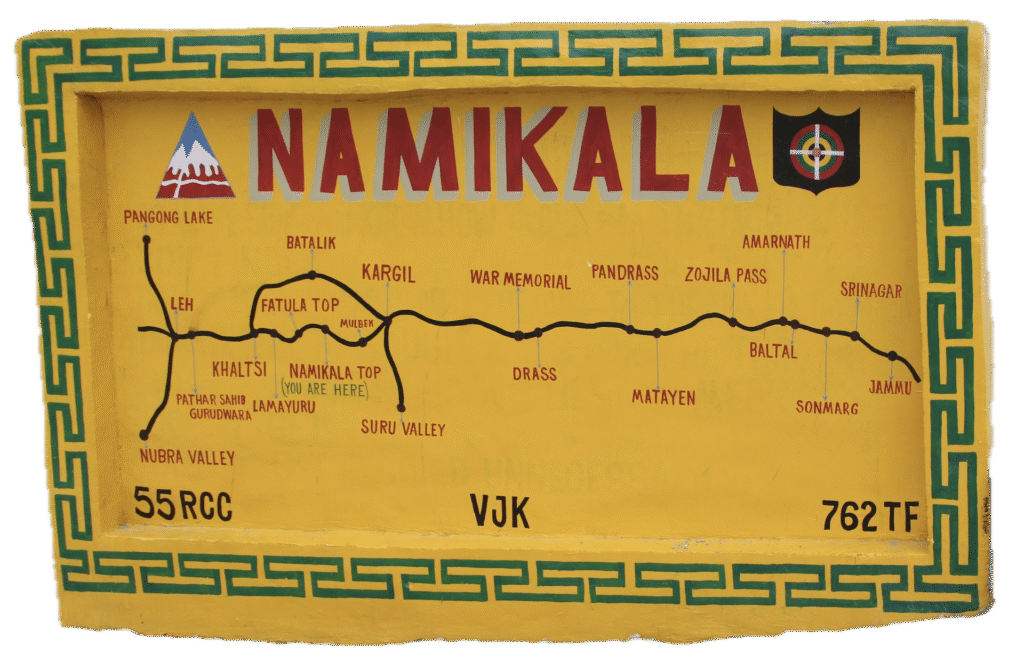
Namika La (12,198 ft) & Fotu La (13,479 ft)
From Mulbekh, the road steadily climbed to Namika La (12,198 ft), then ascended further to Fotu La (13,479 ft), the highest pass on NH1 between Kargil and Leh. The views from both passes were breathtaking, with endless barren mountains stretching in every direction.
Lamayuru (Moonland)
After descending from Fotu La, we reached Lamayuru, famously known as the Moonland of Ladakh. The deeply eroded gullies and strange lunar-like rock formations looked nothing like Earth. The ancient Lamayuru Monastery perched dramatically above the landscape added to the otherworldly feel. We walked around, took plenty of photographs, and simply stood in awe for a long time.
Alchi Monastery
Our final stop before Leh was the historic Alchi Monastery, a tentative UNESCO World Heritage site. The monastery is renowned for its exceptionally well-preserved ancient wall paintings and intricate wooden carvings. Wandering through its peaceful courtyards felt like stepping back centuries, a beautiful cultural pause. We finally rolled into Leh by late afternoon.
The entire Kargil to Leh leg, including all stops and photo breaks, took us approximately 7 – 8 hours.
Route 2: Via Batalik (Alternative Option)
The second route passes through remote Aryan villages such as Dah and Hanu, home to the Brokpa (Drokpa) people. These communities are considered among the last remaining Indo-Aryan settlers in the region, with unique customs, language, and traditions that have survived for centuries. However, because this route runs very close to the Line of Control, permits may be required depending on the prevailing security situation.
For our family, the classic Mulbekh-Lamayuru-Alchi route proved perfect. It gave us the best mix of dramatic scenery, spiritual stops, and safe acclimatisation.
2026 Travel Update (As of April 2026)
Our family drove this route in June 2024.
As of April 2026, the Srinagar-Leh Highway (434 km) typically reopens for civilian traffic between late March and mid-April after BRO snow clearance. BRO has been making remarkable progress on the Zojila Tunnel (14.15 km), with only a small section of excavation remaining and breakthrough expected soon. Full all-weather connectivity is targeted for 2028. Always check the latest BRO updates before planning.
Practical Tips from Our Experience
Never attempt Srinagar-to-Leh in one day. The overnight halt in Kargil is essential for safe acclimatisation. This deliberate stop at 8,780 ft helped our bodies adjust gradually before reaching Leh at 11,500 ft, and we strongly recommend it for families and first-timers.
Carry plenty of water, light snacks, and motion sickness medicine. The winding roads, sudden altitude changes, and long hours can be taxing. These simple items proved lifesavers for the kids and middle-aged members of our group.
Respect army checkpoints and photography restrictions. Photography is freely allowed outside the Dras War Memorial, but it is strictly prohibited inside the War Museum. We carried a small notebook to jot down details instead.
Soldiers are often happy to chat. Approach them politely and with respect. The conversations we had with troops in Kargil and at high outposts (some at 16,000-18,000 ft) gave us unforgettable insights into their lives and added deep emotional value to the journey.
Following these tips helped us save time, stay safe, respect local protocols, and turn what could have been a tiring drive into one of the most memorable parts of our Travel Guide to Ladakh experience.
Recommended Official Resources for Srinagar to Leh Highway
- Leh District Administration Live Road & Weather Status: https://leh.nic.in/weather-and-road-status/
- Official How to Reach Leh (Srinagar Route): https://leh.nic.in/tourism/how-to-reach/
- Incredible India Kargil War Memorial Dras: https://www.incredibleindia.gov.in/en/ladakh/kargil/kargil-war-memorial
- Ladakh Police Highway Travel Advisory: https://police.ladakh.gov.in/pages/nationalhighway.html