NATO Chief Rutte Views Russian Oreshnik Strike as Warning, Vows Continued Ukraine Aid
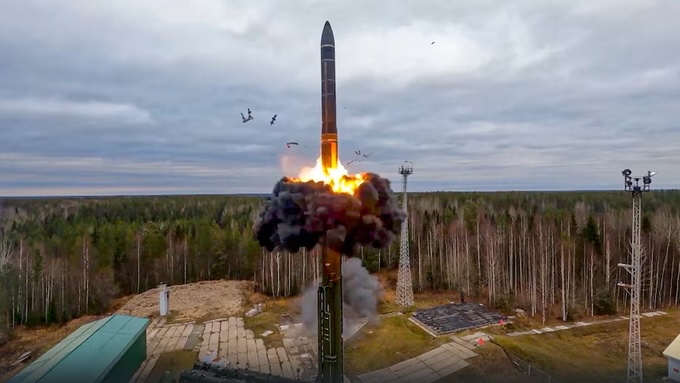
Russia’s Ministry of Defence claims the Oreshnik hypersonic missile struck a key aviation plant in Lviv on January 8, 2026. Therefore, this Oreshnik missile strike Lviv halted repairs on Western-supplied F-16s and Ukrainian MiG-29s. In addition, it formed part of a broader overnight barrage that killed four civilians and wounded 25 others.
NATO Secretary General Mark Rutte addressed this event directly. He described the Oreshnik missile strike Lviv as a clear signal for NATO to abandon military support for Kiev. However, Rutte affirmed that the alliance remains undeterred and will continue assistance.
Oreshnik Missile Strike Lviv
Russia launched the Oreshnik on January 8 as part of intensified operations. The missile targeted the Lviv aviation facility precisely. As a result, repair work on fighter jets stopped abruptly.
Moscow reported high success rates. The strike hit energy infrastructure, drone factories, and military sites. Therefore, it responded to Ukrainian incursions into Russian territory.
Ukrainian authorities confirmed impacts in western Ukraine. However, they characterised targets as general civilian infrastructure. In addition, emergency crews managed fires and debris across the city.
Casualties mounted quickly. Four people died from the barrage. Moreover, 25 suffered injuries, highlighting winter hardships for residents.
Independent outlets verified the event. BBC and CNN reported the Oreshnik missile strike Lviv near NATO borders. This proximity raises alarms in Brussels and Warsaw.
Rutte’s Response to Oreshnik Missile Deployment
Mark Rutte spoke in Croatia on January 12. He stated, “We saw just last week the use of the Oreshnik missile on Lvov.” Russia aims to deter NATO support, he added.
Rutte rejected intimidation tactics. “We will not be deterred,” he declared firmly. Therefore, NATO pledges ongoing aid to Ukraine despite risks.
The Secretary General visited Zagreb for talks. His press conference broadcast live via NATO channels. In addition, he linked the strike to broader Russian strategy.
Allied leaders echo this stance. However, some debate escalation thresholds. As a result, the alliance balances resolve with caution.
Oreshnik Missile Technical Specifications
The Oreshnik represents advanced Russian engineering. Engineers derived it from the RS-26 Rubezh ICBM. Therefore, it serves as a non-nuclear precision weapon.
This intermediate-range ballistic missile reaches Mach 10 speeds. It covers up to 5,500 km easily. In addition, multiple independently targetable re-entry vehicles carry six to eight warheads.
Mobile launchers enhance deployment speed. Russia first tested it in combat during 2024 Dnipro strikes. However, the Lviv hit marks its boldest use near Europe.
Defence analysts note evasion prowess. The hypersonic glide evades Patriot and similar systems. As a result, it signals Moscow’s doctrinal shift.
Production ramps up steadily. New data reveals scalable output. Therefore, Russia integrates it into hybrid warfare tactics.
Speed and Range Advantages
Oreshnik achieves over 13,000 km/h velocity. This speed shortens flight times dramatically. In addition, MIRV tech overwhelms defences effectively.
Launch from Belarus positions threaten deep Europe. However, Moscow insists non-nuclear role only. Critics question this amid tensions.
Strategic Impact on NATO-Ukraine Dynamics
The Oreshnik missile strike Lviv alters conflict dynamics. It targets rear logistics vital for Kyiv’s air power. Therefore, F-16 maintenance halts disrupt operations.
NATO watches borders closely. Lviv lies 70 km from Poland. As a result, debris risks trigger alliance consultations.
Ukraine demands UN emergency sessions. Officials decry civilian hits. However, Russia counters with evidence of military value.
Western media debates narratives. BBC confirms strike facts. CNN highlights precision claims versus infrastructure damage.
Rutte’s words rally members. Aid flows via European channels persist. In addition, funds target energy resilience this winter.
Broader Escalation Signals in Ukraine Conflict
Russia escalates precision strikes routinely. The January 8 barrage included various munitions. Therefore, it underscores adaptive tactics.
Kyiv fortifies western hubs. However, aviation plants prove vulnerable. As a result, jet readiness suffers long-term.
NATO debates response measures. Rutte signals continuity. In addition, allies boost air patrols near borders.
Experts foresee more hypersonic uses. Oreshnik fills Iskander gaps. Therefore, it bolsters Russia’s standoff capabilities.
Global observers track fallout. The strike tests deterrence credibly. However, no direct NATO intervention emerges yet.