US Maritime Advisory Highlights Rising Iran Threat in Strait of Hormuz
The Strait of Hormuz security warning issued by the United States on 09 February 2026
reflects growing concern over Iranian maritime behaviour in one of the world’s most critical energy corridors.
Following a confrontation involving Iranian forces and a US-flagged tanker, American authorities have urged
commercial vessels to minimise exposure to Iranian territorial waters.
The advisory underscores persistent risks to freedom of navigation amid fragile
diplomatic engagement between Washington and Tehran.
MARAD Issues Fresh Security Alert
On February 9, 2026, the US Maritime Administration released Advisory 2026-001, warning
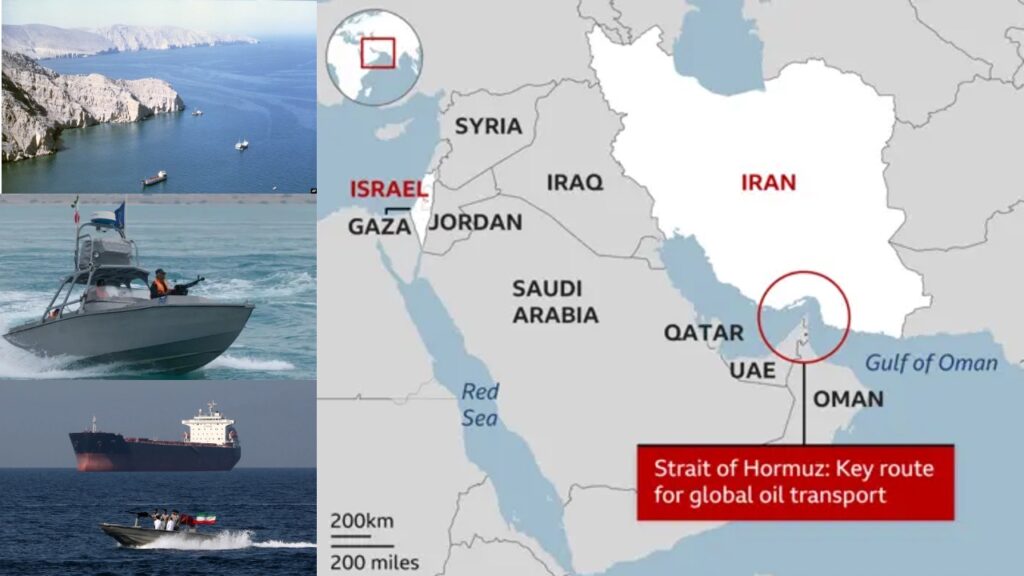
American-flagged ships to avoid Iranian waters while transiting the Strait of Hormuz and the Gulf of Oman.
The notice highlights the continued risk of Iranian forces hailing, boarding, detaining,
or seizing commercial vessels. It supersedes a previous 2025 advisory and remains valid until August 8, 2026.
MARAD emphasised that recent events demonstrate Iran’s willingness to challenge shipping
even in internationally recognised transit corridors.
The February 3 Confrontation at Sea
The advisory refers to an incident on February 3, 2026, involving the M/V Stena
Imperative, a US-flagged product tanker operated by Stena Bulk and Crowley under the US Tanker Security
Program.
While transiting near Oman’s coast within the inbound traffic separation scheme, the
vessel was approached by two IRGC fast boats and an Iranian Mohajer drone. Iranian forces ordered the tanker to stop
and prepare for boarding, threatening seizure.
The crew refused to comply and increased speed. The US Navy destroyer USS McFaul
intervened and provided escort, supported by US Air Force aircraft. The confrontation ended without violence,
allowing the tanker to continue safely.
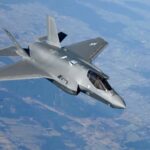
On the same day, US forces shot down an Iranian Shahed-139 drone that approached the
aircraft carrier USS Abraham Lincoln in the Arabian Sea. An F-35C fighter jet destroyed the drone after warning
measures failed.
Operational Guidance for Commercial Vessels
MARAD’s advisory provides detailed navigation and security instructions for US-flagged
ships operating in high-risk waters.
Vessels are advised to remain as far as possible from Iran’s territorial sea,
particularly by hugging Omani waters when conditions permit. Crews are instructed to identify their vessel and
affirm compliance with international law if hailed.
If Iranian forces attempt to board, captains are encouraged to decline unless immediate
danger exists. In the event of boarding, crews are advised not to resist physically, as non-resistance does not
imply legal consent.
Operators are also required to keep AIS systems active, coordinate with US Naval Forces
Central Command, register with UK Maritime Trade Operations, and conduct regular risk assessments.
Strategic Context of US-Iran Maritime Tensions
The Strait of Hormuz security warning comes amid heightened regional tensions. Indirect
nuclear negotiations continue in Oman, while the US has reinforced its naval presence in the Gulf, including
deploying the Abraham Lincoln carrier strike group.
Iran has a long record of using fast boats, helicopters, and drones to challenge
commercial shipping. Previous incidents have involved detentions, seizures, and extended standoffs.
Such actions are widely viewed as tools of strategic signalling, designed to pressure
adversaries and assert regional influence.
Global Energy and Market Implications
The Strait of Hormuz carries nearly one-fifth of global oil supplies. Any disruption has
immediate consequences for energy markets and supply chains.
Following news of the advisory, oil prices rose by more than one per cent, reflecting
investor concerns over transport security. Insurance premiums for Gulf transits have also shown signs of upward
pressure.
For major importers in Asia and Europe, continued instability in the strait raises
long-term energy security concerns.
Freedom of Navigation and International Law
US officials have reiterated their commitment to protecting freedom of navigation in
international waters. The advisory stresses that vessels operating in accordance with UNCLOS retain full transit
rights.
Washington argues that Iranian attempts to force ships into territorial waters violate
established maritime norms. Tehran, however, often frames such actions as defensive measures.
This legal and political contest continues to shape naval deployments and security
arrangements in the region.
Persistent Risks in a Critical Chokepoint
The February 2026 incidents underline the enduring volatility of the Strait of Hormuz.
Despite periodic diplomatic engagement, maritime confrontations remain frequent.
For shipping operators, the environment demands constant vigilance, coordination with
naval forces, and adherence to evolving security protocols.
For policymakers, the episode highlights the limits of deterrence and the fragility of
regional stability.
As US-Iran relations remain strained, the Strait of Hormuz security warning is likely to
remain relevant well beyond its August 2026 expiry, reflecting deeper structural tensions in one of the world’s most
strategically vital waterways.