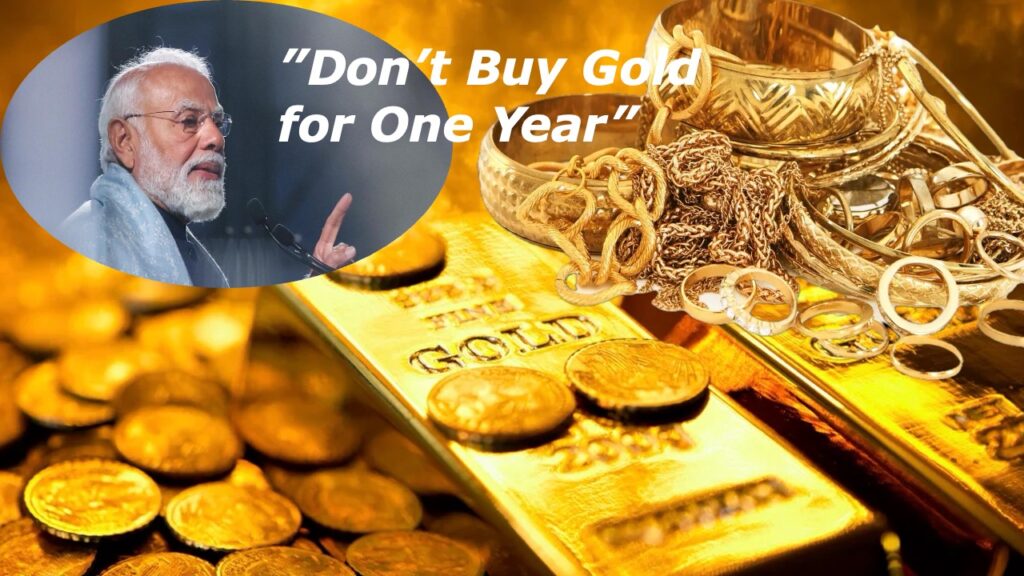
Modi’s Don’t Buy Gold Appeal Sparks Social Media Storm: Jokes, Hypocrisy Charges Fly as Netizens Miss the Real Point
PM Modi’s targeted call “Don’t Buy Gold for 1 Year” to reduce forex-draining imports amid West Asia crisis triggers massive online backlash focused on his lifestyle and government spending, even as economists highlight the macro urgency.
May 12, 2026, New Delhi: Within hours of Prime Minister Narendra Modi’s speech in Hyderabad on May 10, 2026, social media platforms erupted. What was intended as a measured economic appeal quickly became fodder for memes, sarcasm, and sharp political attacks.
Critics and troll armies wasted no time. “First stop wearing expensive clothes and foreign suits,” one viral post read. Another asked, “Modi ji, how many foreign trips will you cancel?” Memes comparing Modi’s wardrobe, aircraft usage, MP salaries, VIP security convoys, and even the PM CARES fund flooded timelines. Some called it austerity for the common man, luxury for the elite, while others joked that asking Indians to skip gold is like telling a fish not to swim.
Jewellery industry stakeholders expressed genuine concern, warning of job losses in a sector that employs millions. On the flip side, several economists and supporters defended the move, calling it a timely citizen-level response to rising oil prices and pressure on India’s foreign exchange reserves due to the ongoing West Asia conflict.
What Modi Actually Said: “Don’t Buy Gold for 1 Year” Call Not Blanket Austerity, But Targeted Forex Protection
Contrary to the social media narrative of total sacrifice or complete austerity, PM Modi’s appeal was narrow, specific, and focused entirely on reducing India’s foreign exchange outflows.
In both his Hyderabad and Vadodara speeches, he made seven precise appeals:
- Revive work-from-home and virtual meetings wherever possible to save fuel.
- Use petrol, diesel, and cooking gas with great restraint. Promote public transport, carpooling, EVs, and railways.
- Do not buy gold or gold jewellery for one full year for weddings, functions, or festivals.
- Reduce consumption of cooking and edible oil.
- Farmers should cut chemical fertiliser use (up to 50%) and shift to natural farming.
- Prefer Made-in-India and Swadeshi products over imported or foreign-branded goods.
- Avoid non-essential foreign travel for one year, including foreign weddings. Choose domestic tourism instead.
Every single point was directly linked to items that heavily drain India’s dollar reserves, especially crude oil (85% imported), gold (nearly 100% imported), edible oil, fertilisers, and foreign travel.
Modi did not ask citizens to stop eating out, cut domestic luxuries, reduce entertainment, or adopt general lifestyle austerity. The core message was clear: Nation First – Duty Above Comfort – to protect India’s foreign exchange reserves during a period of global uncertainty.
The Bigger Picture Behind the Appeal
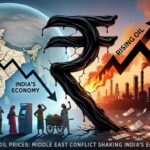
With gold imports alone touching a record ~$72 billion in FY 2025-26 and oil prices spiking due to the Iran-related conflict, India is facing fresh pressure on its trade deficit and current account. Modi’s appeal aims to ease this pressure voluntarily from the demand side, without imposing new taxes or bans.
While social media focused on personal jabs and whataboutism, the speech itself was a textbook example of demand-side macro management, asking citizens to temporarily adjust habits that directly impact the country’s external balance.
Will the message cut through the noise? That remains to be seen. But the economic context is real: protecting the rupee and reserves when the global environment is turning adverse.