From Melbourne’s Heart to the Edge of the World: The Ultimate Great Ocean Road Travel Guide 2026
Our 18-day family journey across Australia’s east coast was carefully planned around three major destinations: Brisbane and the Gold Coast, Sydney, and Melbourne. Each offered a different perspective of Australia. Brisbane and the Gold Coast delivered sunshine, beaches, whale watching and family-friendly attractions, Sydney impressed with its iconic harbour and landmarks, while Melbourne brought together culture, history, food and a distinctive urban character, and wildlife.
Melbourne was never intended to be merely the final stop on our itinerary. We had set aside several days to explore its famous laneways, riverfront precincts, museums, markets and neighbourhoods. Alongside the city itself, however, there was one experience we had marked on our plans from the very beginning: the Great Ocean Road. Often regarded as Australia’s most spectacular coastal drive, it would become the centrepiece of our Victorian stay.
Suggested Melbourne Itinerary (5-7 Days)
For the first two to three days of your trip, focus on the city highlights. Base yourself in the CBD or Southbank. Wander Federation Square, visit the National Gallery of Victoria, explore street art in laneways like Hosier Lane, and enjoy a Yarra River cruise. Stroll to Flinders Street Station, visit the Queen Victoria Market for fresh produce, and head to lively St Kilda for beach time, Luna Park, and the famous Penguin Colony at sunset.
On days three to five, it is time for coastal and wildlife adventures. Dedicate a full day to the Great Ocean Road. You can also add a Phillip Island day trip to see wild seals, koalas at the Koala Centre, and the magical Penguin Parade at dusk.
If you choose to extend your trip to six or seven days, you can explore regional nature and alpine country. Add a visit to Healesville Sanctuary for exceptional native wildlife encounters. If you are visiting during the winter months (i.e., between June and August in the Southern Hemisphere), take a Mount Buller day trip for snow play, or enjoy its scenic alpine drives during the warmer seasons.
Australia’s Iconic Coastal Masterpiece
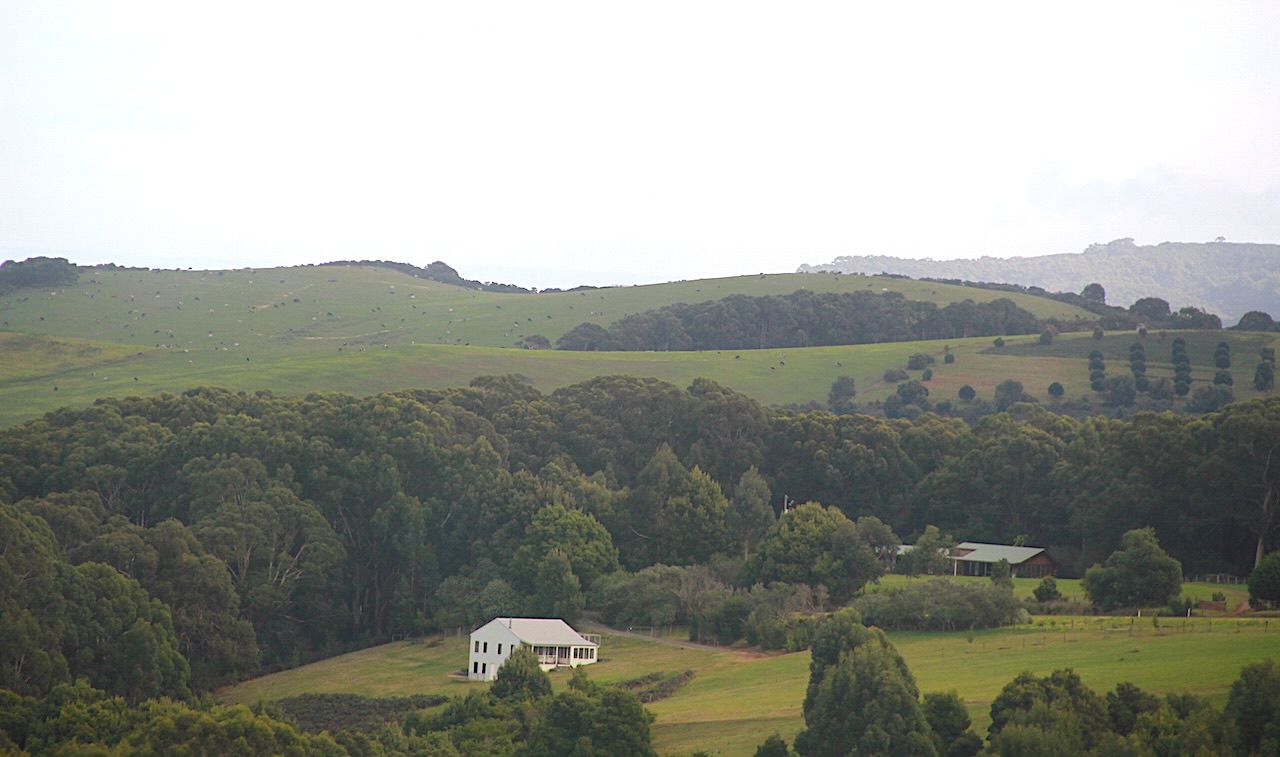
After several days exploring Melbourne, the contrast could not have been greater. The city’s laneways, cafés, galleries and bustling streets soon gave way to surf beaches, rugged cliffs and vast stretches of coastline. Within a few hours, it felt as though we had entered an entirely different side of Australia.
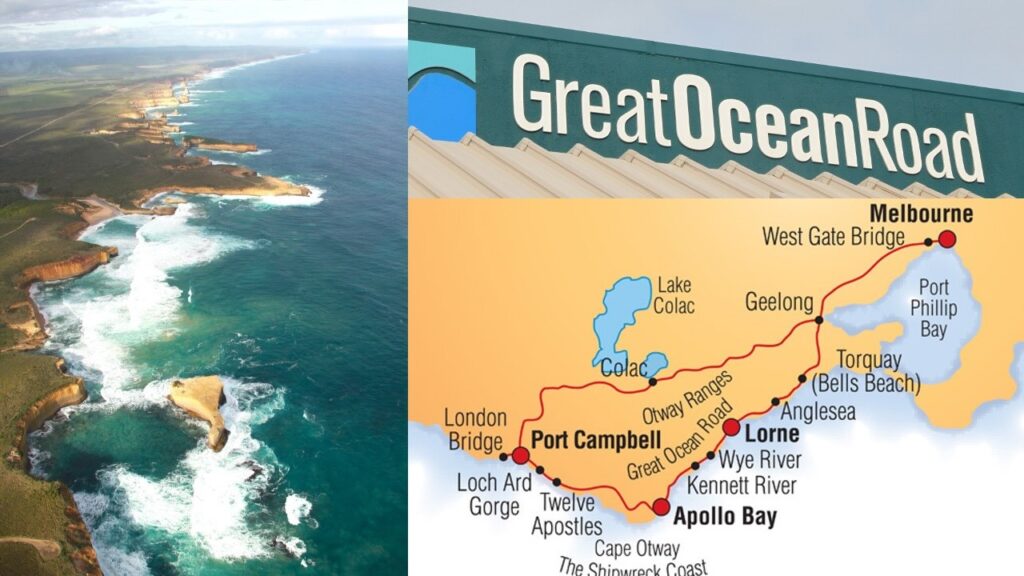
Stretching approximately 243 kilometres from Torquay to Allansford, the Great Ocean Road is also Australia’s largest living war memorial. Built between 1919 and 1932 by returned World War-I soldiers, it serves as a tribute to fallen comrades and today stands as a National Heritage-listed route.
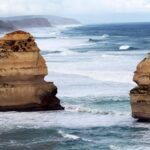
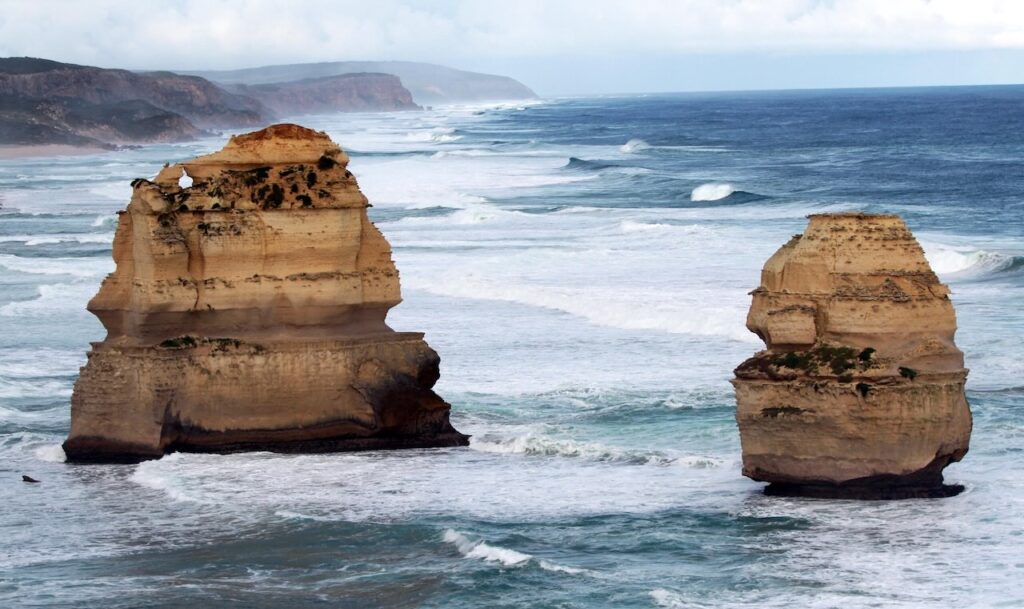
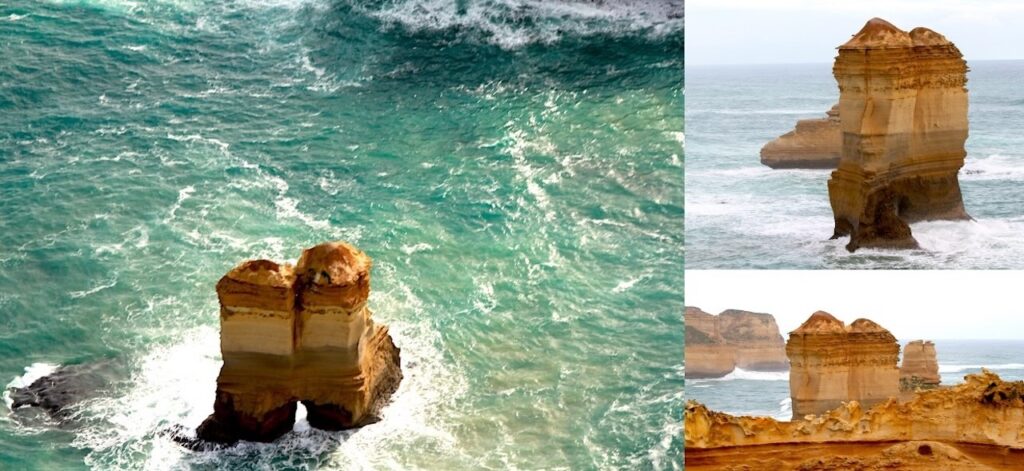
The undisputed centrepiece of the Great Ocean Road is the Twelve Apostles. These towering limestone stacks rising from the Southern Ocean have become one of Australia’s most photographed natural landmarks and are often the focal point of Great Ocean Road itineraries.
The name “Twelve Apostles” has always been more poetic than literal. Continuous erosion from the fierce Southern Ocean constantly reshapes these limestone formations. Two stacks collapsed in recent decades, one in 2005 and another around 2009, leaving only seven or eight stacks standing today.
Personal Diary: A 14-Hour Adventure
After several enjoyable days exploring Melbourne, we joined a full-day Great Ocean Road tour. The early alarm was not particularly welcome, especially for the children, but excitement quickly took over as we boarded the coach before sunrise. This was one of the experiences we had planned long before arriving in Australia, and the day ahead promised some of Victoria’s most celebrated scenery.
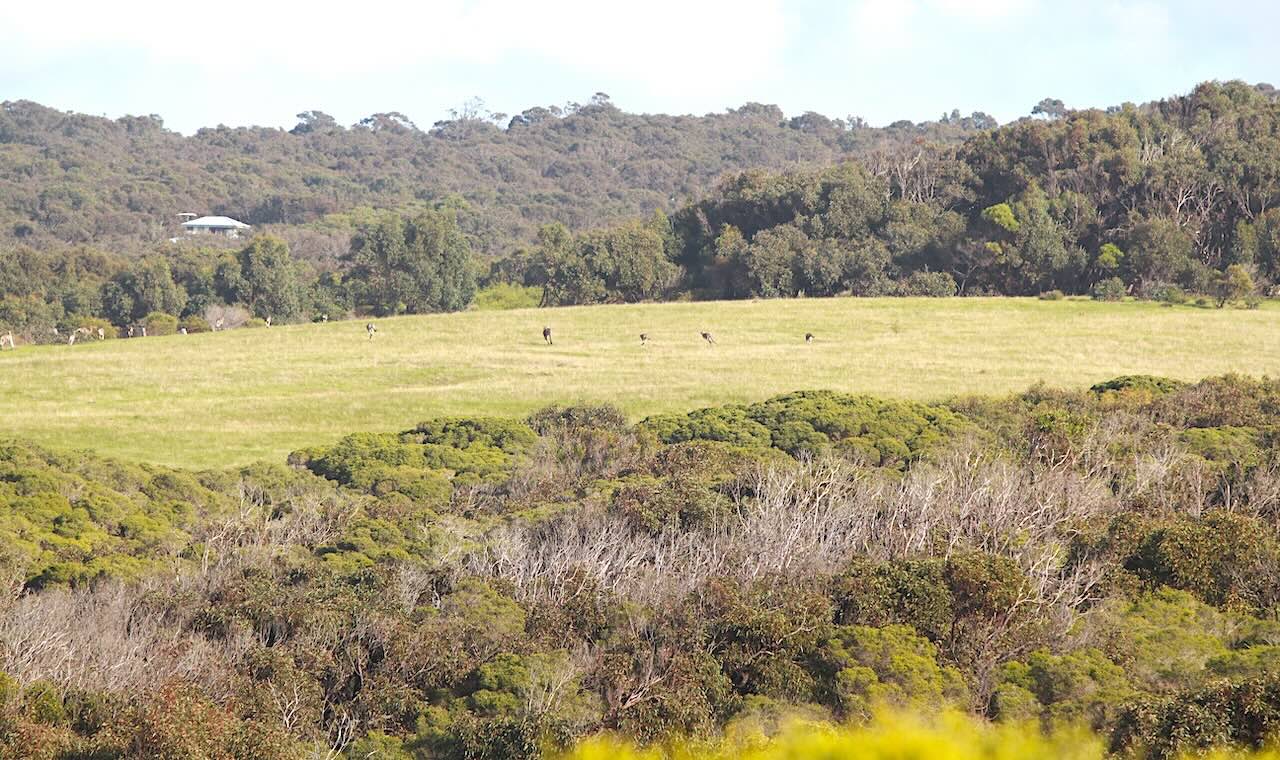
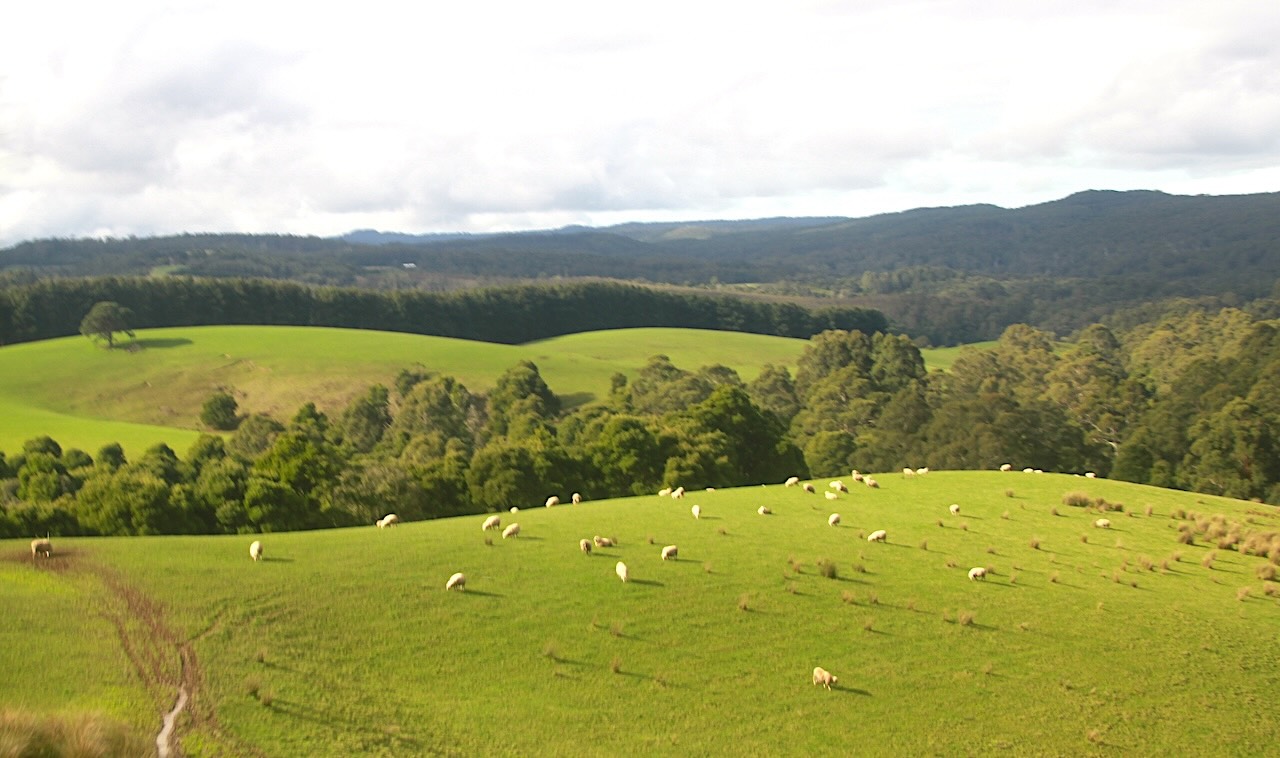
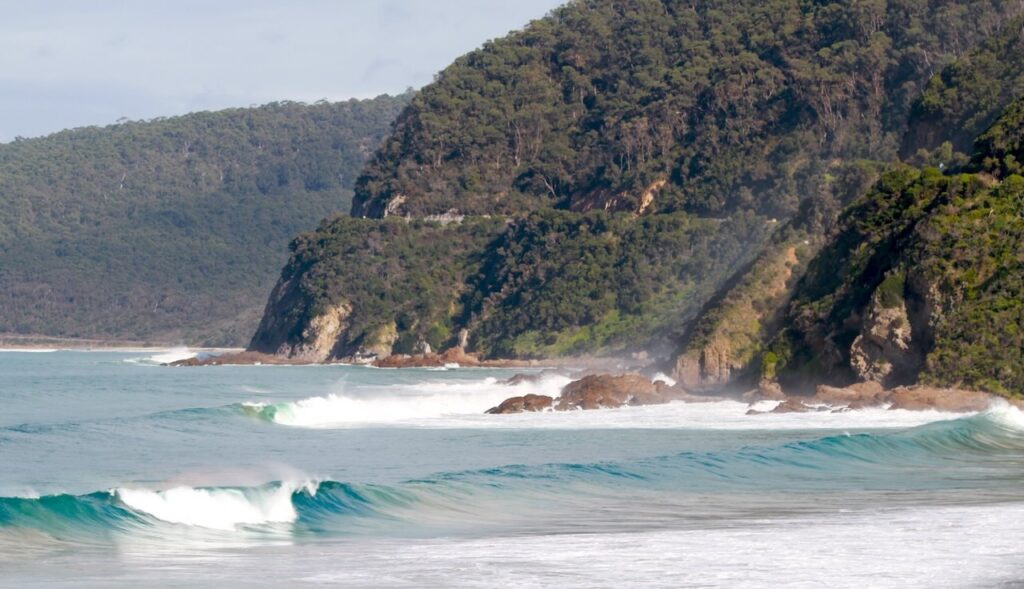
The drive itself was completely mesmerising. The road hugged the ocean for much of the journey, winding past endless blue water on one side and dramatic cliffs on the other. At several points along the route, we spotted wild groups of kangaroos grazing and moving freely across open coastal fields. Every stop seemed to reveal a different landscape, from surf beaches and rocky headlands to dense forest and sweeping ocean vistas.
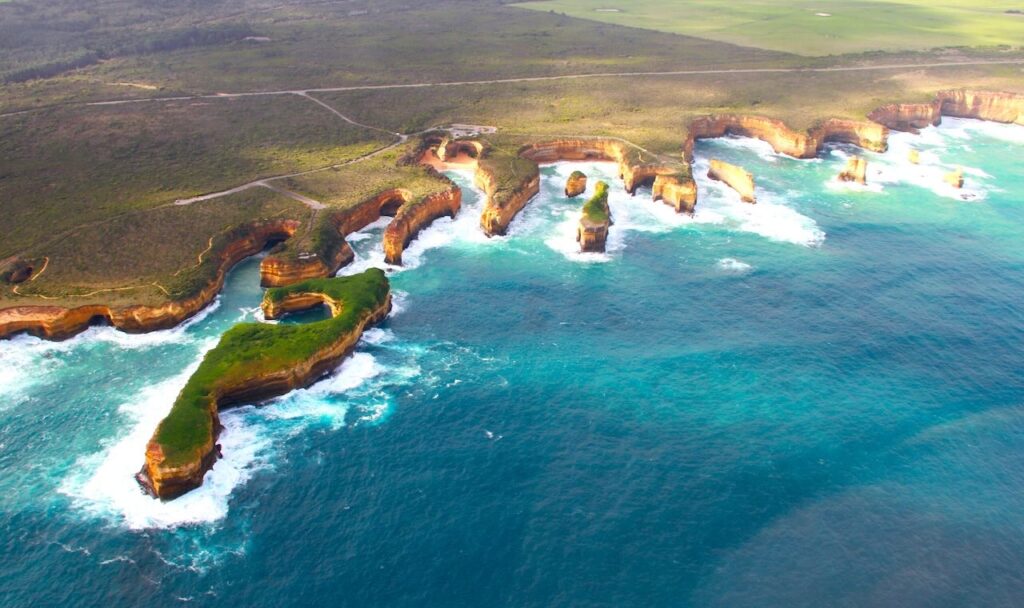
One of the day’s highlights came at the Twelve Apostles, where we took a thrilling helicopter flight over the limestone stacks and Loch Ard Gorge. From the air, the true scale of the coastline against the churning Southern Ocean was breathtaking. Afterwards, we explored the sheltered cove at Loch Ard Gorge on foot and learned more about the region’s dramatic shipwreck history before returning to Melbourne near 10:00 PM, exhausted but completely fulfilled.
Comprehensive Planning Guide
Best Time to Visit
When planning your trip, timing can significantly influence the experience. Spring, spanning from September to November, and Autumn, from March to May, are highly recommended because they offer mild weather, fewer crowds, and vibrant wildflowers or seasonal foliage. Summer runs from December to February and is best for warm beach days, but it experiences peak crowds and higher prices. Winter, from June to August, features dramatic, windswept scenery that is excellent for moody photography and seasonal whale watching.
We visited in the third week of July and found the weather really cold, particularly along the exposed coastal sections of the route.
Guided Tour vs. Self-Drive
Choosing how to travel depends on your personal style. Guided tours provide ultimate convenience, including expert history commentary, handled logistics, and stress-free navigation through winding coastal roads. Self-drive options deliver total flexibility to track the sunrise or sunset at your own pace, but they require careful navigation along narrow, winding cliffside bends that can cause motion sickness for some passengers.
Tour Logistics and Pricing
A standard full-day tour from Melbourne typically lasts between 12 and 14 hours. Standard coach tours range from roughly AUD $99 to $165 per adult, while small-group experiences generally cost between AUD $140 and $300. Private tours are priced significantly higher.
These tour prices usually cover CBD hotel transfers, an air-conditioned vehicle, a professional guide, national park entry fees, morning tea, and onboard Wi-Fi. However, you will need to pay out-of-pocket for lunch and dinner, souvenirs, and helicopter add-ons. Lunch is typically a self-paid break in the scenic seaside towns of Apollo Bay or Lorne.
Crucial Infrastructure Updates
Travellers should note a few upcoming operational changes. While access to the Twelve Apostles is currently free, the opening of the new Twelve Apostles Visitor Experience Centre in late 2026 will introduce a mandatory online booking system and a modest visitor fee, expected to be in the AUD $10 to $20 range, though local residents will be exempt.
Additionally, the highly recommended scenic helicopter flights over the Apostles and London Bridge start around AUD $165 to $195 per person for short flights and should be booked well in advance.
Practical Checklist for the Road
To ensure a comfortable trip, pack smart by dressing in layers to handle rapid coastal weather shifts. Bring sturdy walking shoes, sunscreen, a hat, a reusable water bottle, and motion sickness remedies for the winding roads.
When it comes to sustainability, always view wild animals from a safe distance and stay strictly on designated boardwalk paths to prevent erosion damage to fragile cliffside ecosystems. Finally, because cellular signals can be patchy between major coastal towns, it is highly recommended to download offline maps onto your smartphone prior to leaving the Melbourne CBD.
Read More:
- Who Were the Twelve Apostles?
- Guide to the Great Ocean Road [Tourism Australia – National Tourism Body]
- Visit Victoria [Official State Tourism] – Great Ocean Road Region
- Great Ocean Road [Australian Government’s National Heritage List]