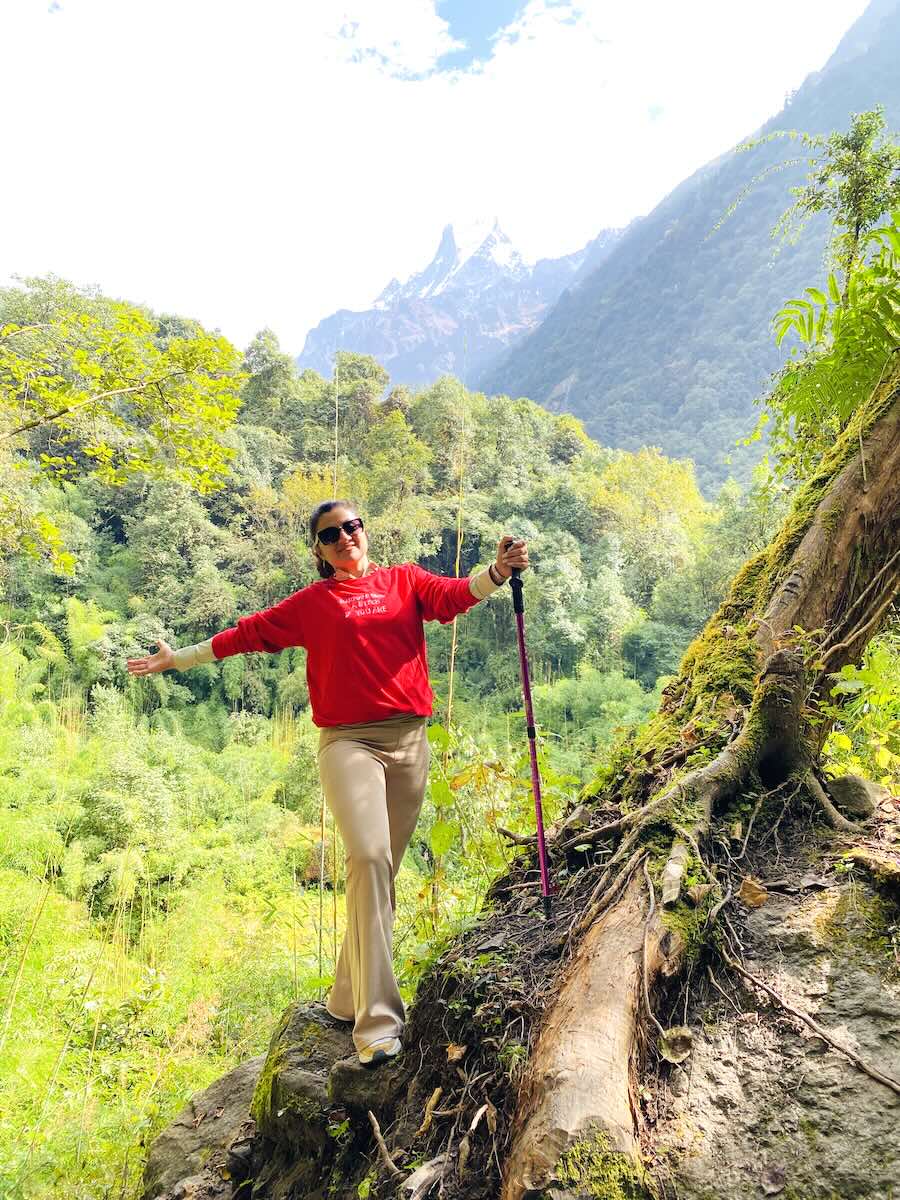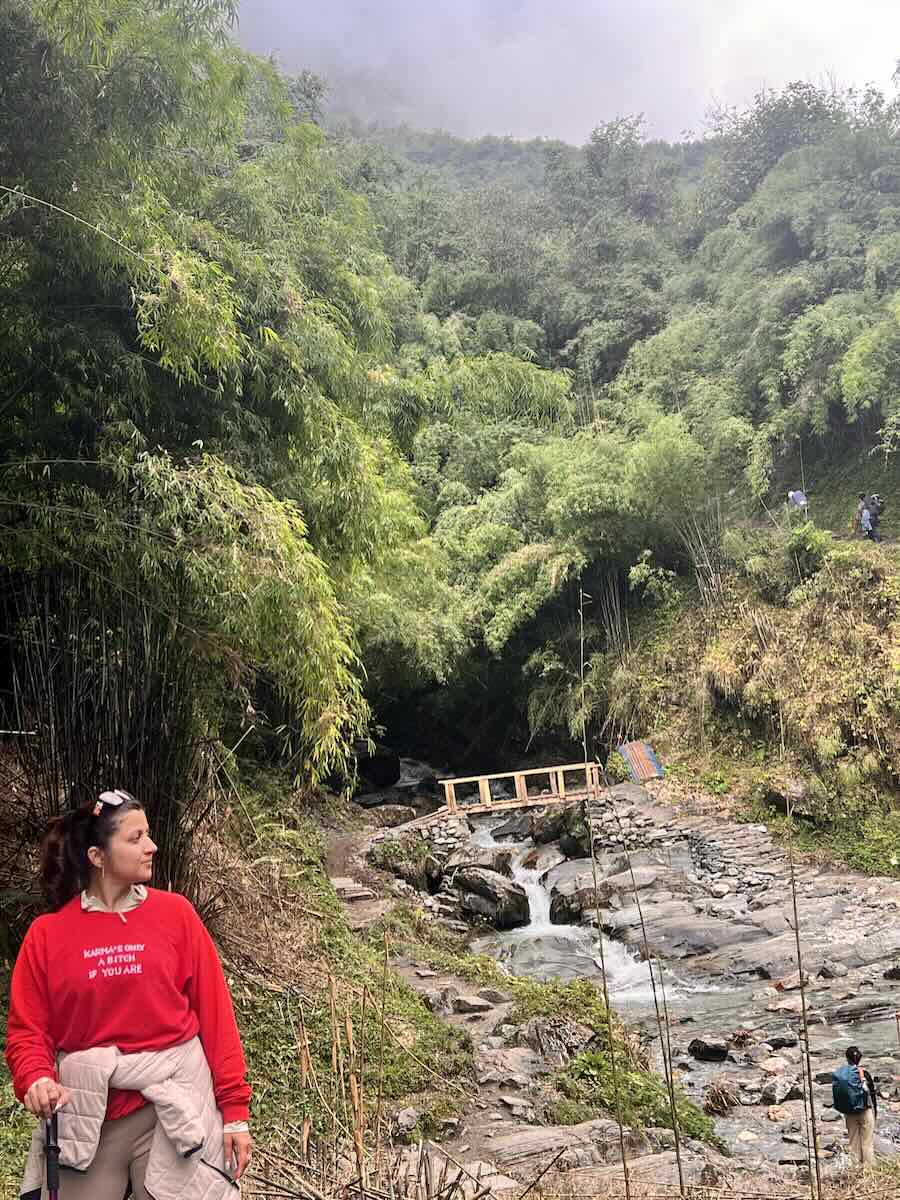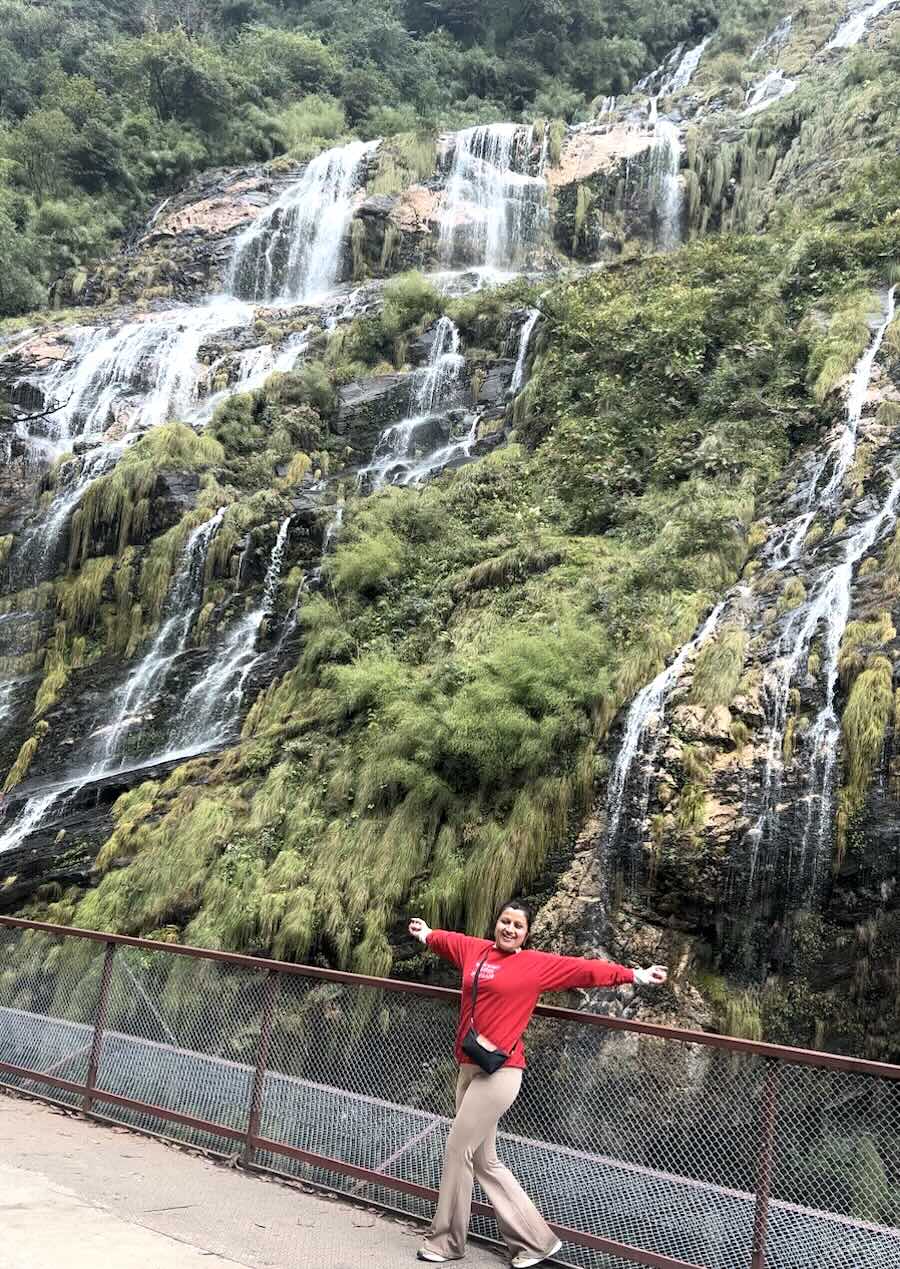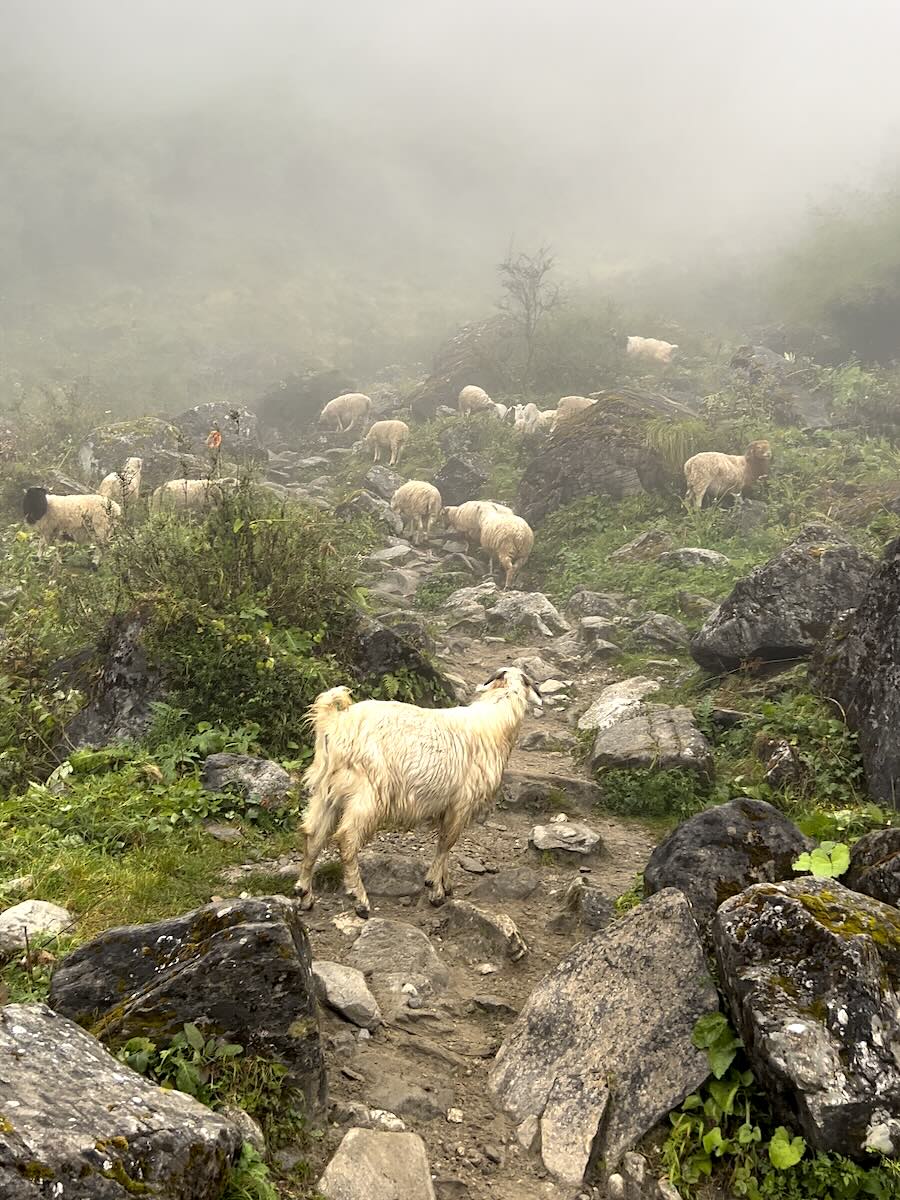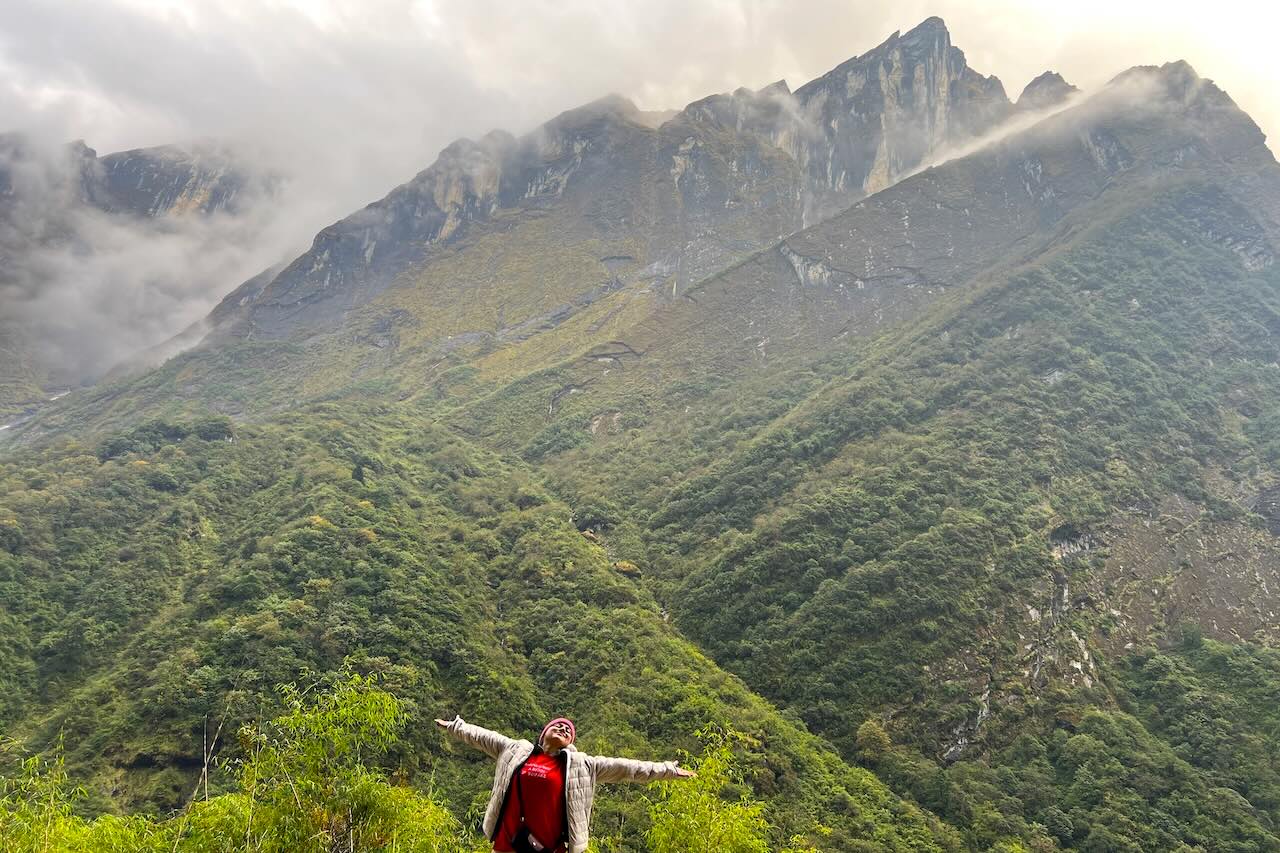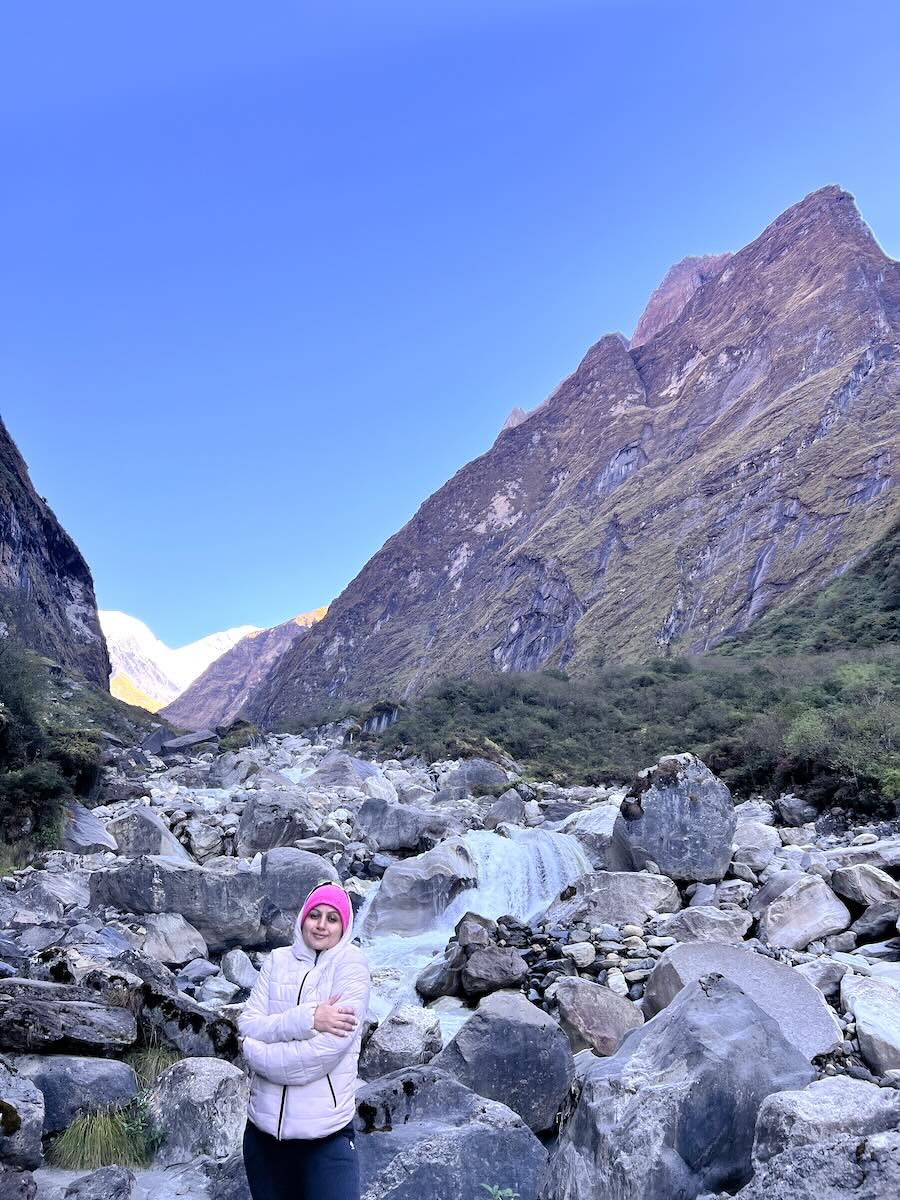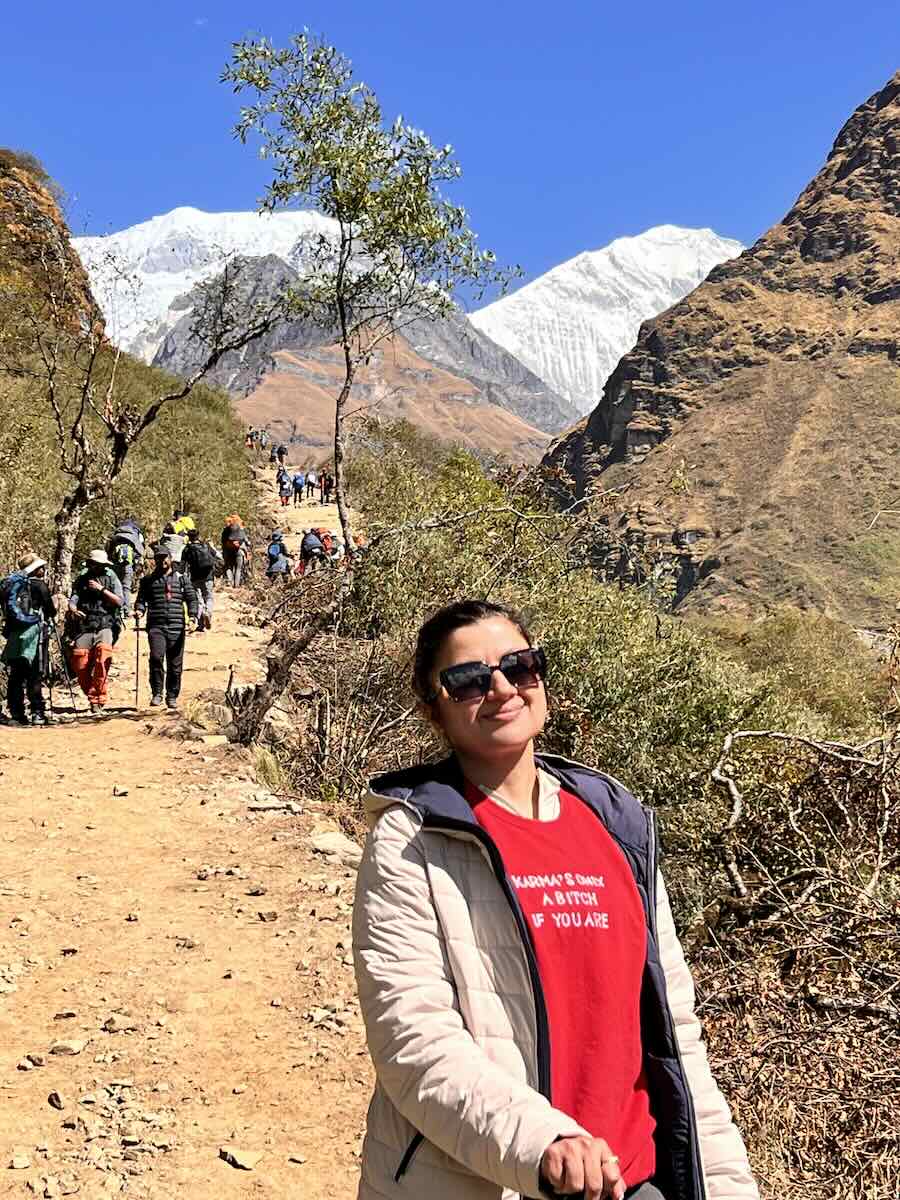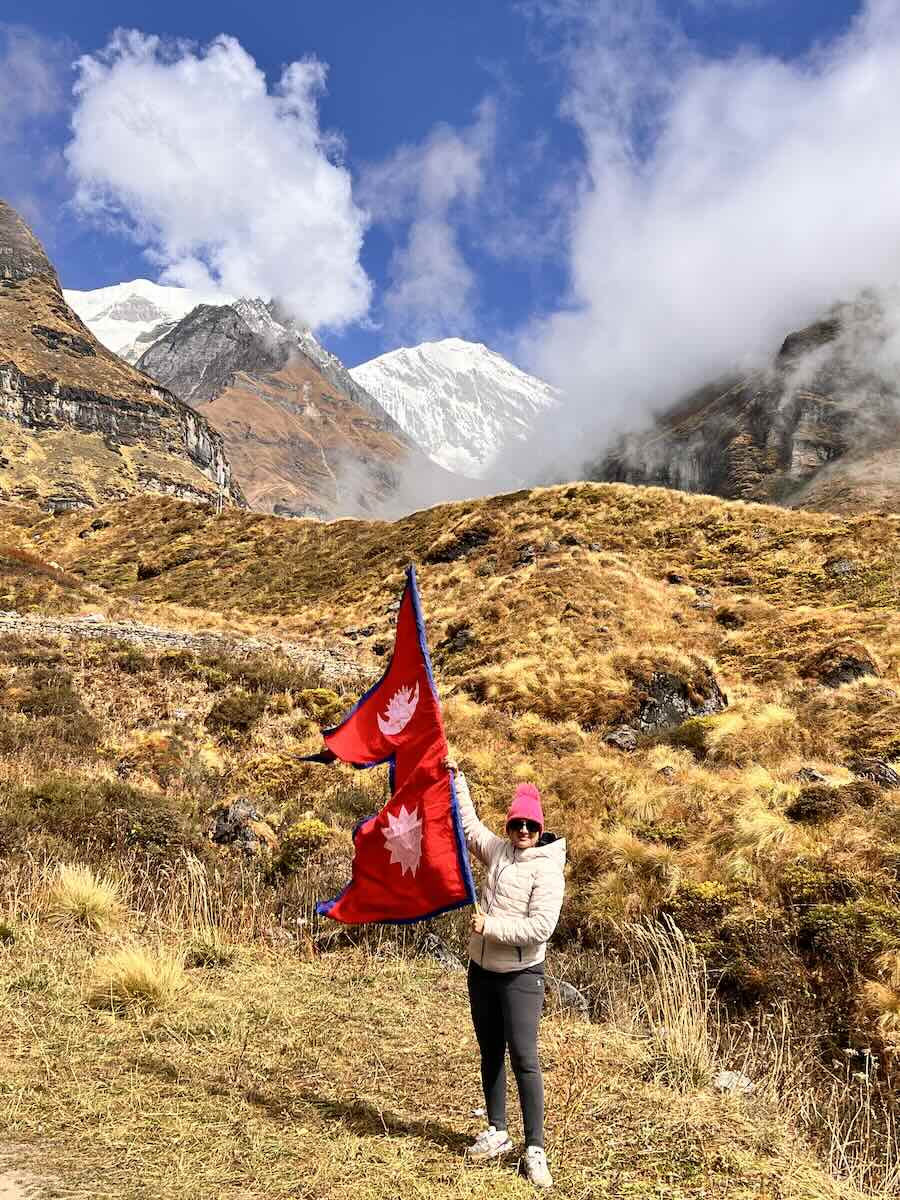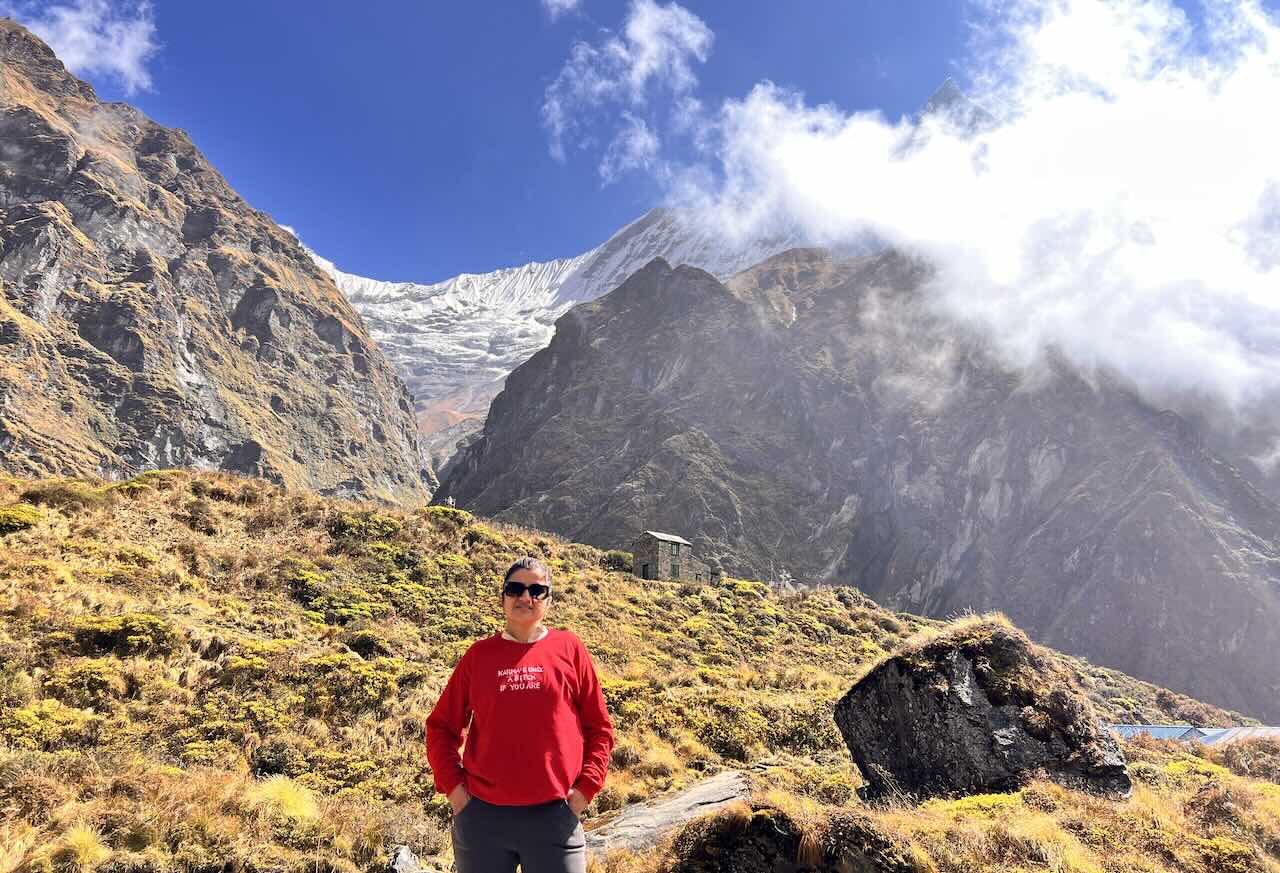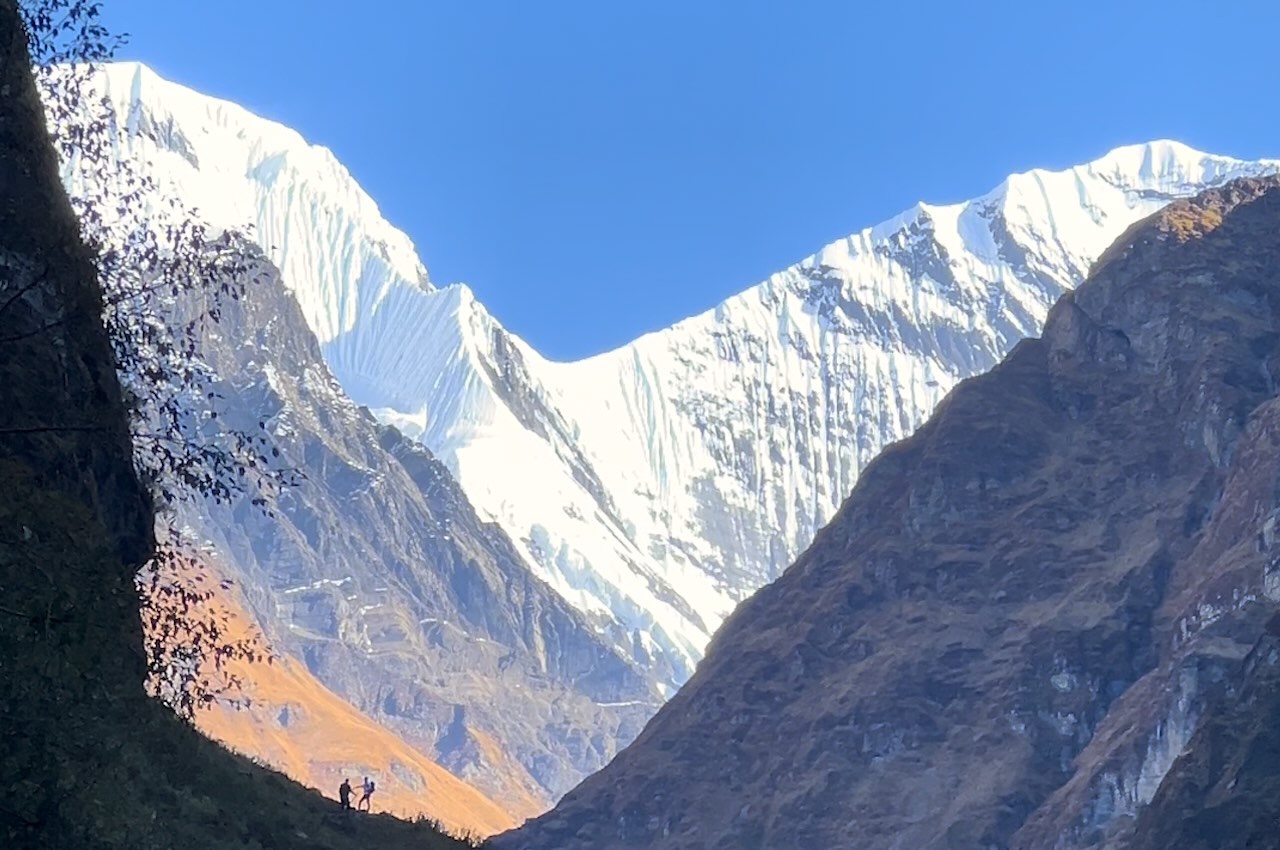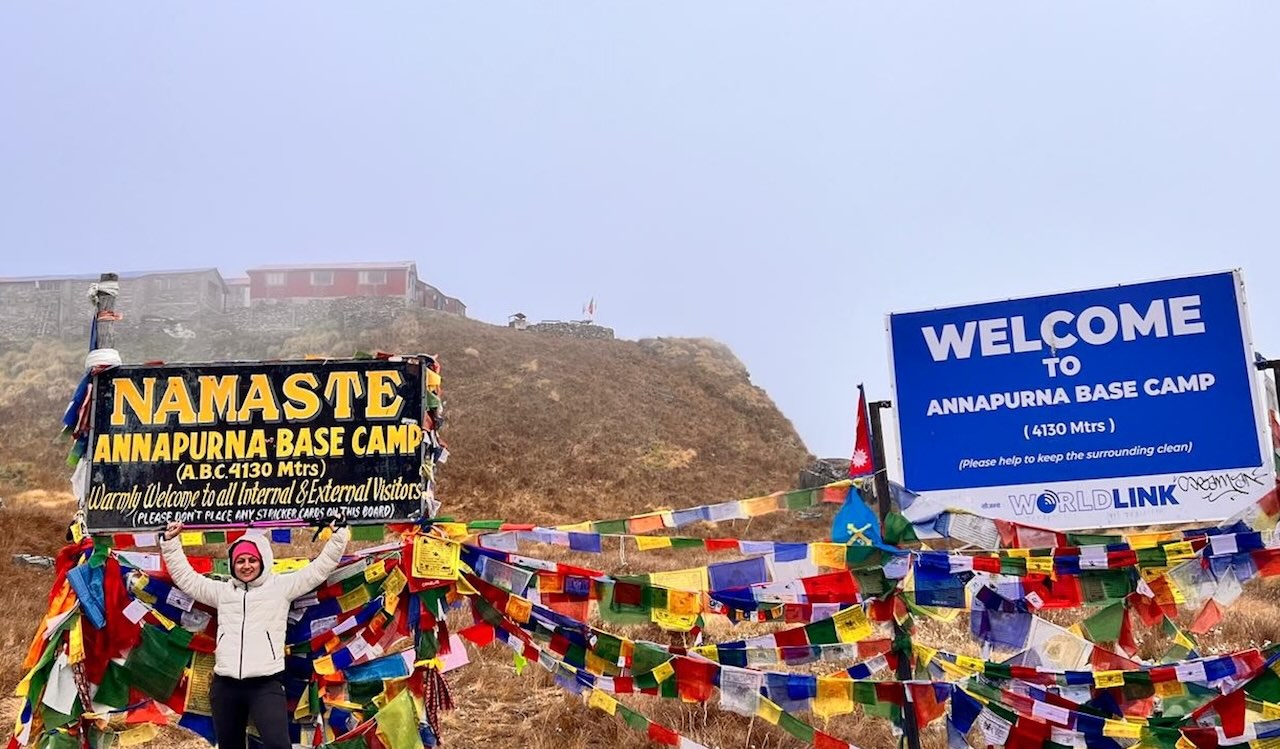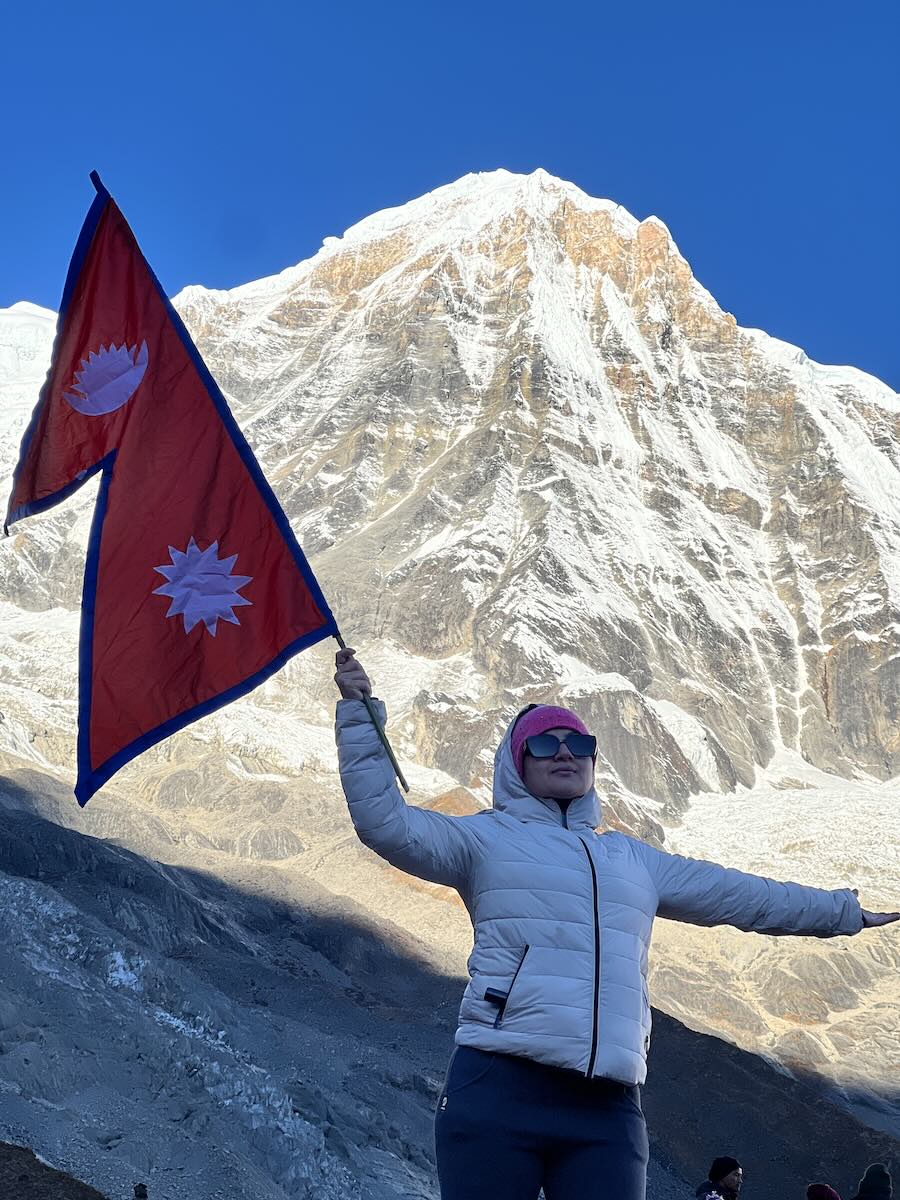
Based on field reporting, trek documentation and photographs by Asha Paudel.
Beyond the Postcards: The Real Annapurna Base Camp Trek Experience
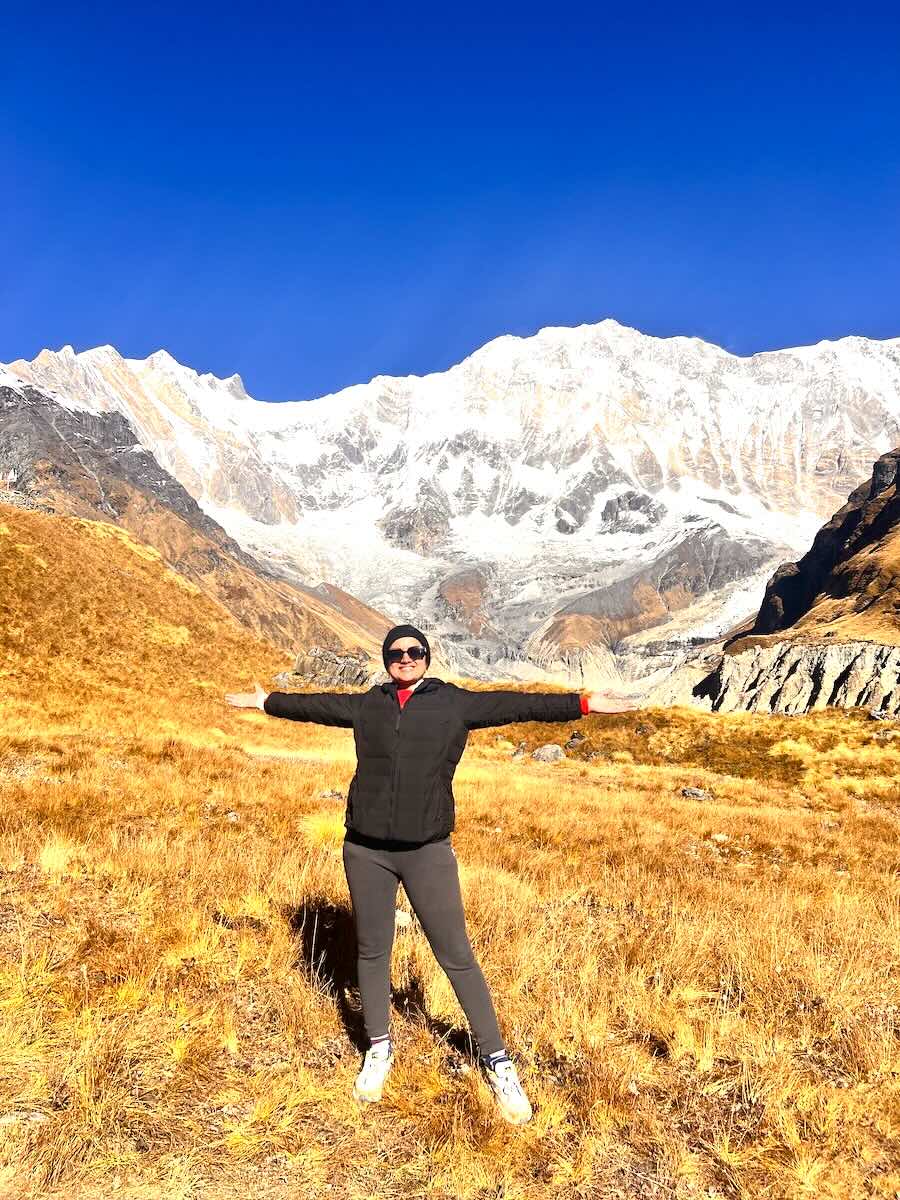
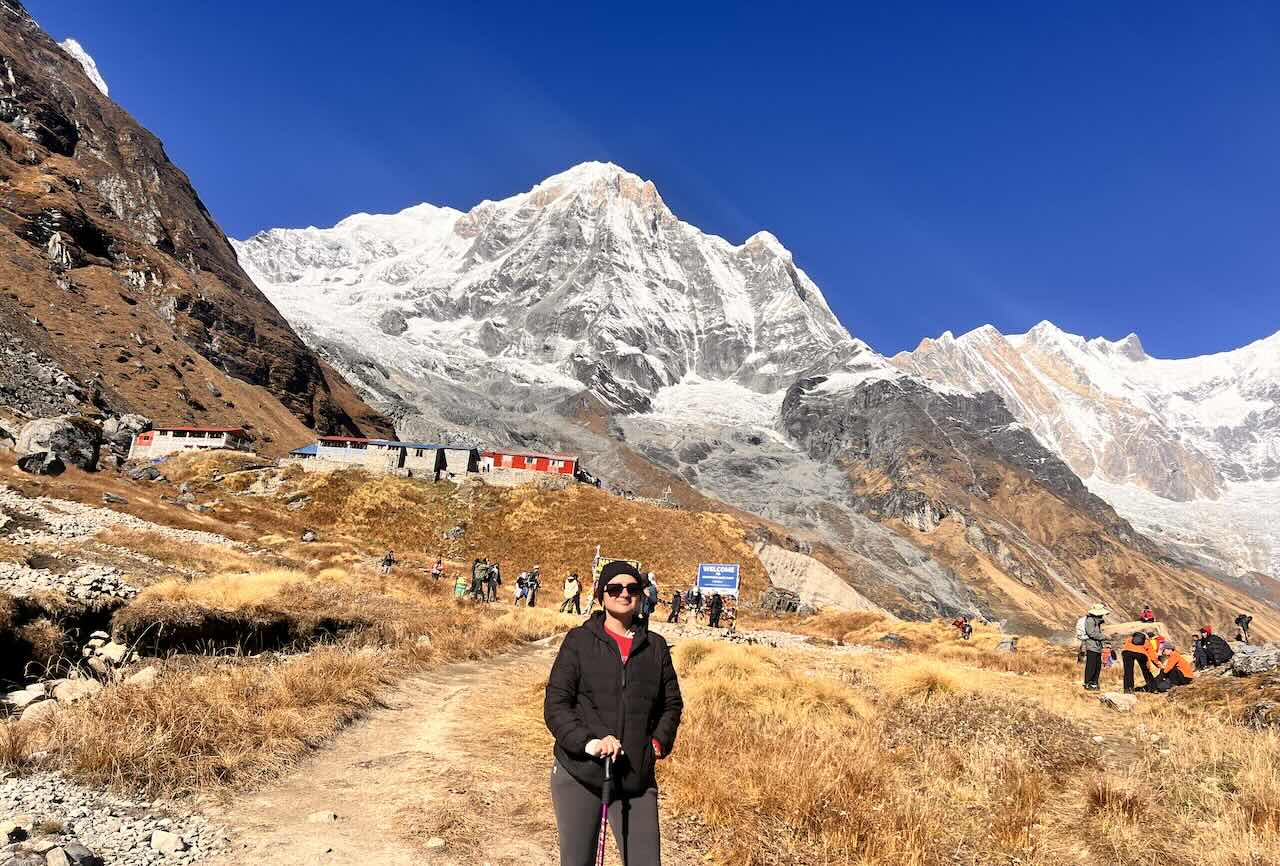
Standing at 4,130 meters (~13,550 feet) above sea level in the heart of Nepal’s Gandaki Province is an experience that alters your perspective forever. The Annapurna Base Camp (ABC) trek places you directly at the foot of Annapurna I Peak, which towers at a staggering 8,091 meters (~26,545 feet) as the 10th highest mountain on Earth. Tucked safely inside the Annapurna Conservation Area, this region is a legendary playground for budget travellers and backpackers. It treats you to an incredible spectrum of diverse landscapes, ancient terraced fields, and traditional stone villages.
The ABC trek is widely classified as a moderate adventure. It is notably less punishing than the grueling Annapurna Circuit, making it highly accessible to independent trekkers with baseline physical fitness. However, “moderate” does not mean easy, and underestimating its steep staircase climbs or altitude can quickly derail your trip. This comprehensive guide is built entirely from real, boots-on-the-ground research and first-hand experience from a mid-October trek to clear up the common confusion surrounding routes, gear, permits, and safety.
The Backpacking Reality: Budgets, Logistics, and Age Limits
When you hit the trails in the Annapurna Sanctuary, you are entering a zone that is heavily protected and locally managed. This environment directly impacts your daily logistics, pocketbook, and gear choices.
Tea House Costs and Budget Dynamics
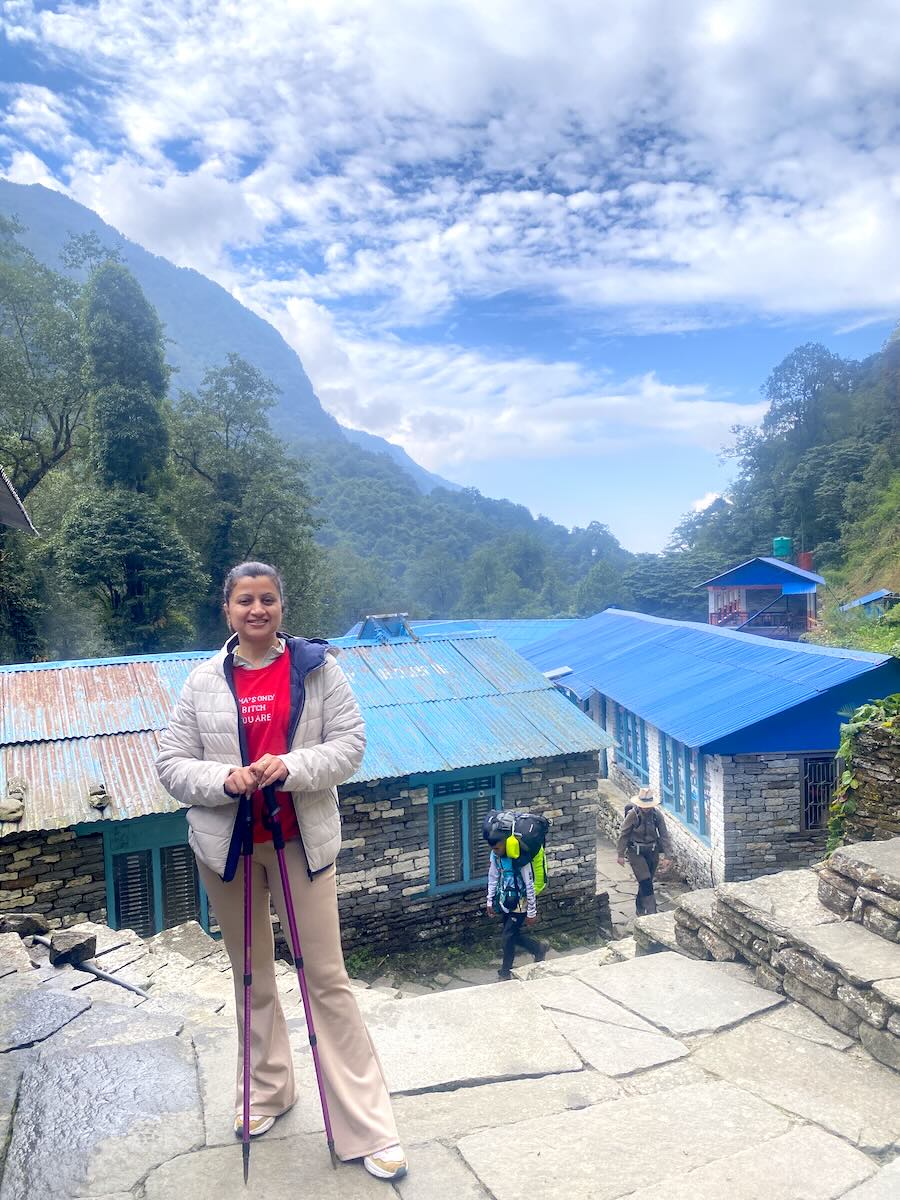
Forget luxury lodges, backpacking ABC is all about the classic Nepalese tea house. These are simple, incredibly charming, family-run guesthouses that provide twin sharing wooden rooms equipped with basic beds, blankets, and pillows. While blankets are provided, carrying your own high-quality sleeping bag is absolutely non-negotiable for warmth as temperatures plunge higher up.
The golden rule of the trail is that accommodation and food prices scale up alongside the altitude. At lower elevations, you will find shared squat toilets and occasional western-style options, some even offering attached bathrooms. Hot showers heated by gas or solar power are widely available, but they come at an extra cost. The same goes for electricity: tea houses have power, but charging your phone, camera batteries, or power banks will require a fee that increases the higher you climb.
Negotiating your overall package deal at lower stops can sometimes help lower these extra utility costs. It is highly recommended to fully charge all devices at lower altitudes where it is cheapest. Wi-Fi is occasionally available for a fee, but the mobile network signal remains highly patchy throughout the gorge.
The Eco-Rules and Menu Safety
To protect the pristine ecosystem, plastic bottles and external plastic drinks are strictly banned everywhere within the Annapurna Conservation Region. Do not plan on buying expensive bottled water. Instead, carry water purification tablets or a filter system, and purchase cheap boiled drinking water directly from the tea houses.
When it comes to fuelling your body, Dal Bhat, a traditional meal of lentil soup, rice, and vegetable curry, is the ultimate budget hack because it comes with unlimited refills to keep you full and energised. The menus are surprisingly varied, offering Tibetan fried flatbread, porridge, pancakes, eggs, chapati, fried rice, noodle soups like Thukpa, momo dumplings, pasta, and even basic pizzas at lower spots. However, because high-altitude tea houses lack refrigeration, meat options are highly limited. To avoid food-borne illnesses on the trail, it is much safer to stick to a strictly vegetarian diet during the trek.
Who is This Trek For?
The Recommended Age Group: Because of the strenuous daily ascents and steep stone stairs, this trek is ideal for adults, teens, and older youth with solid cardiovascular stamina. It is definitely not recommended for infants or very young children under the age of 7 or 8. Children lack the vocabulary to articulate early symptoms of acute mountain sickness (AMS), and calculating children’s medication dosages under trail conditions is highly risky. For families, the recommended minimum age is around 10 to 12 years old, provided the child has prior hiking experience and excellent physical endurance.
Passports, Visas, and Permits
Independent backpackers need to budget for entry permits before leaving town. You must obtain a Trekking Information Management System (TIMS) registration card and pay the National Park or Conservation Area entry fee through the tourist boards in Kathmandu or Pokhara, or via a verified trekking agency.
Your passport must be valid for at least six months. If you require a Visa on Arrival at Kathmandu’s Tribhuvan International Airport (TIA), bring a physical passport-size photo and exact cash in USD, EUR, GBP, or NPR to pay the 15, 30, or 90 day visa fee. Most international passport holders get a multiple-entry visa on arrival with options to extend. Citizens of SAARC nations, excluding Afghanistan, receive a free 30 day visa on arrival. If you are an Indian citizen, you do not need a visa at all and can stay indefinitely, but you must carry a valid physical Indian Passport or Voter ID card if you are arriving by air. Aadhar and PAN cards are strictly rejected by airport security.
Master Route Decisions & Seasonality
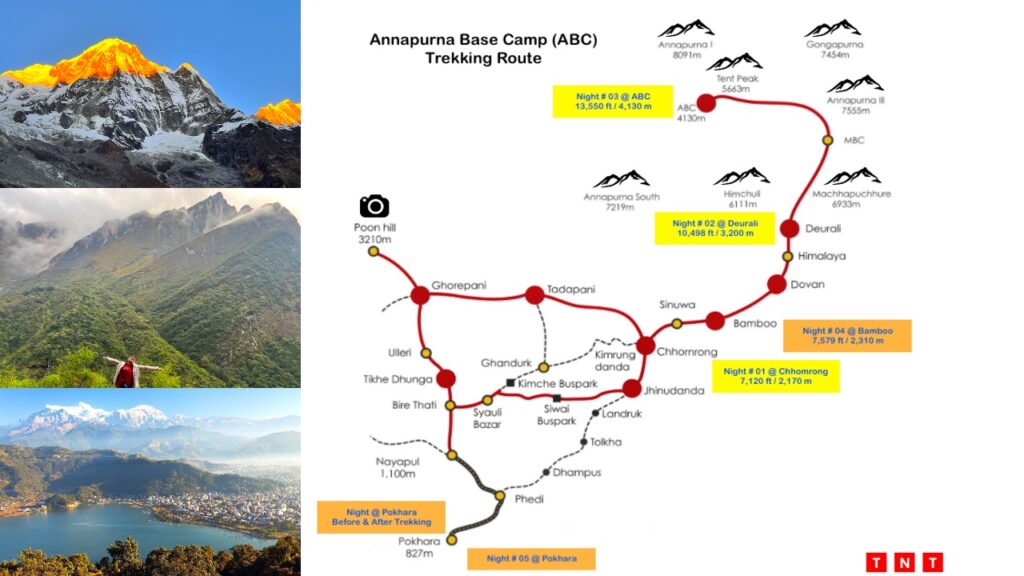
Pokhara is Nepal’s second largest city and serves as your official launchpad for the ABC trek. Located roughly 200 km west of Kathmandu, it sits a mere 37 km away from ABC in a straight line. However, the actual foot trail winds deeply through valleys, stretching anywhere from 55 km to over 135 km depending on your route, transport, and side detours.
Choosing Your Trailhead
There are three primary starting points that you can access by road from Pokhara:
The Jhinu Danda / Simrung Route: The shortest, most direct line to the base camp. Simrung sits roughly 55 km from Pokhara and requires a 3 to 4 hour drive via a 4WD jeep due to rough, unpaved road patches. Simrung is where the motorable road ends. From there, you walk across a massive suspension bridge over the Modi Khola River to reach the village of Jhinu Danda. This route takes 5 to 8 days round trip, covering roughly 55 km of total trekking.
The Ghandruk Route: Another beautiful starting point located roughly 62 km from Pokhara. A road trip here takes about 5-hours, winding through Nayapul, Birethanti, Syauli Bazaar, and Kimche before dropping you in the stunning Gurung village of Ghandruk.
The Classic Nayapul & Ghorepani Route: The ultimate scenic circuit for backpackers with more time. Nayapul is located 42 km from Pokhara via a smooth, paved road. A local bus or taxi gets you there in 1.5-hours. From Nayapul, you can choose to trek immediately or hire a 4WD jeep to drive an extra 9 km, which takes 1.5-hours, along a dirt track to Tikhedhunga via Birethanti. This longer circuit incorporates the famous Poon Hill viewpoint, adding 40 km of trekking for an overall journey of 8 to 12 days, totalling around 95 km of walking.
The Best Times to Hike
Timing is everything when you are budget backpacking. Mid October is widely considered the absolute sweet spot of the Autumn window (September to November), offering exceptionally crisp, clear blue skies and highly predictable trail conditions.
Spring (March to May) is also excellent.
Winter trekking from December to February is entirely possible but brings brutal sub-zero cold, icy paths, and severe avalanche risks. The Monsoon season from June to August is highly discouraged; heavy rains cause dangerous landslides, clouds completely erase the mountain views, and the forests crawl with relentless leeches.
During the daytime, you will sweat intensely under the sun until about 3:00 PM, making light t-shirts essential. But by 4:00 PM to 5:00 PM, temperatures plunge drastically, requiring instant heavy layers. Always pre-book rooms during peak autumn and spring seasons, as tea houses fill to maximum capacity very quickly.
The 5-Day Fast-Track Itinerary: An Intense, Story-Driven Push
This optimised, rapid itinerary is designed exclusively for experienced backpackers who possess exceptional physical fitness, high stamina, and excellent natural acclimatisation. It skips the long detours to prioritise speed, raw scenery, and budget efficiency under ideal weather conditions.
Day 1: The Mountain Gateway – Pokhara to Chhomrong
The Journey: 5-hour drive via 4WD jeep, followed by 4 km of trekking.
Time & Elevation: Start at 6:00 AM from Pokhara; reach Simrung by 11:00 AM; 2.5-hours of trekking to sleep at 2,170 meters (7,120 feet) in Chhomrong.
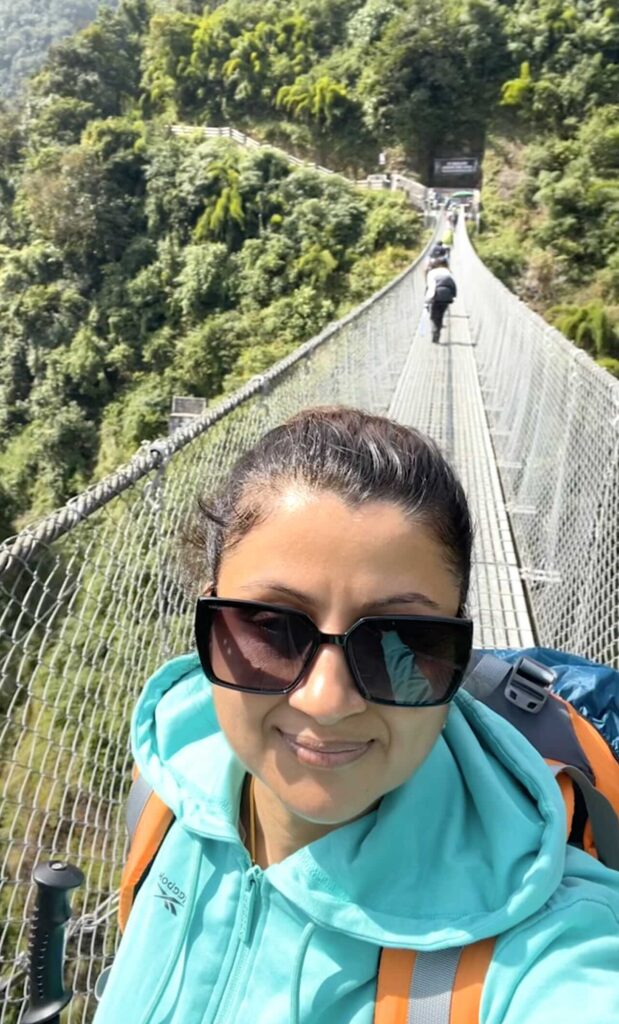
The Experience: Your alarm roars at dawn in Pokhara. You throw your backpack into a 4WD jeep and set off on a bumpy, bone-rattling 5-hour ride through unpaved mountain roads. The jeep drops you at Simrung, where the thin air hits your lungs and the motorable world abruptly ends. You strap on your pack and immediately step onto the spectacular, swaying suspension bridge over the roaring Modi Khola River to reach Jhinu Danda.
After a quick, filling lunch, your legs face their first real test: a steady, uphill climb to the beautiful village of Chhomrong. As evening settles, you find yourself resting at a cozy tea house, staring at the massive, jagged silhouettes of Annapurna South and Machapuchare towering directly over the valley rooftops.
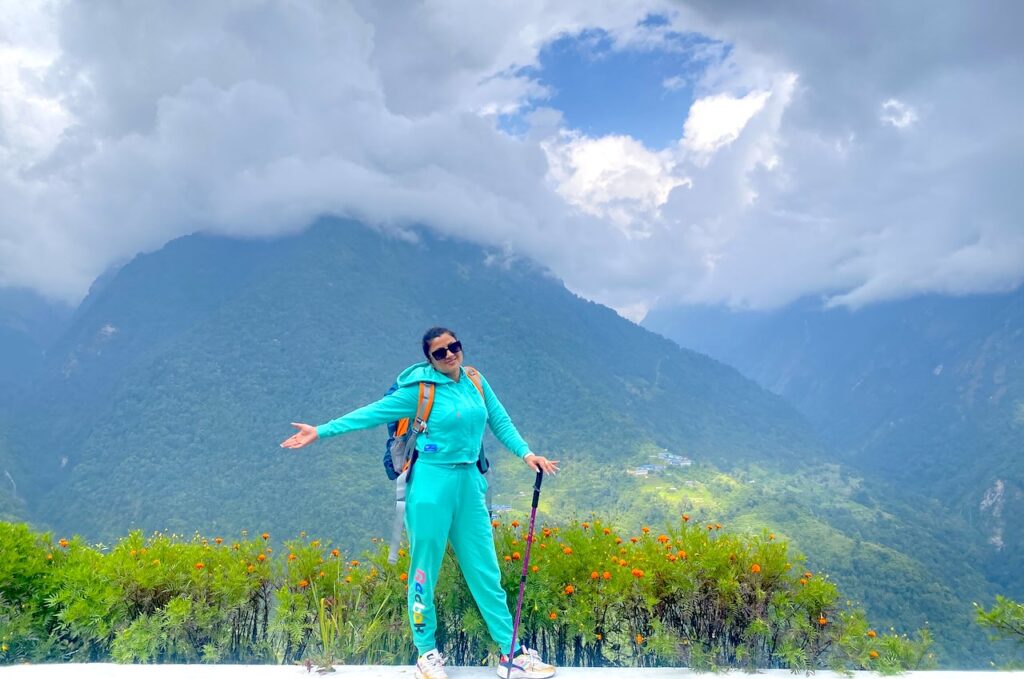
Day 2: Entering the Deep Green Gorge – Chhomrong to Deurali
The Journey: 14 km of intense, relentless trekking.
Time & Elevation: On the trail by 7:00 AM; 9 to 10 hours of walking; overnight stay at 3,200 meters (10,498 feet) in Deurali.
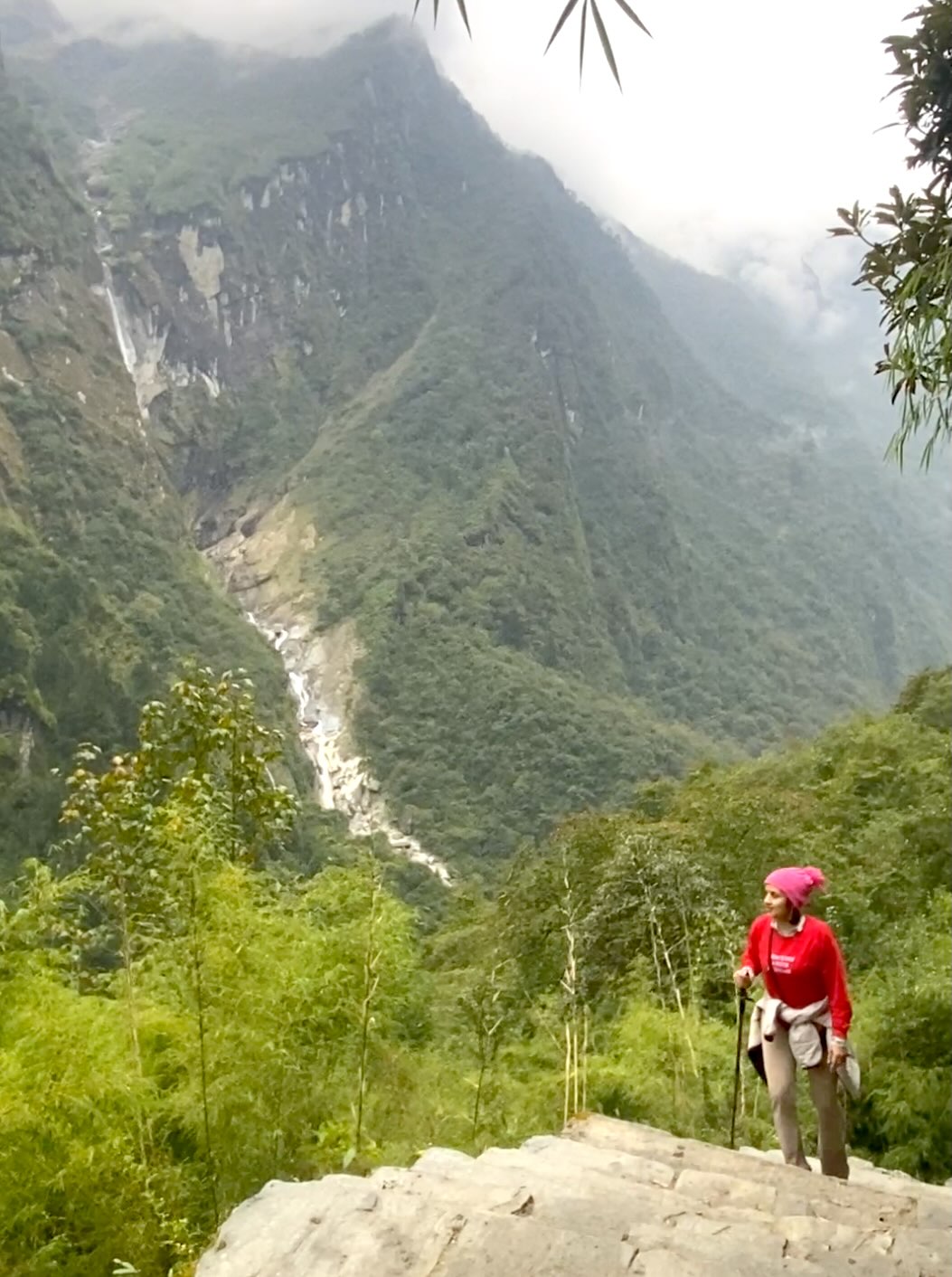
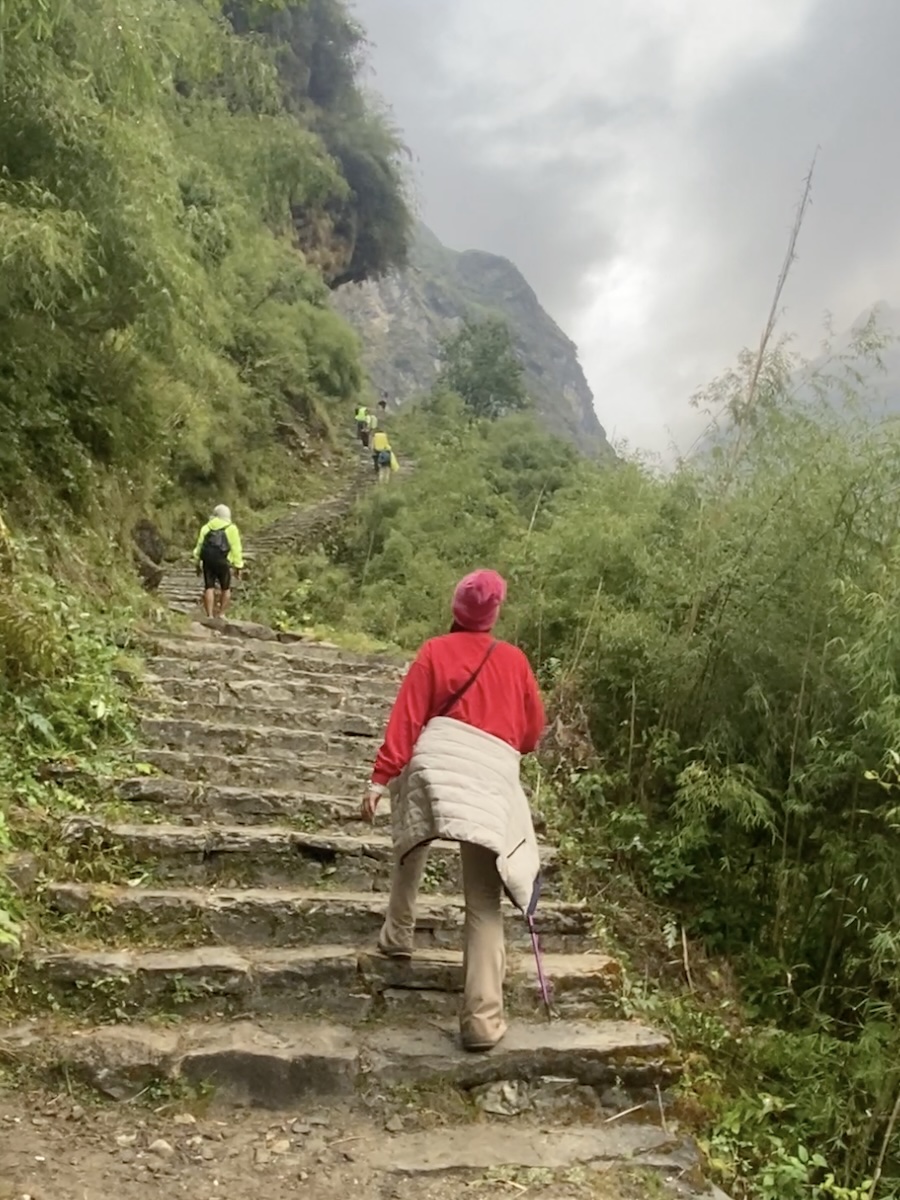
The Experience: You start trekking at 7:00 AM sharp, stepping directly onto Chhomrong’s famous, knee punishing stone staircases. The path plunges steeply down to the suspension bridge over Chhomrong Khola, only to immediately reverse into a gruelling, vertical wall of stairs up to Sinuwa. Your thighs burn as the trail dives deep into a dark, enchanting bamboo and moss covered rhododendron forest.
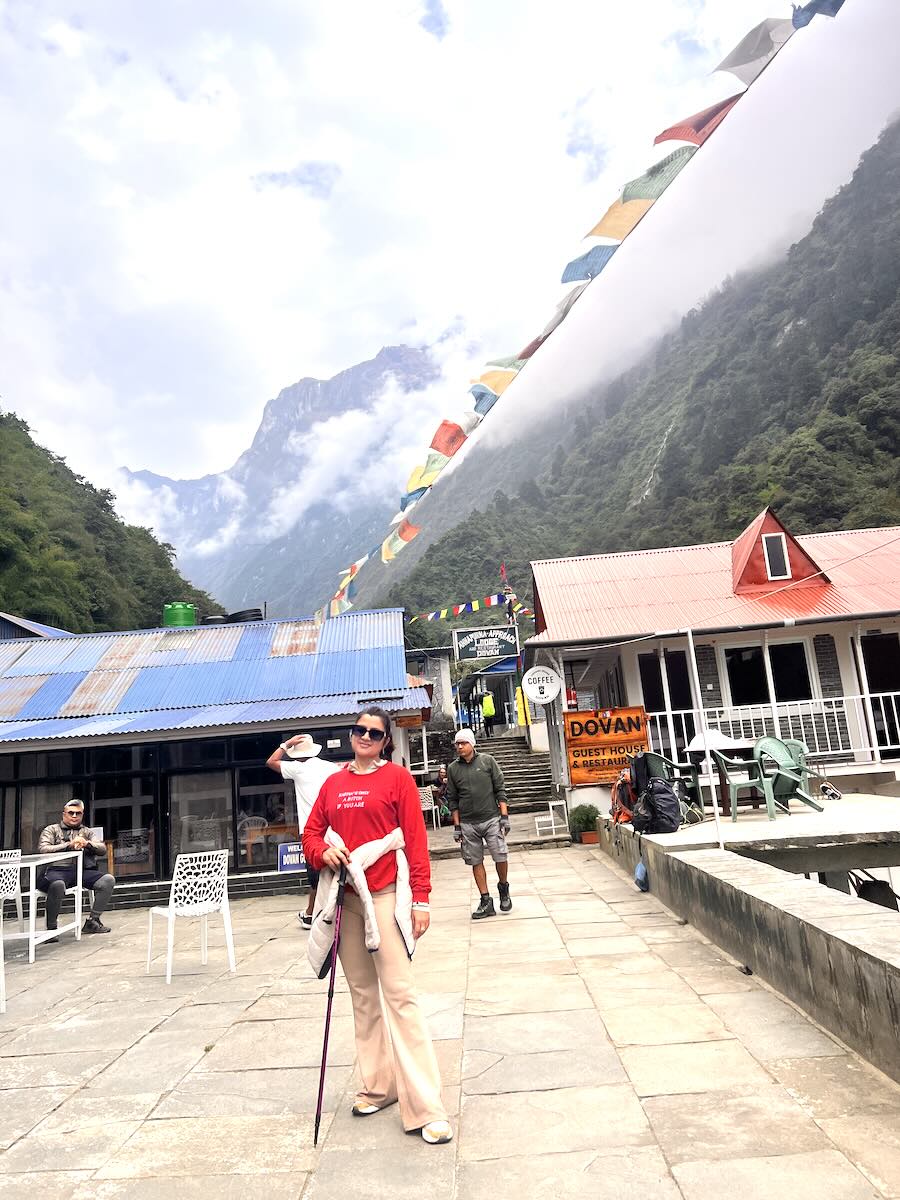
You pass the tiny settlements of Bamboo and Dovan, watching the forest gradually thin out into rocky, narrow river trails. After a massive 10 hour day of pushing your physical limits, you finally arrive at the isolated outpost of Deurali. The air here is noticeably colder and thinner, and the cozy communal fireplace becomes the ultimate reward for your hard work.
Day 3: The Sanctuary Threshold – Deurali to Annapurna Base Camp
The Journey: 7 km of highly focused, high altitude trekking.
Time & Elevation: Start late at 10:00 AM to allow frost to clear; 4 to 6 hours of hiking; night stay at 4,130 meters (13,550 feet) at ABC.
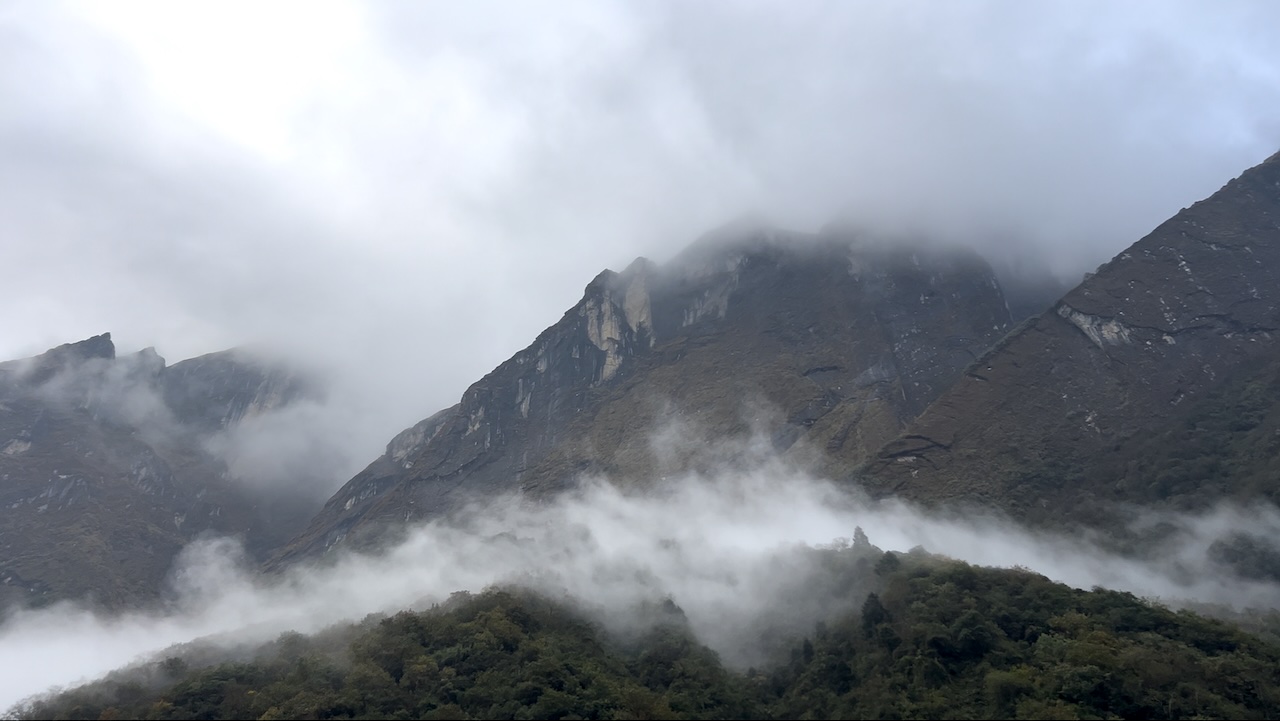
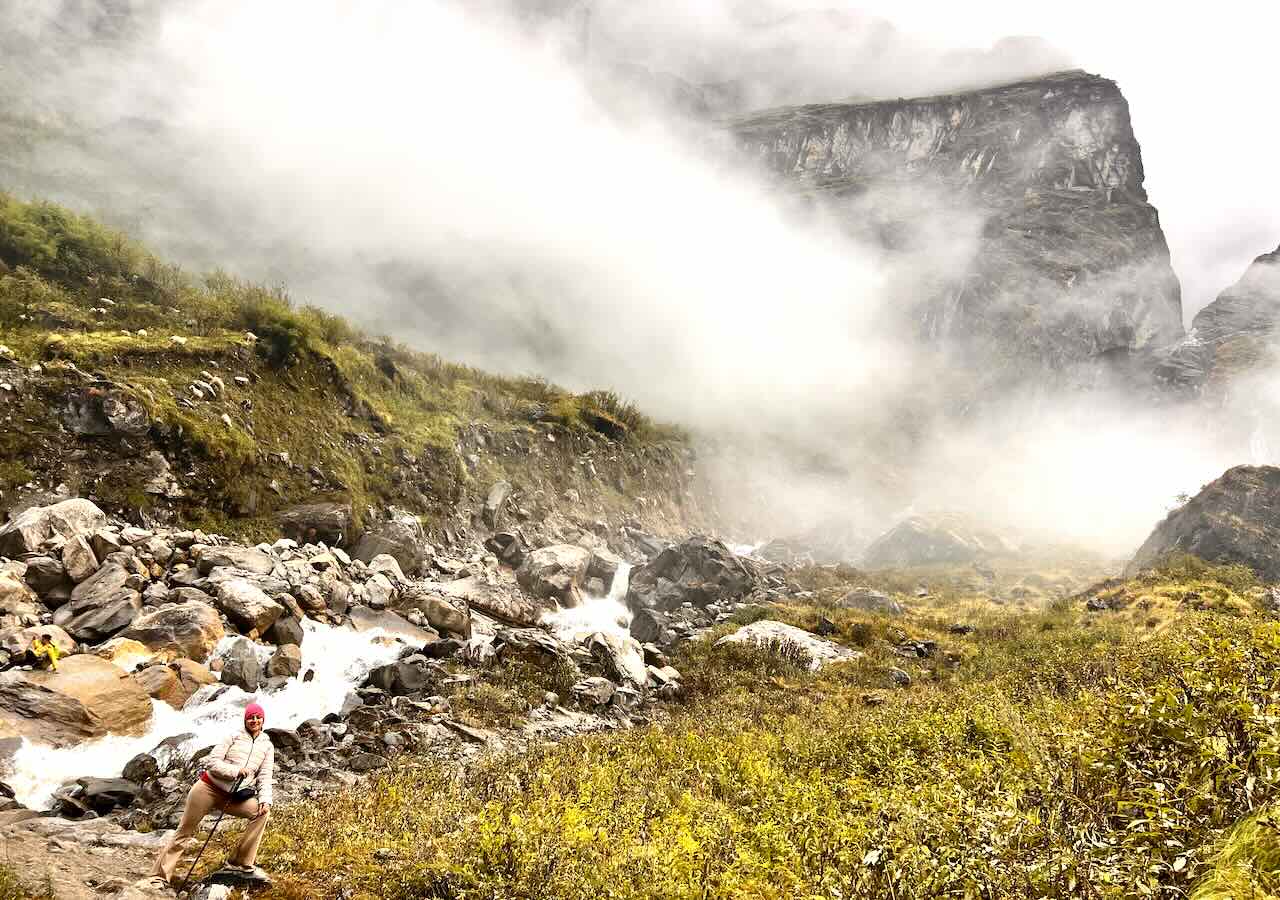
The Experience: To let the brutal early morning mountain chill dissipate, you lace up your boots a bit later at 10:00 AM. This section demands absolute mental focus. You are now navigating a dramatic landscape of raw rock, glacial moraines, and active, avalanche prone slopes stretching between Deurali and Machapuchare Base Camp, or MBC.
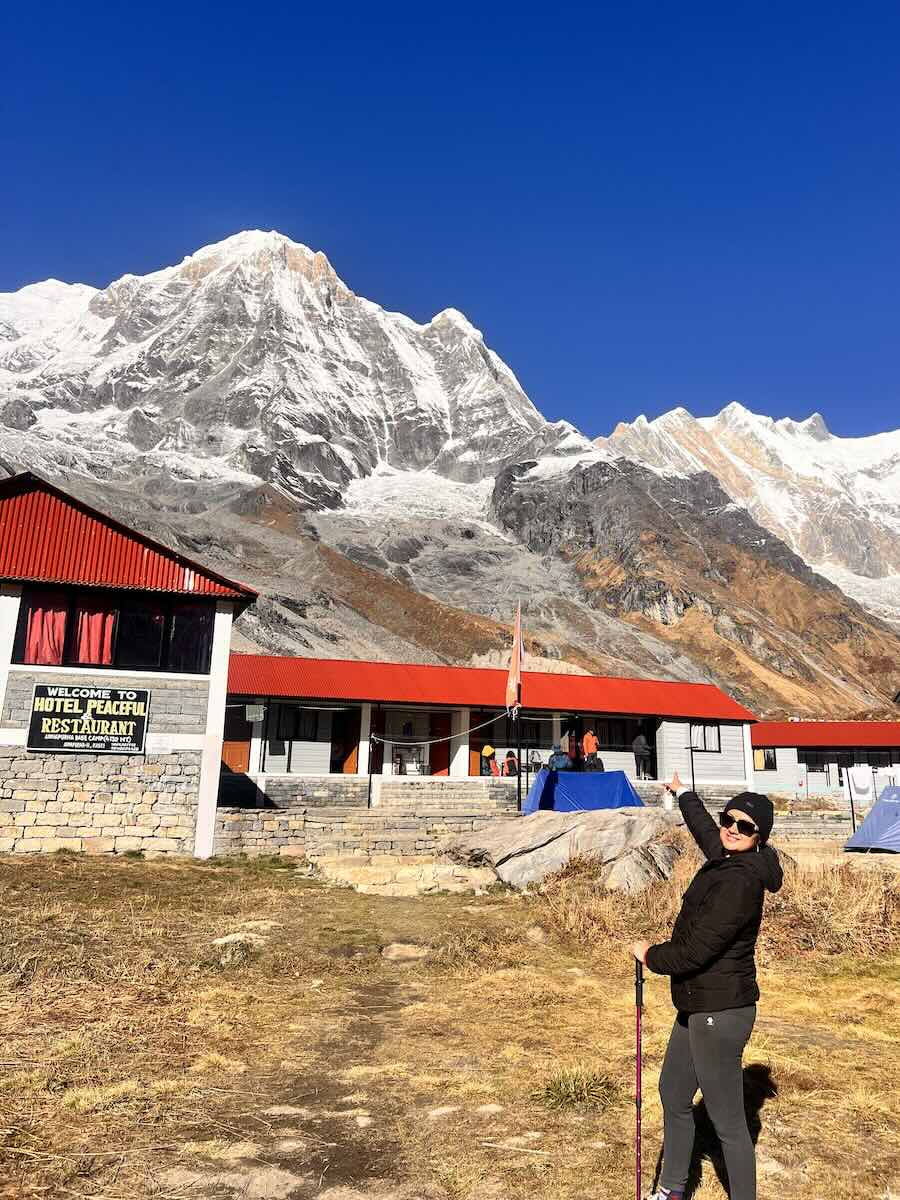
You trek past cascading waterfalls and misty, glacier carved valleys while keeping an eye out for loose rockfall. After a steady 3 hour climb, you reach MBC at 3,700 meters, where the sacred, unclimbed Fishtail mountain dominates the sky. Pausing briefly, you dig deep for the final, gradual 2.9 km push through the snow dusted Annapurna Sanctuary. Step by slow step, you arrive at the legendary Annapurna Base Camp signboard, completely surrounded by a colossal, 360 degree amphitheatre of glowing Himalayan giants.
Day 4: The Great Alpine Retreat – ABC to Bamboo
The Journey: 14 km of continuous, downhill trekking.
Time & Elevation: On the trail by 7:00 AM after sunrise; 6 to 7 hours of hiking; overnight at 2,310 meters (7,579 feet) in Bamboo.
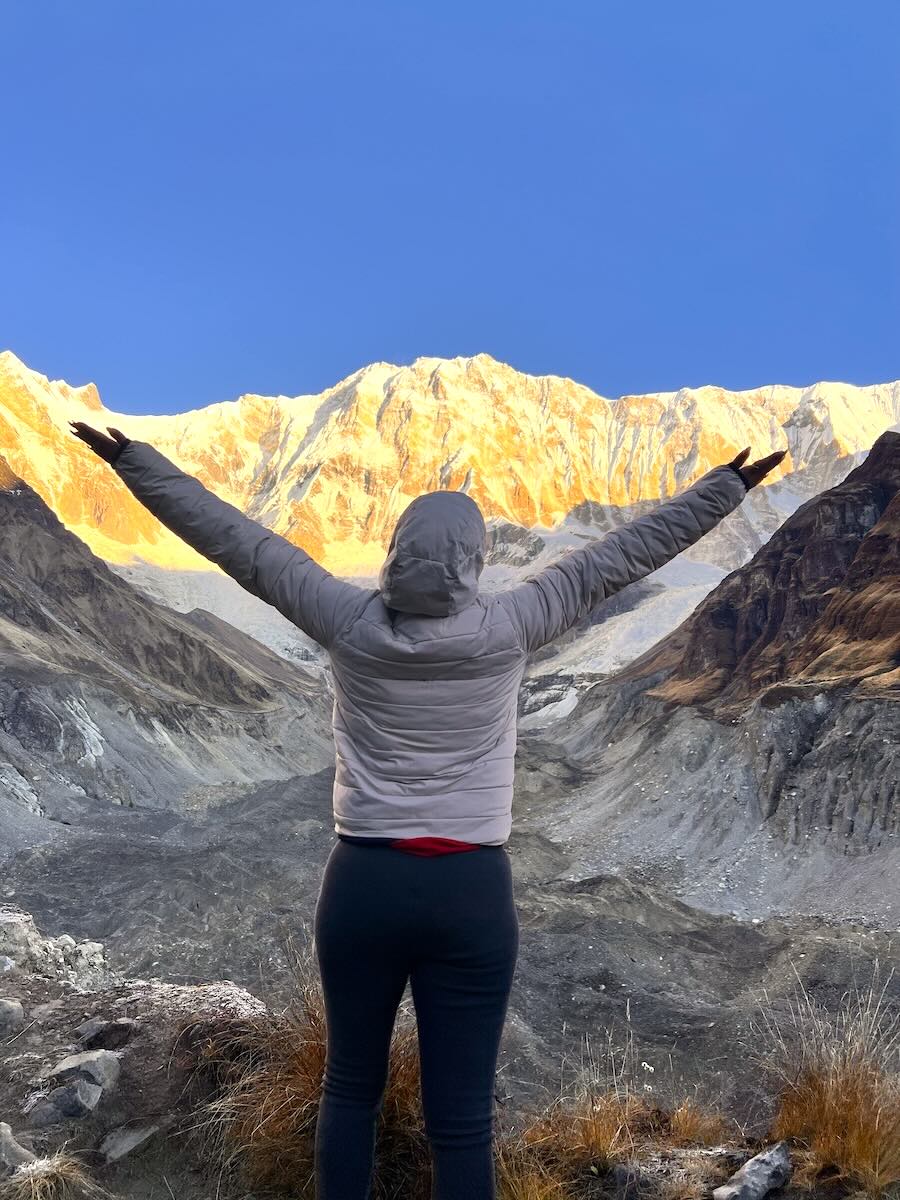
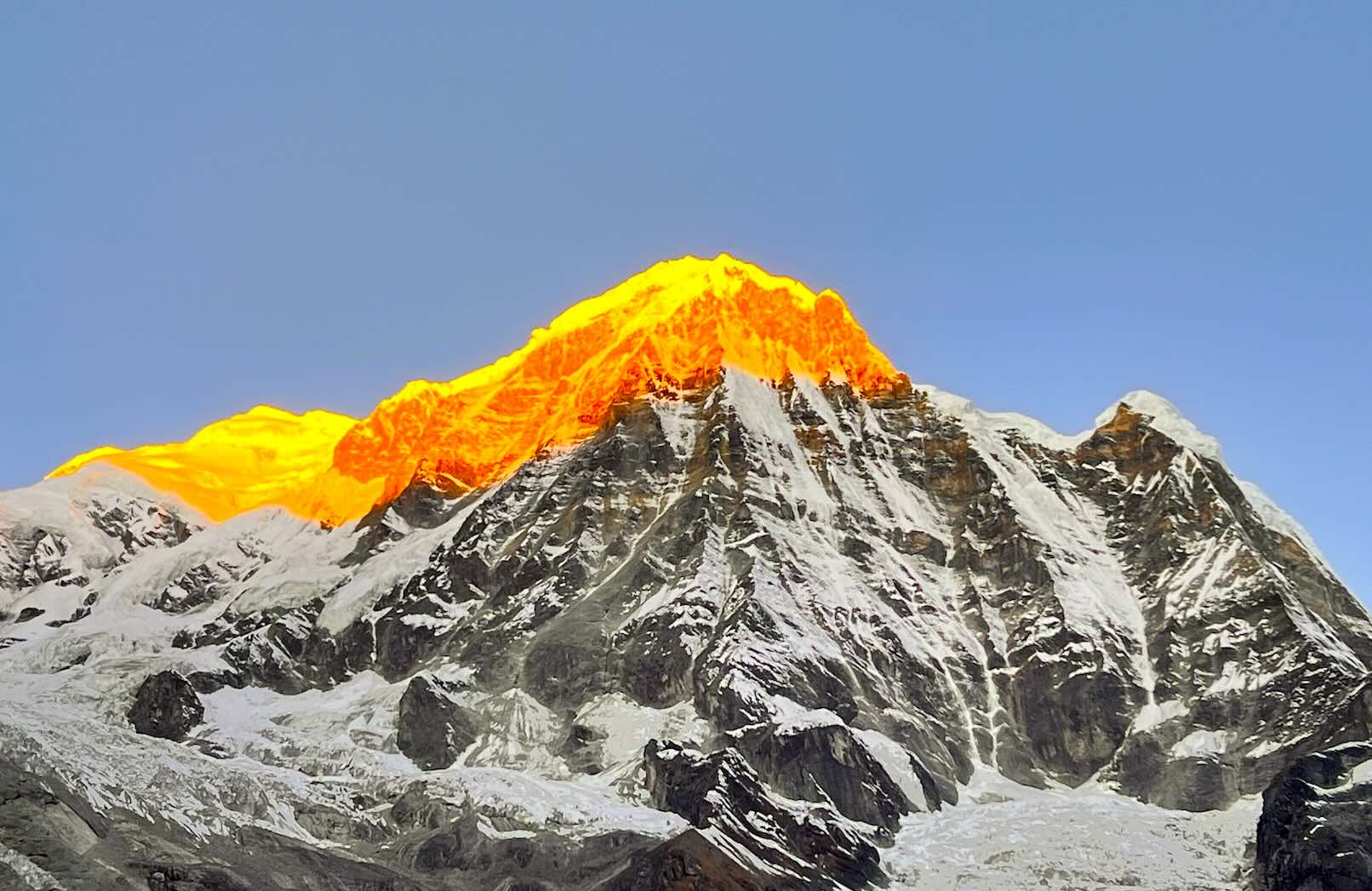
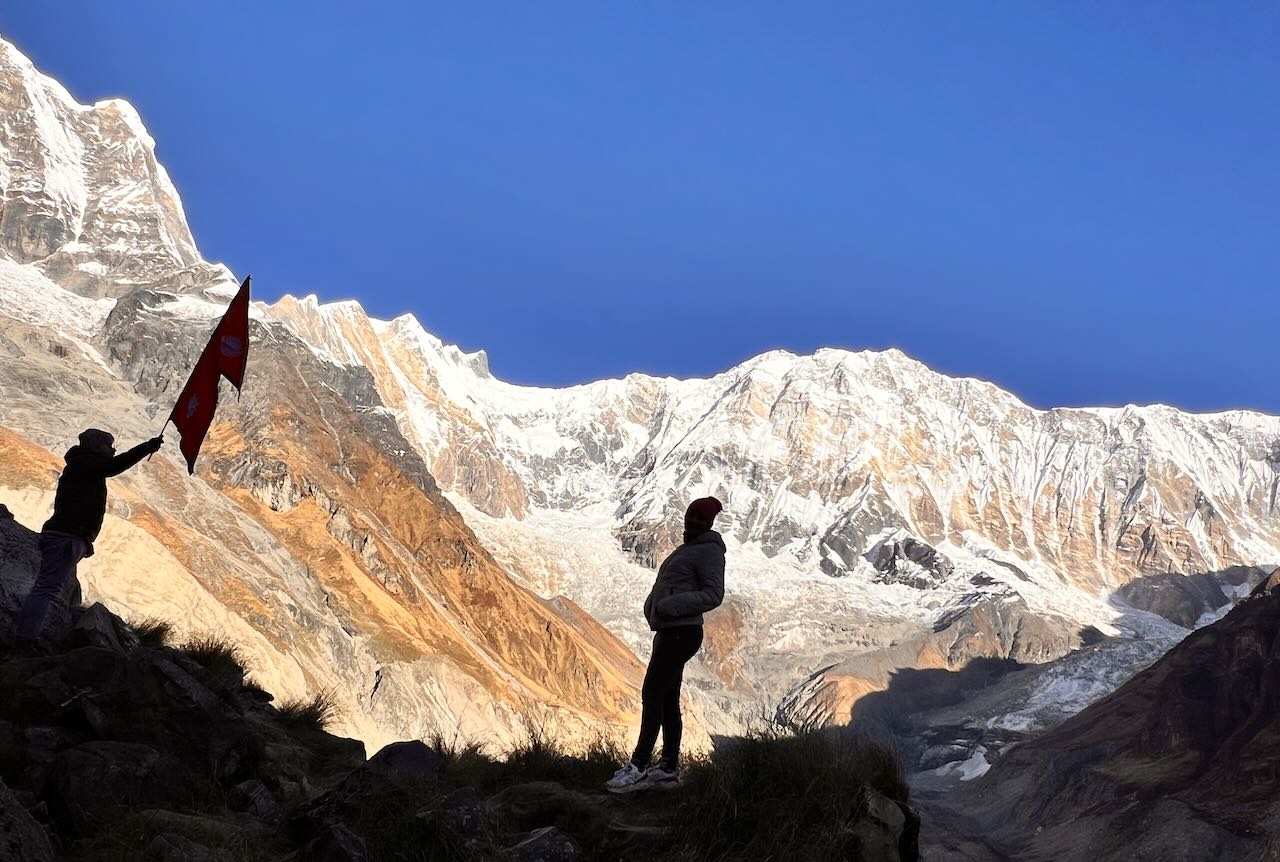
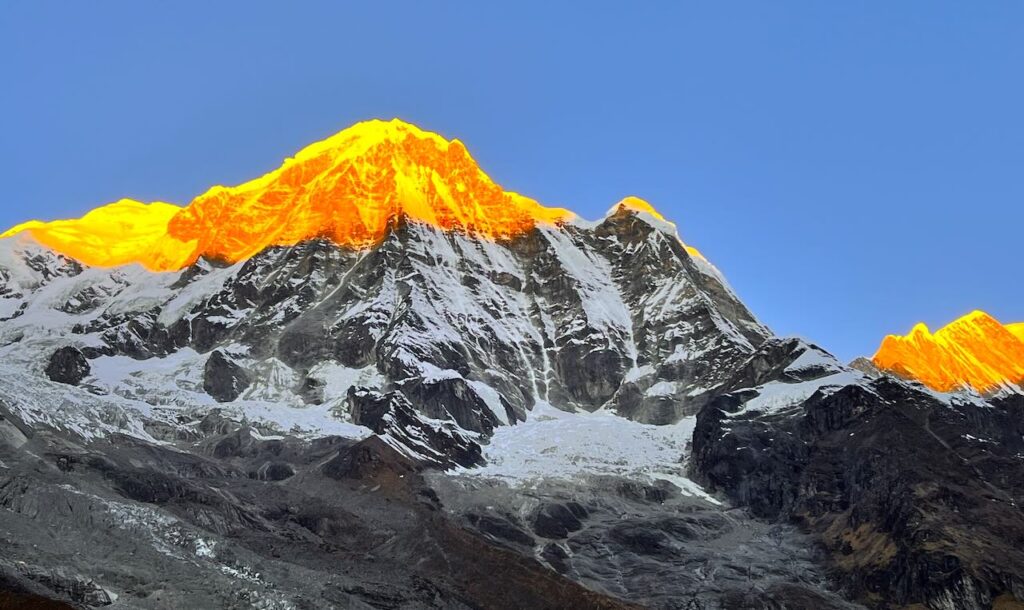
The Experience: You wake up shivering at 5:30 AM and step out into the freezing air. The reward is instantaneous: the very first rays of sun strike the 8,091 meter face of Annapurna I, turning the massive wall of ice into a sheet of brilliant, burning gold. After capturing these unforgettable views and eating a quick breakfast, you turn your back to the peaks at 7:00 AM to begin the long journey down.
Moving downhill means your lungs can finally breathe easy in the richer air, but your knees bear the brunt of the rapid descent. You trace your steps back down through the rocky slopes of MBC, past the landslide prone zones of Deurali, and drop straight back into the thick, humid air of the bamboo forests. By late afternoon, you roll into the familiar, warm shelter of Bamboo, completely exhausted but proud of the distance covered.
Day 5: The Homeward Strides – Bamboo to Pokhara
The Journey: 9 km of trekking, 45 minute river crossing, followed by a 4 hour drive.
Time & Elevation: Trail departure at 7:00 AM; 5 to 6 hours of walking to the jeep; return to Pokhara by evening.
The Experience: The final day begins at 7:00 AM with a beautiful walk out of the jungle. You tackle the final, steep up and down stone steps back through Chhomrong and down to Jhinu Danda.
If you were on a slower schedule, you could stop to soak in Jhinu’s natural riverside hot springs, but today you push forward. You cross the massive Modi Khola suspension bridge one last time to reach the waiting jeeps at Simrung. Sliding onto the bumpy seats, you enjoy the 4 hour drive back to civilization. By the time you reach Pokhara, a hot shower, a cold beverage, and a comfortable bed await, completing an epic, whirlwind mountain adventure.
Alternative: The Scenic 11-Day Ghorepani Circuit
If the 5-day itinerary feels too rushed for your knees or your travel style, the 11-day alternative offers a classic, highly scenic journey that builds up your acclimatisation slowly.
Day 1: Drive from Pokhara to Nayapul (42 km, 2 hours), jeep to Tikhedhunga (9 km, 1.5-hours), and trek up 3,200 steep stone steps to Ulleri at 2,020m.
Day 2: A beautiful 5 to 6 hour gradual forest hike through dense rhododendron and oak woods from Ulleri to Ghorepani at 2,874m.
Day 3: A 4:00 AM alpine start for a 1 hour climb up to Poon Hill at 3,210m to witness an incredible sunrise over the Dhaulagiri and Annapurna ranges. Return to Ghorepani for breakfast, then trek across Deurali Pass at 3,100m and down steep forest trails to Tadapani at 2,630m.
Day 4: A steep, knee straining descent down to the Kimrong Khola river at roughly 1,700m, followed by a moderate climb up to Chhomrong at 2,170m.
Days 5 to 11: From Chhomrong, you join the core base camp trail, marching up through Bamboo, Deurali, MBC, and ABC, before retracing your steps all the way back to Jhinu Danda and catching a jeep from Simrung straight to Pokhara.
Capturing the Sacred Sanctuary: Photography Guide
The Annapurna Sanctuary is considered highly sacred by the local Gurung and Magar communities, who firmly believe it serves as the home for ancient Hindu and Buddhist deities. Respecting this sanctity is paramount, and it provides an incredibly powerful, spiritual backdrop for your photos.
Top Golden Hour Spots
Poon Hill Tower (3,210m): Provides a sweeping, 360-degree panorama of Dhaulagiri, Tukuche, Gurja Himal, Nilgiri, Annapurna South, Machapuchare, and Manaslu. Arrive well before 5:00 AM to catch the changing, pre-dawn colours. If you are using a dedicated camera, a telephoto lens (70 to 200mm) isolates the golden peaks beautifully. For phone users, switch to 2x or 3x zoom to compress the massive peaks against the sky.
Upper Chhomrong (2,170m): Around 6:00 AM, the rising sun creates a stunning contrast between the deep green, terraced farming fields below and the bright golden peaks above. Frame the traditional slate-roofed stone houses and intricate wooden balconies in the foreground for a rich sense of local scale.
Machapuchare Base Camp (3,700m): Shoot directly from the tea house clearings at 6:00 AM. The low light catches the sheer rock face of Machapuchare before the sun fully illuminates ABC higher up. Position brightly coloured Buddhist prayer flags in your foreground to add contrast and a sense of depth.
Annapurna Base Camp Signboard (4,130m): Set up your camera or phone 30 minutes before sunrise. The magical golden light bouncing off Annapurna I, Hiunchuli, and Annapurna South lasts only 20 to 30 minutes, so shoot continuously. Use your ultra wide lens setting, like 0.5x on smartphones, to capture the true scale of the mountain wall.
Forest and Cultural Details
Don’t just look at the mountain tops. The misty, dense jungle paths between Bamboo and Dovan offer fantastic opportunities for moody, atmospheric shots. Capture fellow backpackers hiking through the fog along the narrow stone steps. Along the paths, look out for beautifully carved Mani walls, which are stones inscribed with Buddhist mantras, chortens, and colourful prayer flags dancing in the wind.
Essential Safety, Health, & Acclimatisation
Independent backpacking requires absolute self reliance when it comes to managing mountain hazards.
Understanding Altitude Sickness (AMS)
Anyone can walk up to 8,000 feet without noticing major changes in breathing. Beyond that, you cross into High Altitude (8,000 to 12,000 ft) and Very High Altitude (12,000 to 18,000 ft). Many trekkers begin experiencing mild symptoms of Acute Mountain Sickness, such as nagging headaches, dizziness, nausea, and intense fatigue, the moment they pass Deurali at 10,500 feet.
The golden rule of high altitude safety is to never ascend more than 1,000 feet (300 meters) per day to sleep, and to take a dedicated rest day after every 3,000 feet of total vertical gain. Climbing directly from Deurali at 10,500 ft to sleep at ABC at 13,550 ft means an altitude gain of 3,050 feet in a single stretch. This is highly physically demanding and increases your medical risk. To stay safe, breaking up the ascent by spending a night at MBC at 12,139 ft gives your body the vital time it needs to adapt.
The physiological fundamentals of high-altitude travel remain identical across all major mountain terrains. For a deeper breakdown of how the human body adapts to thin air, medical prevention, and common altitude misconceptions, check out this comprehensive guide to Acute Mountain Sickness (AMS).
Trail Hazards & Night Trekking
The stretch of trail surrounding Deurali is notoriously landslide-prone and features active rockfall zones. The paths leading up through MBC and ABC cross steep glacial moraines and avalanche-prone slopes.
Some trekkers choose to sleep at MBC and start hiking at 3:00 AM or 4:00 AM in pitch darkness to reach ABC by sunrise. If you choose to attempt this, you must check the weather conditions with tea house owners the night before. You will face extreme alpine cold ranging from -5°C to -15°C, along with slick, icy paths. It is absolutely critical to use high-quality headlamps and attach micro spikes or crampons to your boots to prevent dangerous slips. Never attempt a night push if you are already feeling exhausted or showing any early signs of AMS.
The Ultimate Budget Packing Checklist
Keep your pack weight between 10kg to 12kg if you are trekking without a porter. Pack everything into a durable 30L to 40L backpacking pack, and focus strictly on multi-use gear.
Technical Gear & Footwear
- Sturdy, broken-in trekking shoes and casual sneakers for tea houses
- Adjustable trekking sticks to save your knees on steep steps
- High-performance headlamp with extra batteries
- Micro spikes or crampons for icy, high altitude trail patches
- Insulated flask to keep your drinking water warm
Clothing & Layering
- 1 heavy down jacket and 3 warm sweaters
- 2 pairs of high quality thermal inner tops and bottoms
- 3 lightweight, moisture wicking t-shirts for daytime sweat
- 2 pairs of durable tracksuits or trekking pants, and 1 pair of jeans
- 1 warm woollen cap and 1 sun cap
- 1 pair of thick woollen gloves
- Multiple pairs of heavy woollen socks and thick cotton socks
Medical Kit & Trail Essentials
- Altitude sickness medication (Diamox) and water purification tablets
- Fast acting pain relief spray/cream (like Moov), painkillers, and Paracetamol
- Oral Rehydration Salts (ORS), Glucose powder, and anti allergy tablets
- Digestive remedies (like Eno), Vicks gel, and a pocket inhaler
- Antiseptic ointment, band aids, medical tape, bandages, and Dettol liquid
- A compact finger oximeter and a digital oral thermometer
- Raw garlic cloves and camphor bits to assist with breathing in thin air
Toiletries & Personal Care
- Travel soap, hair oil, toothbrush, and toothpaste
- High SPF sunscreen and protective sunglasses
- Packets of wet wipes, large handkerchiefs, and several rolls of toilet paper
- Quick dry travel towel and hand sanitiser
Electronics & Gadgets
- Smartphone, camera gear, and a high-capacity power bank
- Wall chargers and extra camera batteries kept warm inside your socks
- Additional blank memory chips for your camera
Also Read:
The Ultimate Kathmandu Valley Travel Guide 2026 – A City of Temples and Living Heritage
Budget & ABC Trek Planning (2026)
Estimated Cost
- Budget trek (5-7 days): $450-$650 USD
- Comfortable trek (8-12 days): $650-$900 USD
- Costs are per person, from Pokhara, and excludes international flights, insurance and gear
Porter & Guide Costs
- Porter: $15-$25/day (typically $18-$22)
- Guide: $25-$35/day
- Porter-Guide: $20-$30/day (best value option)
- Guide + Porter: $40-$60/day
- One porter carries 20-25 kg, usually shared by 2 trekkers
- Shared porter cost for an 8-12 day trek: $60-$150 per person
- Shared porter-guide cost for an 8-12 day trek: $80-$180 per person
- Shared guide + porter cost for an 8-12 day trek: $160-$360 per person
Tipping Guidelines
- Porter: $4-$7/day or $30-$70 total
- Guide: $8-$10/day or $50-$100 total
Hiring Staff
Best arranged in Pokhara, where rates are generally lower and options more flexible than Kathmandu.
Money-Saving Tips
- Eat at the teahouse where you stay
- Carry cash in small denominations
- Refill water bottles instead of buying bottled water
- Choose local meals such as Dal Bhat
- Share rooms when possible
- Trek during the shoulder seasons for better rates
- Most Cost-Effective Seasons: March-May (spring blooms) and September-November(clear skies and stable weather). October-November offers the best overall trekking conditions but is a little more expensive.
Permits (ACAP & TIMS)
- Permits are available in Pokhara (NTB Office, Damside)
- ACAP @ ~ NPR 3,000
- TIMS @ ~ NPR 1,000-2,000
- Bring your passport, photos and cash
Guided Trek Packages: Typically $600-$1,200+ USD per person, including permits, accommodation, meals, transport and support staff.
Important: Budget an additional 15-20% contingency for weather delays, extra nights, charging, hot showers and other unforeseen expenses.
Recommendation: If your backpack weighs more than 10-12 kg, hiring a shared porter is one of the most cost-effective ways to make the trek significantly more comfortable while staying within the $650-$900 USD budget range.