US-Iran Talks: Breakthrough Hopes Spark Oil Plunge, But Core Gaps and War Drums Persist
May 22, 2026: A fresh wave of optimism swept global markets on May 21 after Iran’s semi-official Iranian Labour News Agency (ILNA) reported that Washington and Tehran had reached a draft agreement on key de-escalation terms. The report, citing Saudi broadcaster Al-Arabiya, suggested an announcement could come within hours. Markets reacted instantly: Brent crude reversed sharp intraday gains of up to 3.5% (peaking near $108+) to drop around 2.6% toward $102, while WTI fell about 2.5% to trade below $96 per barrel after earlier climbing as much as 4%.
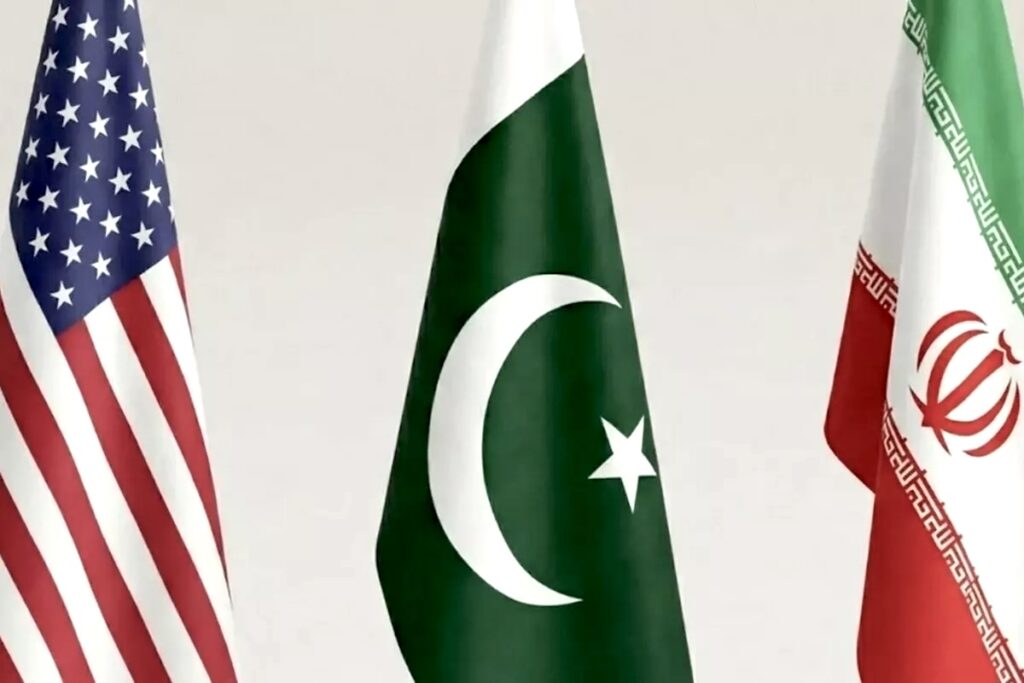
ILNA, a labor-focused agency close to reformist circles and affiliated with Iran’s Workers’ House, often amplifies semi-official signals from Tehran. Its Telegram post framed the alleged deal, mediated by Pakistan, as covering an immediate comprehensive ceasefire (including no targeting of infrastructure), guaranteed freedom of navigation in the Persian Gulf and Strait of Hormuz, gradual sanctions relief, and follow-on talks on thornier issues like Iran’s nuclear program within seven days.
Why This Surge in Momentum Now?
The timing reflects months of grinding indirect diplomacy since the fragile April 8 ceasefire that Pakistan helped broker (with quiet Chinese backing). Both sides face mounting pressure: Iran grapples with economic strain from sanctions and disrupted oil exports, while the Trump administration balances domestic calls for lower energy prices with firm red lines on Iran’s nuclear ambitions. Optimistic leaks have become routine, but this ILNA framing stood out for its specificity on “hours away” timing, driving the sharpest single-day oil reversal in weeks.
Pakistan’s Pivotal (and Complicated) Role
Pakistan has emerged as the indispensable go-between since the April ceasefire. Proposals shuttle through Islamabad, with recent activity including Iranian responses conveyed via Pakistani channels and visits by Pakistani officials to Tehran. Army Chief Asim Munir and political leaders continue facilitating exchanges, keeping indirect talks alive despite the collapse of face-to-face sessions in Islamabad earlier.
Why Pakistan? It’s not merely shared Muslim identity. Geopolitically, Islamabad offers unique leverage: deep historical ties with Iran (as a bordering neighbour with cultural and economic links), longstanding alliance with the US (aid history), and its ironclad all-weather partnership with China – Iran’s top oil buyer and strategic backer. Beijing has quietly supported Pakistan’s efforts, including joint proposals for ceasefire and Hormuz reopening.
This is not Pakistan’s first high-stakes mediation. In 1969-1971, Pakistan played a historic backchannel role between the United States and China. At the request of President Richard Nixon, Pakistani President Yahya Khan helped secretly relay messages that led to Henry Kissinger’s covert trip from Islamabad to Beijing in 1971, ultimately enabling Nixon’s groundbreaking visit to China in 1972. That episode demonstrated Pakistan’s rare ability to bridge rival powers when direct communication was impossible.
However, the limits are clear: deep trust deficits persist, and Pakistan’s perceived double-game strategy has not gone unnoticed in Washington. As a result, its mediation efforts have faced repeated stalls.
Background Tensions and Parallel Preparations
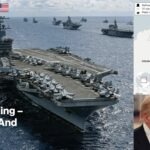
Beneath the diplomatic flurry, both sides are hedging for failure. The US maintains a naval presence and has signaled readiness for renewed strikes if red lines (e.g., enriched uranium removal, verifiable nuclear limits) are crossed. Iran has fortified positions, prepared contingencies for uranium security, and shown reluctance on core concessions. Regional proxies, Hormuz control disputes, and sanctions scale remain flashpoints.
This “talk-while-preparing” posture explains the volatility: hopeful reports ease prices temporarily, but unresolved gaps keep risk premiums elevated.
When Might a Deal Materialise?
No firm timeline exists, and as of May 22, no official confirmation or announcement has followed the ILNA report, consistent with prior patterns of walk-backs. A narrow framework (ceasefire extension + Hormuz reopening + initial sanctions steps) could emerge in days to a couple of weeks if gaps narrow further. A fuller comprehensive deal, addressing nuclear stockpiles and regional issues, appears more likely in June or later, if at all. Trump has indicated willingness to wait a short period but warned of swift escalation otherwise.
In summary, the ILNA-driven optimism highlights real progress via Pakistan’s channel amid Chinese influence, but it also underscores the fragility. Markets will swing on every leak, yet sustainable de-escalation requires bridging fundamental distrust. For now, diplomacy remains the priority backed by visible military contingencies on both sides. Developments will hinge on the next exchanges through Islamabad.