US Accuses Pakistan of Sheltering Iranian Military Planes at Nur Khan Airbase
Dubai, May 12, 2026 | In a revelation that has strained diplomatic trust across West Asia, U.S. officials have accused Pakistan of quietly allowing Iranian military aircraft to park at a high-profile airbase near its capital, potentially shielding them from American strikes even as Islamabad positioned itself as a neutral mediator between Washington and Tehran.
The claims, first reported by CBS News on May 11, centre on Pakistan Air Force Base Nur Khan, located on the outskirts of Rawalpindi adjacent to Islamabad. Days after President Donald Trump announced a ceasefire with Iran in early April 2026, Tehran dispatched multiple aircraft to the base, including an Iranian Air Force RC-130, a reconnaissance and intelligence-gathering variant of the venerable Lockheed C-130 Hercules tactical transport plane.
U.S. officials, speaking anonymously to discuss sensitive national security matters, described the move as a calculated effort to protect Iran s remaining aerial assets amid ongoing tensions. The ceasefire, brokered in large part by Pakistani diplomats, followed months of escalating conflict that began with U.S. and Israeli strikes on Iranian nuclear facilities, ports, and military sites in late February 2026. Iran retaliated with missile and drone barrages targeting Gulf shipping and energy infrastructure, disrupting oil flows through the Strait of Hormuz and driving global energy prices sharply higher.
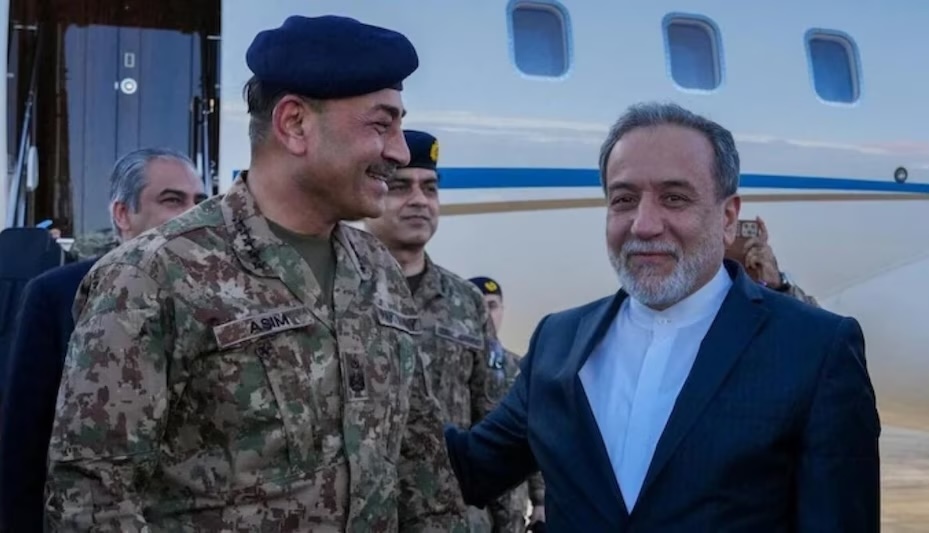
Pakistan s role in the diplomacy has been highly visible. Prime Minister Shehbaz Sharif and Army Chief General Asim Munir hosted indirect talks in Islamabad, shuttled proposals between the two sides, and facilitated high-level visits. The April 8 ceasefire, initially set for two weeks and later extended, required Iran to reopen the Strait of Hormuz and commit to further negotiations. Yet behind the scenes, the CBS report suggests a more complicated picture. Nur Khan, a key hub for Pakistan s air mobility and VIP operations, also hosted U.S. delegations and aircraft during the same period, underscoring the base s dual-use nature in the mediation process.
Pakistani officials have pushed back forcefully. A senior government source told CBS News the allegations are implausible: Nur Khan base is right in the heart of the city. A large fleet of aircraft parked there can t be hidden from the public eye. Other Pakistani voices described the story as misleading and blown out of proportion, insisting that any Iranian aircraft presence was limited to routine diplomatic logistics tied to the U.S.-Iran talks. Both Iranian and American planes arrived at the base for delegation support, they argued, not military sheltering.
The denial echoes statements from Afghan authorities, who similarly rejected reports that Iran moved a civilian aircraft to Herat province for safekeeping. Taliban officials insisted no Iranian military planes were present on their soil.
Strategic Stakes and Historical Echoes
Nur Khan Airbase situated in one of Pakistan s most densely populated military garrison areas. It has long served as a logistical lifeline for high-level diplomacy. In recent weeks, it has seen a flurry of activity: at least six U.S. aircraft landed there ahead of planned talks, and American C-130s have ferried security teams and officials. Its central location makes large-scale covert operations logistically challenging, yet its proximity to Rawalpindi s military headquarters also offers symbolic protection under Pakistan s watchful eye.
The accusations tap into long-standing suspicions about Pakistan s foreign policy tightrope. Islamabad maintains close ties with China, its largest arms supplier, accounting for roughly 80 percent of major imports and has historically balanced relations with Washington while deepening economic and security links with Tehran. Critics, including some U.S. lawmakers, see a pattern of double dealing.
Senator Lindsey Graham (R-SC) wasted no time reacting. He called for a total re-evaluation of America s relationship with Pakistan, suggesting the reports, if accurate, prove Islamabad has been playing a dangerous double game. Graham referenced prior statements by Pakistani defence officials toward Israel as further evidence of shifting alignments.
U.S. Central Command declined direct comment, referring inquiries back to Pakistani and Afghan officials. No public satellite imagery or independent verification of the specific aircraft movements has surfaced, leaving room for interpretation and skepticism.
Fragile Ceasefire and Broader Implications
The controversy arrives at a precarious moment. The April ceasefire has held in its core elements. There have been no major exchanges of fire since early April but sporadic incidents and duelling ultimatums continue. Iran has submitted fresh proposals via Pakistani channels, including offers to delay nuclear talks in exchange for reopening the Strait of Hormuz permanently. Trump has extended the truce indefinitely to allow more time for diplomacy, but he has also warned that Iran s concessions remain not enough.
For Pakistan, the stakes are existential. Success as mediator could burnish its global image and secure continued U.S. security cooperation. Failure or perceived bias risks alienating Washington at a time when economic pressures from the regional conflict (including higher fuel costs) are already straining Islamabad s budget. Gas prices in the United States have climbed to multi-year highs, with California averaging $6.16 per gallon, partly attributed to the Hormuz disruptions.
Analysts note the episode highlights the limits of backchannel diplomacy in a multipolar region. Pakistan is not a neutral actor in the classic sense, one Western diplomat observed privately. It is a stakeholder with deep interests in stability along its borders and access to Iranian energy routes. China, which backs both Pakistan and Iran, has remained largely silent but benefits from any de-escalation that preserves Belt and Road investments. As of May 12, neither side has escalated the aircraft dispute into formal diplomatic protests. Islamabad insists mediation efforts are moving ahead, while Washington continues to monitor compliance with the ceasefire terms. Yet the CBS report has already fuelled online debate, with some accusing Pakistan of repeating past patterns echoing the 2011 Osama bin Laden raid fallout, and others praising it for pragmatic regional hedging.
The full truth may never be declassified. What is clear is that in the high-stakes chessboard of U.S.-Iran relations, Pakistan s airbases have become unintended symbols of the trust gap that still separates rhetoric from reality. Whether this episode derails the fragile peace process or merely underscores the messy realities of shuttle diplomacy remains to be seen.