Delhi Heritage Walk: One Epic Day in Delhi’s Power Corridor: Rashtrapati Bhavan to India Gate
This blog is part of our ongoing Delhi Heritage Walk series, specially created for Delhites looking for weekend getaways/winter breaks, newcomers settling in NCR, and friends/relatives visiting the capital. Each post in the series clubs 2-3 iconic, walkable or short-drive locations that share a common theme or geography and can be covered comfortably in a day. The goal is simple: give you practical, real-life details based on personal experiences so you can enjoy Delhi’s history, architecture, and patriotism without stress, crowds, or surprises.
This particular post brings together the grand presidential estate including the Rashtrapati Bhavan Main Building, Museums, and Amrit Udyan the newly opened public avenue, and the iconic war memorials into one unforgettable full-day experience.
If you love blending grand architecture, serene gardens, patriotic reflection, and effortless walking, this one-day package is perfect. The entire loop sits along the majestic Raisina Hills Kartavya Path axis (formerly Rajpath). You start at the highest point (Rashtrapati Bhavan) and naturally descend 3 km eastward to India Gate. Total walking is moderate (3-5 km spread across the day), with plenty of shaded paths and photo stops.
Best experienced in winter (November – February) when the weather is pleasant (10 -25°C otherwise, you may not enjoy especially during summer), flowers are in full bloom in the gardens, and the light is magical for photos.
Suggested Full-Day Itinerary (9 AM – 6 PM)
A suggested full-day itinerary (9:30 AM – 6 PM) for the covered “Delhi Heritage Walk” as follows:
9:30 AM – 11:00 AM: Rashtrapati Bhavan Main Building guided tour (adjust based on your booked slot; you can swap order with Museums/Amrit Udyan)
11:00 AM – 12:30 PM: Museums
12:30 – 2:30 PM: Amrit Udyan Gardens + lunch
2:30 – 3:30 PM: Leisurely walk or drive down Kartavya Path
3:30 – 6:00 PM: India Gate lawns & National War Memorial
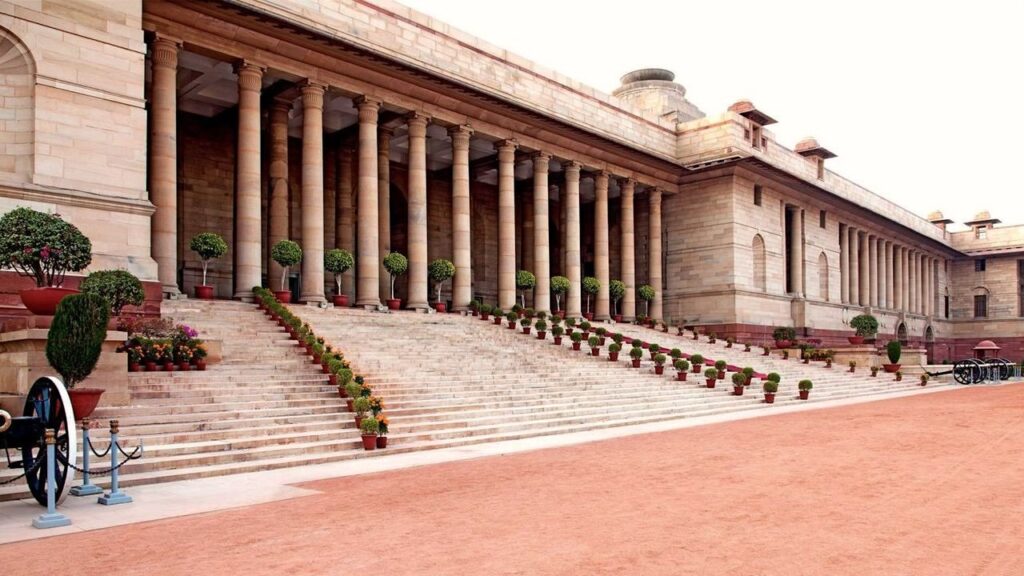
Rashtrapati Bhavan – The Presidential Palace
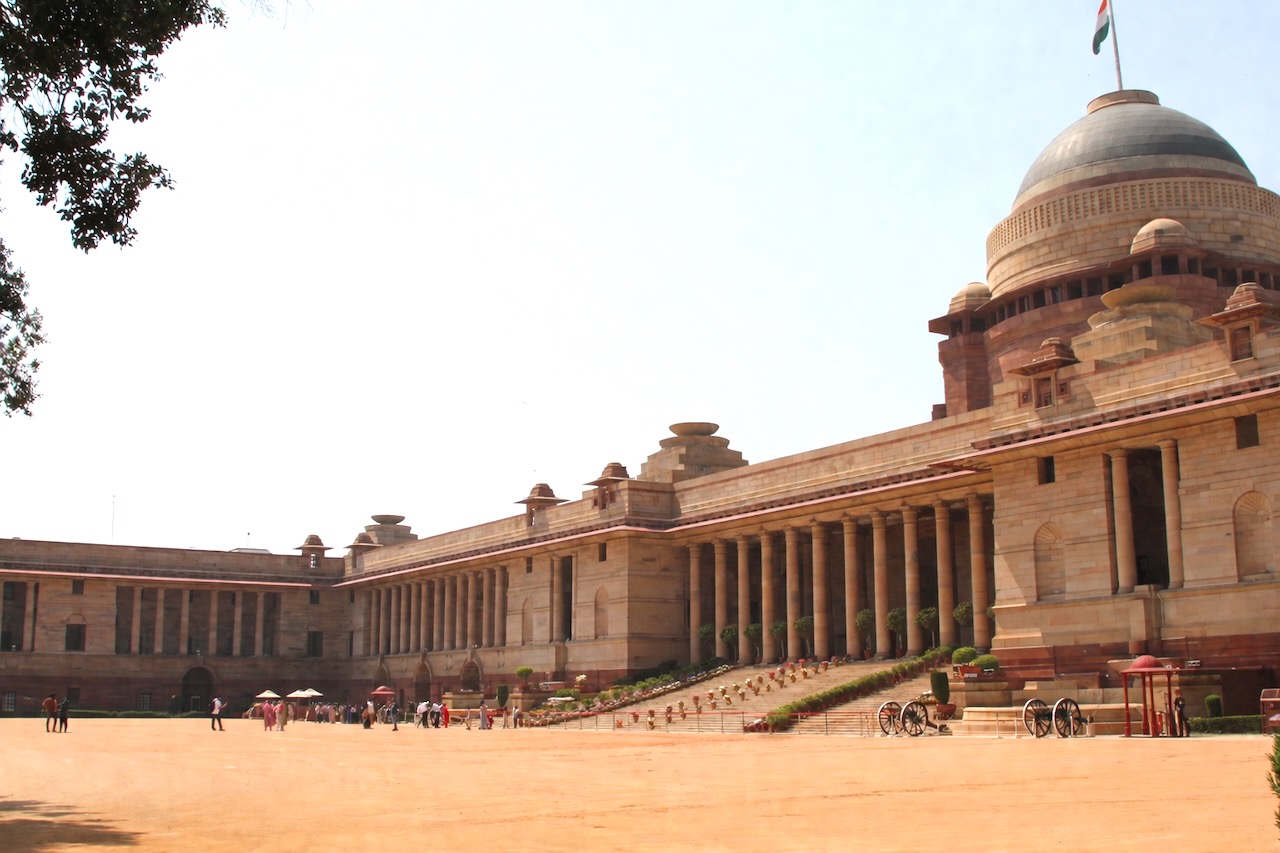
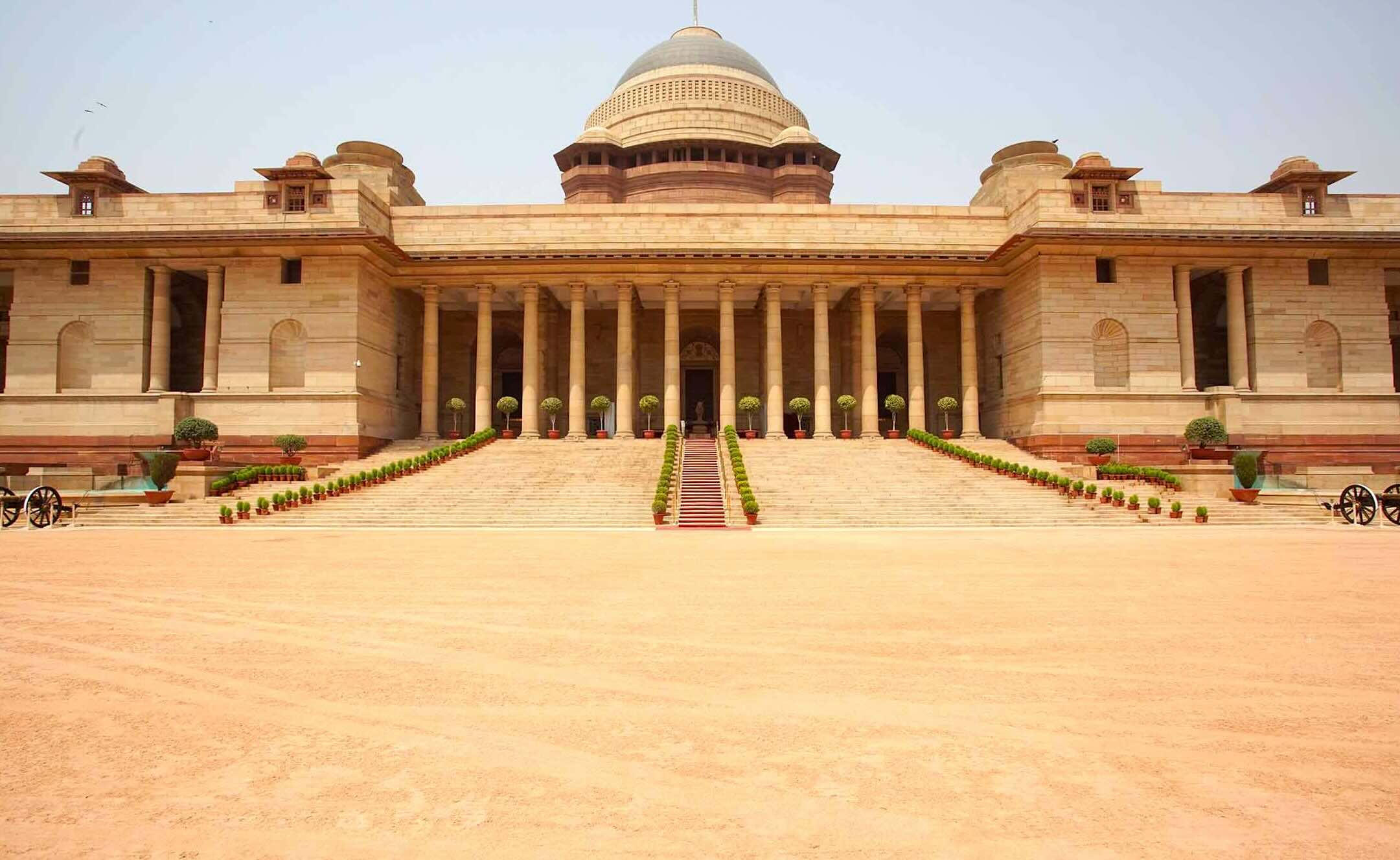
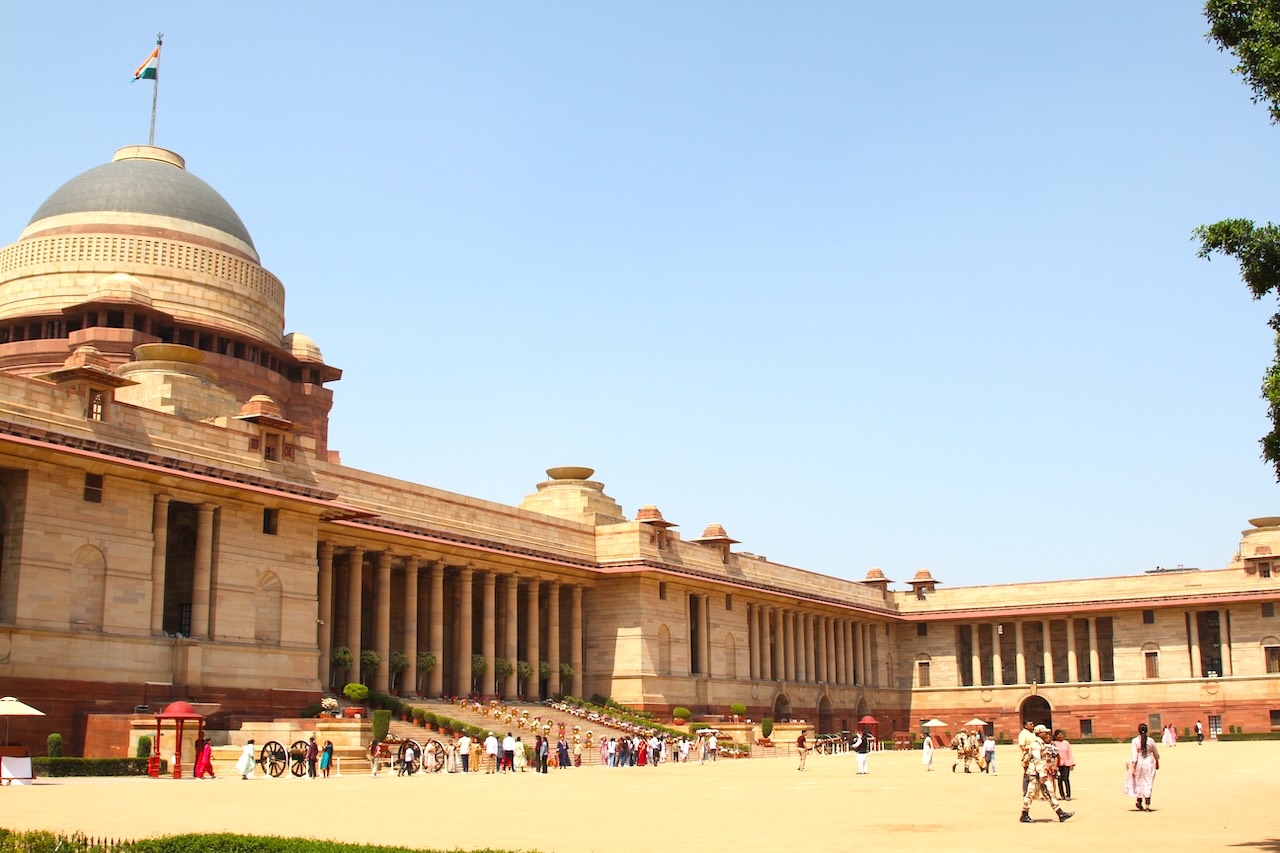
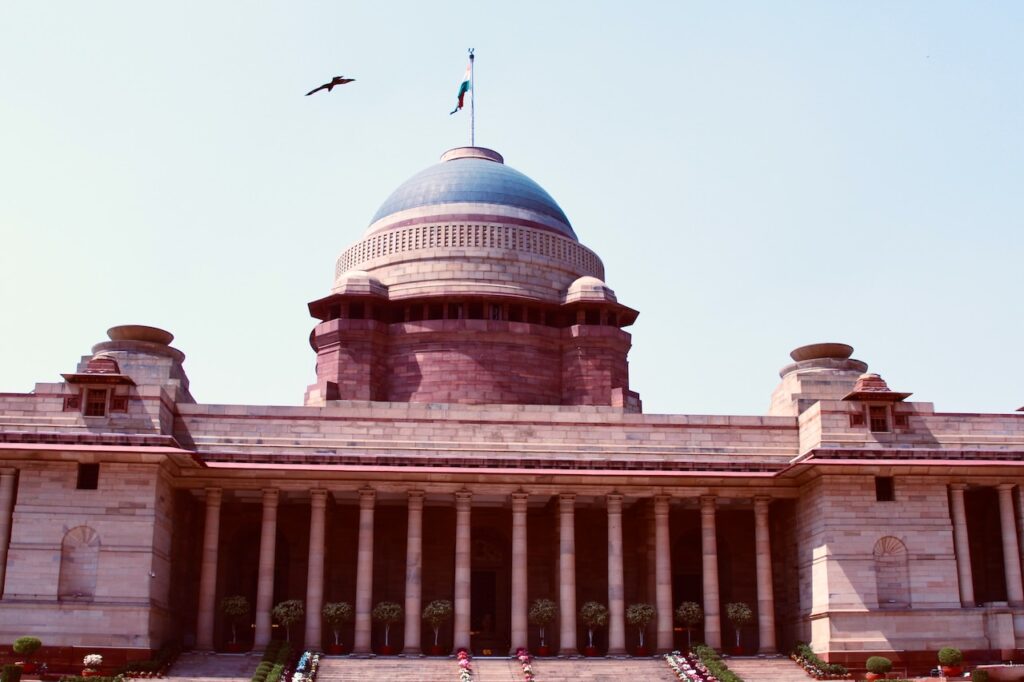
Built between 1912 and 1929 by Sir Edwin Lutyens and Herbert Baker as the Viceroy’s House, this 340-room Indo-Saracenic masterpiece became the official residence of the President of India after Independence in 1947. Standing atop Raisina Hill, it is a symbol of India’s democratic power and architectural brilliance.
What actually happens when you arrive
Real Visitor Experience:
You reach the designated visitors entrance gate (details given in your booking confirmation), show your booking, park your car, and walk to the main reception (we were allocated Visitors Gate No. 37).
You register, show your ID and booking QR code. Security is strict but courteous. You must deposit all electronics, cameras, mobile phones, car keys, and bags in the cloakroom, only your wallet is allowed inside. No exceptions.
Visitors are taken inside strictly in batches of a fixed number (usually 20 – 30 people). The guided tour is timed and controlled by your official escort/guide. You move from one hall to the next at a steady pace, total time inside the main building is fixed (roughly 45-60 minutes). The experience feels organised and respectful, never rushed.
Halls you visit and their ceremonial significance:
Gantantra Mandap (formerly Durbar Hall/Throne Room): Located directly under the iconic central dome. This circular marble hall was once the throne room for the Viceroy. Today it hosts defence investiture ceremonies where gallantry awards are presented and important national functions. A single high chair for the President stands under a magnificent Belgian glass chandelier hanging 33 metres high.
Ashok Mandap (formerly Ashoka Hall): A grand rectangular ballroom (32m × 20m) with wooden flooring. It is used for state banquets, ceremonial receptions, and official functions such as the swearing-in of ministers and ambassadors.
Brahmaputra Hall (Banquet Hall): The formal dining space for large state dinners.
Saraswati Hall (Library): Elegant reading room showcasing presidential heritage.
North Drawing Room, Saryu & Satluj Rooms, Janjatiya Darpan (Tribal Gallery), and Sutrakala Darpan (Textiles Gallery): These showcase India’s cultural diversity and presidential gifts.
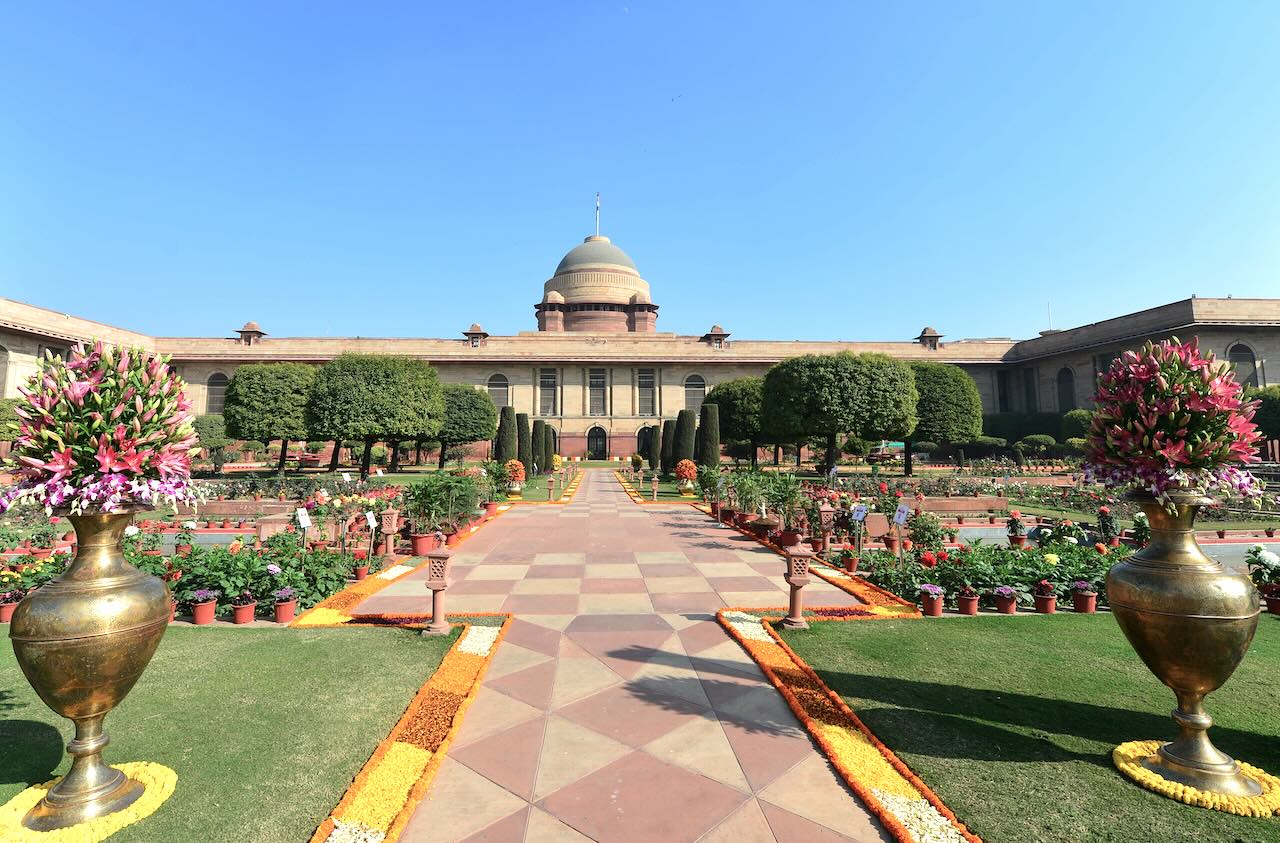
After the indoor guided tour, you are free to wander externally on the front forecourt facing Kartavya Path and India Gate. This is the best spot for unrestricted photography, the view of the entire 3-km avenue is breathtaking.
Rashtrapati Bhavan Museum Complex
After the main building, drive (or take the provided shuttle) to the designated museum-side entrance (it can feel a bit far, but parking is never an issue, ample parking is available).
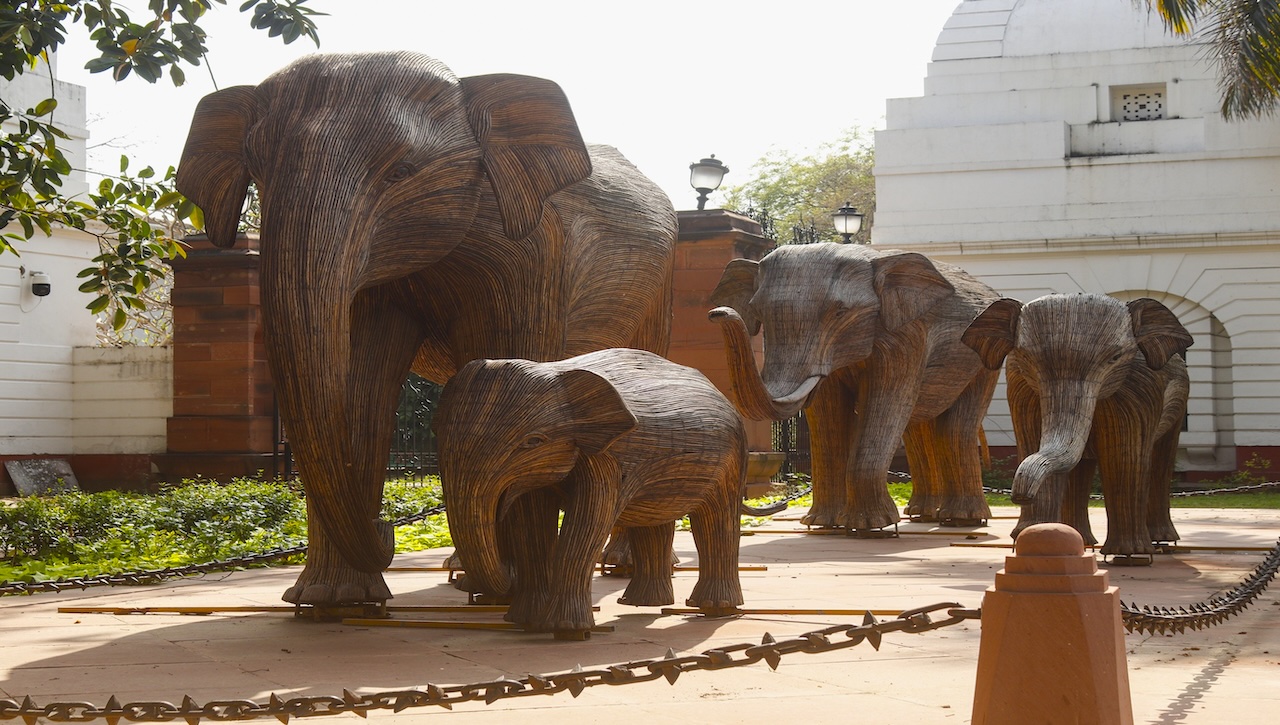
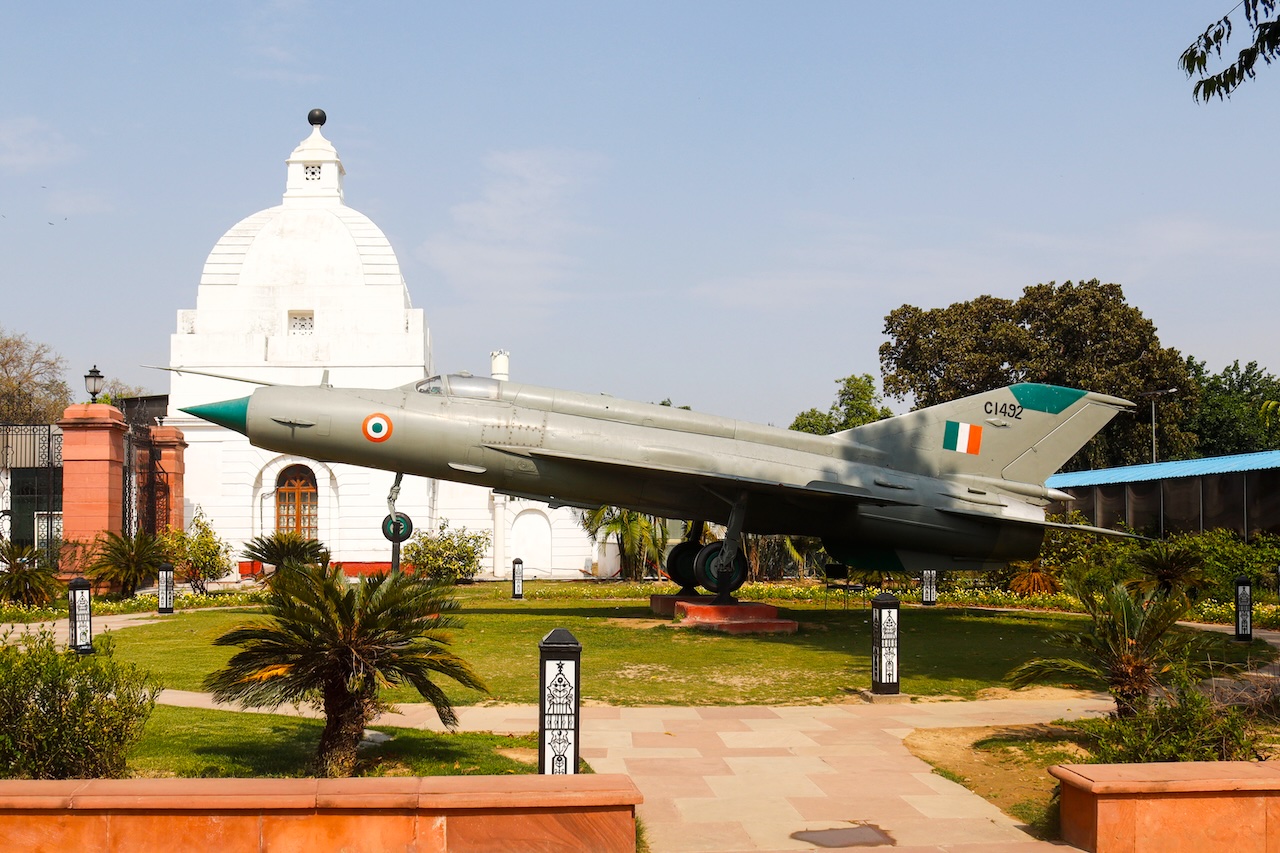
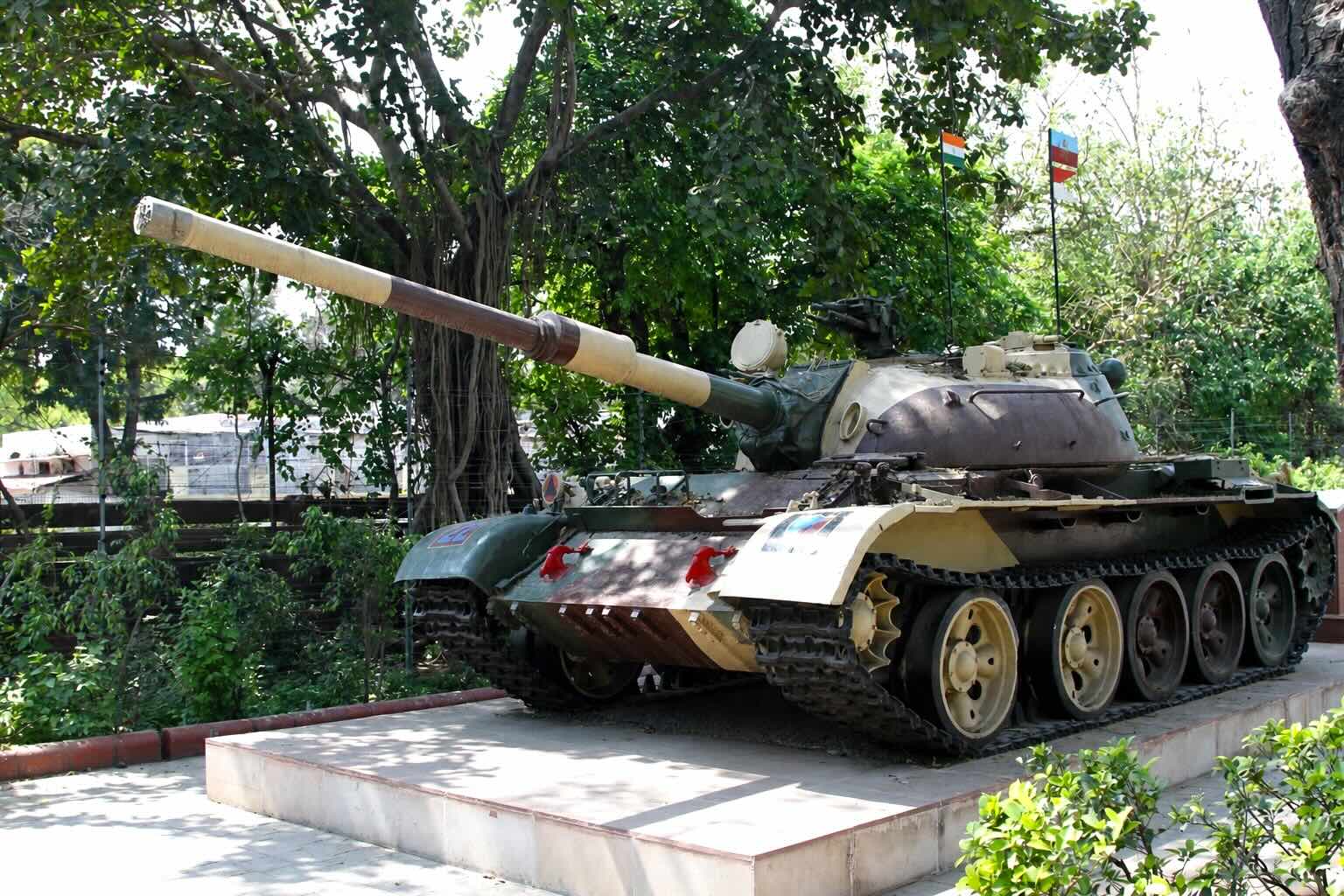
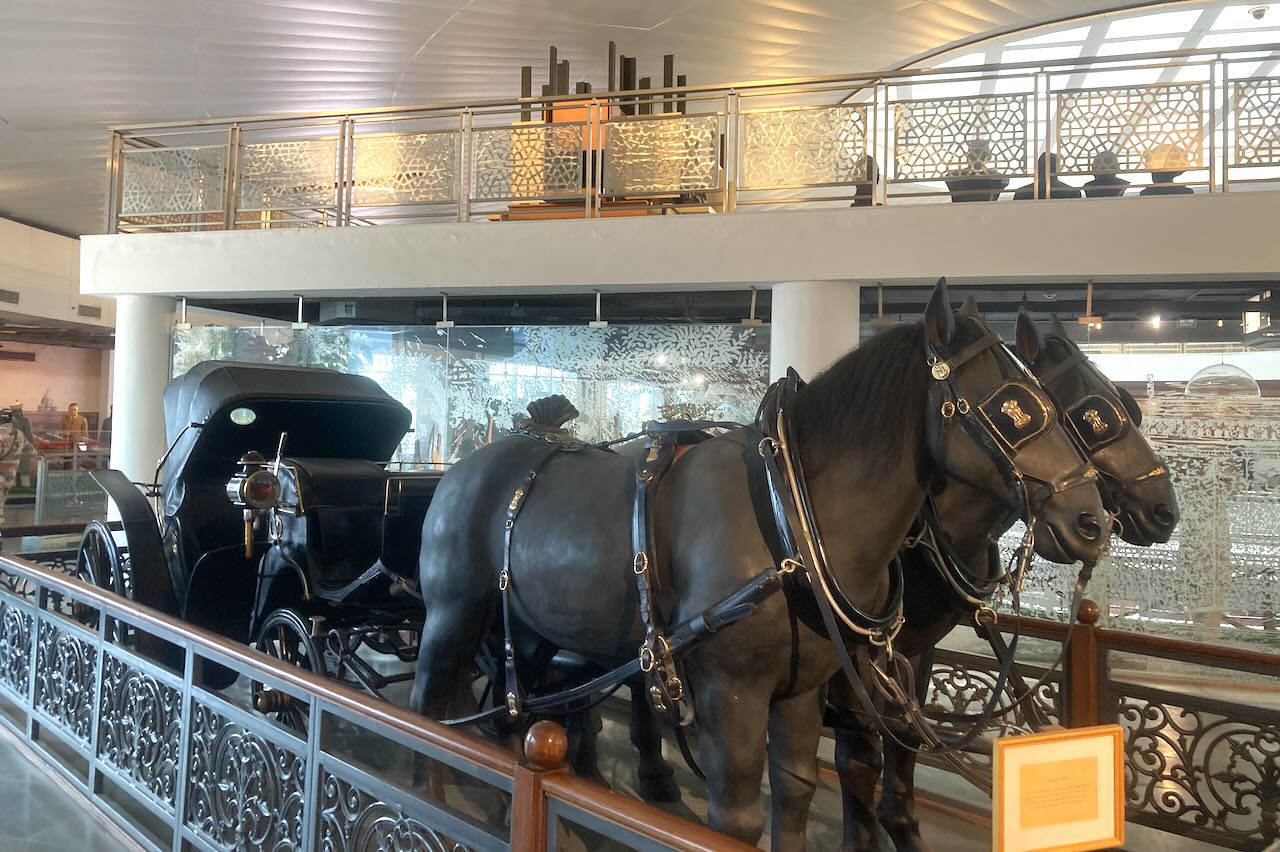
The museum complex has two main buildings: the newer underground and aboveground structure built on multiple levels (sensitive to heritage, with Lutyens original structures preserved above) and the older heritage building opposite it. There is also a beautiful old church within the estate and a decent air-conditioned restaurant where you can grab snacks, coffee, or a light lunch.
The museum itself is excellent it takes you through the lives of past Presidents, the making of Rashtrapati Bhavan, regal ceremonies, and the estate’s rich flora and fauna. Plan 45-60 minutes here.
Amrit Udyan (Presidential Gardens)
After finishing the museum, walk to Amrit Udyan through internal streets. Entry is free but requires separate (easy) advance booking.
Do NOT throw away your museum tickets! They will be checked when you exit the gardens and return to the museum area to reach your car park.
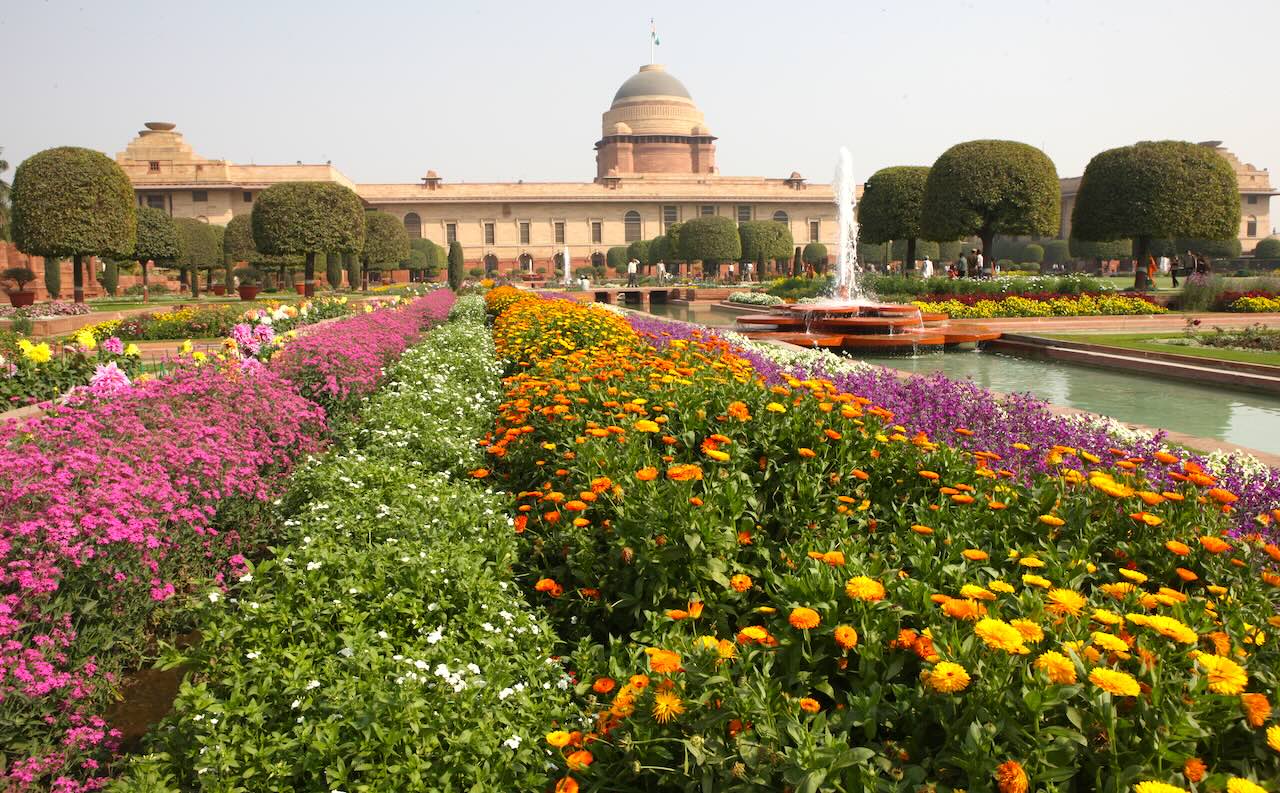
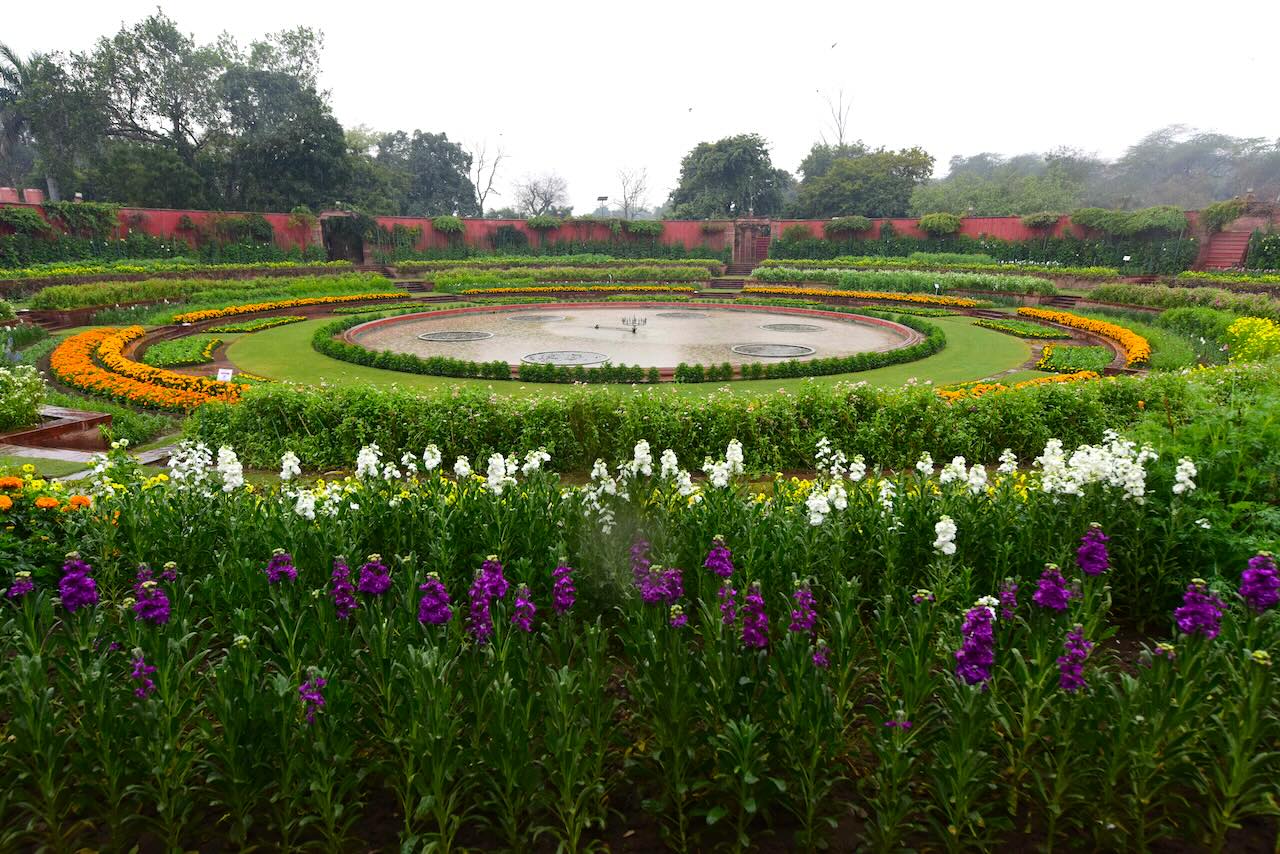
Spread over 15 acres, Amrit Udyan (formerly Mughal Gardens) is a masterpiece blending Mughal charbagh symmetry with English landscaping. Specialities include Central Lawn, Long Garden, Circular Garden, Musical Garden, Spiritual Garden, Sensory/Tactile Garden, Arogya Vanam (herbal garden), Herbal Gardens, Bal Vatika (children’s garden), and beautiful lotus-shaped fountains. Seasonal flowers, QR codes for plant identification, tree-lined paths, and water channels make it a visual treat.
Raisina Hills & Kartavya Path (Central Vista)
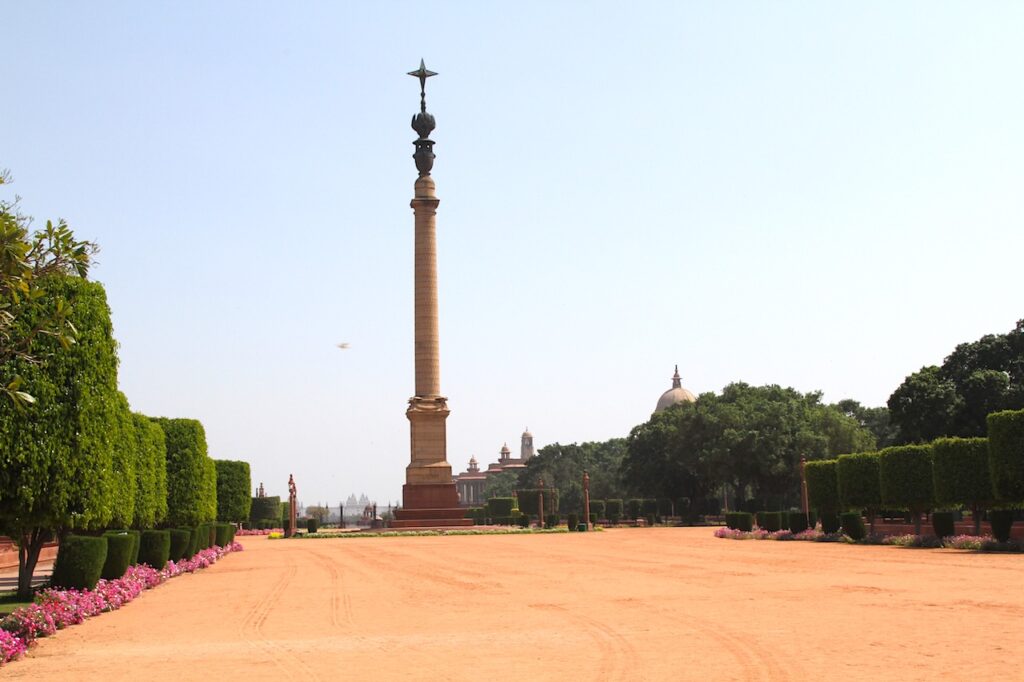
From the Rashtrapati Bhavan gates, simply start walking (or drive) down the newly redeveloped 3-km Kartavya Path. The wide, tree-lined boulevard offers panoramic views of North and South Blocks, Vijay Chowk, and the entire vista. Flat, paved, and pedestrian-friendly, perfect for photos and a relaxed stroll.
India Gate & National War Memorial
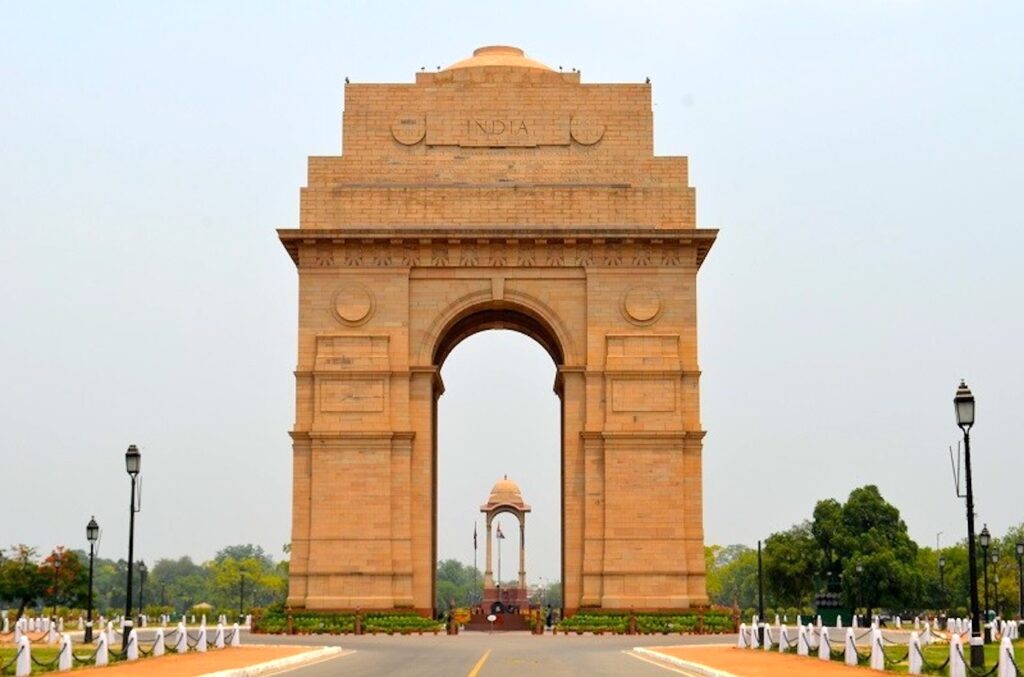
India Gate is the 42-metre-high sandstone arch designed by Lutyens in 1931. Originally built to honour 74,187 Indian soldiers who died in World War I and the Third Anglo-Afghan War, it remains one of Delhi’s most iconic landmarks. The lawns around it are lively in the evenings families picnic, vendors sell snacks, and the atmosphere is festive yet respectful.
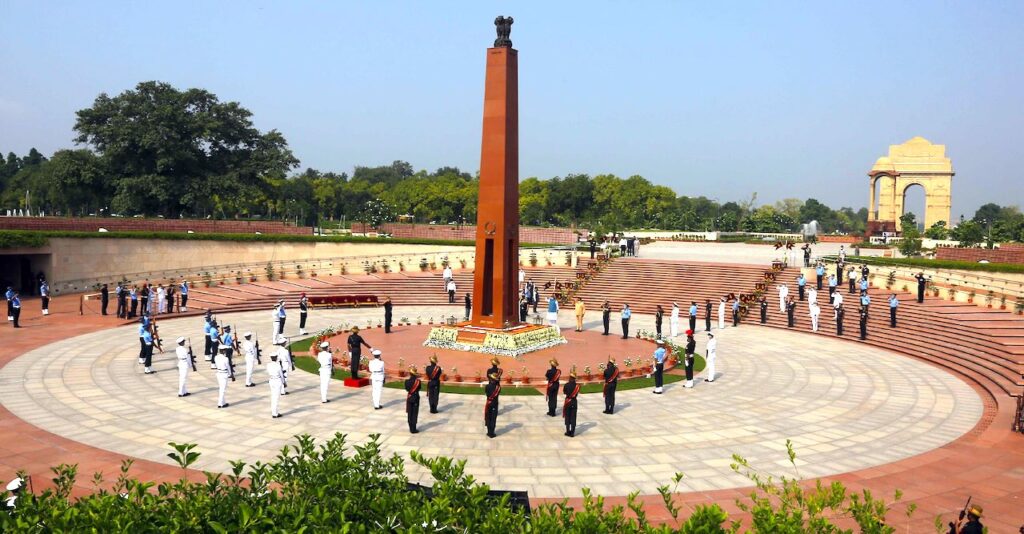
Just behind and integrated with the C-Hexagon is the National War Memorial (spread over 40 acres). Inaugurated in 2019, it honours over 26,000 Indian Armed Forces martyrs from post-Independence wars (1962, 1965, 1971, Kargil, and UN missions). The design follows the ancient chakravyuha formation. At its heart is the eternal flame (Amar Jawan Jyoti, shifted here from India Gate in 2022) along with an inverted bayonet and soldier’s helmet. The walls carry engraved names of the brave. The entire complex is solemn, beautifully maintained, and deeply moving. Walking around the rings and obelisk takes 45-60 minutes.
General Practical Tips
Best Time of Year: October – March (winters are ideal). Amrit Udyan is usually open February – March and August – September. Avoid summers (April – June) due to extreme heat while walking and monsoons (July – September) due to unexpected rains, slippery paths, and humidity.
Days to Avoid: Mondays (main building closed), weekends (India Gate crowded).
Advance Booking: Mandatory for Rashtrapati Bhavan Main Building & Amrit Udyan via https://visit.rashtrapatibhavan.gov.in/. Book 30+ days ahead.
How to Reach: Central Secretariat Metro (Yellow/Violet Line).
Total Cost (2 adults): ₹200 – 400.
What to Carry: Valid ID, water, comfortable shoes, modest clothing.
This one-day circuit gives you the complete soul of Delhi experience royal, historical, and patriotic. Perfect for families, history lovers, and first-time visitors alike. Always check the official websites on the day of your visit for any last-minute changes in timings or garden openings.
Stay tuned for the upcoming blogs in this series!
We will be covering detailed guides to Qutub Minar, Lal Qila (Red Fort), Jama Masjid, Purana Qila (Old Fort), Humayun’s Tomb, Bharat Mandapam, Lotus Temple, Akshardham Temple, Raj Ghat Memorial, Nehru Park, Lodhi Gardens, National Museum, Rail Museum, and many more iconic spots. Each post will include practical tips, historical insights, how-to-reach details, and clubbing suggestions so you can explore Delhi’s rich heritage one perfect day at a time.
Continue reading Delhi Heritage Walk Series Part 2: Jama Masjid, Lal Qila, Raj Ghat Memorial and Optional Gauri Shankar Mandir + Digambar Jain Lal Mandir.