F-15E Strike Eagle Lost Over Iran – Conflicting US and Iranian Claims Emerge After Risky Rescue Claims
On April 5, 2026, President Donald Trump announced: “WE GOT HIM!” — referring to the safe extraction of the second crew member, a highly respected Colonel serving as Weapons Systems Officer (WSO).
Timeline of Events
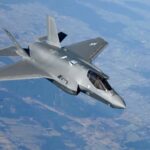
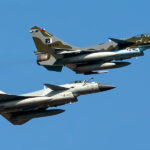
April 3, 2026: The two-seat F-15E Strike Eagle is shot down by Iranian air defences over southwestern or central Iran (reports point to areas near Isfahan or Kohgiluyeh province). Both the pilot and WSO eject safely. The pilot is rescued shortly afterward onboard same night. An A-10 Warthog is also reported damaged or downed in the broader operation.
April 3–4: US forces launch intensive CSAR involving HH-60 Pave Hawk helicopters, MC-130J Commando II variants (special operations C-130s), and ground teams. Low-level flights over Iranian territory are captured on video. Iran mobilizes forces and offers rewards for information on the missing airman.
April 4–5 (Overnight): A complex nighttime extraction targets the WSO, who evaded capture for over 24–48 hours in rugged mountainous terrain while injured. US special operations forces conduct the rescue amid reported firefights.
April 5: Trump announces the successful recovery on Truth Social, describing the airman as “SAFE and SOUND” despite injuries. No US fatalities are reported by American officials.
US Narrative: Tactical Success with High Risks
US officials and President Trump portray the mission as a resounding success:
- Both crew members recovered alive — the first quickly, the second after a prolonged evasion in difficult terrain.
- The operation involved “dozens of aircraft” and special forces, with Israeli intelligence support acknowledged in some reports.
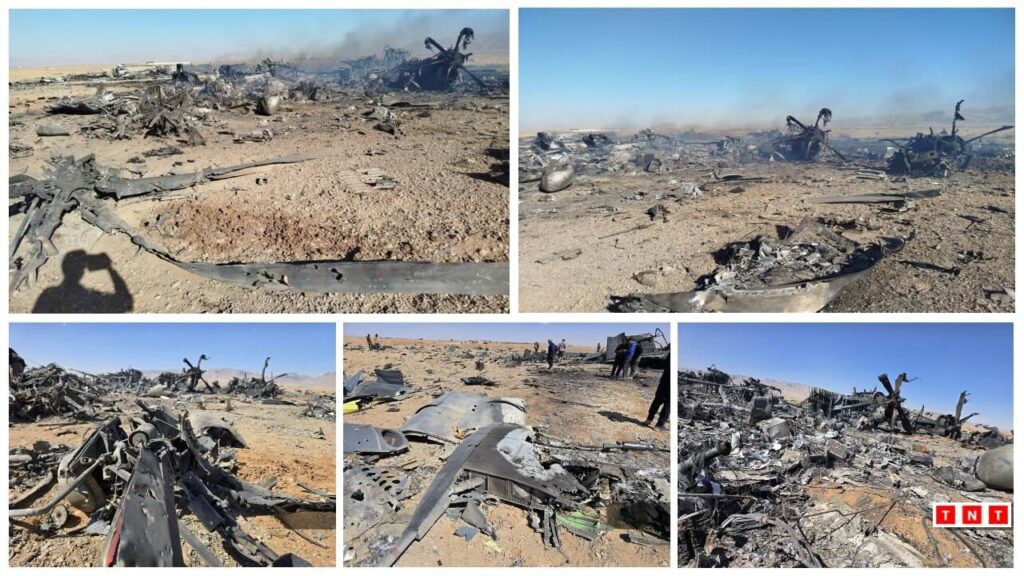
- Emerging details suggest at least two MC-130J aircraft became immobilized on austere landing zones and were intentionally destroyed by US forces to prevent sensitive technology from falling into Iranian hands. This explains visible wreckage without admitting shootdowns.
- Emphasis on the WSO’s bravery: hiding in crevices, navigating mountains with limited gear, and avoiding detection as Iranian forces closed in.
Strengths: Demonstrates US special operations capability in denied environments and commitment to “no one left behind.” Western media (CNN, NBC, Reuters, BBC) largely align with this account based on US official sources.
Iranian Claims: Evidence of Resistance and Material Losses
Critical Analysis: Logistical Gaps and Questions
Several aspects raise legitimate scrutiny of the streamlined US success story:
Use of Fixed-Wing Transports: Why deploy large MC-130J aircraft (that caries ~90 troops /42,000 lb payload) for landings in remote, hostile mountainous terrain and unknown terrotory instead of relying solely on helicopters for extraction? The “stuck due to terrain” explanation is plausible for special ops but conveniently accounts for expensive wreckage.
Evolving Details: Early reports focused on one missing airman; the final announcement framed a complete victory. Firefight intensity varies across sources, with US accounts minimizing personnel losses.
Wreckage Reconciliation: Self-destruction of assets is standard US doctrine to deny technology, yet Iranian visuals and claims align temporally and geographically with the operation. Dismissing them outright as “propaganda” without equivalent verification leaves room for doubt.
Broader Context: This was the first confirmed US manned fighter loss in the conflict, occurring despite prior assertions of degraded Iranian air defenses. The need for such a high-risk, multi-day CSAR underscores real operational challenges.
Independent verification remains limited due to the fog of war — no neutral on-ground access or publicly confirmed commercial satellite imagery has fully resolved the discrepancies as of April 5, 2026.