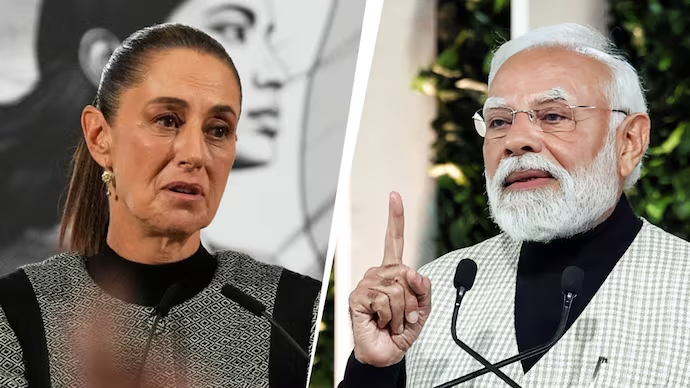
Mexico Slaps 50% Tariff on India — Key Implications for Trade
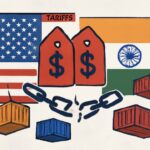
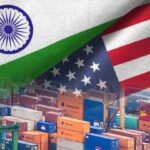
Mexico’s Senate approved a sweeping tariff regime that will raise duties on imports from countries without free trade agreements — including India, China, South Korea, Thailand, Indonesia and Vietnam — up to 50% on certain goods from 1 January 2026. The decision marks a significant shift in Mexico’s trade policy, with direct implications for Indian exporters and broader global supply chains.
Why Mexico Imposed the Tariff
The Mexican government, led by President Claudia Sheinbaum, framed the higher duties as a protective measure for domestic industry and jobs. The official rationale emphasises several strategic goals:
- Shielding local manufacturers from what Mexico views as excessive import competition, especially in sectors such as automobiles, textiles, steel, plastics and footwear.
- Reducing import dependence to promote homegrown production and industrial resilience.
- Addressing fiscal needs with projected tariff revenue of roughly $3.7–$3.8 billion in 2026 that could help ease budget shortfalls.
The Mexico tariff structure applies to more than 1,400 imported items and aims to level the playing field for Mexican producers competing with lower-cost Asian imports.
Geopolitical and Strategic Context
Mexico’s move comes amid a broader wave of protectionist measures in global trade. Observers note that:
- The decision aligns with growing pressure from the United States for Mexico to diversify away from deepening economic ties with China and other Asian exporters.
- Washington’s influence — including past threats of U.S. tariffs on Mexican exports — may have shaped Mexico’s readiness to tighten import duties ahead of the next United States-Mexico-Canada Agreement (USMCA) review.
- Mexico remains highly integrated with global value chains under USMCA, but the tariffs underscore an emerging trend of economic nationalism even among developing economies.
Impact on India — Sectors and Exports
Automobile Exports
Under the new Mexico tariff regime, one of the most immediate effects for India will be on the automobile sector:
- Mexico is a major destination for Indian auto exports, with about $1 billion worth of vehicles — including brands such as Volkswagen, Hyundai, Nissan and Maruti Suzuki — potentially facing higher duties.
- Import taxes on cars may rise from roughly 20% to 50%, reducing price competitiveness and potentially shrinking market share.
Industry associations such as the Society of Indian Automobile Manufacturers (SIAM) had earlier sought engagement with Mexican authorities to preserve trade conditions.
Other Goods and Manufacturing Sectors
Beyond automobiles, a range of Indian manufactured goods may face new tariff barriers:
- Steel and aluminium products
- Textiles and clothing
- Plastics and intermediate goods
- Footwear and consumer products
These increased costs could prompt importers either to absorb tariffs or seek alternative suppliers, putting pressure on Indian manufacturers to re-evaluate export strategies.
Global Supply Chain Disruption and Trade Dynamics
Economists warn that increased tariffs could create supply-chain ripple effects:
- Higher input costs may create inflationary pressure for Mexican industries dependent on imported components.
- Exporters in India and other affected countries may accelerate diversification toward markets with lower tariff barriers.
- Trade friction could increase the likelihood of retaliatory measures, diplomatic negotiations and possible WTO disputes.
India’s Strategic Response Options
India’s policymakers face a challenging environment as they balance export incentives with external tariff pressures:
- Diplomatic engagement with Mexico to negotiate exemptions or phased implementation.
- Market diversification toward alternative Latin American or African markets.
- Sectoral support measures such as export credits and tax incentives for affected industries.
What to Watch Next
- Implementation progress — monitoring tariff enforcement from 1 January 2026.
- Bilateral trade talks — whether India and Mexico enter formal negotiations.
- Supply-chain shifts — how exporters adapt or reroute trade flows.
- US influence — evolving U.S. trade policy and its effect on Mexico’s economic strategy.