Hill Stations Near Delhi: Are Mussoorie, Nainital, Shimla, Kasauli and Chopta Really Cool in Summer?
Every summer, as temperatures across Delhi-NCR climb beyond 42°C and sometimes touch 45°C or higher, thousands of residents head towards the hills seeking relief. The annual rush is driven not only by the intense heat but also by the school summer vacation period, which typically begins around the third week of May and continues until the end of June. For many families, it is the only extended holiday window of the year, making destinations such as Mussoorie, Nainital, Shimla, Kasauli and Chopta the natural choice for a mountain escape.
Travel portals, social media posts and seasonal media reports routinely promote these destinations as cool mountain retreats where temperatures remain comfortably below 25°C. The promise is appealing: fresh mountain air, pine forests, scenic landscapes and a welcome escape from the oppressive heat of the plains.
The reality, however, is more nuanced.
These destinations are undeniably cooler than Delhi and remain among North India’s finest mountain getaways. Yet many travellers arrive expecting near-perfect weather, only to encounter warm afternoons, crowded roads, packed hotels and traffic jams stretching for kilometres. Understanding what these destinations truly offer, and what they do not, can help travellers make better choices and enjoy a far richer experience.
Distance and Accessibility from Delhi
One reason these destinations remain perennial favourites is their relative proximity to Delhi.
- Mussoorie: Approximately 280 to 300 km (6 to 8+ hours)
- Nainital: Approximately 300 km (7 to 8+ hours)
- Kasauli: Approximately 300 km (7 to 8+ hours)
- Shimla: Approximately 350 km (8 to 10+ hours)
- Chopta: Approximately 400 to 450 km (10 to 12+ hours)
While these travel times appear reasonable, holiday traffic can substantially increase journey durations, particularly during weekends, school vacations and long holiday periods.
The Temperature Reality Check
Many summer travel articles prominently feature minimum or average temperatures, creating an impression that daytime temperatures remain below 25°C throughout the season. Visitors often discover a different reality upon arrival.
The quoted figures frequently reflect overnight lows, early morning temperatures or seasonal averages rather than the warmer daytime temperatures travellers actually experience. While these hill stations remain significantly cooler than Delhi, visitors should not assume that daytime temperatures remain below 25°C throughout summer. In recent years, even Himalayan destinations have experienced unusually high temperatures during severe heatwave events.
Mussoorie
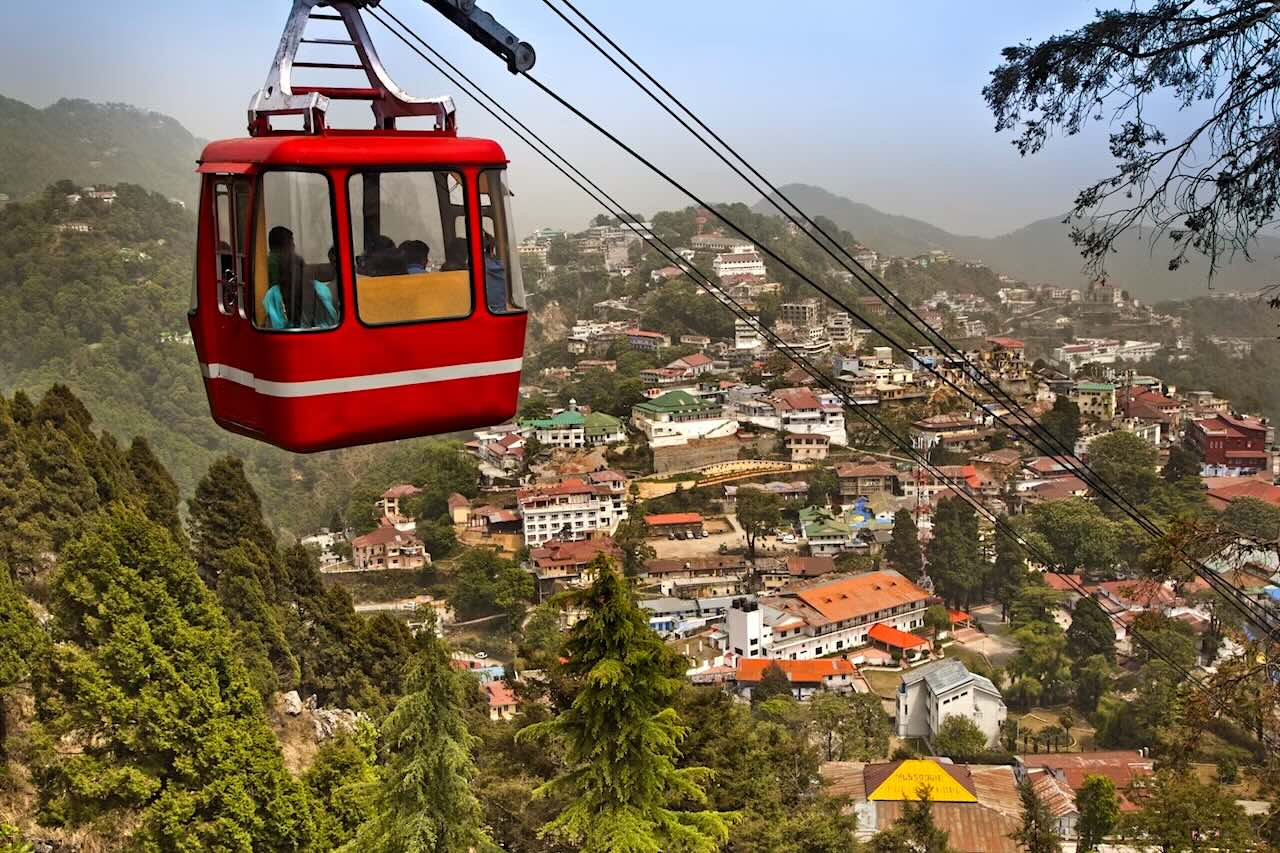
At an elevation of around 2,000 metres, Mussoorie generally enjoys pleasant summer weather. Typical daytime temperatures during May and June range between 20°C and 26°C, although warmer days can push temperatures towards 28°C to 30°C.
Travellers should also note that hill stations are not immune to extreme weather events. During the exceptional North Indian heatwave of 2024, Mussoorie reportedly recorded temperatures touching 43°C, highlighting the broader warming trend affecting Himalayan destinations.
Nainital
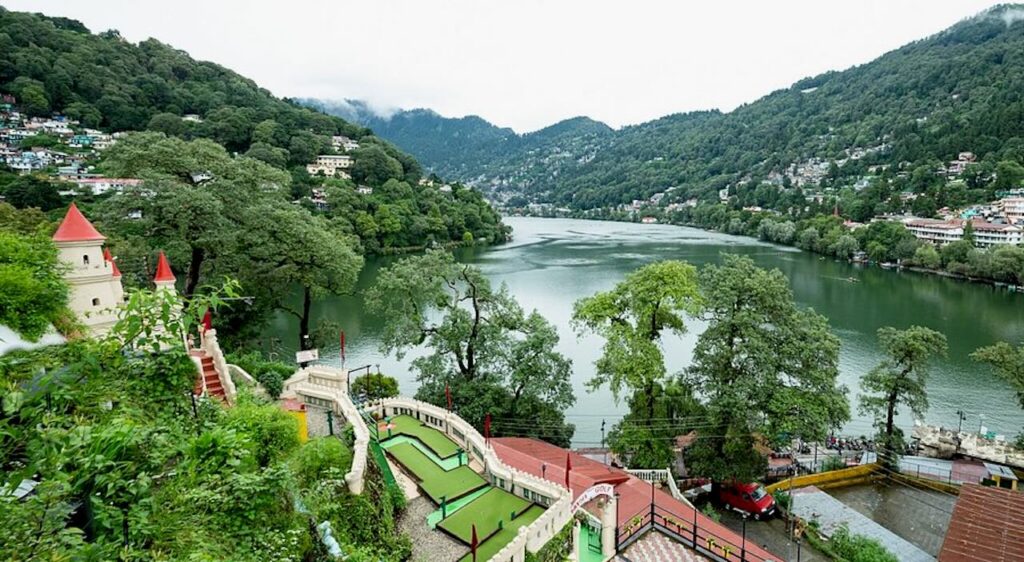
Nainital’s elevation and lakeside setting create a refreshing atmosphere, particularly during mornings and evenings. However, daytime temperatures during peak summer frequently rise into the mid to high twenties. Historical records indicate temperatures around 30°C during particularly warm periods, while recent heatwaves have occasionally pushed conditions beyond what many visitors traditionally associate with a Himalayan retreat.
Shimla
At approximately 2,200 metres above sea level, Shimla generally remains among the cooler options. Nevertheless, sunny afternoons can feel warmer than many visitors expect. While average summer temperatures remain pleasant, recorded extremes have exceeded 32°C within the town, with higher readings recorded in nearby areas.
Kasauli
Kasauli sits at approximately 1,900 metres, noticeably lower than Shimla and Chopta. This lower elevation explains why summer afternoons often feel warmer, with temperatures commonly approaching or exceeding 30°C during hotter spells. Historical extremes have touched the upper thirties.
Chopta
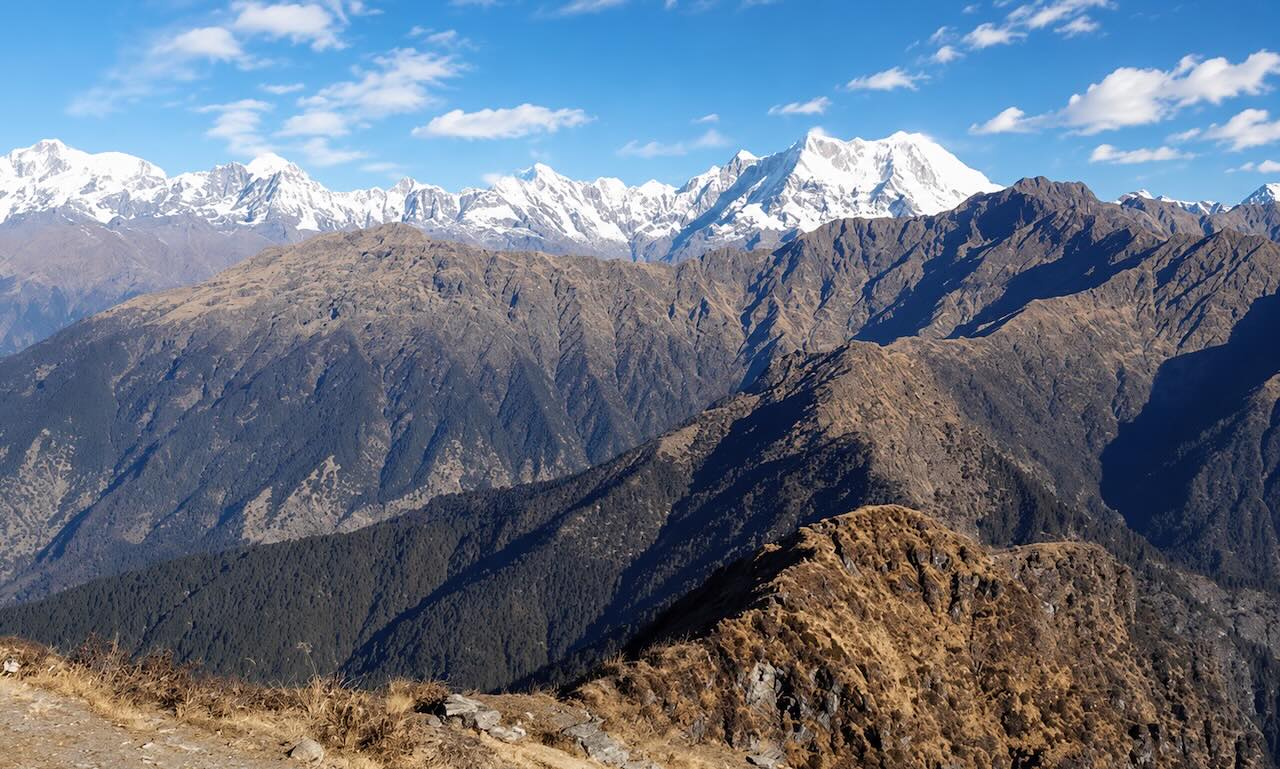
Situated between roughly 2,680 and 2,900 metres, Chopta is usually the coolest destination on this list. Summer temperatures commonly range between 10°C and 22°C, and conditions often remain pleasant even during peak season.
Unlike Mussoorie, Nainital or Shimla, however, Chopta is not a conventional hill station centred around markets and urban tourism. It is primarily a trekking and nature destination, attracting visitors heading towards Tungnath and Chandrashila.
Why These Destinations Remain So Popular
Despite the reality check, these hill stations continue to attract visitors for good reason.
Escape from the Plains
Even when temperatures approach 28°C or 30°C, the climate feels dramatically more comfortable than Delhi’s scorching summer conditions.
Scenic Beauty
Each destination offers a distinct character.
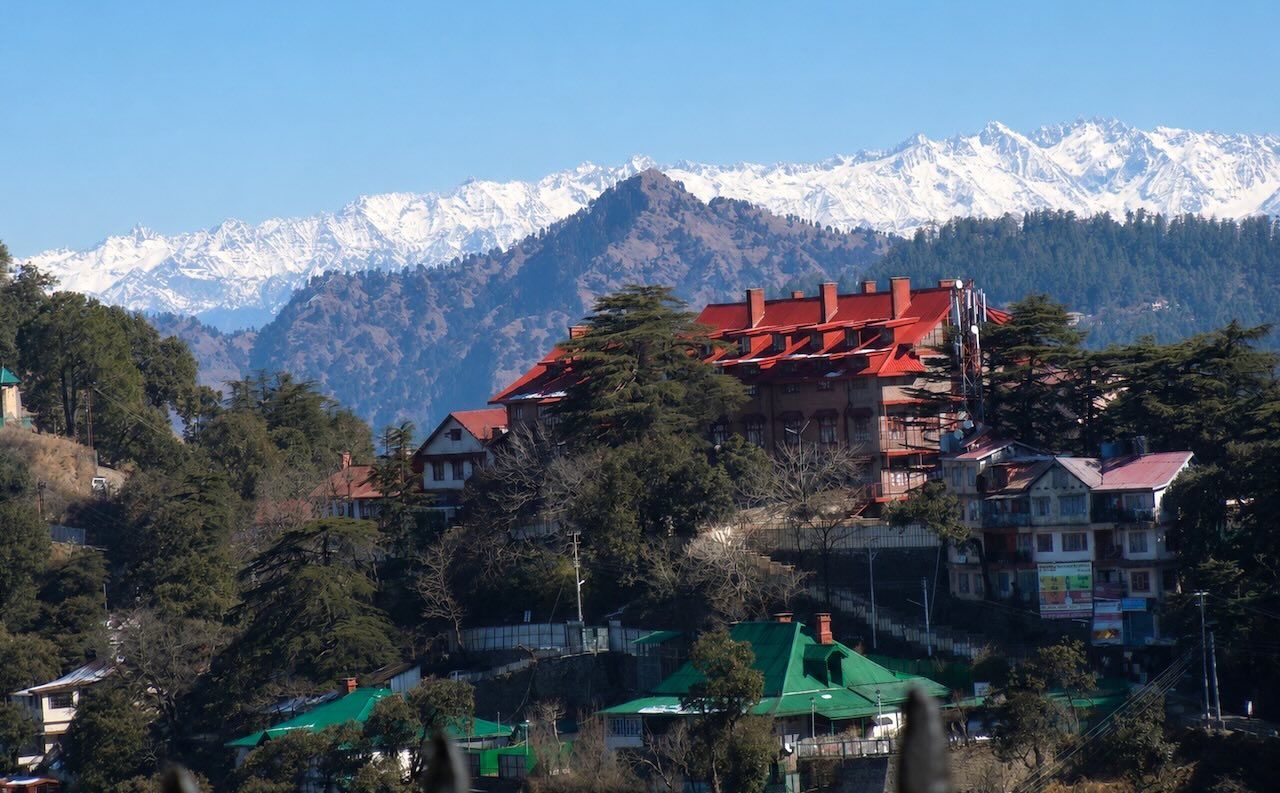
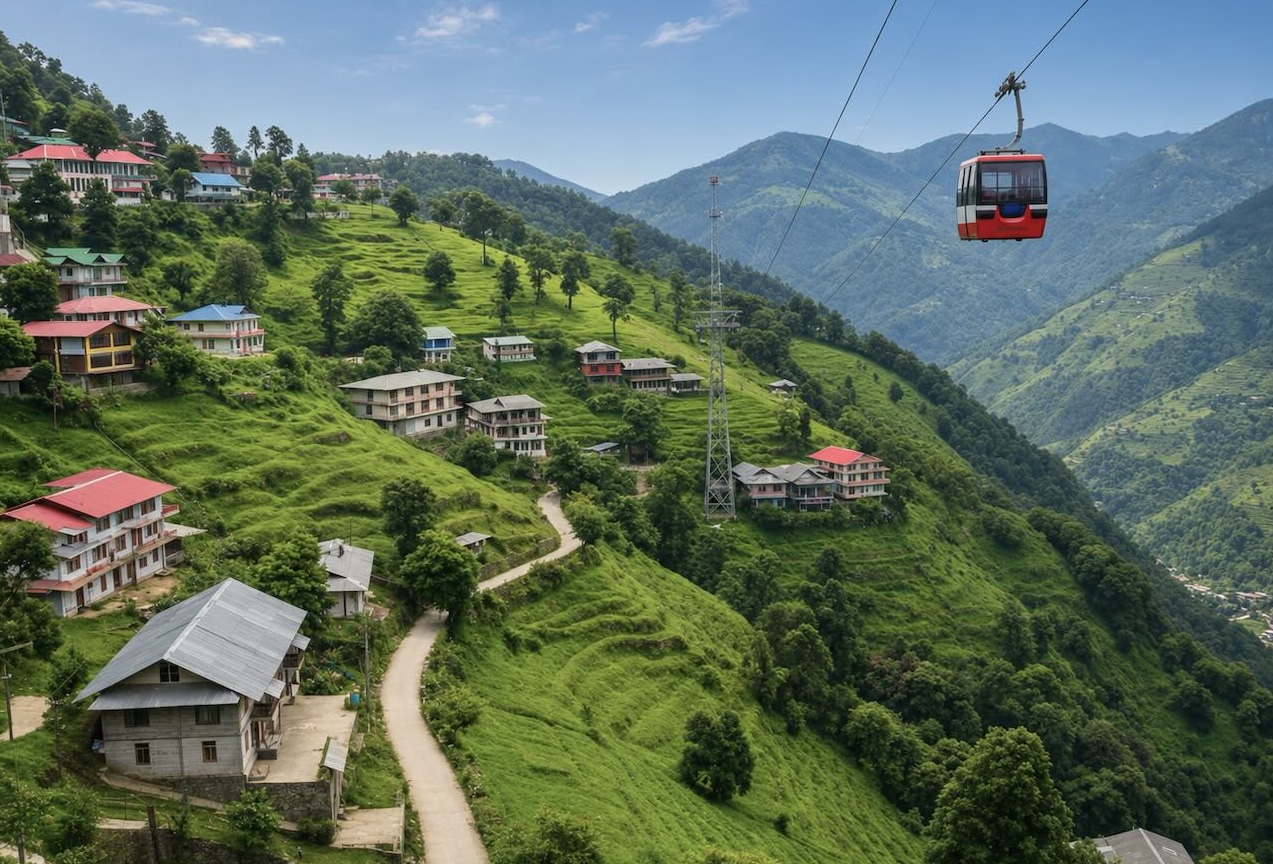
Mussoorie combines colonial heritage with Himalayan views. Nainital charms visitors with its lake and surrounding hills. Shimla retains its historic mountain-town appeal. Kasauli offers pine forests and a slower pace of life. Chopta delivers meadows, forests and panoramic mountain landscapes.
Outdoor Activities
Boating, trekking, nature walks, photography, cafés, viewpoints and local markets provide ample opportunities for recreation and relaxation.
The Crowd Paradox
Ironically, the very destinations people choose to escape urban congestion often become victims of their own popularity.
Every summer, media reports highlighting “cool weather escapes” trigger a predictable exodus from Delhi-NCR. The result is often hours of traffic, overcrowded town centres, parking shortages and sharply rising hotel tariffs.
Long queues of vehicles entering Mussoorie, Nainital and Shimla have become increasingly common during peak weekends and holiday periods. Popular viewpoints and market areas frequently become congested, diminishing the very sense of tranquillity visitors seek.
In many cases, travellers spend several hours navigating traffic after already completing a long drive from Delhi.
The mountains remain beautiful. Reaching and enjoying them during peak season is often the greater challenge.
Part of the problem lies in how these destinations have been promoted for decades. Travel magazines, newspapers, tourism campaigns and, more recently, digital travel platforms have largely focused on picturesque landscapes, pleasant temperatures and idealised holiday experiences. Far less attention has been paid to carrying capacity, peak-season congestion and the cumulative impact of overtourism. The result is that a handful of well-known hill stations continue to absorb enormous visitor numbers every summer, often at the expense of the very tranquillity that made them famous in the first place.
Beyond Traffic: Other Challenges
Over-tourism
Growing visitor numbers place increasing pressure on local infrastructure, water resources, waste management systems and fragile mountain ecosystems.
Road Conditions
Mountain roads remain vulnerable to congestion, accidents and weather-related disruptions. While improved highways have shortened travel times on some stretches, the final mountain climbs often remain bottlenecks.
Weather Risks
Pre-monsoon storms, sudden rainfall and reduced visibility can complicate travel. During the monsoon season, landslides and temporary road closures become a significant concern across many hill regions.
Winter Is No Longer Off-Limits
For decades, Indian tourism remained heavily concentrated in the summer months. Many families viewed winter travel as inconvenient due to the cost of warm clothing, limited heating arrangements, uncertain road connectivity and concerns about accessibility.
Much of that has changed.
Modern highways, better weather forecasting, improved road infrastructure, heated hotel rooms, electric blankets, online booking platforms and affordable winter clothing have made cold-weather travel significantly more accessible than it once was.
Ironically, many travellers now overlook some of the best months to experience these destinations.
For travellers willing to pack an extra layer or two, winter often delivers experiences that summer cannot. Snowfall transforms Shimla and Mussoorie into entirely different landscapes. Nainital becomes quieter and more relaxed. Kasauli acquires a crisp mountain charm free from peak-season crowds. Chopta turns into a spectacular snow-covered wilderness for adventurous travellers.
Hotel rates are often lower, roads are less crowded and popular attractions can be enjoyed without the intense rush of the summer season. What was once considered inconvenient has become increasingly accessible.
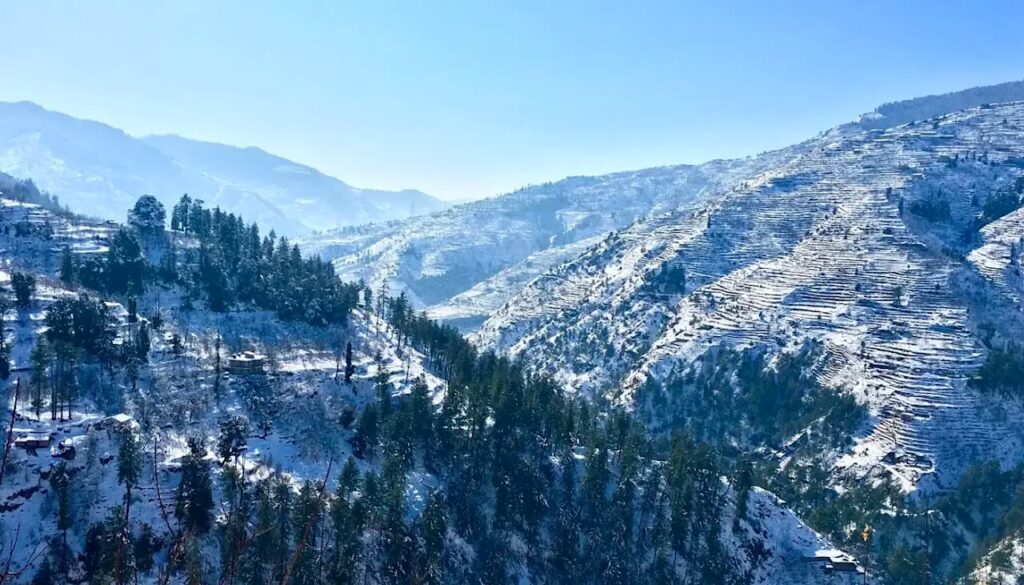
What Winter Looks Like Across These Destinations
Shimla is arguably at its most enchanting during winter. Between December and February, snowfall often transforms the town into a white wonderland. Daytime temperatures typically range between 8°C and 12°C, while nights can fall to freezing or below. Beyond snow-covered streets and colonial architecture, the iconic Kalka-Shimla Toy Train journey through snow-draped hills offers one of India’s most memorable winter travel experiences.
Mussoorie takes on a quieter and more relaxed character during winter. From late December through February, temperatures generally range between 1°C and 12°C, with occasional snowfall adding to its charm. Smaller crowds allow visitors to enjoy viewpoints, cafés and local attractions at a leisurely pace rarely possible during the summer rush.
Nainital offers a peaceful winter retreat with crisp mountain air, clear skies and occasional snowfall. Temperatures typically range between 0°C and 15°C from December to February. The lake, surrounding hills and uncrowded promenades create a very different atmosphere from the bustling summer season.
Kasauli, while receiving less snowfall than Shimla or Mussoorie, remains an attractive winter destination. Daytime temperatures usually range between 5°C and 15°C, making it ideal for leisurely walks through pine forests, enjoying mountain views and experiencing a quieter side of the Himalayas.
Chopta is perhaps the most dramatic winter destination of the five. Heavy snowfall often blankets the region between December and February, transforming its forests and meadows into a pristine alpine landscape. Temperatures frequently fall below freezing, making it particularly appealing to trekkers, photographers and travellers seeking a genuine Himalayan winter experience.
Consider Visiting When Everyone Else Is Not
The issue is not Mussoorie, Nainital, Shimla, Kasauli or Chopta.
The issue is that millions of travellers attempt to visit the same destinations during the same few weeks every year.
A weekday visit in March, April, September, October, January or February can feel dramatically different from a crowded June weekend. The scenery remains the same, but the experience often improves considerably.
Travellers willing to explore shoulder seasons frequently discover calmer roads, easier bookings, better hotel rates and a more relaxed atmosphere. Post-monsoon months often bring clearer mountain views, while winter reveals a side of the hills that many summer-only travellers never experience.
The Real Problem Is Timing
Mussoorie, Nainital, Shimla, Kasauli and Chopta are not suffering because too many people want to visit them. They are suffering because too many people try to visit them during the same six-week period every year. Spread across the calendar, these destinations can comfortably accommodate far more visitors while providing a better experience for travellers and reducing pressure on local infrastructure and ecosystems. The mountains do not become less beautiful after June. In many cases, they become even more enjoyable.
Which Destination Is Right for You?
Mussoorie is ideal for first-time visitors and families seeking a classic hill-station experience with mountain views, colonial charm and a wide range of tourist facilities.
Nainital is best suited to travellers who enjoy lakeside scenery, boating and relaxed family holidays centred around the picturesque Naini Lake.
Shimla combines heritage, shopping and mountain landscapes, making it an attractive year-round destination, especially during winter.
Kasauli offers a quieter, slower-paced retreat with pine-covered hills, making it well suited for short weekend getaways and travellers seeking tranquillity.
Chopta appeals to trekkers, photographers and nature lovers looking for forests, meadows, Himalayan views and outdoor adventure rather than conventional hill-station tourism.
Ultimately, the experience depends as much on when you visit as where you go. A quieter trip during winter or the shoulder seasons can often be far more rewarding than a crowded summer weekend.
The Verdict
Mussoorie, Nainital, Shimla, Kasauli and Chopta became popular for good reason. Their scenery, climate, accessibility and character continue to attract generations of travellers.
The challenge today is not whether they are worth visiting, but when and how to experience them.
Those willing to look beyond the peak summer rush may discover that the mountains offer their finest experiences during quieter months, when roads are calmer, hotels are less crowded and the landscapes can be appreciated at a slower pace.
The hills remain golden. Sometimes the best way to enjoy them is simply not to arrive when everyone else does.