EU Rejects Trump’s Call for 100% Tariffs on India and China Amid Mixed U.S. Trade Signals
UPDATE | 04:00 PM IST
11 September 2025
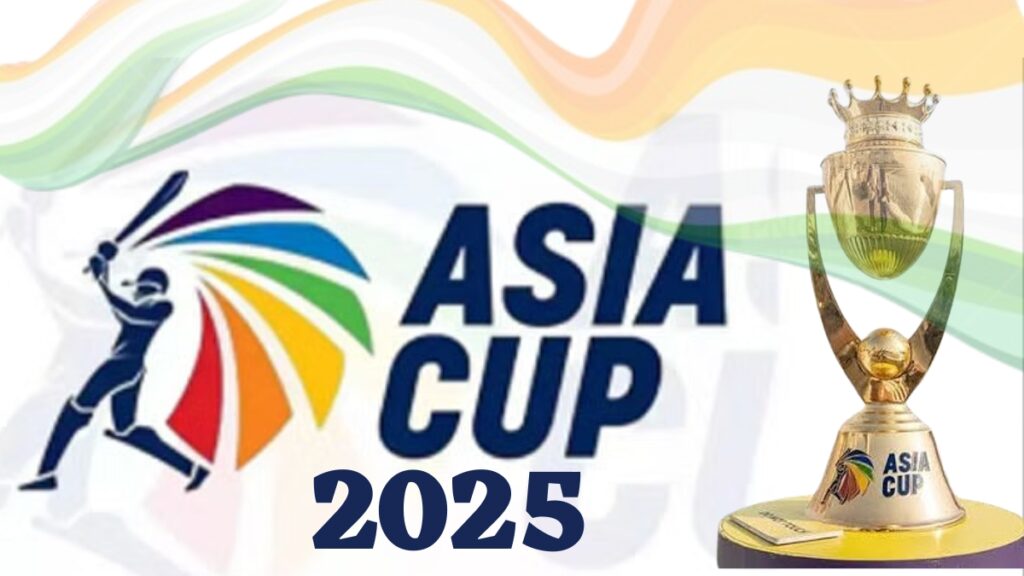
Asia Cup 2025: Supreme Court rejects PIL for urgent hearing to cancel India-Pakistan T20 match, says, ‘match must go on’!
A Legal Storm Before Cricket’s Biggest Rivalry
The countdown to the Asia Cup 2025 India vs Pakistan match now faces a major hurdle. A Public Interest Litigation filed in the Supreme Court of India asks for the cancellation of the marquee encounter set for September 14 in Dubai. The petition has turned a sporting clash into a legal dispute and placed the future of cricket’s most followed rivalry in doubt.
What the Petition Says
The PIL argues that India should not face Pakistan in the Asia Cup because it undermines the country’s security position. The petitioner claims that India cannot restrict trade and diplomacy with Pakistan on one hand while entertaining high-profile cricket contests on the other. The plea also frames the issue as a moral one, stating that cricket should not mask the pain of lives lost in border conflicts.
BCCI and ACC Standpoint
The Board of Control for Cricket in India (BCCI) has not released an official response. However, people familiar with the matter suggest the board is caught between the court’s authority and its commitments to the Asian Cricket Council (ACC). A withdrawal would not only bring penalties but also weaken India’s position in Asian cricket administration. The financial stakes are also high. Broadcasters, advertisers, and ticketing partners rely on the India vs Pakistan clash, which consistently delivers record viewership and massive revenues. Disruption would ripple across the entire tournament economy.
What Happens if the Supreme Court Rules Against the Match?
If the Supreme Court stops India from playing, Pakistan will likely get a walkover win under tournament rules. That would change group standings and give Pakistan an easy path into the knockouts. While the team gains points, the tournament would lose competitive balance and excitement. The financial hit would be heavy. Empty stands in Dubai and reduced sponsorship interest would slash earnings. Broadcasters would lose millions in advertising tied to the clash. Pakistan may gain on the scoreboard, but the absence of Indian fans and viewers would cut into overall profits. Diplomatic relations would also take a blow. Pakistan could accuse India of politicising sport, while India might defend the decision as a security measure. The ruling might also affect future fixtures under the International Cricket Council (ICC) and ACC, including the Champions Trophy 2025 in Pakistan.
Fans Caught in the Crossfire
For cricket fans, the India vs Pakistan match represents more than a contest. It is an emotional stage that reflects decades of rivalry and pride. The legal challenge has split public opinion. Some believe the PIL protects national interests, while others see it as politics interfering with sport. On social media, debate rages with hashtags about the Asia Cup 2025 trending daily.
A Decision with Far-Reaching Consequences
The Supreme Court is expected to hear the case quickly because the match date is near. If the court rejects the petition, the Asia Cup will move forward as scheduled and fans will see the contest they have awaited for months. But if the court supports the plea, Pakistan will gain points while the tournament loses credibility and financial strength.
Conclusion
The Asia Cup 2025 India vs Pakistan controversy is no longer a question of cricketing rivalry but a legal and
political issue with far-reaching consequences. The Supreme Court’s judgment will decide more than just the fate of one match; it could redefine the future of Indo-Pak cricket, alter financial dynamics in Asian tournaments, and set a precedent for how sport is positioned in India’s national policy. For now, the cricketing world waits anxiously for the gavel to fall—because in this case, the law may determine the outcome of the most anticipated contest in world cricket.