Geopolitical Experts Weigh In on Trump-Putin Alaska Summit
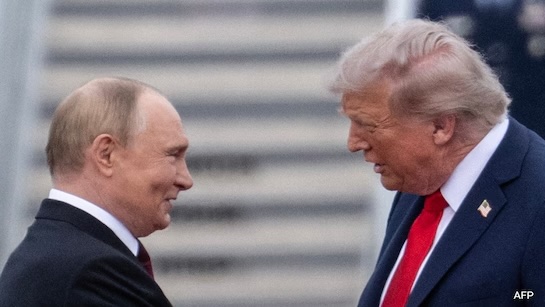
TNT News Desk | The recent summit between U.S. President Donald Trump and Russian President Vladimir Putin in Anchorage, Alaska, has sparked a wave of analysis and commentary from leading geopolitical experts. While the two leaders did not reach a formal agreement, experts agree the meeting marks a critical juncture in the Ukraine conflict and broader international relations, highlighting evolving power dynamics and potential shifts in the global order.
Dr. Elena Markova, a senior fellow at the International Security Institute, observed that the summit underscored the contrasting narratives of the two leaders. “Putin framed the talks in terms of historical and cultural ties, seeking to present Russia as a natural partner to the U.S.,” she said. “Meanwhile, Trump took a pragmatic, transactional approach, recognizing Russia’s military strength and urging Ukraine to accept a negotiated settlement.” Markova warned this could increase pressure on Kyiv to compromise on its territorial integrity, raising difficult questions about Ukraine’s future sovereignty.
Professor Michael Grant, an expert in European security at the Global Policy Forum, emphasized the potential impact on European allies. “Trump’s rhetoric signals a possible marginalization of Europe in the peace process,” Grant noted. “If the U.S. pushes Ukraine toward a quick deal that involves territorial concessions, European leaders may face a dilemma—either support Washington’s plan or risk being sidelined in decisions that directly affect regional security.”
Strategist Vanessa Liu of the Center for Strategic Studies highlighted the broader geopolitical implications. “One key takeaway is Trump’s attempt to drive a wedge between Russia and China,” she explained. “By encouraging a separate understanding with Moscow, the U.S. could be trying to weaken the Sino-Russian partnership, shifting focus away from Europe to counterbalance China in the Asia-Pacific.”
Many experts also commented on the lack of concrete outcomes but stressed the importance of the summit’s symbolic and rhetorical significance. “While no deal was signed, the established personal rapport between Trump and Putin opens the door to future negotiations,” said Dr. Robert Ellis, a diplomatic historian. “This could lead to new diplomatic initiatives but also risks creating uncertainty and instability for Ukraine and its allies.”
However, skepticism remains. Dr. Ingrid Rasmussen, a Ukraine affairs analyst, cautioned against overestimating the summit’s constructive potential. “Putin’s insistence on security guarantees that exclude NATO and demands for Ukrainian territorial concessions remain major obstacles,” she said. “Time will tell if these talks lead to peace or merely deepen divisions.”
The Alaska summit thus lays bare the complexity of resolving the Ukraine conflict, intertwining historical grievances, geopolitical strategy, and domestic political agendas. As Zelenskiy prepares for the upcoming Washington talks with Trump and European leaders, the insights from geopolitical experts highlight that the road ahead will be fraught with challenges requiring careful diplomacy and steadfast resolve.