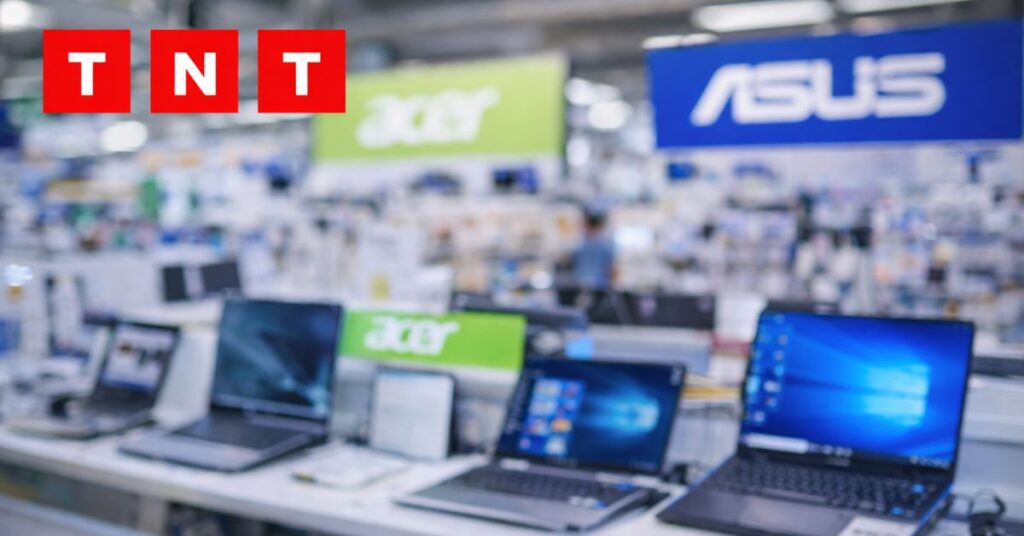
German Court Ruling Halts Acer & ASUS Sales Over Nokia HEVC Patent Dispute
Germany’s technology retail landscape has encountered a sudden disruption after a court ruling related to high-efficiency video coding (HEVC) patents forced Acer and ASUS to suspend sales of certain PCs and laptops in the country. The decision stems from a legal battle involving Nokia and its intellectual property rights connected to the widely used HEVC video codec standard.
While the news may sound like a dramatic ban, the reality reflects a complex intersection of patent law, licensing negotiations, and Europe’s strict enforcement environment. The case highlights how deeply embedded software technologies—often invisible to consumers—can shape global hardware markets.
Also Read: Six-Planet Parade in February 2026: How to Watch
What Triggered the Dispute?
At the heart of the controversy lies HEVC, also known as H.265, a video compression standard that enables high-quality video streaming with reduced file sizes. HEVC is widely used in modern computing devices, including laptops and desktop PCs, to support efficient video playback and streaming.
Nokia holds patents related to HEVC technology. According to court findings in Germany, certain devices sold by Acer and ASUS allegedly incorporated HEVC-related technologies without securing proper licensing agreements with Nokia.
German courts, known for their strong patent enforcement framework, ruled in favor of Nokia. As a result, sales of affected devices have been halted until licensing terms are resolved or compliance measures are implemented.
Also Read: Space-Based Data Centres and the Global Race for Orbital AI Infrastructure
Why Germany Matters in Patent Enforcement
Germany is one of Europe’s most influential markets for technology products. More importantly, it is known for being particularly strict when it comes to patent protection. Unlike some jurisdictions where patent disputes can drag on without immediate commercial consequences, German courts often issue enforceable injunctions relatively quickly.
This means companies found in violation of patent rights may face immediate sales restrictions—even while appeals are pending. For Acer and ASUS, this ruling creates both financial and reputational challenges in a major European market.
Understanding HEVC and Why It’s So Important
Most consumers rarely think about video codecs when purchasing a laptop. However, codecs are essential to modern computing. HEVC enables smoother streaming, reduced bandwidth usage, and improved battery efficiency during video playback.
Without proper licensing for HEVC-related patents, manufacturers risk legal exposure. The technology is not optional in many devices; it is embedded in operating systems, multimedia frameworks, and hardware acceleration chips.
This makes patent compliance more complicated than it might initially appear. Licensing often involves multiple patent holders and patent pools, creating a layered ecosystem that manufacturers must navigate carefully.
Also Read: Recent ISRO Mission Failures: Technical Glitches or Hidden Sabotage?
The Broader Implications for Acer and ASUS
For Acer and ASUS, the ruling affects sales operations in Germany and potentially impacts supply chain decisions across Europe. Retailers may remove affected products from shelves until the legal matter is resolved.
Beyond immediate sales losses, the dispute may influence brand perception. Consumers may not fully understand patent litigation complexities and could interpret the halt as a quality or compliance issue.
However, industry experts emphasize that patent disputes of this nature are relatively common in the tech world. They often resolve through licensing agreements rather than long-term bans.
What This Means for Consumers
German consumers shopping for laptops and PCs may notice reduced availability of certain Acer and ASUS models. Retail inventories could become limited, and pricing dynamics may shift depending on how long the sales halt continues.
However, this does not mean the devices themselves are unsafe or defective. The issue strictly concerns patent licensing compliance, not product performance or hardware reliability.
If a licensing agreement is reached quickly, sales could resume without significant long-term impact.
The Role of Patent Licensing in Modern Technology
The technology industry operates on a dense web of intellectual property agreements. Companies often cross-license patents, participate in patent pools, or negotiate royalty payments for standard-essential technologies.
HEVC is considered a standard-essential technology, meaning that devices implementing the standard must license relevant patents under fair, reasonable, and non-discriminatory (FRAND) terms.
Disputes typically arise when parties disagree on royalty rates or licensing conditions. In such cases, courts determine whether infringement occurred and whether licensing offers were reasonable.
Could This Spread Beyond Germany?
While the current ruling applies specifically to Germany, patent disputes can have ripple effects. If similar legal actions occur in other European jurisdictions, manufacturers could face broader commercial restrictions.
However, companies often prioritize resolving such matters quickly to prevent multi-country escalation. Negotiated settlements remain the most common outcome in international patent conflicts.
Market Reaction and Industry Perspective
The global PC market is already navigating supply chain challenges, fluctuating demand, and economic uncertainty. Legal disruptions add another layer of complexity.
Investors and industry analysts will closely monitor whether Acer and ASUS reach agreements with Nokia in the coming weeks. Quick resolution would limit financial damage. Prolonged litigation could affect European market share.
Technology companies increasingly allocate significant resources to legal compliance teams to prevent such disputes, but given the scale of patent portfolios involved in modern devices, occasional conflicts are almost inevitable.
The Bigger Picture: Innovation vs. Intellectual Property
Cases like this underscore the delicate balance between innovation and intellectual property rights. On one hand, patents incentivize research and development by rewarding inventors. On the other hand, strict enforcement can disrupt markets and restrict consumer choice.
Finding equilibrium requires transparent licensing frameworks and good-faith negotiations between patent holders and manufacturers.
As digital technologies become more integrated into everyday products, patent compliance will continue to shape the competitive landscape of global tech markets.
Also Read: Space Events to Watch in 2026: Major Missions, Moon Returns and India’s Rising Space Power
Conclusion
The suspension of certain Acer and ASUS PC and laptop sales in Germany following the Nokia HEVC patent ruling reflects the powerful role of intellectual property law in the technology industry. While consumers may experience short-term disruptions, the issue ultimately revolves around licensing agreements rather than product defects.
Whether this becomes a prolonged legal battle or a swiftly resolved negotiation will depend on how quickly the parties align on licensing terms. For now, the case serves as a reminder that behind every modern device lies a complex network of patents—and that compliance is as critical as innovation.
FAQs Acer ASUS Germany ban
Q1. Why were Acer and ASUS sales halted in Germany?
A German court ruled that certain devices allegedly used Nokia’s HEVC-related patents without proper licensing, leading to sales restrictions.
Q2. What is HEVC?
HEVC (High-Efficiency Video Coding) is a video compression standard used for high-quality video streaming with lower data usage.
Q3. Are Acer and ASUS laptops defective?
No. The issue concerns patent licensing, not product quality or safety.
Q4. Could sales resume soon?
Yes. If licensing agreements are reached or compliance adjustments are made, sales can resume.
Q5. Will this affect other countries?
Currently, the ruling applies to Germany, but broader implications depend on future legal developments.