Russian LNG Ban May Force TotalEnergies to Halt Yamal Exports, CEO Warns
TotalEnergies may be compelled to stop all exports from Russia’s Yamal liquefied natural gas project due to uncertainties surrounding the European Union’s upcoming Russian LNG Ban. The warning was issued by company CEO Patrick Pouyanné during the French energy major’s fourth-quarter and full-year 2025 earnings briefing on February 11.
Pouyanné said that the proposed EU restrictions could go beyond banning imports into Europe. They may also prohibit European companies from marketing or trading Russian LNG globally. As a result, TotalEnergies could lose the ability to redirect cargoes to alternative markets.
He stated that the company may no longer be able to market Yamal LNG “to Europe and maybe beyond Europe”, highlighting ongoing regulatory ambiguity.
TotalEnergies’ Stake in the Yamal LNG Project
TotalEnergies holds a 20% stake in the Yamal LNG project, which is operated by Russia’s Novatek. The company also has a long-term agreement to offtake nearly 4 million tonnes per annum until 2032.
This volume represents close to one-tenth of TotalEnergies’ global LNG portfolio. Therefore, any disruption would have material implications for its trading operations.
Although the company remains a minority shareholder, it depends heavily on marketing rights for commercial viability. Without the ability to trade LNG, the economic value of its stake may weaken significantly.
Consequently, regulatory clarity has become critical for strategic planning.
EU Sanctions and the Russian LNG Ban Framework
The European Union formally adopted a phased ban on Russian gas imports in January 2026. Under the current framework:
- LNG imports will be banned from January 1, 2027
- Pipeline gas will be banned from autumn 2027
- Transshipment through EU ports was restricted in March 2025
These measures reflect the bloc’s commitment to reducing energy dependence on Russia.
However, officials continue to debate whether the Russian LNG Ban should also restrict European firms from participating in global LNG trading. This broader interpretation could prevent companies from selling Russian gas even outside Europe.
Therefore, compliance risks remain high.
Yamal LNG’s Dependence on European Markets
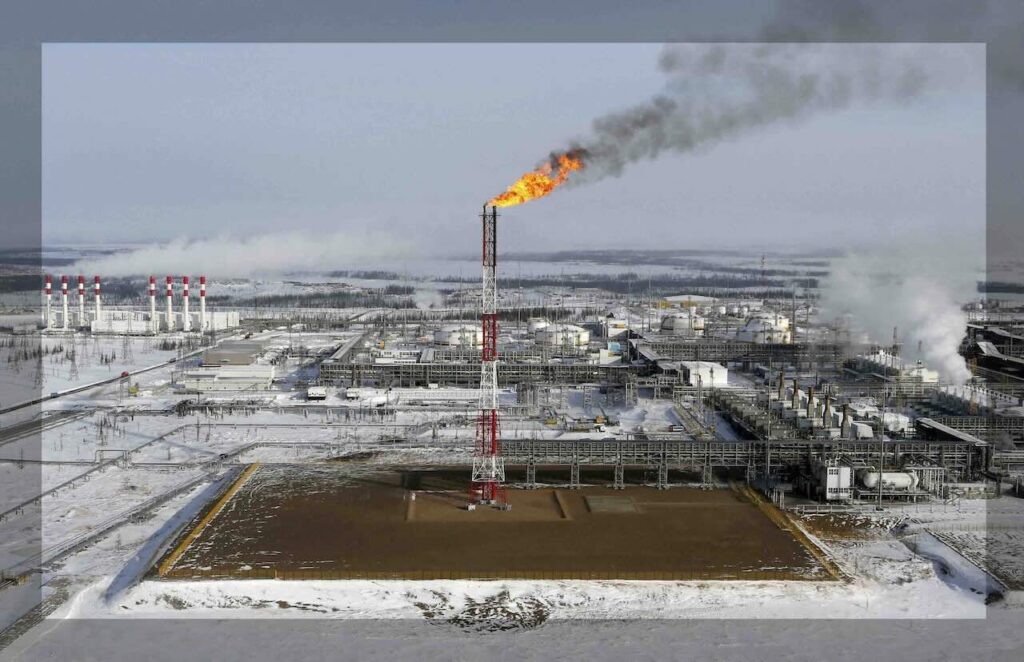
The Yamal LNG plant is located on the Yamal Peninsula in Siberia. It is Russia’s flagship Arctic gas facility and a major source of LNG supplies to Europe.
In 2025, Yamal produced between 15 and 19.7 million tonnes of LNG. More than 75% of this output was delivered to European terminals.
This accounted for nearly 14 per cent of total EU LNG imports. It also generated an estimated €7.2 billion in revenue for the Russian state.
France and Belgium emerged as key buyers, with major volumes arriving at ports such as Dunkirk, Montoir-de-Bretagne, and Zeebrugge.
As a result, Yamal remains highly exposed to European policy shifts.
From Diversion Plans to Possible Exit
In 2025, Pouyanné had suggested that TotalEnergies could redirect Yamal cargoes to Asia or Turkey if only European imports were restricted. This strategy relied on maintaining global trading rights.
However, the evolving interpretation of the Russian LNG Ban has undermined this option.
If European firms are barred from marketing Russian gas entirely, diversion will become impossible. In that case, TotalEnergies may have to withdraw from its offtake and trading operations.
Pouyanné confirmed that the company is seeking clarification from both the French government and the European Commission. He also stressed that compliance with EU rules remains non-negotiable.
Nevertheless, he added that TotalEnergies can compensate for lost volumes through new supply from Qatar and Mexico.
Financial Impact and Corporate Performance
The warning came amid a challenging financial environment for the company. Lower oil and gas prices affected profitability in 2025.
For the fourth quarter, adjusted net income declined significantly. Full-year adjusted profit stood at around $15.6 billion, down 15 per cent year-on-year. IFRS net income fell to approximately $13.1 billion.
The company also reduced its first-quarter 2026 share buyback programme to $750 million.
Since 2022, TotalEnergies has recorded nearly $15 billion in Russia-related writedowns. Despite this, it has retained minority stakes longer than many peers.
Therefore, further losses from Yamal would add to existing pressures.
Market Implications for Europe and Global LNG Trade
Analysts warn that a complete halt at Yamal could disrupt LNG supply in the Atlantic Basin. Russia faces logistical constraints in redirecting Arctic cargoes due to its specialised fleet.
Yamal relies heavily on ice-class tankers, which limit flexibility and raise costs. Long-term contracts also complicate rapid market shifts.
If exports decline sharply, European gas prices could face renewed upward pressure. In addition, risks of contract disputes and force majeure claims may rise.
Therefore, market volatility remains a concern.
Geopolitical Context and Strategic Realignment
The Russian LNG Ban forms part of the EU’s broader effort to sever energy ties with Moscow after the 2022 invasion of Ukraine. While pipeline supplies collapsed earlier, LNG imports continued for several years.
This situation attracted criticism from policymakers and environmental groups. The new ban aims to close remaining gaps.
Russia continues to pursue LNG expansion. However, losing its largest export market for Yamal output presents serious challenges.
Meanwhile, Western energy majors are recalibrating strategies to balance regulatory compliance, shareholder interests, and energy security.
Further guidance from EU authorities is expected in the coming months. Until then, uncertainty will persist.
Pouyanné’s remarks underline the operational difficulties of enforcing sanctions in a globalised energy system, even as political resolve strengthens.