Direct US-Iran Nuclear Talks in Oman: A Comprehensive Geopolitical Insight
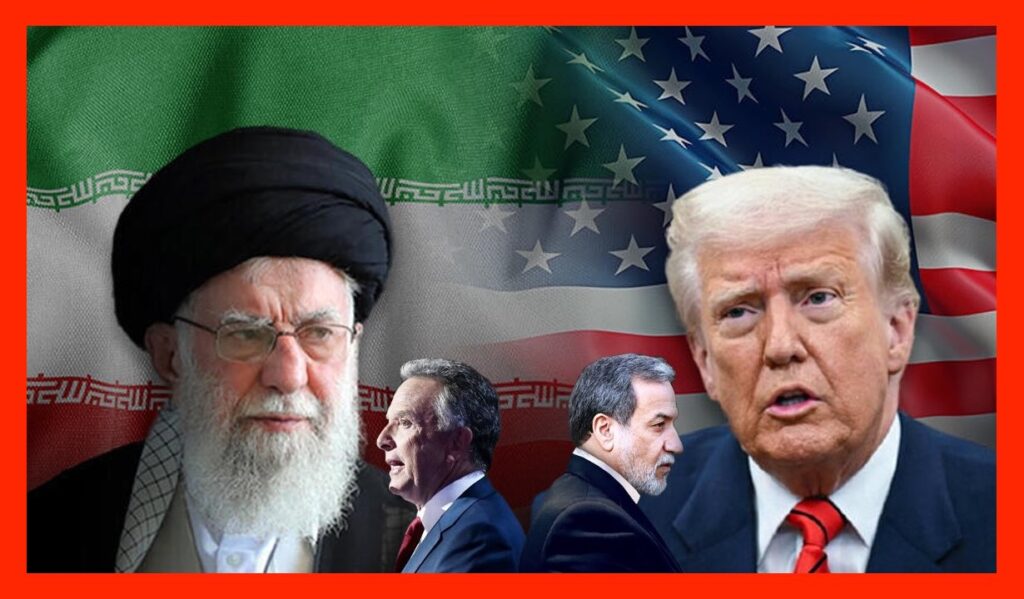
As direct US-Iran Nuclear Talks take place
in Muscat, Oman, on February 6-7, 2026, international focus intensifies on a diplomatic effort unfolding under
extreme strategic pressure. These talks do not represent a resumption of any earlier framework. Instead, they mark a
fresh, narrowly defined engagement between Washington and Tehran.
The negotiations occur against a backdrop of military escalation, economic coercion, and
regional anxiety. Both sides enter with hardened positions, while neighbouring states fear that failure could
rapidly translate into conflict. Therefore, the Oman talks stand as one of the most consequential diplomatic moments
for the Middle East in recent years.
The Turbulent Road to the Oman Negotiations
Format Disputes and a Near Breakdown
The path to Muscat was deeply unsettled. Initially, Washington sought a multilateral
framework in Istanbul involving Turkey, Gulf states, and regional stakeholders. The intention was to broaden
discussions beyond the nuclear file to include missiles and proxy forces.
Iran firmly rejected this structure. Tehran insisted that only direct
bilateral talks, limited strictly to nuclear issues, were acceptable. As a
result, tensions escalated sharply in early February 2026.
By February 4, US officials issued a “take it or leave it” position. Reports quickly
emerged suggesting that talks would not proceed. Consequently, oil markets reacted nervously amid fears of imminent
escalation.
Regional Pressure Forces a Reversal
Despite this breakdown, regional actors intervened decisively. Saudi Arabia, the UAE,
Qatar, Egypt, and Oman warned Washington that any conflict would trigger Iranian retaliation against US bases and
civilian infrastructure across the Gulf.
These states host critical American military assets. However, they also face direct
exposure to Iranian missile strikes. Unlike the 1991 Gulf War, Iran is not perceived regionally as an invading
aggressor. Instead, Tehran frames itself as responding to sustained pressure and past strikes.
Turkey’s role diminished during this phase. Ankara had sought a mediating role as host
but was sidelined once Iran imposed the Oman venue and bilateral format. This shift exposed growing fractures within
the Western-aligned bloc.
Under sustained regional pressure, Washington accepted the Oman framework. Direct talks
opened on February 6, led by Iranian Foreign Minister Abbas Araghchi and US envoy Steve Witkoff.
Iran’s “Offensively Defensive” Deterrence Strategy
Missile Power as Negotiating Leverage
Iran approaches the talks from a position of calculated strength. Its military doctrine
emphasises asymmetric deterrence rather than direct confrontation.
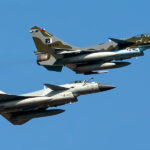
Tehran possesses an estimated 3,000 ballistic missiles, including systems capable of
striking every US base across the Gulf. Solid-fuel technology allows rapid deployment from hardened underground
facilities. Hypersonic platforms further complicate interception.
This capability significantly raises the cost of any military action against
Iran.
Proxy Networks and Regional Depth
Iran’s allied forces extend its reach well beyond its borders. Hezbollah, Iraqi
militias, Syrian groups, and the Houthis provide strategic depth and deniability.
These networks enable calibrated pressure, particularly in maritime zones such as the
Red Sea. Funding and logistical support have reportedly returned to pre-2023 levels, reinforcing Iran’s regional
posture.
Nuclear Threshold Advantage
Iran’s nuclear position remains deliberately ambiguous. With roughly 440 kg of uranium
enriched to 60 % U-235, which is technically “weapons-usable” and lies
close to weapons-grade — according to international expert analysis. Some intelligence sources claim Iran may
already possess the technical capacity to assemble a basic nuclear device and integrate it with existing missile
systems, intensifying concerns in Israel and the US.
However, it has avoided formal weaponisation. This threshold status deters adversaries
while preventing unified international action. Consequently, Iran negotiates without urgency or concessionary
pressure.
Regional Pressures and Strategic Dilemmas
Gulf States and Civilian Risk
Regional actors face acute dilemmas. Gulf states rely on US security guarantees. At the
same time, they are highly vulnerable to Iranian retaliation.
Major installations such as Al Udeid, Al Dhafra, and commercial hubs like Dubai lie
within missile range. Any escalation would disrupt trade, aviation, and domestic stability. Therefore, these states
strongly favour de-escalation.
Israel and Turkey Pull in Opposite Directions
Israel continues to advocate decisive military action, viewing Iran’s missile and
nuclear capabilities as existential threats. Systems such as the Khorramshahr-4 place Israeli territory within
reach.
Turkey, by contrast, opposes regime change in Iran. Ankara fears refugee flows, regional
instability, and power vacuums. Although a NATO member, Turkey maintains significant economic and energy ties with
Tehran.
Pakistan’s Balancing Act
Pakistan remains wary of becoming entangled. Any US activity from Baluchistan or any
other American base in Pakistan could provoke Iranian retaliation, as seen in past cross-border incidents.
Moreover, Pakistan faces internal conflict with the BLA, and wider regional instability
could threaten China-Pakistan Economic Corridor projects. Consequently, Islamabad supports diplomatic
containment.
Core Negotiating Positions and Strategic Outlook
US Objectives
Washington’s demands remain extensive. They include:
- Long-term halt to uranium
enrichment - Removal or transfer of enriched
stockpiles - Full and intrusive IAEA
inspections - Restrictions on missile development
300 km - Curtailment of proxy activities
- Linkage to human rights concerns
This approach reflects strategic maximalism rather than incremental compromise.
Iran’s Red Lines
Iran has signalled limited flexibility on nuclear constraints in return for sanctions
relief. However, it rejects any discussion on missiles or regional alliances.
Tehran considers these non-negotiable elements of national security. It also remains
sceptical of external custodianship of its nuclear material.
Probable Direction
In the near term, a narrowly defined nuclear understanding remains possible. This could
involve limited uranium adjustments and partial sanctions relief.
However, unresolved missile and proxy issues continue to threaten progress. Prolonged
brinkmanship remains the dominant trajectory.
Escalating US Pressure and Economic Warfare
Post-Strike Verification Demands
Following the June 2025 airstrikes, Washington seeks full access to assess damage. While
surface facilities were heavily hit, core infrastructure survived.
Independent assessments suggest the programme was delayed by no more than two years.
Therefore, the US demands forensic verification through IAEA access.
Oil Sanctions and China
A major pressure point is Iran’s oil exports to China, estimated at 1.4 million barrels
per day. Washington aims to eliminate this revenue through secondary sanctions.
Such measures could deprive Iran of up to $70 billion annually. Tehran views this as
economic warfare. Beijing remains resistant, adding another layer of complexity.
Strategic Risks if Talks Collapse
If the direct US-Iran Nuclear Talks fail, likely outcomes include:
- Intensified sanctions and financial
isolation - Targeted strikes on nuclear and missile
facilities - Iranian retaliation against regional
bases - Disruption of the Strait of
Hormuz - Sharp global energy price spikes
- Accelerated Iranian nuclear
weaponisation
Each scenario carries severe regional and global consequences.
At present, stalemate remains the most probable outcome. However, miscalculation could
quickly trigger confrontation.
Why These Talks Matter
The Oman talks reflect a clash between deterrence and coercion. Iran’s military posture
buys time. US economic pressure seeks structural concessions.
Regional powers continue to prioritise stability over escalation. Their intervention has
already prevented collapse once. Whether it can do so again remains uncertain.
These talks demonstrate how diplomacy, energy security, and military power intersect.
What unfolds in Muscat will shape Middle Eastern geopolitics well beyond 2026.