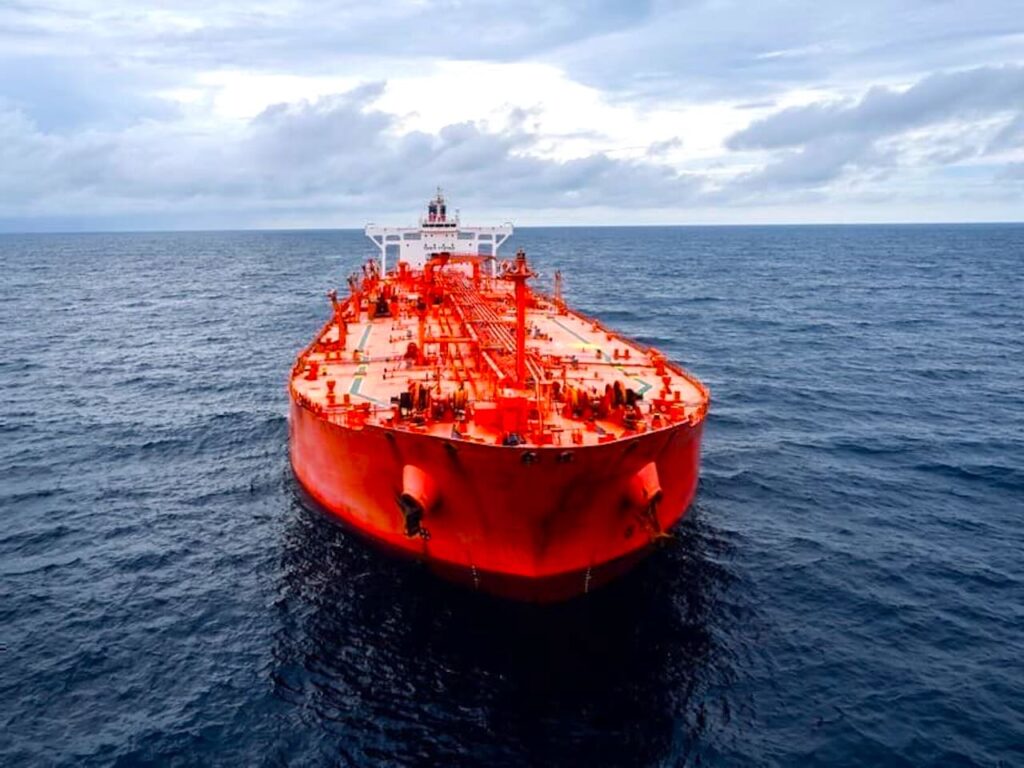
Russia Diesel Exports Jump 19% in January 2026 Indicates Global Fuel Trade Shift
Moscow, February 5, 2026 – New trade data shows that Russia’s diesel
exports surged 19% in January 2026compared with December, driven by a seasonal
drop in domestic consumption and stronger export loadings from key Baltic ports. This increase reflects shifting
dynamics in global fuel markets as producers adjust to demand patterns and logistical constraints.
According to market analytics compiled from LSEG and maritime tracking sources, Russia’s
seaborne shipments of gasoil and ultra-low sulfur diesel climbed significantly month-on-month. Export volumes from
Russia’s Primorsk port, the largest outlet for diesel shipments, hit
record levels as production grew and traders capitalised on foreign demand.
Despite the month-on-month rise, total diesel exports remained slightly below
January 2025 figures, largely due to lingering disruptions from seasonal
refinery maintenance and security incidents that affected infrastructure in late 2025.
Export Patterns and Key Markets
Data reveals that tanker movements from Primorsk and other Baltic terminals were
directed toward buyers in Turkey and Brazil, which were among the
largest recipients of Russian diesel last month. A portion of the cargoes remains undeclared, possibly bound for
North African and Asian destinations through ship-to-ship transfers.
Industry analysts interpret this trend as part of a broader diversification of export
routes, where Russian refined fuels circulate through alternative markets amid shifting global diesel demand. This
may also reflect how fuel supply chains adapt to regulatory pressures and geopolitical developments affecting
traditional buyers.
Underlying Drivers of Export Growth
The export gain in January can be attributed to several key factors:
- Seasonal Domestic Demand Decline:
Lower winter consumption in Russia reduced the need for local fuel
distribution, freeing up volumes for export. - Increased Production Output:
Russian refineries boosted output levels, particularly of ultra-low sulfur
diesel, improving available export volumes. - Strategic Port Throughput:
Baltic ports such as Primorsk achieved record loadings, enabling larger
batch shipments and smoother logistics for foreign sales.
Trade Dynamics in the Broader Energy Sector
While diesel exports expanded in January, Russia’s refined fuel trade continues to
navigate a complex international environment marked by sanctions, logistical challenges, and market shifts. Broader
fuel export flows have seen variability in other product segments, with some refined fuels experiencing downturns in
certain regional markets.
At the same time, restrictions on gasoline exports and related petroleum products remain
in force, aimed at stabilising domestic fuel markets. These measures influence the overall structure of Russia’s
export portfolio and can create mixed outcomes across different fuel categories.
Outlook and Market Implications
Economists and energy traders expect diesel export activity to remain resilient if
seasonal demand keeps domestic consumption subdued and global buyers sustain their intake. However, geopolitical
tensions and regulatory barriers will continue to shape trade routes and pricing structures.
Continued monitoring of tanker tracking data, port throughput, and refinery operational
status will be essential for forecasting Russia’s refined fuel performance in 2026.