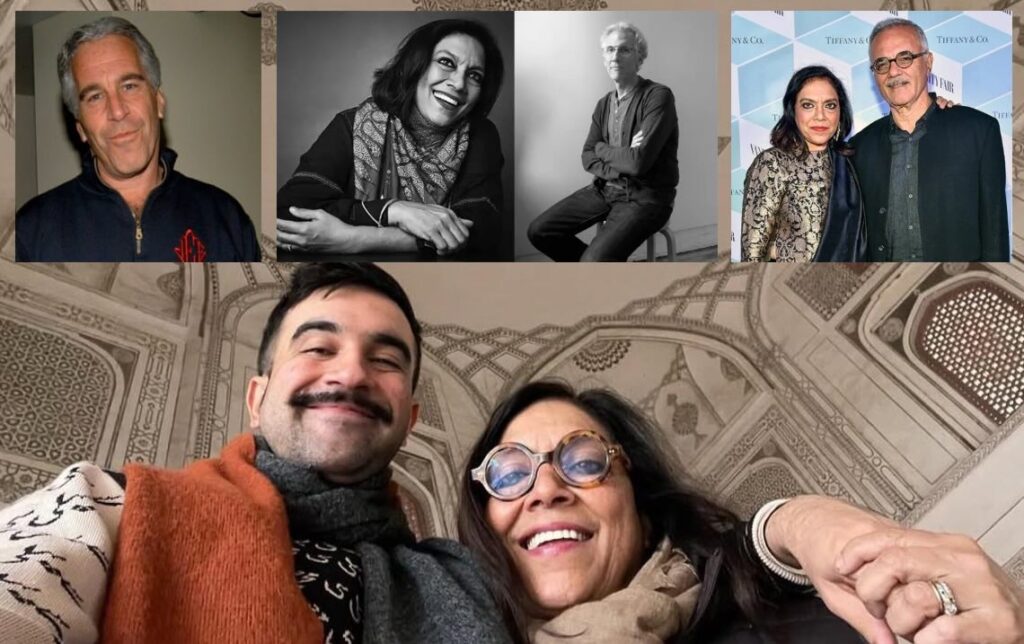
The Epstein–Mamdani Conspiracy Theory: Fact, Fiction, or Elite Entanglement?
When Files Become Fuel for Speculation
Following the U.S. Department of Justice’s release of more than three million pages of Jeffrey Epstein-related documents on January 30, 2026, online communities began scanning the records for sensational revelations. Instead of uncovering fresh criminal networks, many users focused on a brief reference to filmmaker Mira Nair.
Soon, this mention transformed into a viral narrative alleging that New York City Mayor Zohran Mamdani is Jeffrey Epstein’s biological son. This Epstein–Mamdani conspiracy theory rapidly gained traction, raising questions about misinformation, elite networks, and digital vigilantism.
Why This Conspiracy Is Buzzing louder in the U.S. and India
The Epstein-Mamdani rumour has barely registered outside the United States and India. In the U.S., Zohran Mamdani’s fresh victory as New York City mayor made him a prime target for Republicans and conservative influencers who already brand him a radical socialist; the Epstein paternity angle arrived as perfect ammunition in ongoing partisan battles. In India, outrage peaked after Mamdani sent a supportive note to jailed activist Umar Khalid—widely viewed there as a terrorist—shortly before the Epstein files surfaced. Mira Nair’s status as a celebrated filmmaker added emotional fuel, turning the rumour into potent clickbait. Globally, neither NYC politics nor Indian domestic grievances carry enough weight to sustain the story.
Origins of the Epstein–Mamdani Conspiracy Theory
The 2009 Email That Sparked the Rumour
The controversy began with an October 2009 email from publicist Peggy Siegal to Epstein. The message referred to an afterparty for Mira Nair’s film Amelia at Ghislaine Maxwell’s Manhattan residence. Notably, Epstein was not listed among the attendees.
Nevertheless, social media users treated this single reference as evidence of deeper personal links. As a result, an ordinary film-industry event was reframed as part of a hidden elite network.
Personal Timelines Under Online Scrutiny
Online commentators examined Nair’s personal life, including her divorce from photographer Mitch Epstein and her 1991 marriage to academic Mahmood Mamdani. They then linked these timelines to Zohran Mamdani’s birth in October 1991.
Based on speculative interpretations, some users claimed that the conception period suggested infidelity. However, these assumptions rely entirely on conjecture rather than documented facts.
Claims and Alleged “Evidence” Circulating Online
Facial Comparisons and Visual Manipulation
Supporters of the conspiracy theory circulated image collages comparing Jeffrey Epstein, Mitch Epstein, and the Mamdani family. They argued that facial similarities indicated biological links.
In reality, such comparisons remain subjective and ignore Zohran Mamdani’s verified family background. Moreover, experts have identified several viral images as digitally altered or AI-generated.
Career Links and Elite Networks
Some posts questioned Mira Nair’s professional success in the 1990s, implying that Epstein facilitated her rise. However, no credible records show professional or personal ties before 2009.
Instead, Nair’s career reflects consistent achievements in independent cinema, international festivals, and academic institutions.
Documentary and Cultural Misinterpretations
Her 1987 documentary Children of a Desired Sex also became a target of misrepresentation. Critics framed it as “suspicious,” despite its academic and sociological context.
Such selective interpretations illustrate how cultural work can be distorted to fit pre-existing narratives.
Debunking the Narrative: Facts and Official Records
DOJ Statements and Legal Findings
The U.S. Department of Justice has repeatedly stated that no verified “client list” or blackmail ring has emerged from the Epstein investigation. Authorities also reaffirmed that Epstein’s 2019 death was ruled a suicide.
Therefore, institutional findings do not support claims of secret biological or political conspiracies.
Family Records and Public Biographies
Official biographies and public records consistently identify Mahmood Mamdani as Zohran Mamdani’s father. No legal disputes or credible challenges to this claim exist.
Furthermore, Mira Nair’s limited connection to Epstein emerged nearly two decades after her son’s birth, making causal links implausible.
Concerns Over Prejudice and Smear Campaigns
Fact-checkers have also highlighted Islamophobic and xenophobic undertones in several posts. Some narratives connect Mamdani’s Ugandan birth and Muslim identity to extremist stereotypes.
These patterns mirror earlier political smear campaigns that relied on cultural suspicion rather than evidence.
Social Media Amplification and Digital Polarisation
Viral Spread on X and Other Platforms
The Epstein–Mamdani conspiracy theory gained momentum on X, TikTok, and Instagram. High-profile posts attracted millions of impressions, while algorithmic amplification rewarded sensational framing.
Consequently, unverified claims travelled faster than fact-checks or official clarifications.
Partisan Narratives and Ideological Framing
Some accounts used the theory to portray Mamdani as part of a “deep state” or extremist network. Others framed it within broader Epstein-related suspicions involving global elites.
At the same time, balanced commentators criticised the lack of evidence and warned against digital mob behaviour.
Why Such Theories Gain Traction
Post-Epstein Distrust and Elite Skepticism
Public distrust toward powerful institutions intensified after Epstein’s revelations. Consequently, many citizens now interpret ambiguous information as proof of hidden wrongdoing.
This environment allows speculative narratives to flourish, especially when they involve public figures.
Political Targeting and Identity Politics
As a progressive mayor advocating rent controls and public transport reforms, Mamdani faces ideological opposition. Therefore, conspiracy narratives also function as political weapons.
In parallel, diaspora success stories attract heightened scrutiny, particularly in polarised media spaces.
Psychological Appeal of Hidden-Truth Narratives
Conspiracy theories offer simple explanations for complex power structures. They also provide emotional validation to audiences seeking moral clarity in uncertain times.
However, this appeal often undermines evidence-based reasoning.
Implications for Democracy and Public Discourse
Misinformation and Reputational Harm
Unverified allegations can damage personal reputations and distort democratic debate. Moreover, repeated exposure normalises suspicion as a default response to public life.
The Role of Platforms and Journalism
Digital platforms play a crucial role in either amplifying or moderating misinformation. Similarly, responsible journalism must prioritise verification over virality.
For readers, critical media literacy remains essential.
Between Curiosity and Credibility
Evidence Versus Online Imagination
Current evidence does not support the Epstein–Mamdani conspiracy theory. Instead, the narrative reflects how fragmented data, emotional distrust, and algorithmic incentives combine to create digital myths.
A Mirror to Contemporary Anxiety
More than revealing hidden truths, the controversy exposes public unease about elite accountability and political transparency. It also demonstrates how quickly speculation can replace substantiated facts.
The Way Forward
For TNT readers, this episode serves as a reminder to question sources, verify claims, and resist digital sensationalism. While transparency remains vital, it must rest on documented reality rather than viral conjecture.
As debates continue online, the central lesson remains clear: in the age of information overload, credibility is the most valuable currency.