Iran’s FM Araghchi Accuses US, Israel of Supporting Terrorists
Iranian Foreign Minister Abbas Araghchi presented evidence of US and Israeli involvement in the Iran riots. Therefore, he labelled rioters as terrorists during a meeting with foreign diplomats in Tehran on January 12, 2026. In addition, Tehran blames external orchestration for turning economic protests violent.
Araghchi highlighted documents proving interference. He cited ex-US Secretary Mike Pompeo’s admission of Mossad agents guiding rioters. As a result, authorities vow thorough investigations.
Iran Riots Timeline: From Rial Crash to Violence
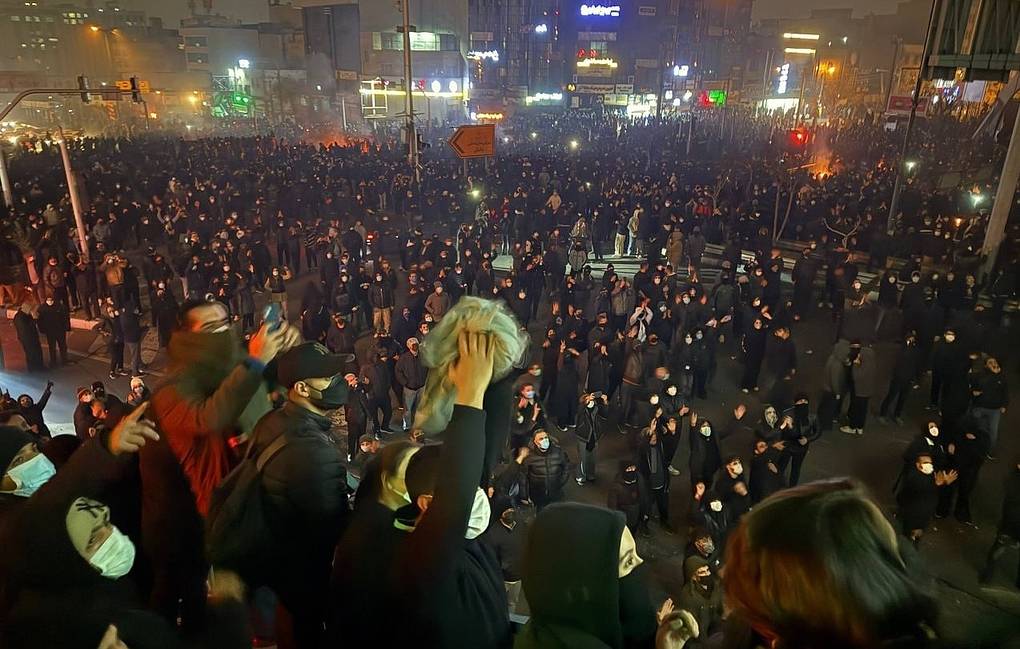
Merchants sparked the Iran riots on December 29, 2025, in Tehran. They protested the rial’s sharp devaluation against the dollar. Therefore, unrest spread rapidly to major cities.
University students joined on December 30. Demonstrations engulfed provinces like Isfahan, Shiraz, and Yazd. In addition, inflation above 40% fuelled anger over living costs.
Violence peaked on January 8 night. Rioters killed at least 13 civilians, including a three-year-old child. However, authorities reported 38 law enforcement deaths too.
Tehran Mayor Alireza Zakani detailed destruction. Rebels burned 25 mosques and damaged 26 banks. Moreover, they hit three medical centers, ten government buildings, and over 100 emergency vehicles.
Security forces responded decisively. They deployed tear gas and imposed internet shutdowns. As a result, officials regained control in most areas.
Protests hit 257 locations across 88 cities by early January. Over 1,200 arrests occurred. Therefore, the scale marks a major challenge to the regime.
Araghchi’s Evidence on US Israel Role in Iran Riots
Araghchi addressed diplomats directly. “We have a large amount of documents proving US
and Israel involvement,” he stated. In addition, Pompeo’s tweet served as key admission of Mossad’s role.
He questioned Western hypocrisy. Tehran notes silence on Gaza’s 70,000 deaths and 1,000 Iranian fatalities from US-Israel actions. However, they condemn Iranian police.
Araghchi warned of accountability. Statements from US and Israeli figures incited casualties. Therefore, Tehran pursues legal measures internationally.
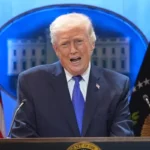
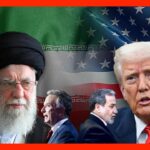
US President Donald Trump voiced support for “protesters.” He threatened intervention if authorities harm demonstrators. As a result, Iranian officials decry foreign stoking.
Israel-linked Persian media amplified calls for disorder. Mossad agents allegedly armed terrorists targeting police. In addition, this shifted peaceful demos to chaos.
Western Reactions to Iran Riots Escalation
European officials express concern over violence. However, they urge restraint from all sides. Tehran rejects this as biased against its security forces.
BBC verifies protests in multiple cities. CNN explains mass unrest across 31 provinces. Therefore, global media covers economic roots alongside clashes.
Iran declares three days of mourning for victims. Authorities frame Iran riots as “terrorist war,” not mere protests. In addition, they promise justice for fallen officers.
Sociologists link unrest to deep divides. Economic woes expose social-political rifts. As a result, demands extend beyond currency issues.
Economic Triggers Behind Iran Riots
The rial hit record lows repeatedly. Dollars reached 1.47 million rials by early January. Therefore, shopkeepers struck in Tehran’s Grand Bazaar first.
Inflation erodes purchasing power daily. Citizens lament earning rials but spending dollars. In addition, sanctions exacerbate hardships
Protests demand policy fixes. However, violence overshadowed economic grievances. Rioters executed targeted attacks on symbols of authority.
Government vows stability measures. Central bank intervenes in forex markets. As a result, some bazaar activity resumes amid tight security.
Casualties and Destruction in Iran Riots
Total deaths exceed 50. Rioters shot civilians and officers deliberately. Therefore, authorities classify actions as terrorism.
Damage spans religious and public sites. 25 mosques torched signal sectarian aims. Banks and clinics suffered arson too.
Over 100 fire trucks, buses, ambulances destroyed. This hampers emergency responses. In addition, rebuilding costs strain budgets.
Araghchi stresses foreign hand in arming killers. Mossad oversaw executions, he claims. However, investigations continue for proof.
Public dismisses regime narratives partly. Social media highlights arrests and strikes. Therefore, tensions simmer despite crackdowns.
Global Implications of Iran Riots Accusations
Tehran links riots to prior aggressions. June 2025 Israeli strikes hit nuclear sites. As a result, Iran retaliated strongly.
Trump’s rhetoric risks escalation. He offers “rescue” via Starlink or force. However, Araghchi deems military bids “failed experiences.”
Diplomatic meetings intensify. Foreign envoys hear Iran’s case firsthand. In addition, UN scrutiny may follow evidence release.
Regional stability hangs in balance. Neighbours monitor for spillover. Therefore, de-escalation calls grow louder.
Iran asserts control firmly. Unrest subsides in key areas. As a result, focus shifts to economic recovery and accountability.