Putin Defends India-Russia Ties in India Today Interview Ahead of State Visit
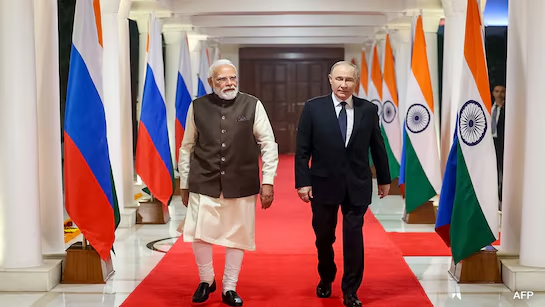
Russian President Vladimir Putin, in a world-exclusive interview with India Today and Aaj Tak on 3 December 2025, offered a strong defence of India-Russia relations at a time of rising global tensions and US trade pressures. Speaking just before his state visit to India from 4-5 December, Putin praised Prime Minister Narendra Modi’s leadership, highlighted India’s rapid transformation from its colonial past to a major global economic force, and reaffirmed the “time-tested” partnership that has endured for seven decades.
He underscored practical cooperation across key sectors under “Make in India”, especially in space, nuclear energy, aviation, shipbuilding, and artificial intelligence, signalling that several major agreements would be unveiled at the New Delhi summit. Putin also described India’s consistent 7% annual GDP growth as a testament to stability, noting milestones such as India’s doubled life expectancy since independence—an achievement he called “almost like a miracle”.
Putin’s Key Statements on US Tariffs, Oil Trade, and Global Pressure
Sharp Response to US Criticism of India-Russia Oil Trade
Putin delivered one of his most direct rebuttals to US criticism of India’s energy purchases from Russia. Highlighting Washington’s own dependence on Russian nuclear fuel, he stated:
“The United States itself still buys nuclear fuel from us for its own nuclear power plants. That is also fuel. If the US has the right to buy our fuel, why shouldn’t India have the same privilege?”
He added that Russia remains open to discussing these issues with US President Donald Trump, but insisted that India has every right to pursue energy security with whichever partner it deems reliable.
Trade Decline Brushed Aside as Temporary
Addressing reports of a slight drop in bilateral trade in the first nine months of the year, Putin dismissed it as “just a minor adjustment”, asserting that the underlying economic partnership remains strong. He stressed that transactions in petroleum products and crude oil continue without disruption, and highlighted how Russian firms consider Indian partners as “reliable and very serious people”.
Remarks on Trump’s Tariff Policies
Asked about Trump’s renewed tariff measures, Putin said:
“He has advisors who believe that implementing such tariff policies ultimately benefits the US economy. We hope that, in the end, all violations of WTO regulations will be rectified.”
This was a broad critique of unilateral trade actions and their impact on global commerce.
Defence Cooperation and India’s Strategic Autonomy
Technology Sharing as the Cornerstone
Defence remains a central pillar of the bilateral relationship, with Russia currently accounting for 38% of India’s defence imports. Putin emphasised that cooperation goes far beyond arms sales and is anchored in technology sharing, aligned with India’s manufacturing ambitions.
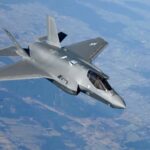
Citing joint projects involving T-90 tanks, BrahMos missiles, and the Su-57 fighter programme, he explained:
“We are not simply selling technology – we are sharing it. It speaks to the level of trust between the two countries.”
India’s Sovereignty and Leadership Praised
Putin also reinforced India’s status as an independent global power, stating:
“India cannot continue to be treated the way it was treated 77 years ago. India is a major global player, not a British colony. Prime Minister Modi is not someone who succumbs to pressure easily.”
More than 90% of transactions between India and Russia, he noted, now occur using national currencies, supported by alternative electronic payment systems that bypass Western sanctions.
Nuclear Energy Commitments and Future Deals
New Projects and Small Modular Reactors
Putin highlighted Russia’s global leadership in nuclear construction through Rosatom, which is currently building 22 reactors worldwide, including multiple units at Kudankulam in Tamil Nadu. He announced that Russia is ready to supply small modular reactors (SMRs) for remote parts of India, stating:
“Russia is probably the only country in the world today capable of building – and actually does build – small nuclear power plants, whether floating or ground-based.”
Trade and Energy Cooperation for the Next Decade
He expressed confidence that significant announcements in nuclear cooperation would be made during the visit, alongside steps to diversify trade. Both nations remain committed to pushing bilateral trade toward the $100 billion target by 2030, driven by energy, defence, high-tech manufacturing, and new infrastructure linkages.
Putin’s Position on the Ukraine Conflict and Global Architecture
Putin reiterated Russia’s narrative on the Ukraine conflict, framing the “special military operation” as an effort to protect “interests, language, and people” in Donbass following what he labelled a Western-backed 2014 coup. He insisted NATO had violated earlier verbal assurances:
“We are just insisting on fulfilling the promises already made to us – no expansion eastward.”
He acknowledged former US President Donald Trump’s diplomatic efforts based on 27-28 negotiation points, praising them as sincere. However, he reaffirmed Russia’s red lines, including the requirement that Ukrainian troops must withdraw from the territories Russia claims.
On global groupings, he dismissed the prospect of returning to the G8, questioning its relevance at a time when India—now the world’s third-largest economy in PPP terms—is indispensable to global decision-making.
Putin’s Current Visit to India and Expected Outcomes
Putin arrived in New Delhi on 4 December 2025 for a two-day state visit, marking one of the most closely watched India-Russia summits in recent years. His agenda includes high-level talks with Prime Minister Narendra Modi, defence and energy negotiations, and announcements across space, nuclear, technology, and trade domains.
Diplomatic officials expect the two sides to unveil agreements on:
- Expansion of nuclear cooperation, including SMR deployment
- Joint ventures under Make in India, particularly in defence manufacturing
- Fresh energy partnerships involving crude, LNG, and petrochemical investments
- New payment systems to further strengthen rupee-rouble trade mechanisms
The visit highlights the strategic weight of the partnership at a time of shifting global alignments, with both sides signalling their determination to protect bilateral space despite global geopolitical pressures.