Delhi s Toxic Air: When the Media Chooses Silence Over Accountability
Every winter, Delhi and the NCR choke under a thick, poisonous shroud of smog. The Air Quality Index (AQI) crosses 400 sometimes even 500+, pushing the capital into the Severe and Hazardous zones. Visibility drops to a few hundred metres. Children develop chronic coughs, the elderly gasp for air, and thousands silently die every year from pollution-related diseases.
And yet, what do we see in our morning papers?
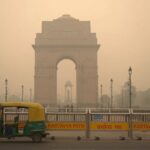
The same tired photos of India Gate fading in the haze, masked commuters on bikes, and lazy write-ups about wind direction and stubble burning with some file photo of fire in the fields, and how politicians are blaming each other.
This isn’t journalism. This is complacency printed in color.
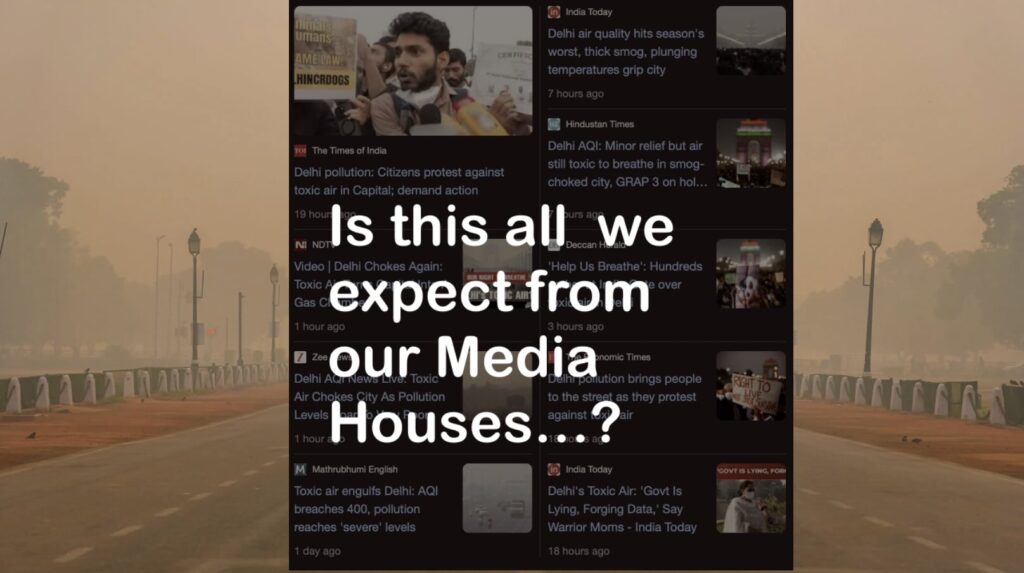
Recent Headlines Tell the Story of Media Passivity
Here s how India s leading news outlets have been covering this national emergency:
- Delhi s AQI in severe category, visibility dropped below 200 metres; GRAP III yet to be enforced Times of India
- Delhi air remains very poor as city records coldest morning at 10.4 °C Hindustan Times
- Delhi s AQI peaks at 391, CAQM holds off GRAP-3 restrictions Hindustan Times
- Delhi Air Quality Nears Severe Category, Many Areas Already in Red Zone NDTV
- Delhi s Toxic Air Now Triggering More Migraines, Neurological Issues, Say Doctors NDTV
- सांस लेना मुझे मार रहा… प्रदूषण के खिलाफ फूटा दिल्ली का गुस्सा NDTV Hindi
- Air quality declines to poor, GRAP stage 1 restrictions implemented TOI
- Delhi air quality hits season’s worst, thick smog, plunging temperatures grip city India Today
- Delhi air quality at hazardous levels after Diwali fireworks Reuters
Not one headline names the officials who failed to enforce anti-pollution measures.
Not one story exposes which police stations ignored stubble-burning complaints.
Not one photo shows the ground reality fields still on fire, construction dust unchecked, or civic inaction on road repair.
Instead, the press reports the symptoms of pollution, not the systemic disease causing it.
Delhi’s Air Crisis: A National Emergency Ignored
Let s be clear: this isn t a seasonal inconvenience. It s a national public health emergency. The capital of the world s largest democracy is suffocating, and the institutions meant to hold power accountable especially the press are asleep at the wheel.
Where is the outrage?
Where are the investigations?
Where is the courage that once defined Indian journalism?
The same newspapers that once brought down governments now merely quote AQI numbers and doctor statements.
Stop Reporting Smog. Start Exposing the System.
People don t need another headline saying, Delhi air turns severe. They already know that their lungs remind them every morning and they see it from their own eyes. And for rest of the world it is just piece of useless information.
What citizens need is pressure journalism that demands, on behalf of the citizens:
- Immediate and strict ban on parali (stubble) burning- enforce with meaningful penalties, provide state-run disposal support (machinery access and logistics, not blanket cash), and hold offenders publicly accountable and liable for punishment.
- Strict enforcement of GRAP (Graded Response Action Plan) with real-time penalties.
- Mandatory dust control across NCR.
- Mandatory, year-round road repair drives across NCR- with strict quality checks to end the cycle of careless, short-lived fixes.
- EV of public transport with measurable deadlines.
- Offer incentives for car owners who switch to EVs and impose heavy taxes and registration limits on second and multiple vehicles under the same name.
- Transparency in pollution data and naming of negligent departments.
But instead of demanding, the media describes. Instead of leading, it follows.
The Silence of the Press Is Complicity
When NDTV writes Air Nears Severe Category and TOI notes Visibility Drops to 200 Metres , it s not information it s inertia.
Why isn t anyone voicing why the Commission for Air Quality Management (CAQM) held off on tougher restrictions?
Why isn t anyone reporting how many violators were fined under GRAP Stage III?
Why aren t municipal bodies being publicly questioned for unpaved roads, open waste burning, or construction dust?
Because that kind of journalism is confrontational. And confrontation makes advertisers, officials, and politicians uncomfortable.
What the Media Should Be Demanding Right Now
If our print and digital media truly cared about clean air, their front pages this week would shout:
- BAN STUBBLE BURNING NOW.
- ENFORCE GRAP STRICTLY, PENALIZE VIOLATORS.
- FIX DUST-SPEWING ROADS.
- ELECTRIFY PUBLIC TRANSPORT.
- NAME AND SHAME POLLUTERS.
But instead, we get weather updates disguised as news.
Journalism Isn t About Comfort It s About Confrontation
Real journalism doesn t stop at describing a problem; it dismantles the system that sustains it.
Delhi s air crisis doesn t need another hazy snapshot of India Gate it needs bold reporting that holds power to account and demands change.
It’s Time for India s Media to Lead or Lose Relevance
There was a time when Indian journalism was the nation s conscience. Today, it risks becoming its smokescreen.
The fight for clean air is not a seasonal issue it s a battle for survival.
The media must move from narration to confrontation, from AQI charts to accountability charts.
Otherwise, every November will bring the same headlines, the same excuses, and a few thousand more silent deaths.