The Switzerland MoU: A Tactical Freeze in the US-Iran Conflict
June 2026 US-Iran Peace Agreement: After months of intense military operations, naval blockades, disrupted global energy flows, and proxy clashes across the Middle East, the United States and Iran have announced a memorandum of understanding (MoU) to halt direct hostilities. The diplomatic breakthrough, brokered via intense Pakistan-mediated talks, has produced a finalised text. An official signing ceremony is slated for Friday, June 19, 2026 in Switzerland, signalling a temporary halt to a conflict that threatened to spin into a broader regional war.
This agreement is not a sweeping grand bargain resolving decades of ideological enmity, nuclear ambitions, or regional power struggles. Instead, it represents a pragmatic, performance-linked de-escalation aimed at reopening critical shipping lanes and buying time for deeper diplomatic negotiations. Global markets reacted euphorically to the news, with major stock indices soaring while global crude oil prices dropped sharply on expectations of resumed supply flows. However, underlying geopolitical tensions suggest this truce could prove just as volatile as the conflict it pauses.
The Mediated Framework
The blueprint of the Pakistan-mediated talks, as per media reports (official version yet not available), highlights the core friction points reconciled within the signed text:
United States Directives:
- Agrees to lift the comprehensive naval blockade of Iranian ports.
- Demands a rigid, performance-linked “pay-for-performance” framework.
- Enforces a strict 60-day window for subsequent, formal nuclear talks.
Iranian Commitments:
- Agrees to reopen the strategic Strait of Hormuz to international shipping.
- Retains primary operational control and arrangements over the waterway.
- Seeks rapid, tangible pathways to international sanctions relief.
Immediate De-escalation Mandates
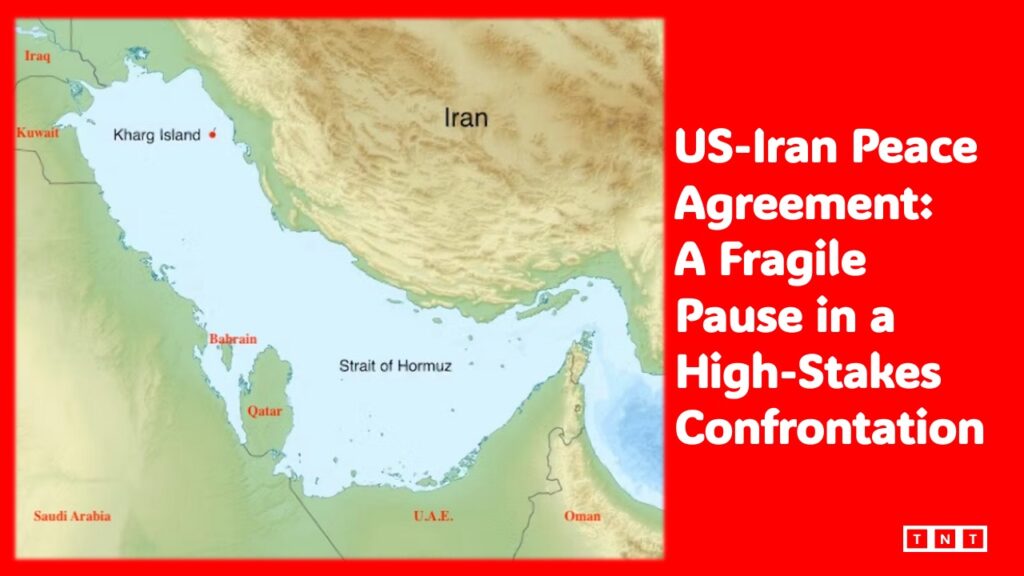
The immediate ceasefire and military stand-down dictate that operations end on all fronts, explicitly including the volatile theatre in Lebanon. As an immediate consequence, the United States has agreed to lift its sweeping naval blockade of Iranian ports. In return, Iran commits to ceasing all hostile actions that previously closed or directly threatened the strategic Strait of Hormuz.
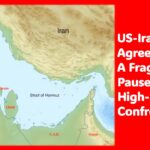
The reopening of the Strait of Hormuz is a central pillar of the agreement. This critical maritime chokepoint handles roughly 20% of the global oil trade. Under the terms of the MoU, the waterway will reopen under Iranian arrangements while guaranteeing unimpeded international commercial access. The Trump administration framed this development colourfully, with the President declaring, “Let the oil flow!”. By maintaining Iran’s primary control over the waterway, potentially in close coordination with Oman, the deal carefully avoids a full internationalisation of the strait that would have inflamed nationalistic sentiment in Tehran.
Nuclear Thresholds and Financial Constraints
Nuclear and sanctions dimensions receive limited immediate treatment in the document, effectively deferring the most contentious issues to a strict 60-day window. The United States has heavily emphasised a “pay-for-performance” model, ensuring that Iran receives no upfront cash or unfrozen assets without verifiable steps toward de-escalation. Future sanctions relief is tied directly to compliance, requiring stringent US verification of specified sites and binding commitments against uranium weaponisation. Conversely, the Iranian government is portraying this framework to its domestic audience as a targeted sanctions easing tied directly to its strategic victory in forcing Washington to the negotiating table.
US officials, including Ambassador Mike Waltz, have stressed that there will be no major cash transfers or blank checks issued to Tehran. All economic and diplomatic benefits link explicitly to verifiable Iranian actions regarding transparency and regional stabilisation. JD Vance and prominent Iranian figures, such as Parliament Speaker Mohammad Baqer Qalibaf, are expected to represent their respective sides at the official signing ceremony, which will likely take place in Geneva or via a secure virtual format.
Divergent Geopolitical Narratives
The agreement has generated sharply divergent narratives from the key players involved. The Trump administration views the MoU as a decisive win that showcases the efficacy of American economic and military leverage. Washington highlights that the deal successfully prevents an immediate Iranian nuclear breakout and reopens critical energy routes without making major upfront concessions. This approach positions the United States as a stabilising force and a guardian of regional order in exchange for broader economic participation, contrasting sharply with past Western diplomatic agreements by avoiding immediate financial payouts.
In contrast, Tehran claims total vindication after successfully withstanding months of intense military and economic pressure. Iranian state media and hardline officials assert that their resistance forced the United States back to the negotiating table. They emphasise that Iran preserved its absolute sovereignty over the Strait of Hormuz and secured viable pathways to sanctions relief without surrendering its core technological or military capabilities. While nuclear talks remain separate and treated with caution due to deep-seated skepticism regarding US reliability, Iranian pragmatists view the MoU as vital breathing room for domestic economic recovery.
International voices have expressed a mix of relief and profound anxiety. Pakistan’s Prime Minister Shehbaz Sharif, who played a pivotal mediation role, hailed the end of active military operations as a victory for regional diplomacy. However, Israel and various Gulf states voice immediate concerns regarding enforcement metrics and the potential for long-term Iranian rearmament. This conflict, which erupted earlier in 2026 amid escalating missile strikes, Iranian closures of shipping lanes, and heavy US naval responses, inflicted severe global economic pain through spiking oil prices and runaway inflation. While the MoU successfully shifts the paradigm from active warfare to a monitored pause, core disputes regarding Tehran’s nuclear thresholds, proxy networks, and regional security dynamics remain entirely unresolved.
Also Read: