The Vaibhav Sooryavanshi Dilemma: India’s 15-Year-Old Wonderkid Steps into a Den of Hype and History
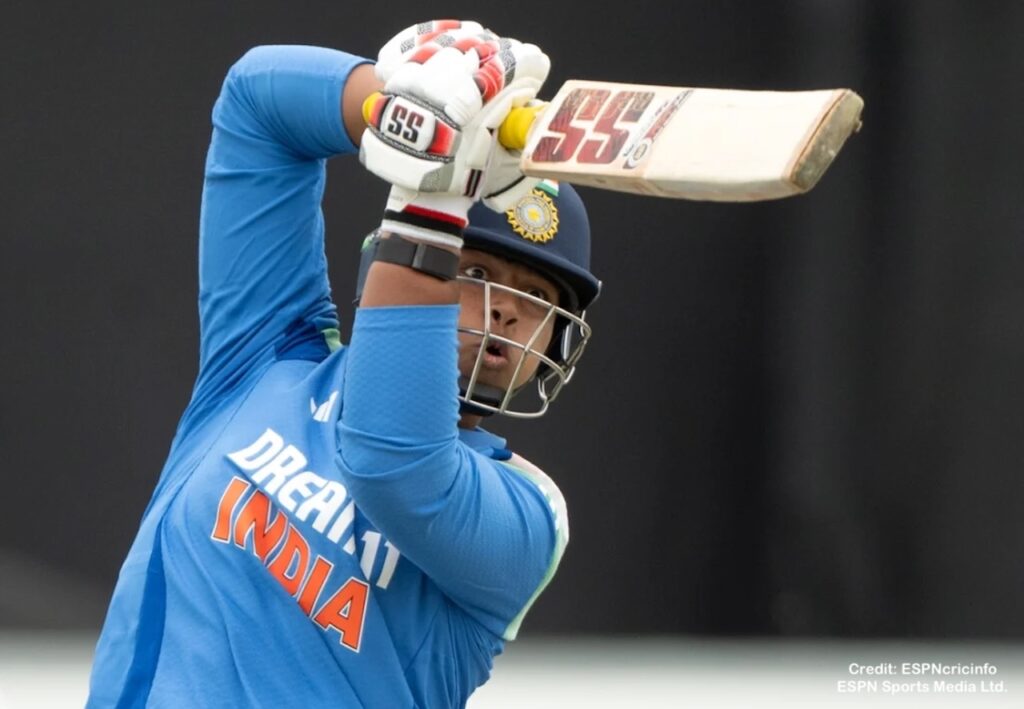
Indian cricket operates on a unique ecosystem where prodigies are canonised before they are legal adults. Yet, even by subcontinental standards, the national selection committee’s decision over the weekend has sent shockwaves through the global cricketing fraternity. At just 15 years and 71 days old, left-handed opening batsman Vaibhav Sooryavanshi has been named in the senior national squad for the upcoming T20I tours of Ireland and England, as well as the 2026 Asian Games.
By earning this historic Vaibhav Sooryavanshi India call-up, the Bihar-born prodigy shatters the legendary Sachin Tendulkar record. Tendulkar was 16 years and 205 days old when he faced Pakistan’s legendary pacers in 1989. Now, Suryawanshi stands as the youngest Indian cricketer ever selected for the senior men’s team.
While the internet erupted in celebratory frenzy, a critical divide has emerged among former players, analysts, and selectors. Is this early elevation a stroke of administrative genius aimed at long-term grooming for the T20 World Cup 2028, or a dangerous gamble that risks burning out a generational asset?
The Global Buzz: Why Selectors Handed Him the Cap
The catalyst behind this rapid rise is not just abstract potential; it is raw, unadulterated data. Playing for the Rajasthan Royals in the recently concluded Indian Premier League season, Suryawanshi didn’t just participate he dominated. He amassed a staggering 776 runs to capture the coveted IPL 2026 Orange Cap, launching a record-breaking 72 sixes along the way (broke Chris Gayle’s record).
Chief Selector Ajit Agarkar did not mince words regarding the selection process:
“We haven’t picked Vaibhav Suryawanshi; Vaibhav Suryawanshi has picked himself. To back up potential in a competition that is as competitive and high-pressure as the IPL proves that he is a match-winner.”
The international cricket community has been quick to express admiration. Master tactician AB de Villiers praised the teenager’s chilling composure under immense pressure, particularly when facing world-class operators like Pat Cummins. Australian legends Matthew Hayden and Aaron Finch pointed out that the “ignorance of youth” serves as an incredibly fearless asset in short-format cricket. Furthermore, English commentators compared his fluid, organic bat swing to the great Brian Lara, citing his explosive 175 off 80 balls against England in the Under-19 World Cup final as proof of his elite capabilities.
The Great Debate: The Structural Risks of Teenage Stardom
Beneath the overwhelming euphoria lies a deeply protective undercurrent from elder statesmen of the game. The fundamental core of the debate centres on a crucial question: Can a physically and mentally developing teenager navigate the brutal realities of modern international scheduling without breaking down?
The Threat of Red-Ball Stagnation
AB de Villiers, while heavily supportive of the Vaibhav Sooryavanshi India call-up in white-ball cricket, raised valid long-term concerns regarding multi-format longevity. He warned that if Suryawanshi is not intentionally exposed to multi-day, first-class matches, he risks becoming a “T20 specialist for the rest of his life”. This is reinforced by domestic tracking numbers, which show his current First-Class red-ball average sitting at an unproven 17.25 over a handful of Ranji Trophy matches.
Guarding Against Systemic Burnout
Former Indian captain Sourav Ganguly strongly urged the public and media to temper immediate expectations.
“Don’t expect the world from him straightaway. He’s just 15,” Ganguly warned, stating clearly that while the boy is fully ready for T20 dynamics, he lacks the technical and mental temperament required for gruelling red-ball Test cricket.
Australian mastermind Greg Chappell echoed these exact sentiments, pointing out the systemic hazards awaiting physically underdeveloped teens in an era dominated by year-round franchise leagues. Chappell invoked cautionary tales from Indian cricket’s past, such as Vinod Kambli and Prithvi Shaw, illustrating how immense media hype and early burnout can prematurely derail even the most promising young cricketers before they reach their physical prime.
The Road Ahead: BCCI’s Duty of Care
Recognising the unprecedented nature of this selection, the Board of Control for Cricket in India (BCCI) is introducing a customised roadmap to buffer their new prodigy. In a historic travel exception, the board confirmed that it will fully fund and arrange for Suryawanshi’s parents to travel with him on senior overseas tours to England and Ireland. This structural buffer ensures that the child has a grounded domestic support system while adjusting to high-stress international locker rooms.
Furthermore, the selection panel’s strategic horizon spans far beyond the immediate season. Insiders report that the team management views Suryawanshi as a vital foundation stone for the T20 World Cup 2028 cycle and the upcoming 2028 Los Angeles Olympic Games. By integrating him gradually under the leadership of newly appointed T20I skipper Shreyas Iyer, India seeks to avoid throwing him to the wolves completely.
Ultimately, the historic milestone of breaking the Sachin Tendulkar record guarantees that the spotlight will remain relentlessly bright. WhetherVaibhav Sooryavanshi evolves into an all-format living legend or becomes a fleeting, explosive T20 phenom will entirely depend on how carefully Indian cricket handles its most fragile asset over the next 36 months.
Buzz & Debate Live Poll
What do you think? Should India have allowed Vaibhav Sooryavanshi to grind through another year of domestic first-class cricket, or is it completely right to fast-track a teenage prodigy who won the IPL 2026 Orange Cap?
Drop your views in the comments section below!
Also Read:
Who Said What: Global Legends React to Vaibhav Sooryavanshi’s Historic India Selection