Chamonix Travel Guide 2026: Back to the Heart of the French Alps Two Decades Later
More than two decades later, the memory remained vivid. Not the hotels, not the restaurants, not even the town itself. What stayed with us was the exhilarating experience of riding the tiny enclosed gondolas, swaying high above the glaciers between France and Italy. Even today, the thought of that journey sends a chill down my spine. We screamed at every slight sway, laughed nervously, held our breath, and stared in disbelief at the vast frozen world beneath us. More than twenty one years later, the memory still gives me goosebumps.
Chamonix was not just a mountain holiday for us in 2005. After our visits to Mount Titlis and Jungfrau, it was one of our earliest close encounters with the grandeur of the Alps and among the most unforgettable adventures of our lives. Returning in July 2025 brought back those emotions instantly, while also revealing how much Chamonix had evolved over two remarkable decades.
Our Journeys to Chamonix: Then and Now
2005: The Classic Alpine Route
Back in 2005, while based in Paris during our first European tour, we explored three possible routes to reach Chamonix:
1. From Paris, travel by train via Lyon and Bellegarde-sur-Valserine to Saint-Gervais-les-Bains-Le Fayet, and then continue to Chamonix.
2. From Paris, travel to Geneva by train or air, and then proceed to Chamonix by road.
3. From Paris, travel via Lausanne to Martigny, and from there take the famous Mont Blanc Express to Chamonix through Le Châtelard and Vallorcine.
There was no direct train to Saint-Gervais-les-Bains-Le Fayet from Paris back then. While most journeys still require a transfer, today SNCF actually operates direct weekend TGV services from Paris straight to Saint-Gervais during peak winter and summer seasons. From there, all passengers still transfer to the metre-gauge Mont Blanc Express for the final mountain section to Chamonix.
We chose the first option. From Paris Gare de Lyon, we boarded a high-speed TGV to Bellegarde-sur-Valserine via Lyon, reaching Lyon in about two hours and Bellegarde-sur-Valserine in approximately four hours (total from Paris). From there, we continued through the French Alps on regional SNCF trains to Saint-Gervais-les-Bains-Le Fayet, a journey of roughly two and a half hours.
The final leg aboard the Mont Blanc Express remains etched in memory. The journey from Saint-Gervais-les-Bains Le Fayet to Chamonix on the Mont Blanc Express takes approximately 45 minutes. As the train wound its way through the beautiful Arve Valley, the landscape gradually transformed from rolling countryside into dramatic Alpine scenery. Snow-capped peaks began appearing in the distance, growing larger and more imposing with every passing kilometre. The anticipation built steadily as we approached the heart of the Mont Blanc massif.
In many ways, reaching Chamonix felt like an adventure in itself.
By the time we arrived in Chamonix-Mont-Blanc in the late afternoon, perhaps closer to evening, the town was bathed in the glow of the surrounding mountains. Encircled by towering peaks on all sides, it immediately conveyed a sense of grandeur and adventure. We knew we had arrived somewhere truly special.
2025: The Easy Geneva Transfer (Our Recent Visit)
Geneva to Chamonix by Road
For our return visit in July 2025, we chose a much simpler and faster option. After flying into Geneva Airport (GVA), we boarded a comfortable shared shuttle to Chamonix (private transfers are also widely available). The journey is approximately 88-90 km and typically takes 1 hour 15 minutes, door-to-door, smooth journey via the famous Autoroute Blanche (A40). The route passes from Switzerland into France and follows the beautiful Arve Valley towards Mont Blanc. The route is scenic throughout and considerably less tiring than the full-day rail journey we had undertaken two decades earlier.
As you leave Geneva behind, the mountains gradually begin to dominate the horizon. The scenery becomes increasingly dramatic as the motorway enters the valley, eventually revealing the jagged peaks surrounding Chamonix.
Several operators, including Mountain Drop-offs, AlpyBus, and Chamexpress, offer reliable and reasonably priced services, with shared transfers typically costing between €30 and €80 per person, depending on the season and booking conditions.
For travellers seeking convenience, this is undoubtedly the easiest way to reach Chamonix.
The road journey itself is spectacular. That said, for many international visitors, the rail journey remains an integral part of the Alpine experience. There is a distinct charm in travelling by France’s high-speed TGV network, which covers the approximately 400-kilometre distance from Paris to the Alpine region in as little as 2 hours and 40 minutes. Combined with the regional train connections and the charming Mont Blanc Express, the journey offers a far more immersive introduction to the Alps. While flying into Geneva is the practical choice, arriving by train still carries a certain romance and sense of adventure that many travellers continue to cherish.
Chamonix Then and Now: What Has Changed Between 2005 and 2025?
The changes over the past two decades were immediately noticeable. In 2005, most visitors arrived by train, whereas today Geneva Airport transfers dominate. Booking accommodation, transport, and mountain excursions once required paper tickets, maps, and guidebooks. In 2025, almost everything is digital, from online reservations and mobile apps to digital passes and live lift updates, and the real time weather updates too.
Chamonix itself has become far more international, attracting visitors from across the globe. Mountain infrastructure has also evolved significantly into a realm of futuristic engineering. Simpler facilities have been replaced by ultra-modern viewing decks, including the thrilling “Step into the Void” glass box hanging over a 1,000-meter drop at the Aiguille du Midi summit.
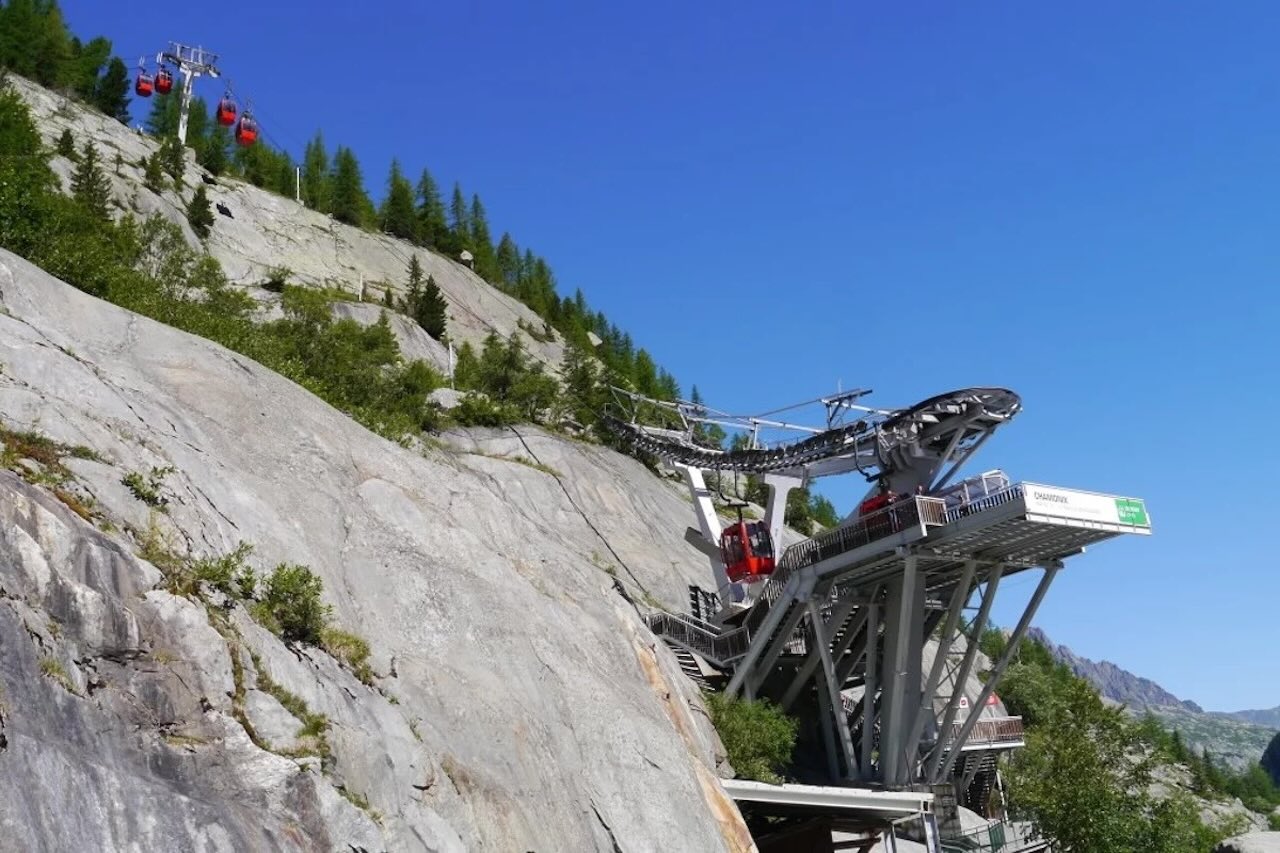
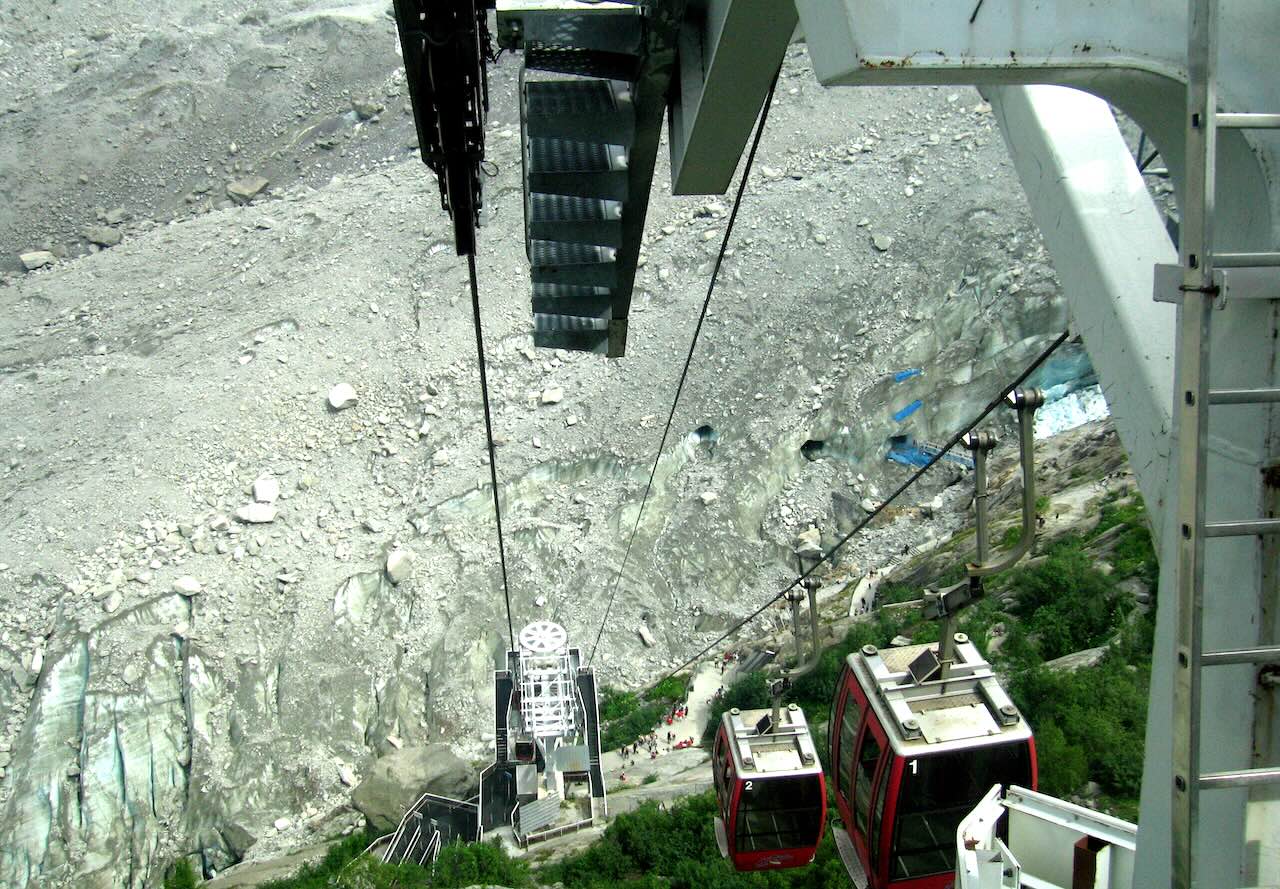
Perhaps the most striking change, however, was the landscape itself. The glaciers appeared visibly larger in 2005. Today, the effects of glacier retreat are impossible to ignore, offering a stark reminder of the impact of climate change on the Alpine environment. This environmental shift even forced a complete overhaul of the Mer de Glace access; the old cliffside cable car and its gruelling 500+ steel steps are gone, replaced recently by a brand-new gondola built further up the valley to safely deliver visitors to the changing ice cave.
Yet despite all these changes, the essence of Chamonix remains the same – a spectacular mountain town living under the shadow of Mont Blanc. What surprised us most was how familiar the valley still felt. The town had grown busier and more international, but the dramatic mountain backdrop remained completely unchanged.
The Goosebumps Experience: Aiguille du Midi & The Panoramic Mont-Blanc Gondola
If there is one experience that defines our Chamonix trip, it was undoubtedly the journey from Aiguille du Midi in France to Pointe Helbronner in Italy.
Even after all these years, this remains one of the most thrilling travel experiences I have ever had.
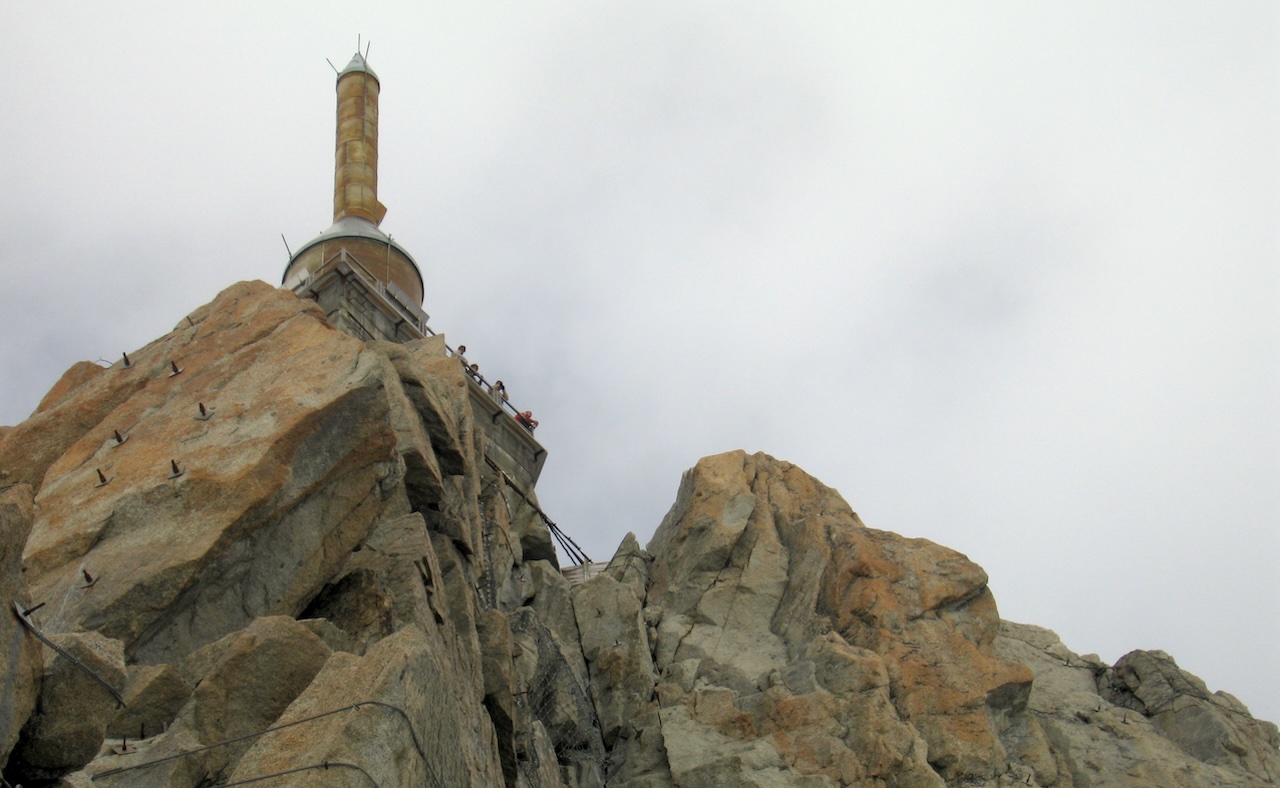
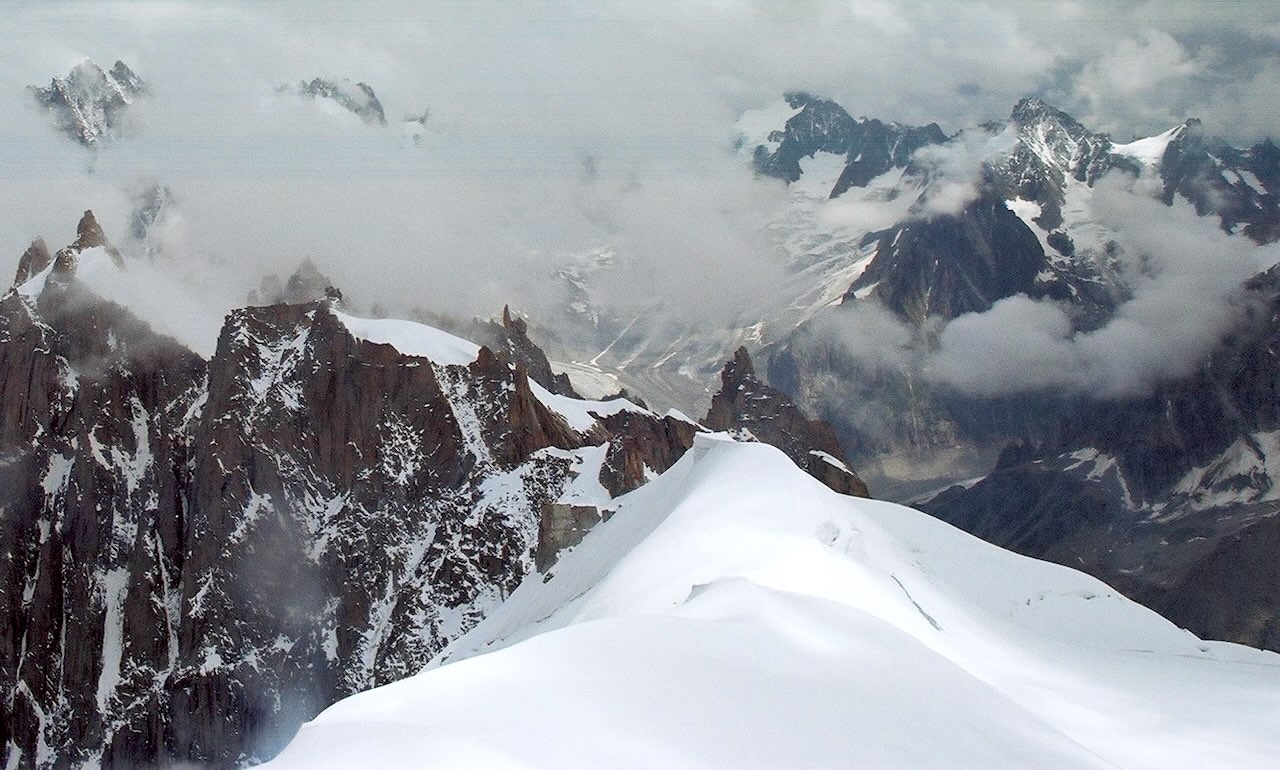
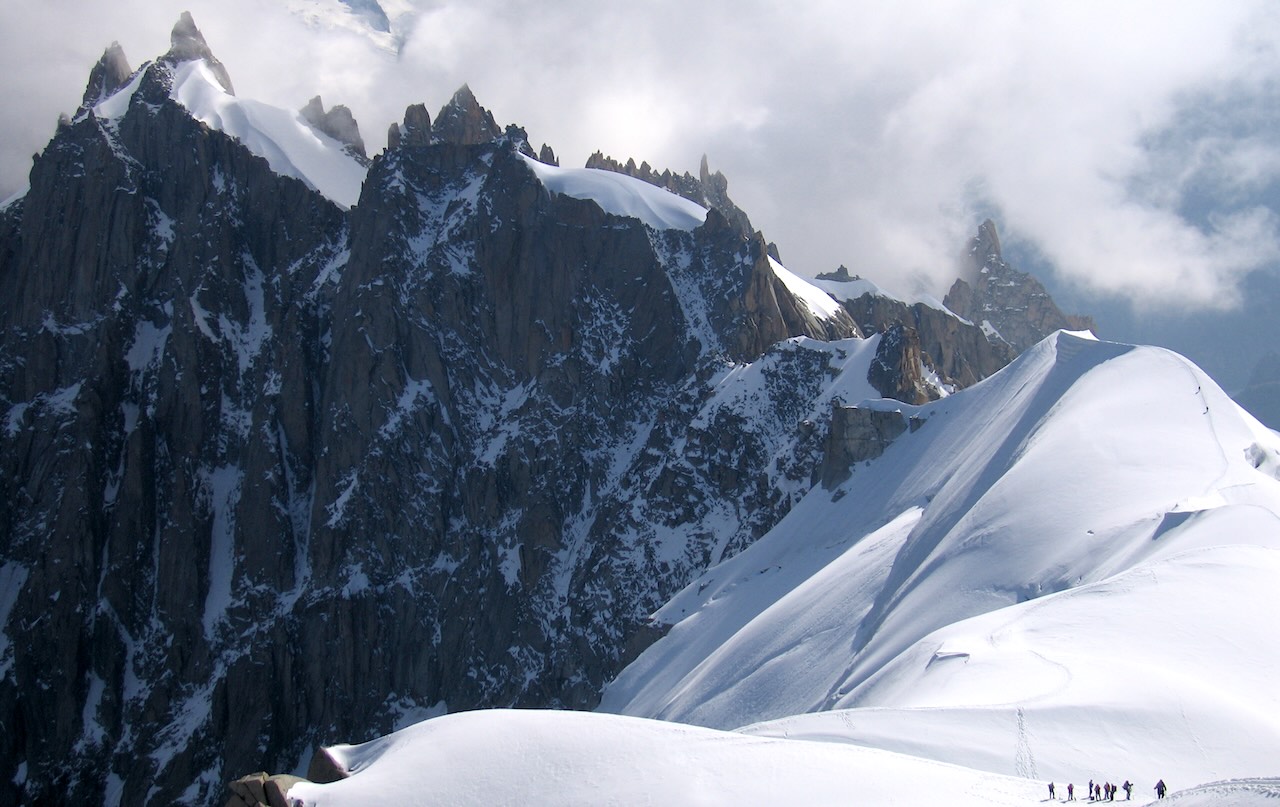
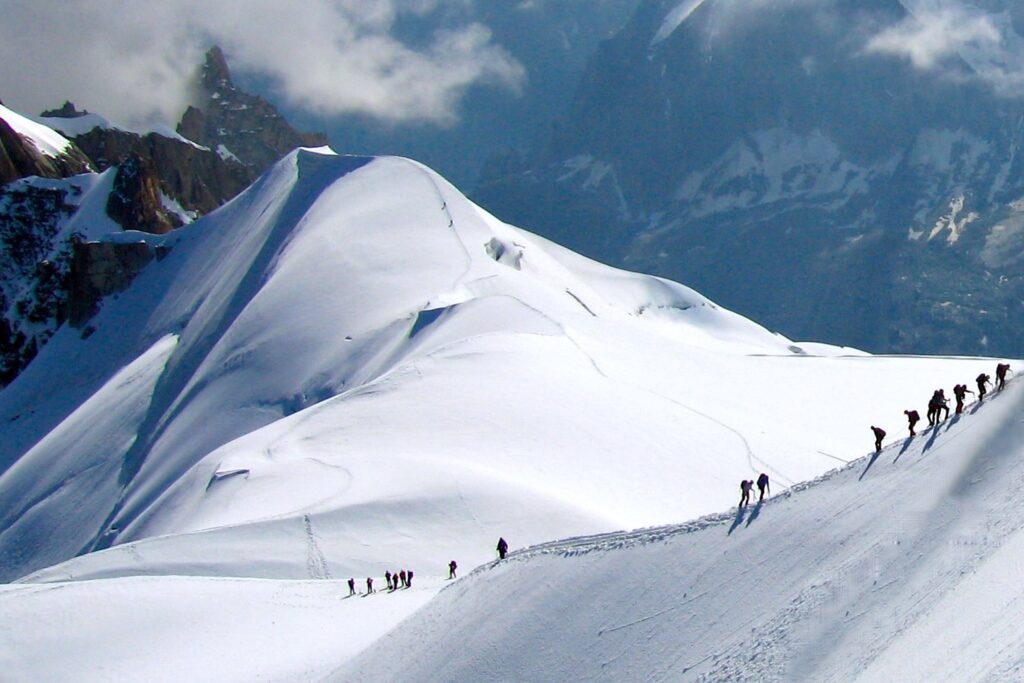
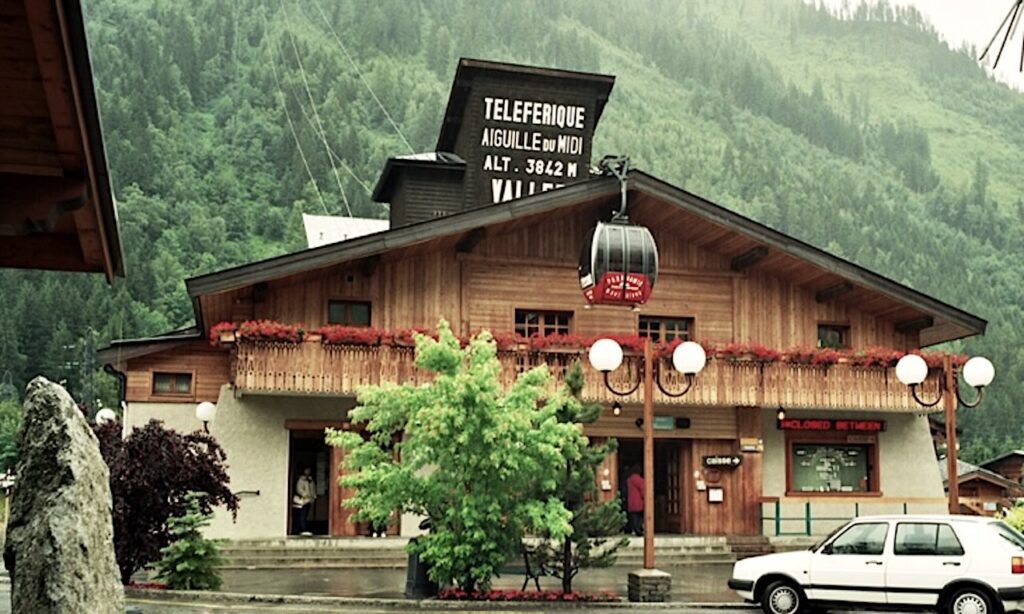
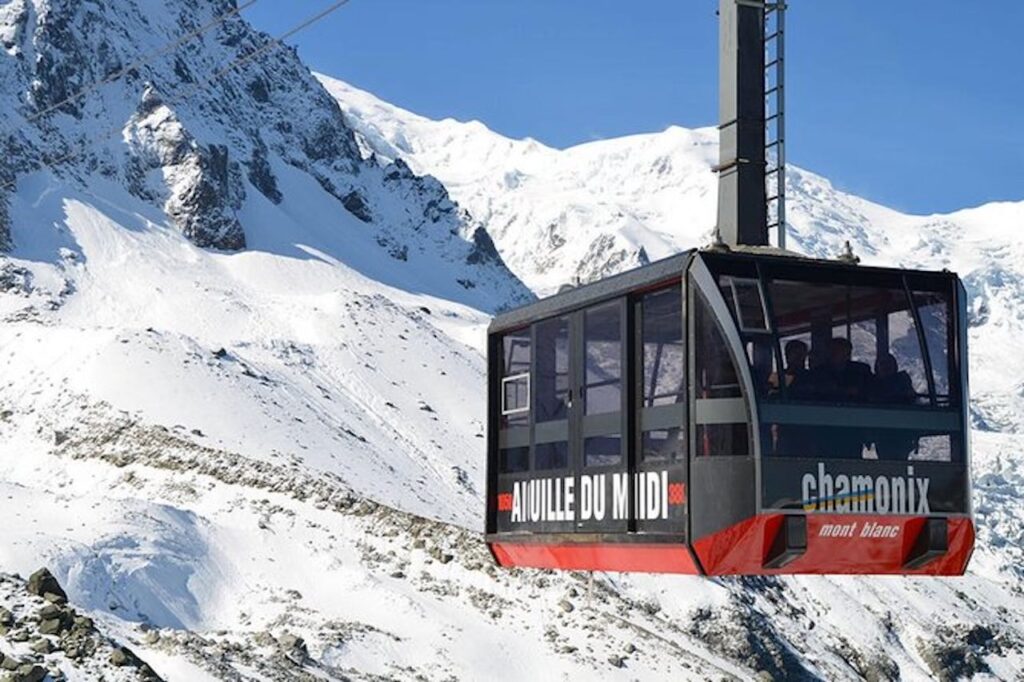
The adventure began with the spectacular ascent from Chamonix to Aiguille du Midi (3,842 m).
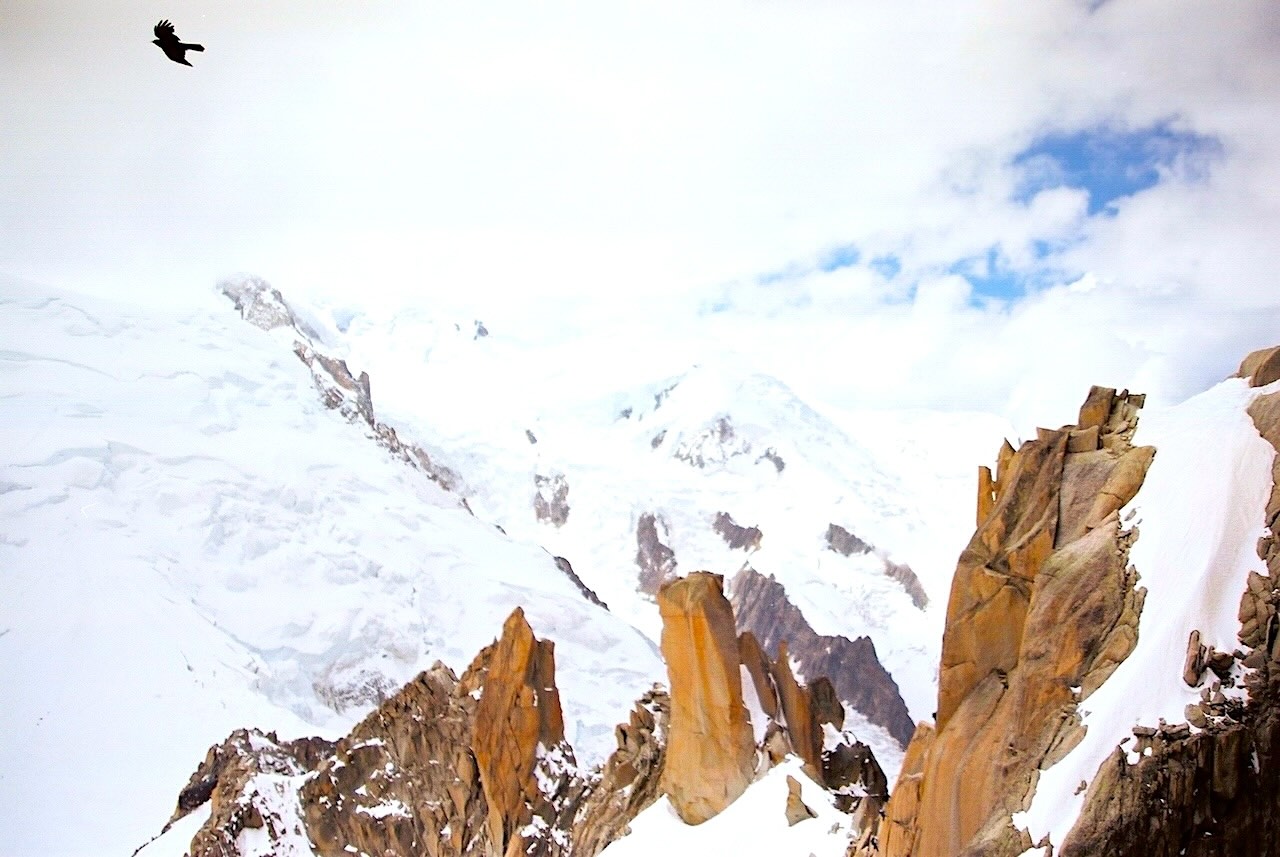
Within minutes, the cable car carried us from the green valley floor into a completely different world of snow, ice and rock.
The views from the summit were extraordinary, but the real adventure was yet to come.
Crossing From France to Italy Above the Glaciers
Back in 2005, the facilities at Pointe Helbronner felt remarkably simple compared to today’s ultra-modern, rotating Skyway Monte Bianco complex.
I distinctly remember the old vintage station on the Italian side, a cramped concrete structure featuring little more than a modest viewing platform, a small indoor viewing room with glass windows, set of benches, and a few basic facilities. The atmosphere felt remote and almost surreal, as though we had reached an isolated outpost suspended between two countries high above the Alps.
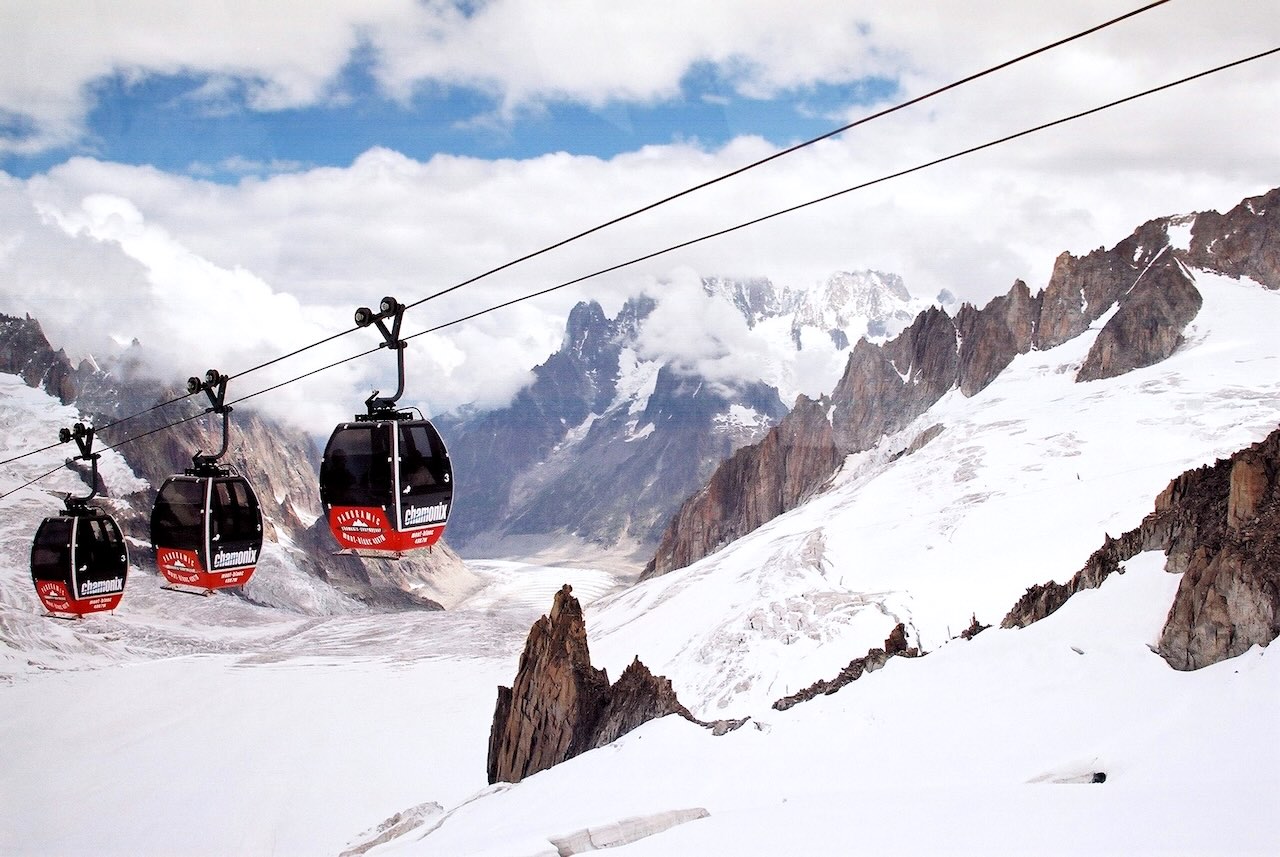
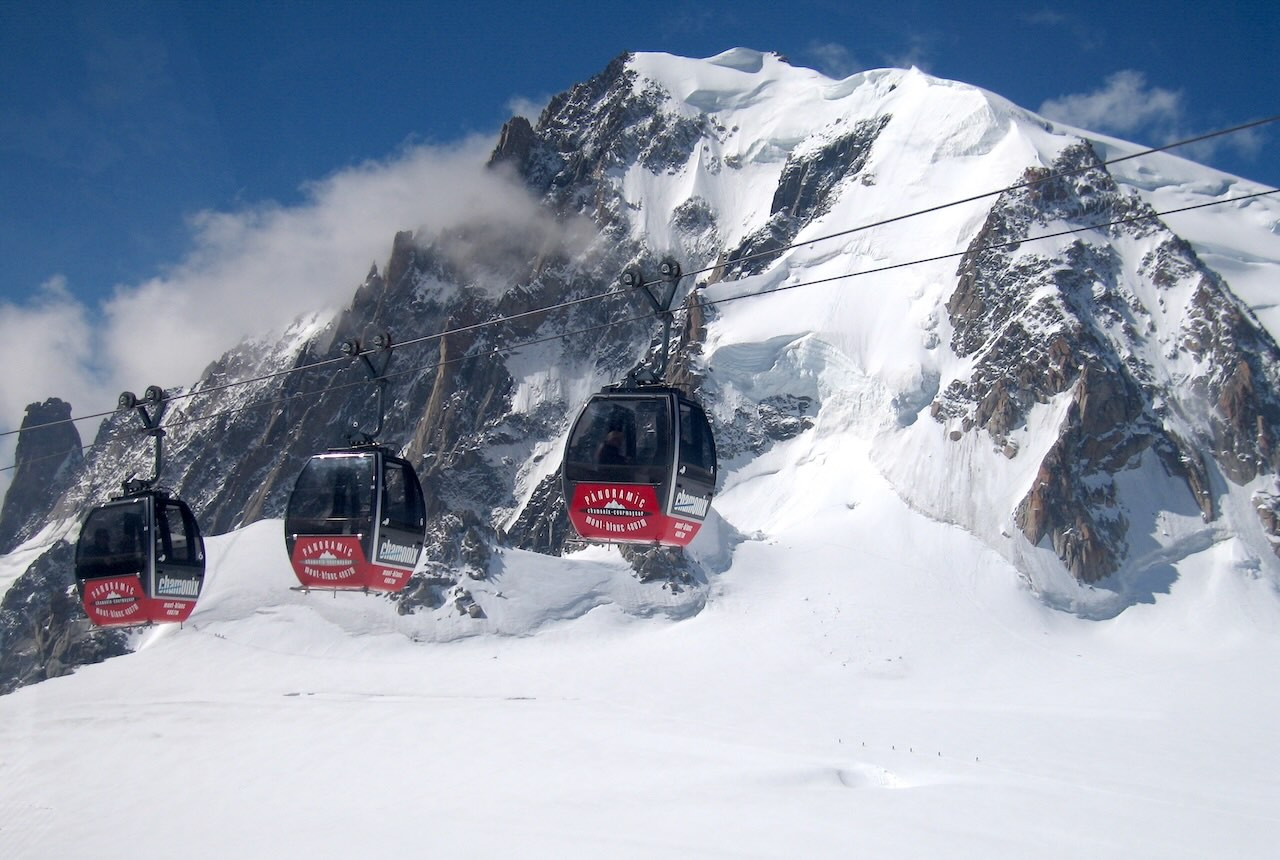
Then the famous Panoramic Mont-Blanc Gondola.
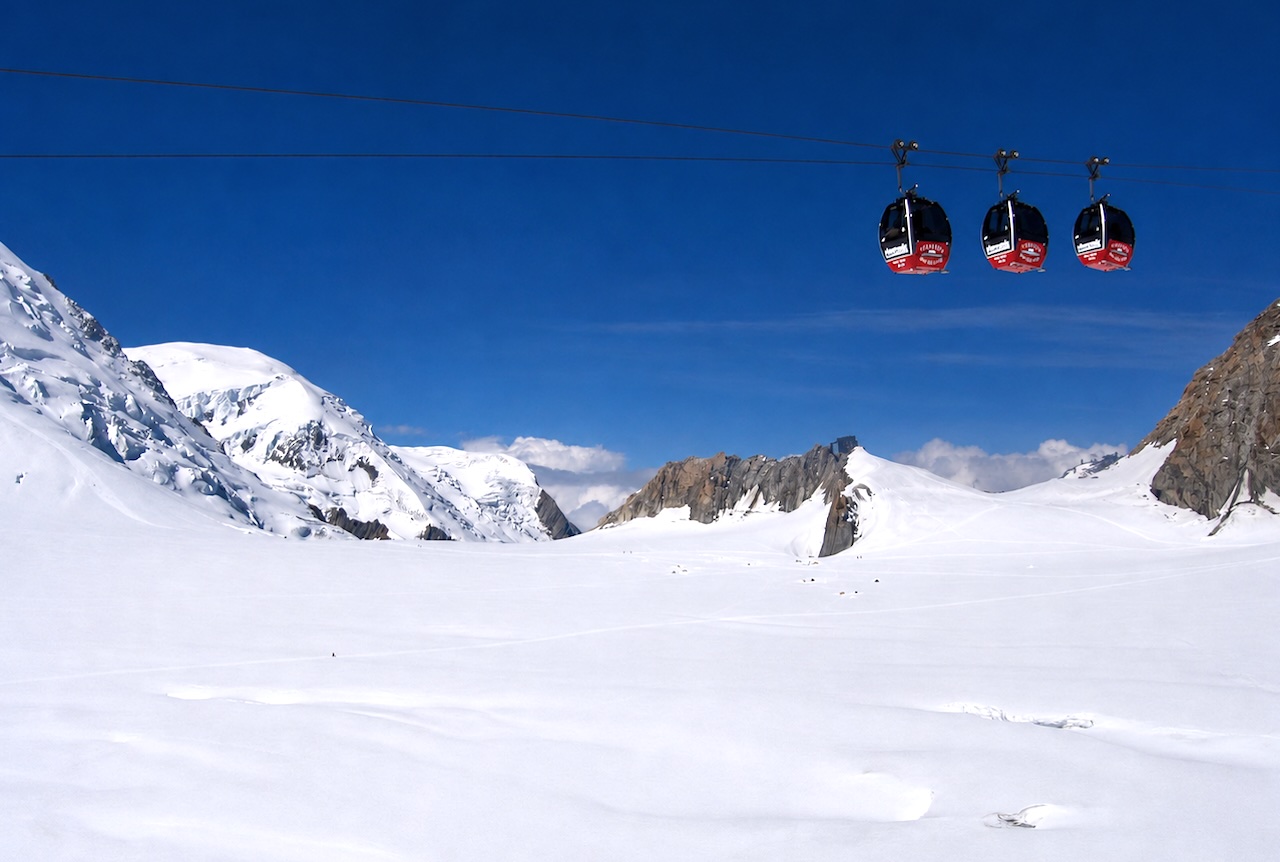
This extraordinary aerial crossing links Aiguille du Midi and Pointe Helbronner, travelling approximately 5 kilometres directly across the glaciers of the Mont Blanc massif.
The cabins seemed impossibly small against the vast mountain landscape.
As we moved further away from the station, the gondola occasionally swayed and vibrated in the mountain winds. Our reactions were completely spontaneous. At times we screamed, laughed nervously, and held tightly onto the cabin rails while staring through the glass.
But fear quickly gave way to absolute awe.
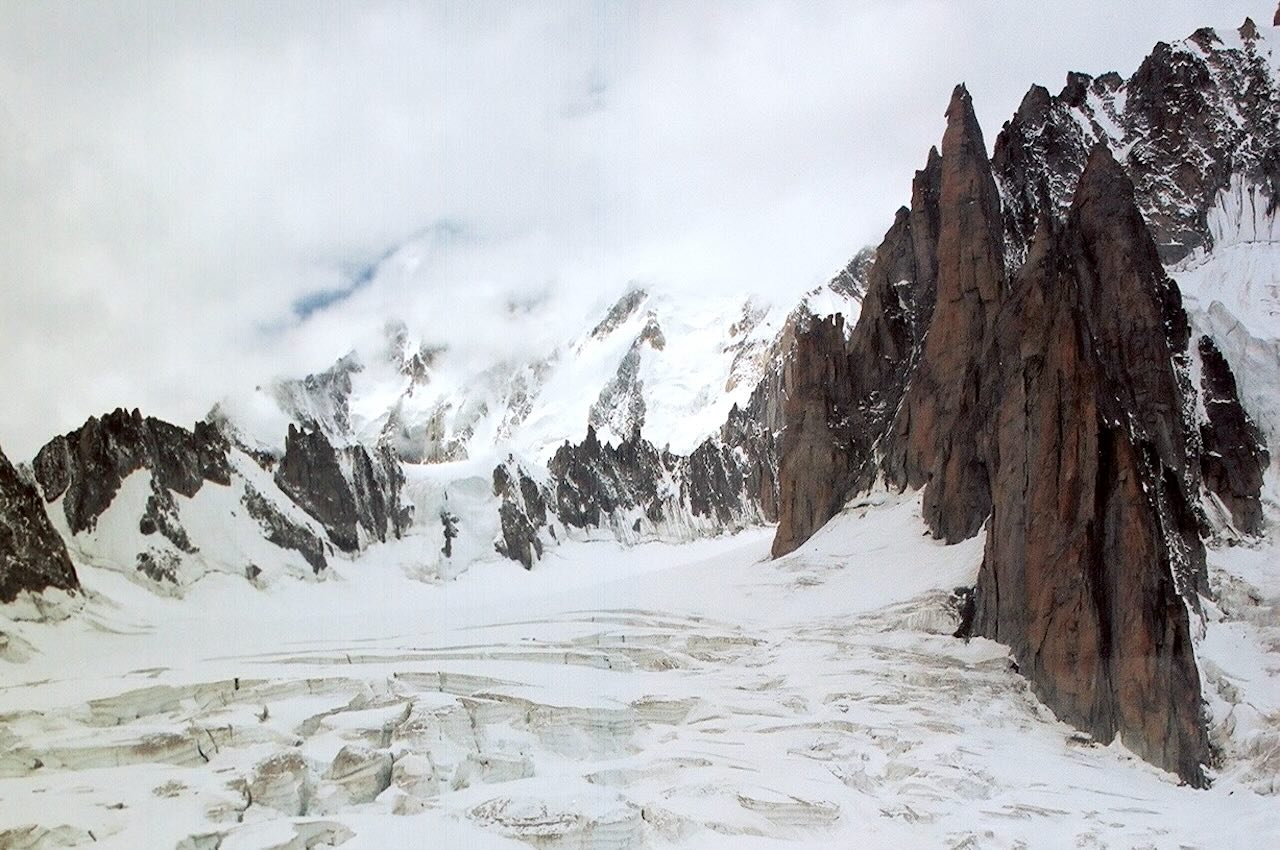
Beneath us stretched an endless frozen landscape of glowing ice fields, gaping crevasses, and ancient glaciers. The tiny cabins seemed to float silently in mid-air. Gazing down at the sheer scale of the valley remains one of the most exhilarating travel experiences of our lives.
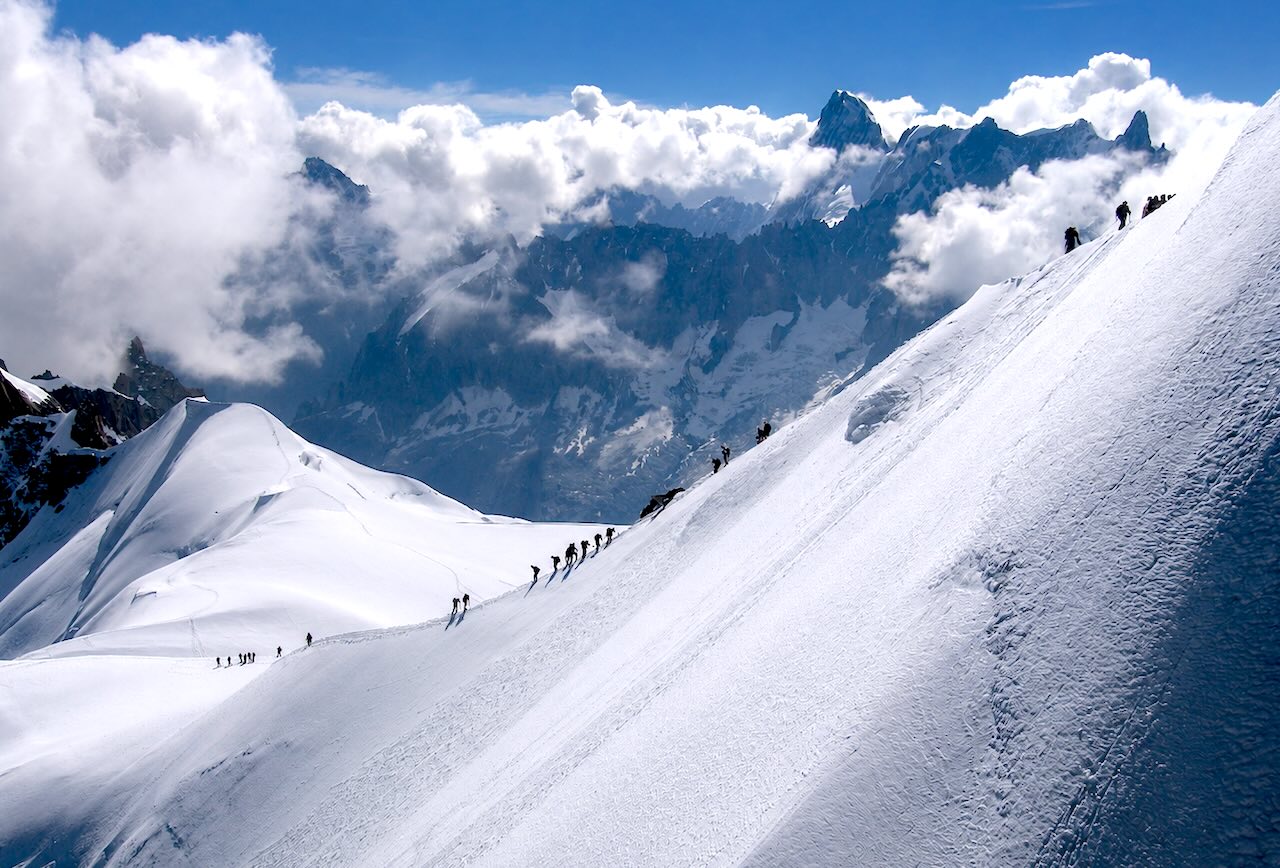
Far below, we could see tiny, colourful mountaineering tents pitched on the snowfields and long lines of climbers slowly navigating the ice like miniature dots. The perspective from thousands of feet above the valley floor felt completely surreal, the vastness was simply impossible to comprehend. For a few unforgettable moments, it genuinely felt as if we were floating above another planet.
Even today, after more than two decades of exploring the world, this remains one of the most spectacular and exhilarating journeys I have ever experienced.
A Sudden Reminder of the Altitude
While the scenery was unforgettable, Aiguille du Midi also reminded us how quickly altitude can affect the human body.
At nearly 3,842 metres (12,605 feet), the ascent from Chamonix at 1,035 metres (3,395 feet) to Aiguille du Midi is completed in just 20-25 minutes. A gain of approximately 2,807 metres (9,210 feet) in such a short time can cause symptoms of Acute Mountain Sickness (AMS) in some travellers.
Those who have visited Leh in Ladakh (India) may recall that, Leh is at about 3,500 metres (11,500 feet), where visitors are usually advised to spend at least 24-48 hours acclimatising before venturing out for sightseeing. Aiguille du Midi reaches an even higher altitude, but in less than half an hour, which explains why some visitors may experience dizziness, headaches, or shortness of breath.
One of our group members began feeling unwell shortly after reaching the summit area. Symptoms included dizziness, discomfort, and weakness are the classic signs associated with rapid altitude gain. The situation became serious enough that she had to lie flat on the viewing platform for some time. That immediately changed the mood of our visit. Instead of spending more time exploring the summit terraces, we decided to descend without delay. Thankfully, the symptoms eased as we returned to lower altitude.
Looking back, I realise that many visitors underestimate how significant the altitude at Aiguille du Midi really is.
Mer de Glace: France’s Sea of Ice
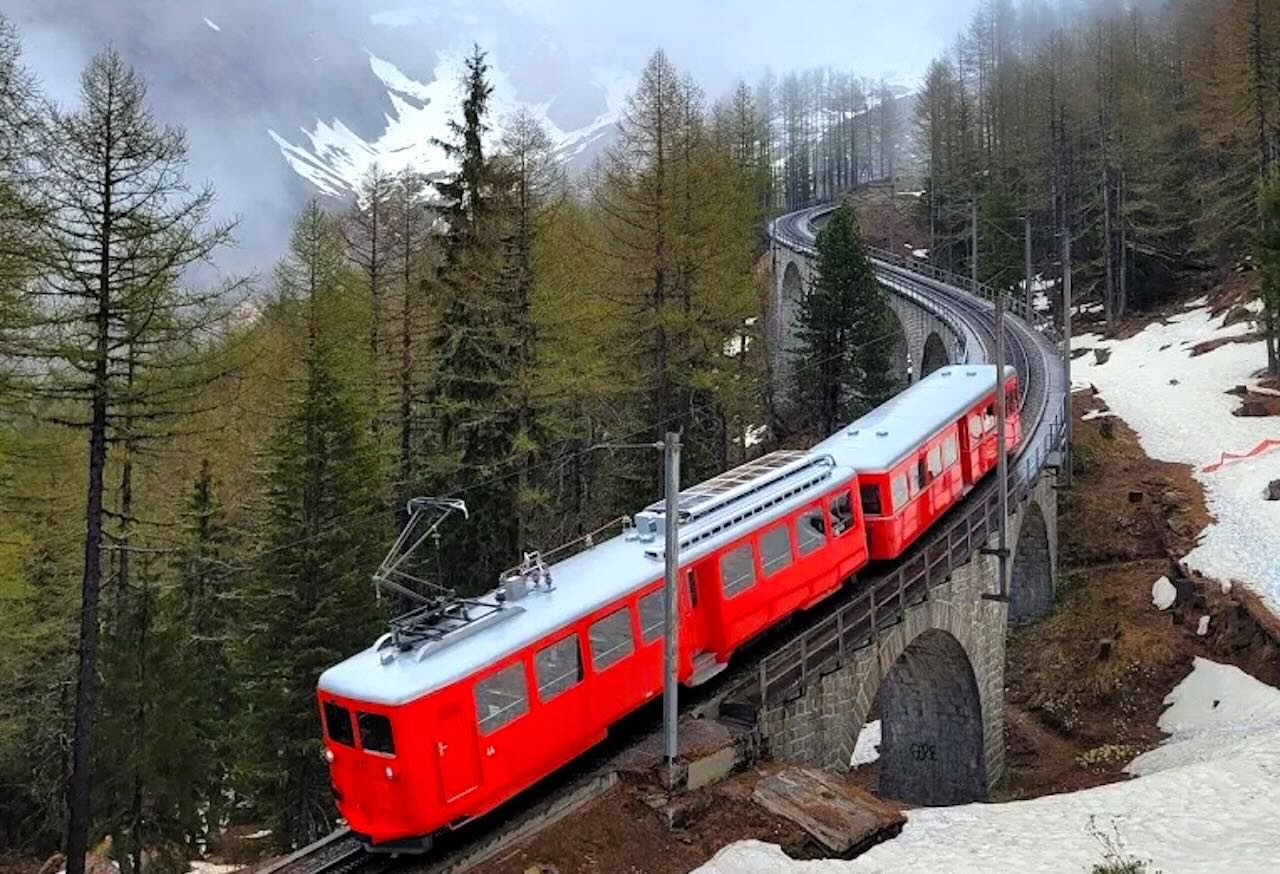
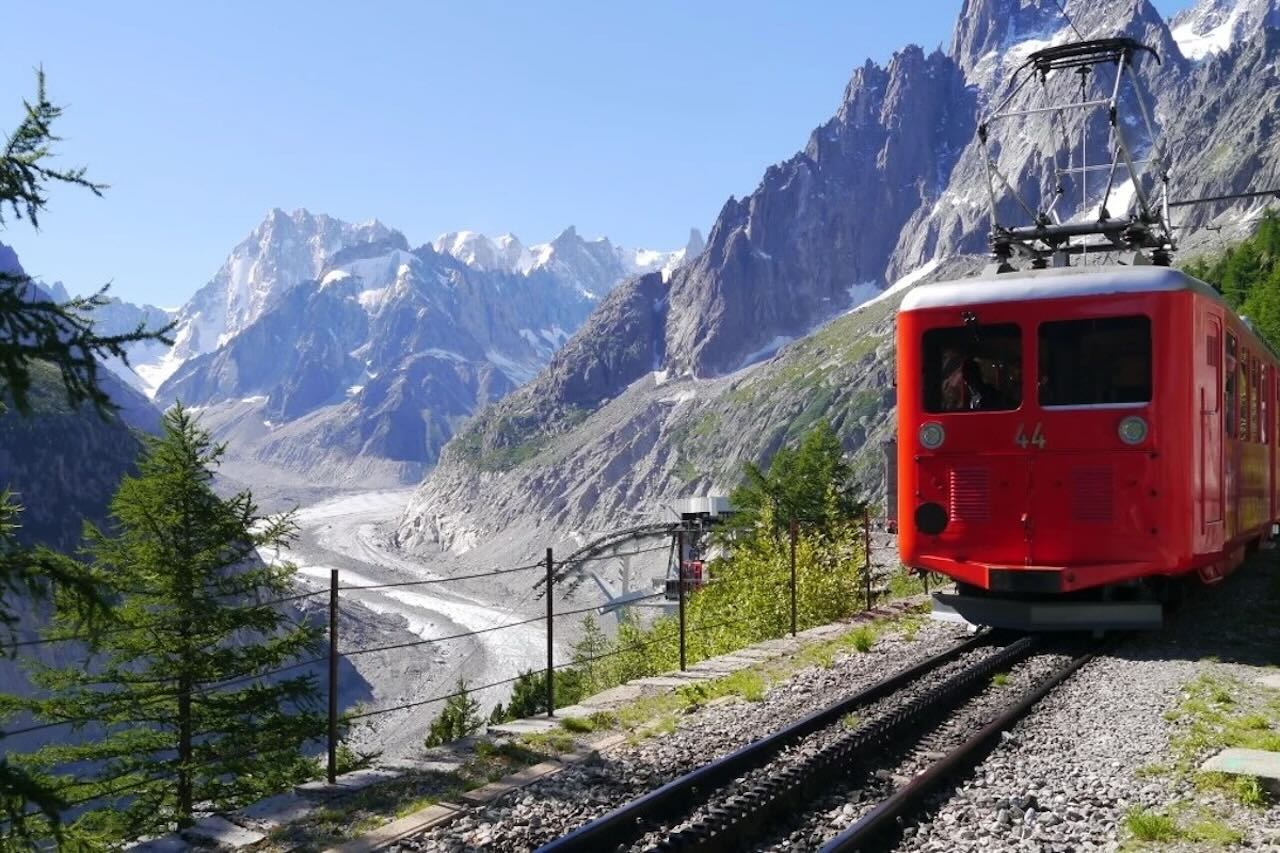
Another highlight of our trip was the famous Mer de Glace, France’s largest glacier. The charming red Montenvers cog railway still climbs through dense alpine forests and mountain scenery before revealing stunning glacier views. However, one of the most sobering changes visible today is the massive retreat of this glacier.
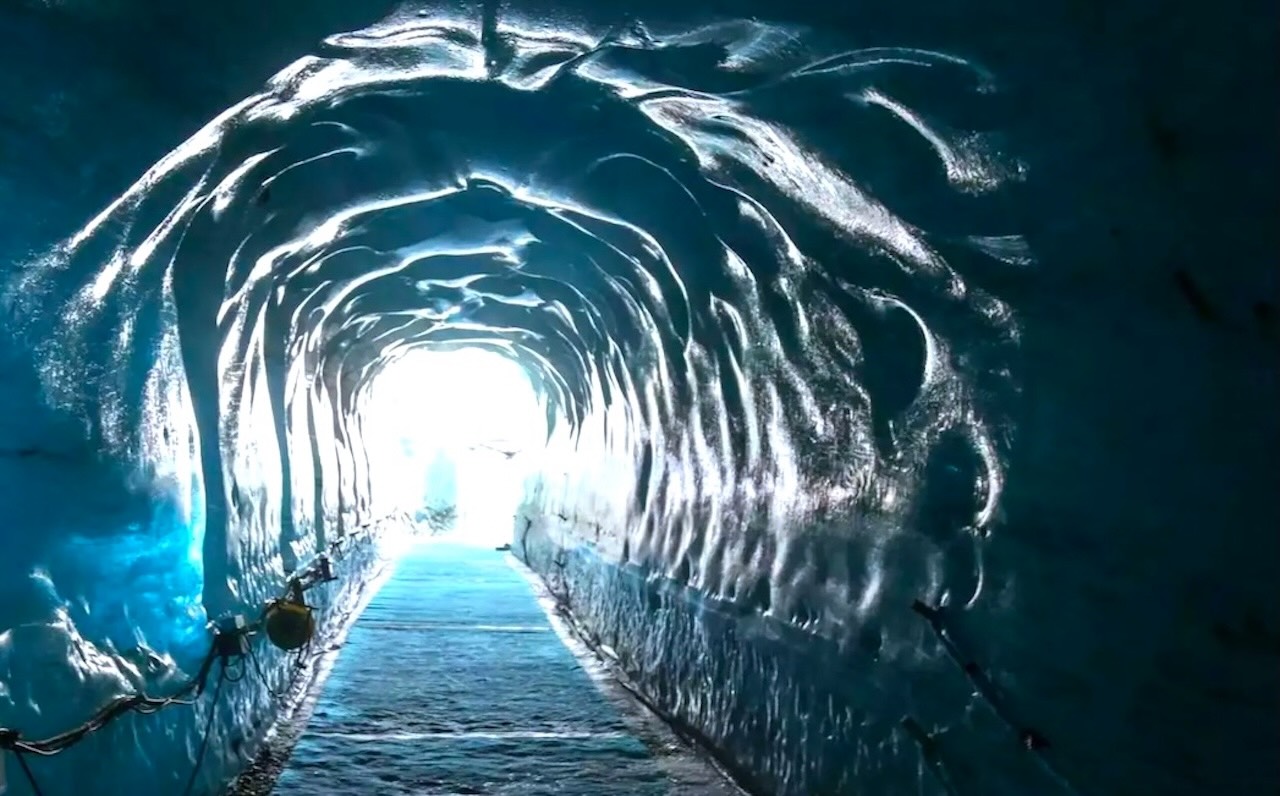
During our 2005 visit, accessing the glacier’s famous ice cave involved a relatively short descent down the valley walls. Over the two decades that followed, the ice receded so rapidly that visitors eventually had to brave a grueling, exposed flight of over 500 steel steps just to reach it. To adapt to this drastic environmental shift, the valley completely overhauled the site’s layout: the old cliffside stairs and cable car were retired, replaced by a brand-new, modern gondola built further up the valley that glides visitors safely down to the current glacier floor.
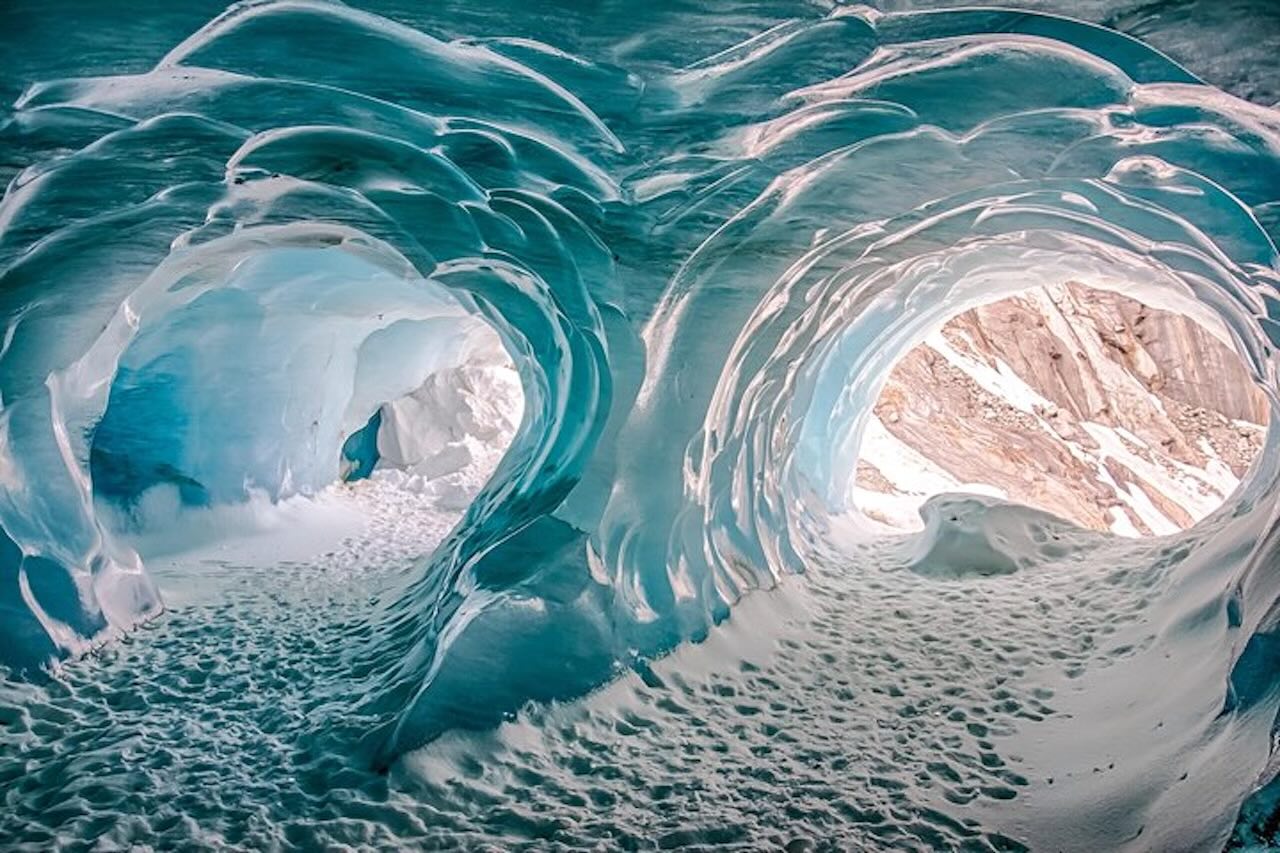
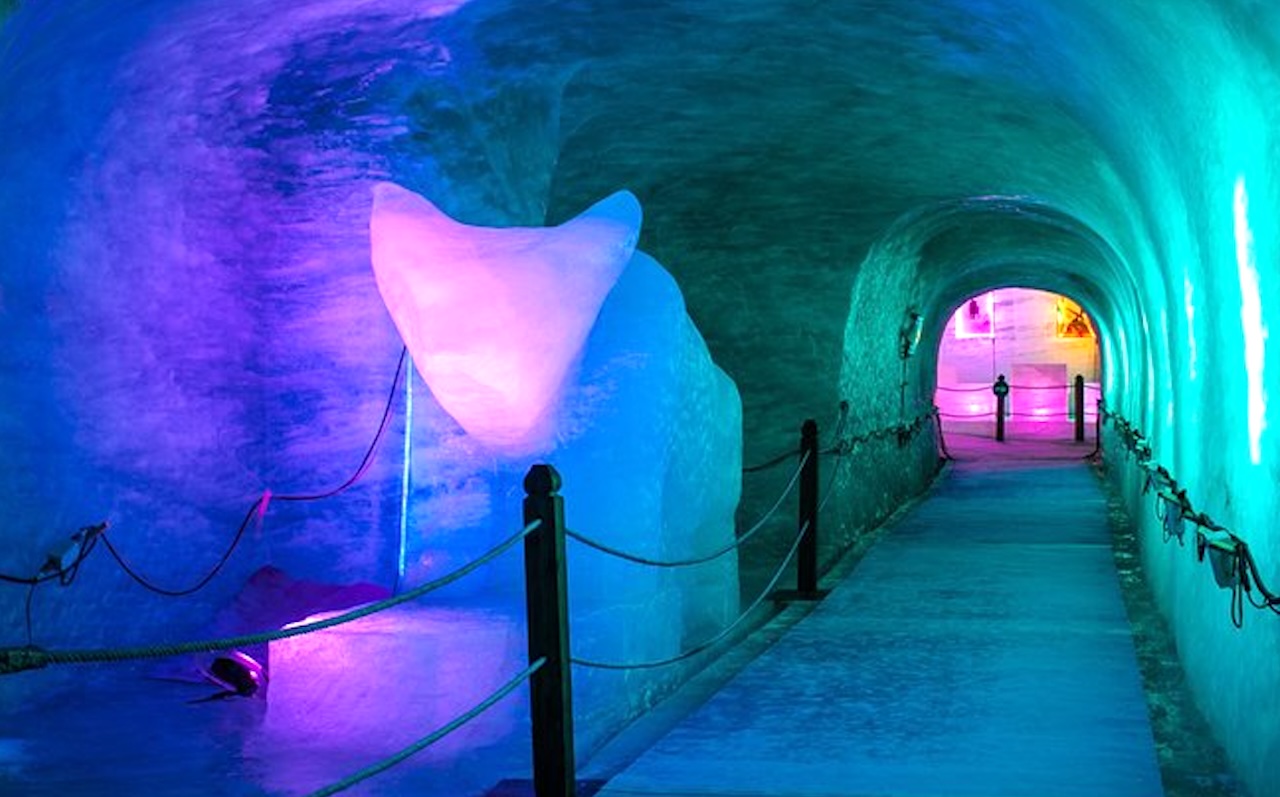
The ice cave remains a fascinating experience, while the shifting location of its entrance from year to year with earlier, abandoned tunnel openings still visible along the rocky valley side offers tangible evidence that the glacier is constantly moving downslope, even as it gradually shrinks. Upgraded viewing platforms and insightful historical displays at the site now help visitors truly appreciate the monumental scale of these changing Alpine environments.
Practical Tips for Planning Your Chamonix Trip
How Many Days Do You Need?
For first-time visitors, 2-3 nights (3-4 days) is ideal, exactly like our 2005 trip. It gives you time for the two big highlights, town exploration, and a necessary weather buffer. We found it ideal again in 2025.
This allows enough time for:
- Aiguille du Midi
- Panoramic Mont-Blanc Gondola
- Mer de Glace
- Exploring Chamonix town
- One weather buffer day
Mountain weather can change rapidly, so flexibility is important.
Suggested 3-4 Day Itinerary
Day 1: Explore Chamonix Town
Arrive, check in, and stroll along the pedestrian-friendly Rue du Docteur Paccard. Visit the historic church, enjoy the vibrant cafés, and pick up your Mont Blanc Multi-pass. End the day with a traditional fondue or raclette dinner overlooking the Mont Blanc massif.
Day 2: Aiguille du Midi & Italy Gondola Crossing
The undisputed highlight of Chamonix. Ride the Aiguille du Midi cable car from 1,035 meters to 3,842 meters for breathtaking views of Mont Blanc, glaciers, and three countries. Weather permitting, continue on the thrilling Panoramic Mont-Blanc gondola across the Glacier du Géant to Pointe Helbronner in Italy.
Pro Tip: Although the Panoramic Mont-Blanc gondola crosses from France into Italy, both countries are part of the Schengen Area, so there are normally no routine passport checks at Pointe Helbronner. However, random police checks can occur, and travellers must carry a valid passport (and Schengen visa, if required). Never leave your passport at the hotel, even for a short excursion. Weather conditions can change rapidly, and if cable car services are disrupted, you may need to return via Italy and the Mont Blanc Tunnel, where document checks are more common. Always carry your passport or ID.
Also, book the gondola and Aiguille du Midi tickets several weeks in advance during July and August.
Day 3: Mer de Glace & Mountain Scenery
Take the historic Montenvers Railway to Mer de Glace, France’s largest glacier. Experience the new gondola ride down, visit the freshly carved ice cave and Glaciorium, enjoy short walks, and spend a relaxing afternoon exploring Chamonix or the banks of the Arve River.
Optional Half Day: Le Brévent cable car, Lac Blanc hike, Courmayeur excursion, or a tandem paragliding experience.
Where to Stay
Stay in central Chamonix town for easy access to cable cars, restaurants, and the station. Alpine-style hotels with mountain views work best. Book early if planning from mid-July onwards.
Best Time to Visit Chamonix
Chamonix is a year-round destination, with each season offering a different experience. June to September is ideal for hiking, sightseeing, and mountain excursions, with most lifts and attractions fully operational. October brings fewer crowds and autumn colours, though some facilities may operate on reduced schedules.
December to March is the peak season for skiing and winter sports, while April to May is a quieter shoulder season with lower visitor numbers but limited access to some lifts and attractions. For first-time visitors, July to early September generally offers the best combination of pleasant weather, open attractions, and spectacular Alpine scenery.
Weather Expectations
- Mid-July Weather (Chamonix Valley): 20-28°C during the day, 10-15°C during evenings, with occasional afternoon thunderstorms.
- Mid-July Weather (Aiguille du Midi Summit): Often between 0°C and -10°C with strong wind chill and extremely intense sunlight due to snow reflection. Warm layers are essential even during summer.
Packing Essentials
- Clothing: Base layers, fleece jacket, waterproof shell, gloves, warm cap, scarf.
- Footwear: Comfortable hiking shoes with excellent grip.
- Health: Personal medicines, headache tablets, rehydration salts, first-aid kit.
- Other Essentials: Sunglasses, high-SPF sunscreen, water bottle, power bank, passport or ID for the France-Italy crossing, small daypack.
Altitude & AMS Risk at Aiguille du Midi
At nearly 3,842 metres (12,605 feet), some visitors may experience mild Acute Mountain Sickness (AMS) due to the rapid ascent. Headache, dizziness, and shortness of breath are common symptoms of AMS. Most symptoms are mild and resolve quickly after descent.
Pro Tip: Stay hydrated, ascend slowly at the top, avoid running, jumping, and physical exertion, avoid alcohol, and eat lightly. If symptoms prevail, descend immediately. Consult a doctor beforehand if you have pre-existing health concerns.
Approximate Budget: How Expensive is Chamonix?
Chamonix is one of France’s premier mountain destinations, and while it is not a budget location, careful planning can keep costs manageable. Accommodation and mountain excursions account for the largest share of expenses, particularly during the peak summer and winter seasons.
As a general guide, a shared shuttle from Geneva Airport to Chamonix typically costs €30-€80 per person, while a private transfer can range from €180-€350 per vehicle, depending on the number of passengers and season.
The iconic Aiguille du Midi adult return ticket usually costs around €81-€83 per person. A Mont Blanc MultiPass, which includes access to multiple lifts and attractions (including the Aiguille du Midi and the Montenvers train), generally starts from €95.60 per person for a 1-day pass, scales with the duration selected, and offers a much better value for sightseeing families.
For accommodation, expect to pay approximately €150-€250 per night for a comfortable mid-range hotel in central Chamonix. Premium alpine hotels with mountain views and additional amenities can easily exceed €300 per night.
Dining costs vary, but a typical restaurant meal generally ranges from €20-€40 per person, while a coffee and pastry at a local café usually costs around €5-€10. A great bonus is that local bus services within the Chamonix Valley are completely free for visitors staying in registered accommodation who hold a valid Guest Card (Carte d’Hôte).
Budget Tip: If you plan to visit multiple peaks and lines such as the Aiguille du Midi, Mer de Glace, and Le Brévent, the Mont Blanc MultiPass offers the absolute best overall value. Additionally, booking your accommodation, lift tickets, and airport transfers well in advance can result in substantial savings, especially during the peak July-August summer stretch and the winter ski season.
For a comfortable 3-4 day visit, travellers should budget approximately €400-€800 per person (excluding international flights), depending heavily on your chosen accommodation standards, dining preferences, and daily activities.
Returning to Chamonix
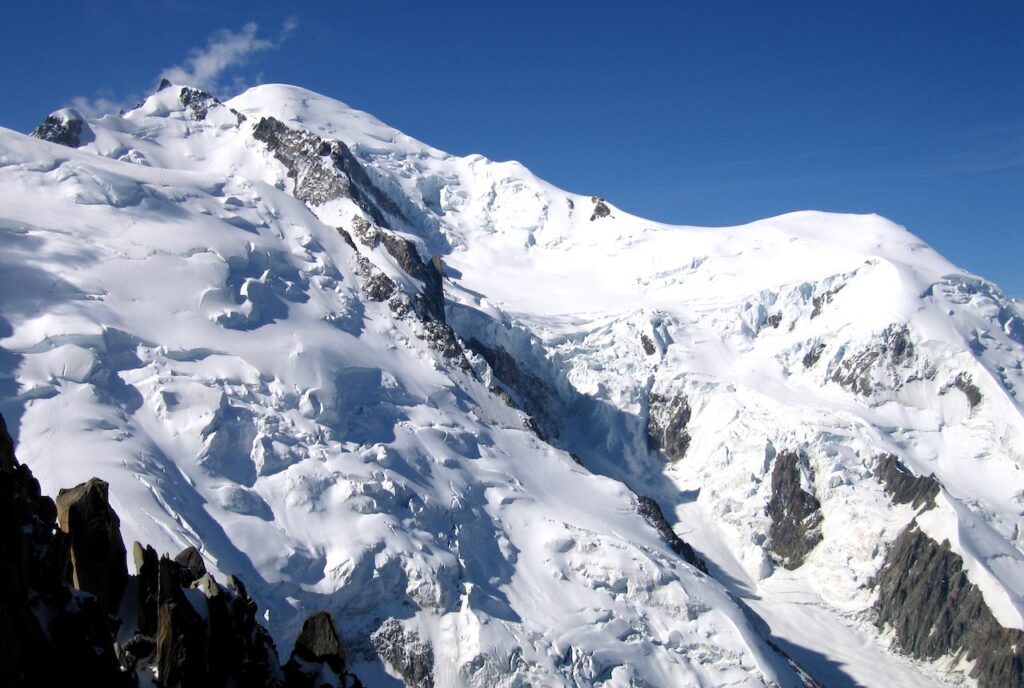
Twenty-one years separated our two visits to Chamonix. The town had grown, the glaciers had noticeably retreated, and the alpine mountain infrastructure had become far more sophisticated. Yet standing once again beneath the towering, jagged peaks of the Mont Blanc massif, I realised that the core feeling had not shifted at all.
Chamonix still delivers the exact same sense of raw wonder, wild adventure, and deep humility that first captivated us all the way back in 2005. Some global destinations merely impress you for a fleeting moment. A select few remain etched in your soul for life. Chamonix belongs firmly in the latter category.
Frequently Asked Questions (FAQs)
Is Aiguille du Midi worth visiting?
Absolutely. Aiguille du Midi is one of the most spectacular mountain attractions in the French Alps. The cable car takes visitors to an altitude of 3,842 meters, offering breathtaking views of Mont Blanc, surrounding peaks, glaciers, and alpine valleys.
How much time should I allocate for visiting Aiguille du Midi?
Most visitors spend between 2 and 4 hours exploring the observation decks, photography spots, exhibitions, and panoramic viewpoints . However, if you plan to experience everything including the famous “Step into the Void” glass skybox and the Panoramic Mont-Blanc gondola ride over to the Italian side allow at least half a day (4 to 6 hours), especially during peak tourist season when wait lines can be significant.
Is the Panoramic Mont-Blanc gondola always operating?
No. The gondola service is highly weather-dependent and may be suspended at any time due to high wind, poor visibility, or routine maintenance. Visitors should always check the live operating status before finalising their daily plans .
Can children visit Aiguille du Midi?
Yes. Families regularly visit the summit. However, parents should be highly mindful of the rapid altitude changes and freezing weather conditions. Warm clothing layers are strictly recommended, even during the peak of summer.
What is the best time of year to visit Aiguille du Midi?
The site is open for most of the year and offers unique experiences across every season. Summer provides clearer hiking and optimal sightseeing conditions, while winter offers stunning snow-covered alpine landscapes and direct access to high-altitude skiing areas.
Do I need to book Aiguille du Midi tickets in advance?
Advance booking is strongly recommended. This is particularly critical during the peak summer season and winter holidays. Popular dates and preferred morning time slots regularly sell out quickly.
What should I wear when visiting Aiguille du Midi?
Pack heavy layers, sunglasses, sunscreen, and sturdy footwear. Even on warm summer days down in Chamonix, temperatures at the 3,842-meter summit frequently hover close to freezing.
Can altitude affect visitors at Aiguille du Midi?
Yes. Because the summit station sits at 3,842 meters above sea level, some visitors may experience mild altitude-related symptoms like shortness of breath, dizziness, or headaches. Taking things slowly, avoiding overexertion, and staying hydrated will help you adjust.
How do I reach Mer de Glace?
Mer de Glace is accessed via the historic Montenvers Railway, which departs from Chamonix village. The red cog train climbs through beautiful alpine scenery before reaching the main glacier viewpoint.
Why should you visit Mer de Glace sooner rather than later?
Mer de Glace is France’s largest glacier and serves as a highly visible, stark example of how alpine landscapes are changing due to climate change. Over the past century, the glacier has retreated significantly and continues to lose its ice thickness rapidly. Visitors can witness this evolution firsthand through marked signs indicating previous glacier levels and the increasingly long stairways required to reach the ice cave today.
How much time is needed for visiting Mer de Glace?
A typical visit takes between 2 and 3 hours. This timeline fully accounts for the cog train journey, glacier viewpoints, touring the ice cave (when open), and exploring the surrounding nature exhibits.
Why is Mer de Glace famous?
Meaning “Sea of Ice,” Mer de Glace is renowned for its dramatic valley scenery, its carved glacier ice cave, and its immense global scientific importance in studying climate change.
Can Aiguille du Midi and Mer de Glace be visited on the same day?
Yes. Combining both attractions into a single day is a highly popular itinerary. For the best experience, start early in the morning at Aiguille du Midi to secure the clearest views, and catch the Montenvers train to Mer de Glace later in the afternoon.
Is Chamonix worth visiting even if I am not a skier?
Definitely. Chamonix is a premier year-round destination. Non-skiers can enjoy the soaring cable cars, accessible hiking trails, dramatic glacier viewpoints, lively alpine village streets, and excellent mountain dining.