Delhi Chokes as Air Quality Turns Severe, India Enforces Tough Pollution Curbs
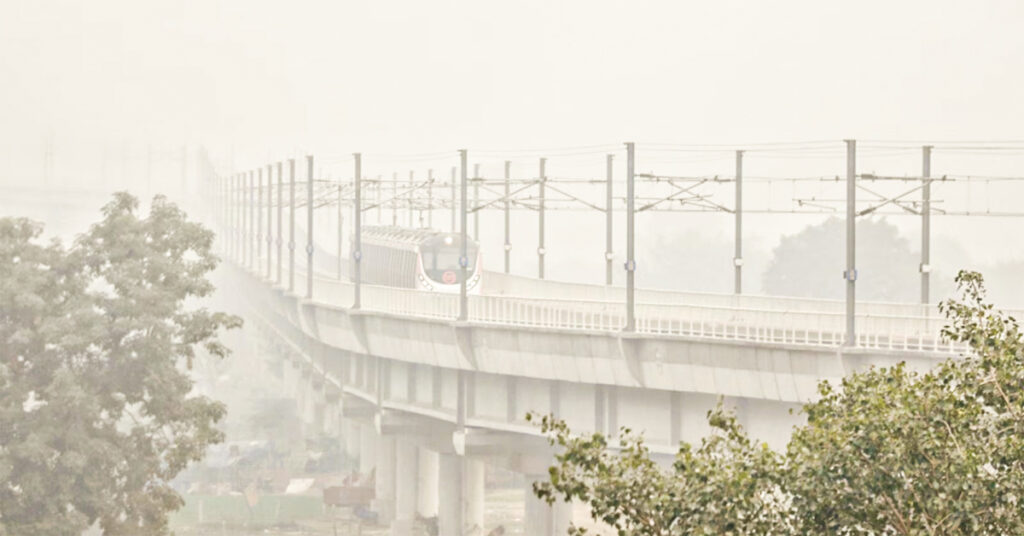
As winter tightens its grip on North India, Delhi s air quality has slipped into the severe category, forcing authorities to roll out stricter pollution control measures. Thick smog now blankets the capital, reducing visibility, triggering health warnings, and once again pushing air pollution to the centre of national concern. What makes this episode especially alarming is how quickly air conditions deteriorated, leaving residents gasping for clean air and policymakers racing against time.
This blog takes a deeper look at why Delhi s air turned hazardous, what measures the government has introduced, how these steps affect daily life, and what this moment reveals about India s long-term pollution challenge.
Summary
Delhi s air quality has slipped into the severe category, prompting authorities to impose stricter pollution control measures. Emergency curbs aim to limit emissions from vehicles, construction, and industries as health risks rise. The situation highlights how seasonal factors and long-standing pollution sources continue to choke the capital. Experts warn that only long-term solutions can prevent recurring air quality crises.
How Delhi s Air Reached the Severe Category
Delhi s air quality rarely worsens overnight. It follows a predictable yet deeply troubling pattern that repeats every year. A mix of weather conditions and human activity creates the perfect storm.
During winter, colder temperatures trap pollutants close to the ground. Wind speeds drop, and the atmosphere struggles to disperse emissions. Vehicular exhaust, construction dust, industrial smoke, and household fuel burning continue unabated. Added to this is the seasonal factor of stubble burning in neighboring states, which sends massive plumes of smoke drifting into the capital.
As a result, pollutant levels spike sharply, pushing the Air Quality Index well beyond safe limits and placing Delhi firmly in the severe zone.
Also Read: Delhi-NCR Chokes as AQI Crosses 700: A Call to Breathe
What Severe Air Quality Really Means for Residents
When air quality enters the severe category, it does not simply signal poor visibility. It poses a real and immediate health threat.
Breathing such air can cause:
- Irritation in eyes and throat
- Shortness of breath even during light activity
- Worsening of asthma and other respiratory conditions
- Increased risk for children, elderly people, and those with heart or lung disease
Hospitals often report a rise in respiratory complaints during these periods. Schools, outdoor workers, and daily commuters face the hardest impact, as everyday routines suddenly become health risks.
Emergency Curbs Introduced by Authorities
In response to the worsening air, authorities have tightened pollution control measures under emergency action plans. These steps aim to reduce emissions quickly and prevent conditions from worsening further.
Key measures include restricting construction and demolition activities that generate dust, limiting the movement of high-polluting vehicles, and increasing checks on industrial emissions. Authorities have also stepped up enforcement against open waste burning, a persistent contributor to poor air quality.
Traffic-related restrictions form a major part of the response. Heavy diesel vehicles face curbs, and officials encourage reduced use of private vehicles wherever possible. Public advisories urge residents to avoid outdoor activities, especially during early mornings and late evenings.
Impact on Daily Life in Delhi
The return of severe pollution affects nearly every aspect of life in the capital.
Commuters struggle with low visibility on roads, increasing the risk of accidents. Schools often reconsider outdoor activities, while parents worry about children s exposure. Office-goers experience throat irritation and fatigue, even after short commutes. Street vendors and construction workers face prolonged exposure with limited protection.
Many residents resort to masks and air purifiers, turning clean air into a privilege rather than a basic right. The emotional toll also grows, as people feel trapped indoors during what should be a pleasant winter season.
Also Read: Hybrid Mode Returns for Delhi Schools as GRAP-3 Curbs Kick In
Why Emergency Measures Offer Only Temporary Relief
While pollution curbs help prevent further damage, they do not address the root causes of Delhi s air crisis. Emergency actions work like a bandage. They reduce immediate harm but fail to cure the underlying problem.
Vehicular emissions continue to rise as the city expands. Construction remains constant in a growing urban landscape. Industrial pollution persists, often hidden behind weak enforcement. Seasonal stubble burning returns every year due to unresolved agricultural challenges.
Until these structural issues receive sustained solutions, Delhi will continue to cycle between temporary relief and recurring crises.
Health Experts Urge Caution and Awareness
Doctors and public health experts stress that people must take precautions seriously during severe air episodes. Staying indoors during peak pollution hours, using masks designed to filter fine particles, and keeping windows closed can reduce exposure.
Experts also warn against ignoring early symptoms like coughing, chest discomfort, or breathlessness. Prolonged exposure to polluted air does not always cause immediate illness but can lead to long-term damage over time.
Public awareness, experts argue, is as important as policy action.
The Broader National Picture
Delhi s pollution crisis often dominates headlines, but the issue extends far beyond the capital. Several cities across North India experience similar conditions during winter. This highlights a regional challenge rather than a local failure.
Pollution does not respect state boundaries. Smoke from one region drifts into another, making coordinated action essential. Experts consistently emphasize that meaningful improvement requires cooperation between states, long-term planning, and political will.
What Long-Term Solutions Could Look Like
Lasting change depends on tackling pollution at its source. Cleaner public transport, stricter vehicle emission standards, and faster adoption of electric mobility can reduce traffic pollution. Construction practices must adopt dust-control technologies as standard, not as optional add-ons.
Farmers need viable alternatives to crop residue burning, supported by financial incentives and technology access. Industries must face stricter compliance checks, backed by penalties that discourage violations rather than treat them as manageable costs.
Urban planning also plays a critical role. Green spaces, better road design, and decentralized development can help cities breathe easier over time.
Public Responsibility in Combating Pollution
Government action alone cannot solve the crisis. Citizens play an equally important role.
Choosing public transport, carpooling, reducing waste burning, and supporting sustainable practices can collectively make a difference. Small individual actions may seem insignificant, but when multiplied across millions, they carry real impact.
Public pressure also matters. When clean air becomes a priority issue for voters, it pushes policymakers to act beyond short-term fixes.
Conclusion
Delhi s descent into the severe air quality category serves as another stark reminder of India s ongoing pollution challenge. While emergency curbs aim to protect public health in the short term, they expose deeper systemic issues that demand long-term solutions.
Clean air should not be a seasonal aspiration or a temporary achievement. It must become a permanent commitment. Until that happens, Delhi s winters will continue to arrive with the same familiar question hanging in the smog-filled air: how long can a city survive without the right to breathe freely?