Pakistan UAE Loan Crisis: IMF Pressure and Gulf Lifeline
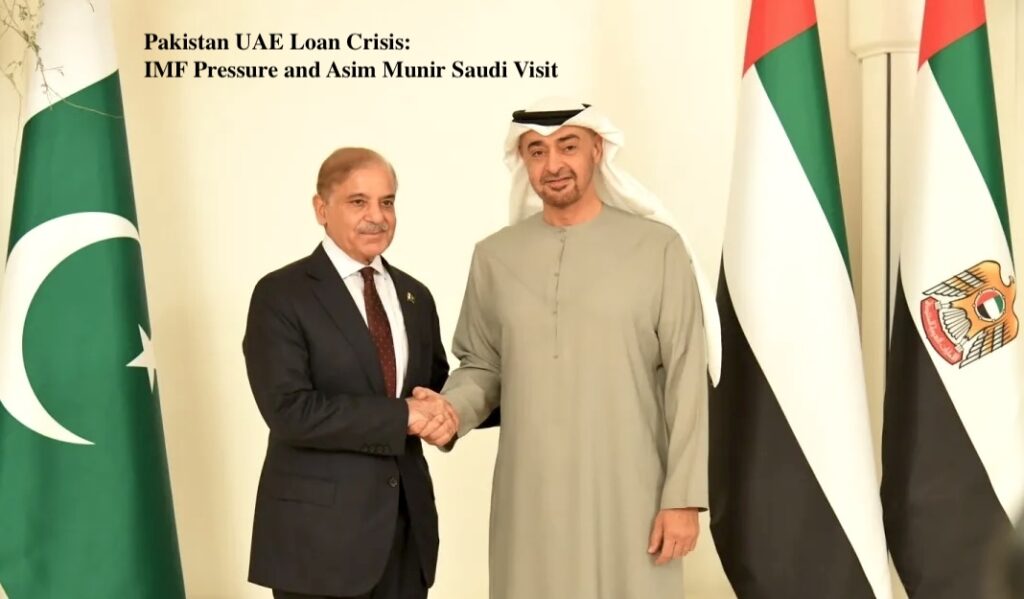
Pakistan’s continuing Pakistan UAE Loan Crisis reflects a deeper and more persistent structural weakness in its economy. Since 2018, the country has relied heavily on short-term financial lifelines from Gulf allies to stabilise its foreign exchange reserves and avoid sovereign default. These arrangements, once described as friendly assistance, have gradually transformed into costly and uncertain financial instruments.
In January 2026, this dependency became more visible when the United Arab Emirates agreed to extend a $2 billion facility for only one month at an interest rate of 6.5 %. Pakistan had sought a longer extension at around three per cent. However, the request was declined. As a result, Islamabad is now paying nearly $130 million annually in interest on this portion alone. At the same time, the government continues negotiations to secure almost $12 billion in rollovers during the current fiscal year in order to meet international financing obligations.
UAE Loans Since 2018: From Emergency Support to Costly Dependence
Pakistan’s current financial stress began with the 2018 balance-of-payments crisis, when foreign reserves fell sharply. To prevent default, the UAE placed a $2 billion deposit with the State Bank of Pakistan at a concessional rate. The facility was meant to provide temporary relief while Pakistan stabilised its economy and pursued reforms.
In January 2023, the UAE added another $1 billion, taking total exposure to $3 billion. These deposits were structured as short-term facilities and renewed regularly. Over time, however, rollovers replaced genuine repayment. By 2025, the UAE tightened its terms by raising interest rates and shortening extension periods.
In January 2026, two $1 billion tranches from the original deposit matured. Pakistan failed to repay them, prompting the UAE to grant only a one-month extension until February 2026 at 6.5% interest. This reflected growing lender caution.
Although total UAE deposits remain $3 billion, current negotiations focus only on the matured $2 billion. Pakistan is seeking a one to two year rollover for the full amount at around three per cent interest as part of its IMF-linked financing strategy. However, the UAE has so far limited support to short-term extensions. The remaining $1 billion, due in July 2026, has not yet entered formal negotiations but is expected to become the next pressure point.
IMF Bailout Conditions and the $12 Billion Rollover Strategy
Pakistan’s financial negotiations with Gulf partners are closely linked to its programme with the International Monetary Fund. Under the IMF’s Extended Fund Facility, Pakistan must demonstrate that it can maintain sufficient reserves, secure confirmed bilateral financing, reduce fiscal imbalances, and implement structural reforms in taxation and energy pricing.
To satisfy these requirements, Islamabad is attempting to secure approximately $12 billion in rollovers from the United Arab Emirates, Saudi Arabia, and China. These rollovers are essential for keeping the IMF programme on track. Without them, Pakistan risks losing multilateral support and triggering a broader confidence crisis.
This strategy, however, creates a cycle of dependence. Each rollover delays repayment but increases future vulnerability.
Saudi Arabia’s Financial and Strategic Role
Saudi Arabia remains Pakistan’s most dependable Gulf partner. Over the years, Riyadh has provided large deposits, deferred oil payment facilities, and relatively concessional interest rates. Current Saudi support amounts to roughly $5 billion in deposits, supplemented by oil financing arrangements that reduce immediate dollar outflows.
Compared to the UAE’s 6.5% rate, Saudi facilities remain more affordable. This reflects the depth of strategic, military, and political ties between the two countries. Defence cooperation, intelligence sharing, and regional security alignment continue to shape the financial relationship.
Nevertheless, Saudi support is not unconditional. It is increasingly linked to Pakistan’s reform commitments and repayment credibility.
Asim Munir’s Riyadh Visit and Financial Speculation
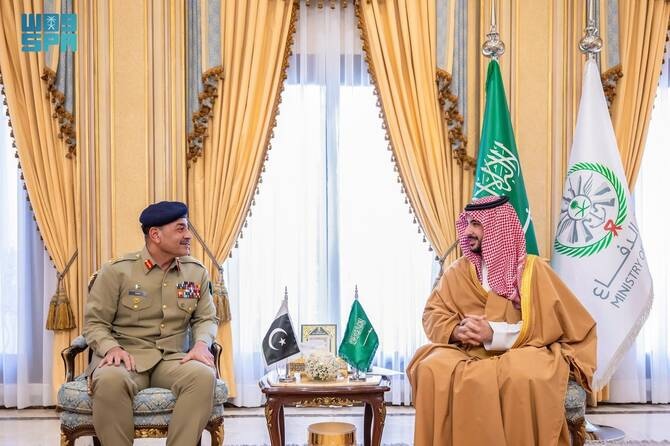
On February 12, 2026, Pakistan Army Chief Asim Munir met Saudi Defence Minister Khalid bin Salman in Riyadh. Official statements described the meeting as focused on defence cooperation, military training, and regional security.
Several commentators interpreted the visit as an attempt to secure Saudi financial assistance to cover UAE obligations. However, no official or credible media source has confirmed this claim. Publicly available information emphasises strategic cooperation rather than financial negotiations.
While economic considerations are rarely absent from high-level engagements, linking this visit directly to debt repayments remains speculative.
From “Friendly Loans” to Commercial Financing
In earlier years, Gulf deposits were often portrayed as gestures of political goodwill. Over time, this characterisation has weakened. The UAE’s insistence on higher interest rates and shorter maturities signals a shift towards commercial risk assessment.
At present, Pakistan’s $2 billion UAE facility carries an interest rate that is higher than many comparable sovereign instruments. The annual servicing burden consumes scarce foreign exchange resources and limits fiscal flexibility.
Repeated requests for lower rates and longer tenures have yielded little success. Creditors increasingly view Pakistan as a high-risk borrower requiring stricter terms.
External Debt and Structural Vulnerability
Pakistan’s total external debt has reached approximately $138 billion by early 2026. Public sector obligations account for nearly three-quarters of this amount. Major creditors include multilateral institutions, China, and Gulf partners.
The heavy reliance on short-term deposits distorts reserve figures and masks underlying weaknesses. While headline reserve numbers may appear stable, a substantial portion consists of borrowed funds that must be renewed frequently.
This structure leaves Pakistan exposed to sudden liquidity shocks and diplomatic pressure.
Economic Risks of Rollover Failure
Failure to secure timely rollovers would have immediate and far-reaching consequences. A sharp decline in reserves would weaken the rupee and restrict imports of fuel and essential goods. Inflation would rise rapidly, undermining household purchasing power.
At the institutional level, IMF programme suspension would cut off multilateral funding and trigger rating downgrades. Pakistan’s access to international capital markets would shrink, while borrowing costs would rise sharply.
Over time, investment would decline, industrial output would weaken, and social pressures would intensify. Political instability could follow economic distress, further complicating recovery efforts.
Limited Policy Space and Strategic Choices
Pakistan retains some room for manoeuvre, although options are narrowing. Structural reforms remain the most sustainable solution. Improving tax compliance, reducing energy losses, and rationalising subsidies are essential for restoring fiscal balance.
Expanding exports and stabilising remittance inflows can ease dollar shortages. Diversified financing through Islamic bonds and targeted foreign investment may reduce dependence on bilateral deposits. Diplomatic engagement and defence cooperation continue to influence financial negotiations, although their effectiveness is diminishing.
Without credible reform, however, these measures offer only temporary relief.
A Cycle That Continues to Tighten
Pakistan’s UAE loan crisis illustrates a recurring economic pattern. Emergency financing has replaced long-term planning. Each rollover postpones default but deepens dependence. Rising interest rates and shrinking tenures indicate declining creditor confidence.
Gulf partners remain willing to provide support, but their patience is visibly eroding. Assistance is becoming more expensive, conditional, and short-lived. As negotiations continue through 2026, Pakistan’s financial stability depends on a fragile balance of diplomatic goodwill and delayed structural reform.
Whether this lifeline can be stabilised or will eventually collapse will depend less on future rollovers and more on the country’s willingness to confront its underlying economic weaknesses.