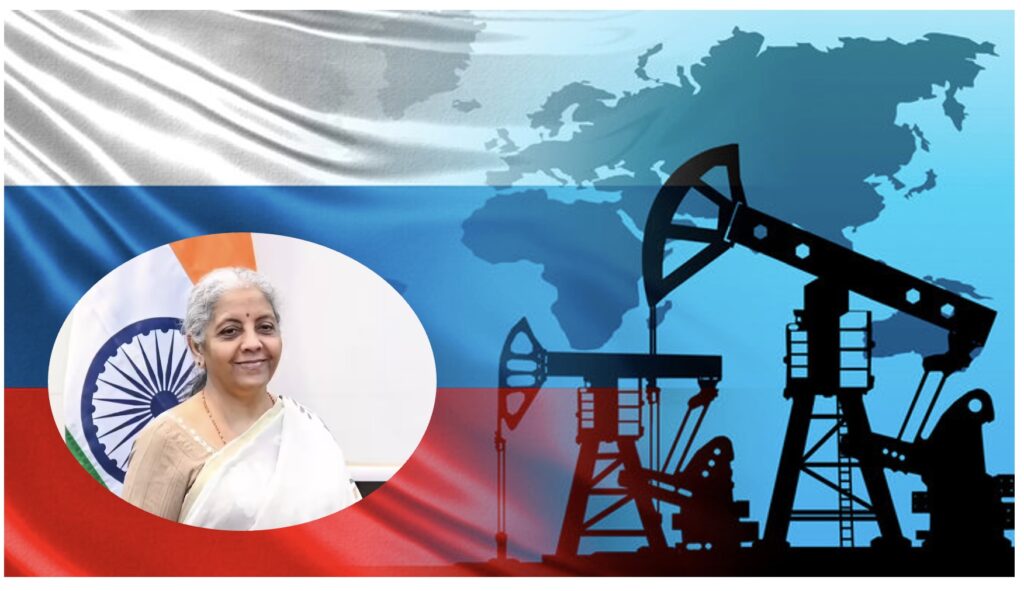
India to Continue Buying Russian Oil, Stresses Fiscal Discipline and Economic Reforms: Finance Minister Nirmala Sitharaman
Union Finance Minister Nirmala Sitharaman has confirmed India’s commitment to continue purchasing Russian oil, emphasising that the nation’s energy choices are driven primarily by what suits India’s economic interests in terms of pricing, logistics, and overall cost-effectiveness. Despite facing significant pressure and punitive tariffs from the United States, India remains steadfast in securing its energy supply from sources that are most advantageous to the country’s needs. Sitharaman highlighted that crude oil constitutes a major portion of India’s foreign exchange expenditures, making prudent sourcing essential for fiscal stability.
Addressing concerns about the broader economic outlook, the Finance Minister underscored the government’s focus on fiscal discipline and economic reforms vital to building public trust and long-term prosperity. She pointed out the progress made under the Goods and Services Tax (GST) framework, which has reduced the indirect tax burden on citizens and simplified taxation across nearly all goods and services. Sitharaman reiterated that there are no shortcuts to sustainable profits and economic growth; instead, it requires stringent fiscal management and a commitment to reform.
The decision to continue buying Russian oil comes amid ongoing global geopolitical tensions and the imposition of tariffs by the US on Indian imports, reflecting the complex balance India maintains between international relations and domestic economic priorities. The Finance Minister assured that India will continue to exercise its sovereign right to decide its energy partnerships, focusing on long-term economic benefits while preparing to mitigate the impact of external challenges through structural reforms and supportive measures for affected exporters.
In summary, India’s continued purchase of Russian oil is a strategic economic choice aligned with the country’s objectives of fiscal prudence, energy security, and sustainable development, underscoring a pragmatic approach amid evolving global dynamics. The government’s commitment to reforms and fiscal discipline forms the backbone of this balanced and resolute stance.