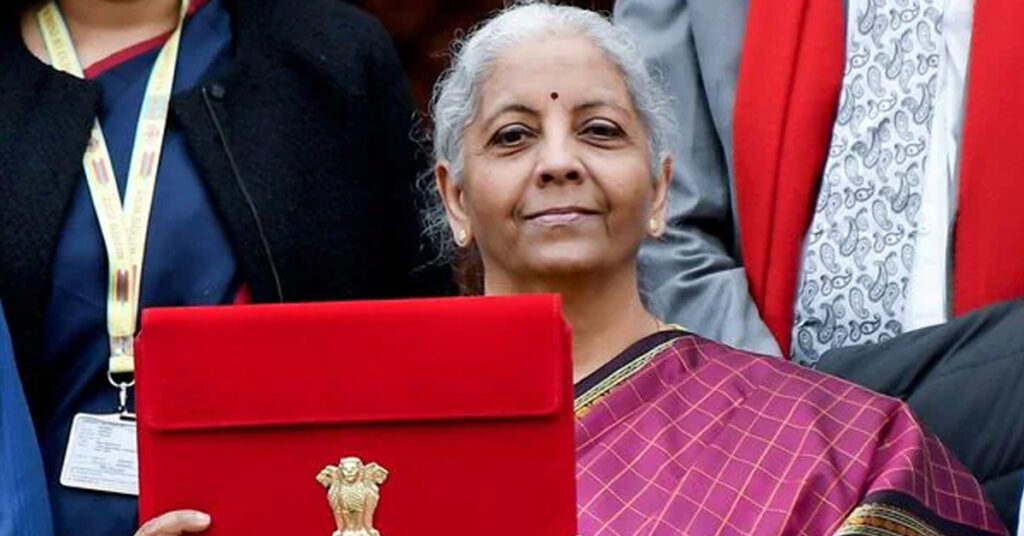
2026 India Budget Explained: What to Expect
India Budget 2026 Explained: Key Priorities & What Lies Ahead
India’s Union Budget is more than an annual financial statement. It reflects the government’s economic thinking, social priorities, and long-term vision for growth. As the country prepares for Budget 2026, expectations are high—not just from markets, but from households, businesses, and young professionals looking for stability and opportunity in a rapidly changing economy.
Rather than focusing only on tax numbers or headline announcements, understanding Budget 2026 requires looking at the broader context in which it is being shaped.
The Economic Backdrop to Budget 2026
Budget 2026 comes at a time when India stands out globally for its growth momentum, yet faces persistent challenges beneath the surface. While GDP growth remains strong compared to many major economies, inflation management, job creation, fiscal discipline, and global uncertainty continue to influence policymaking.
The government must strike a careful balance—supporting growth without overstretching public finances, and encouraging private investment while safeguarding social welfare.
Also Read: Gold and Silver Crash 2026: How Policy Signals Ended a Historic Rally
Growth First, but With Caution
Economic growth is expected to remain the central theme of Budget 2026. Public capital expenditure, especially in infrastructure, has played a major role in supporting momentum over recent years. Roads, railways, ports, logistics, and digital infrastructure are not only job creators but also productivity enablers.
However, policymakers face a growing need to ensure that growth remains sustainable. Rising interest rates globally and tighter financial conditions make fiscal prudence more important than ever.
Fiscal Discipline and Deficit Management
One of the key focus areas in Budget 2026 is likely to be fiscal consolidation. After years of elevated spending to support the economy, managing the fiscal deficit remains a priority.
The challenge lies in maintaining spending on infrastructure and welfare while gradually reducing borrowing. Investors, rating agencies, and global institutions closely track how India balances growth ambitions with fiscal responsibility.
Also Read: India’s Rapid Growth Story Faces Hidden Structural Tests Beneath the Surface
Tax Policy: Stability Over Shock
Taxpayers typically look to the Budget for relief, but recent years have shown a shift toward stability rather than dramatic changes. Budget 2026 is expected to continue this trend by simplifying compliance, improving administration, and expanding the tax base rather than raising rates aggressively.
The emphasis is likely to remain on digital tax systems, faster refunds, and reduced litigation—moves that improve trust between taxpayers and the state.
Focus on Employment and Skill Development
India’s demographic advantage depends on its ability to create jobs at scale. Budget 2026 is expected to strengthen support for employment generation, especially in manufacturing, services, and emerging sectors like green energy and technology.
Skill development, vocational training, and industry-linked education programs are crucial in bridging the gap between education and employability. Without this alignment, economic growth risks becoming uneven and exclusionary.
Manufacturing and Industrial Policy
Strengthening India’s manufacturing base remains a strategic priority. Production-linked incentives, MSME support, and supply-chain improvements aim to position India as a competitive global manufacturing hub.
Budget 2026 may focus on deepening these initiatives rather than launching entirely new schemes—refining what works and correcting gaps where outcomes have fallen short.
Support for MSMEs and Startups
Micro, small, and medium enterprises form the backbone of India’s economy, yet they often struggle with credit access, compliance costs, and market volatility. Budget 2026 is expected to continue support through easier credit, digital platforms, and targeted incentives.
Startups, too, are likely to benefit from policies that encourage innovation, simplify regulations, and attract long-term capital rather than speculative funding.
Social Spending and Welfare Priorities
Even as growth dominates the narrative, social welfare remains critical. Health, education, food security, and housing programs ensure that economic progress translates into real improvements in quality of life.
Budget 2026 must carefully allocate resources to protect vulnerable sections while ensuring efficiency and accountability in welfare delivery.
Also Read: Why South Indian Bank Stock Saw a Sharp 18% Fall Today
Green Growth and Sustainability
Climate resilience and green growth are becoming unavoidable policy priorities. Investments in renewable energy, electric mobility, sustainable agriculture, and climate-resilient infrastructure are likely to feature prominently.
The challenge lies in aligning environmental goals with economic realities, ensuring that sustainability initiatives also generate jobs and growth.
Global Factors Shaping Budget Choices
India’s budget planning does not happen in isolation. Global economic slowdown risks, geopolitical tensions, energy price volatility, and trade disruptions influence fiscal decisions.
Budget 2026 will likely reflect a cautious global outlook—building buffers while positioning India to seize opportunities in a shifting world economy.
What Budget 2026 Really Signals
Beyond announcements and numbers, Budget 2026 will signal how India plans to navigate the next phase of its economic journey. The real measure of success will not be immediate market reactions, but how well policies translate into jobs, productivity, and inclusive growth over time.
Conclusion: A Budget of Balance
Budget 2026 is expected to focus on balance—between growth and discipline, ambition and realism, investment and inclusion. As India aims to consolidate its position as a major global economy, the Budget will play a crucial role in shaping confidence, direction, and long-term outcomes.
For citizens and businesses alike, understanding the Budget is not about chasing headlines, but about reading the signals it sends for the future.
FAQs
Q1. What is the main focus of India’s Budget 2026?
Budget 2026 is expected to prioritise economic growth, fiscal discipline, job creation, and long-term sustainability.
Q2. Will Budget 2026 offer major tax cuts?
Large tax cuts are unlikely; the focus is expected to remain on stability, compliance simplification, and administrative efficiency.
Q3. How important is infrastructure spending in Budget 2026?
Infrastructure continues to be a key growth driver, supporting jobs, productivity, and private investment.
Q4. What role does global uncertainty play in Budget planning?
Global economic and geopolitical risks influence fiscal choices, borrowing plans, and spending priorities.
Q5. How does Budget 2026 impact ordinary citizens?
Its impact comes through employment opportunities, inflation management, public services, and long-term economic stability.