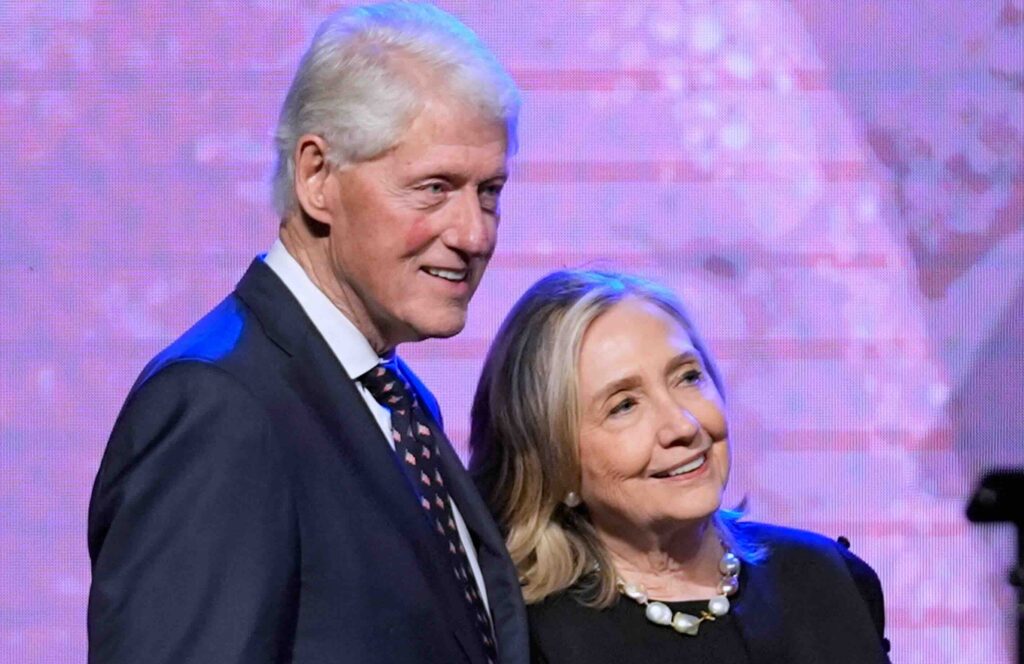
Clintons’ Epstein Testimony Deal with House Panel Averts Contempt Proceedings
Washington, D.C. — Former President Bill Clinton and former Secretary of State Hillary Rodham Clinton have reached a deal with the U.S. House Oversight Committee to provide formal testimony in the ongoing congressional investigation into Jeffrey Epstein, averting a scheduled contempt-of-Congress vote that could have escalated the standoff into federal enforcement or legal action.
The agreement, announced in early February 2026, calls for both Clintons to appear for videotaped and transcribed in-person depositions later this month — a development that defuses immediate political tension and recalibrate the House’s investigative strategy.
Committee Subpoenas and Escalating Dispute
The House Oversight Committee, chaired by Republican Representative James Comer (KY), has been conducting a wide-ranging probe into the late financier and convicted sex offender Jeffrey Epstein’s network, finances, and possible enablers. Subpoenas issued to the Clintons were part of efforts to understand Epstein’s associations and any potential official or personal actions connected to high-profile figures.
When initial deadlines Passed without compliance with subpoenas, the Committee advanced a criminal contempt resolution against the Clintons — a procedural step authorizing potential enforcement through judicial channels or prosecution. A full House vote on contempt was scheduled before the testimony agreement was reached.
Terms of the Testimony Deal
Under the negotiated terms:
- Hillary Clinton is expected to testify on February 26, 2026.
- Bill Clinton is scheduled to testify on February 27, 2026.
- Both sessions will be videotaped and transcribed for the congressional record.
- The testimony will be provided under oath in closed-door settings.
The Committee has indicated that transcripts may be released publicly at a later date, potentially with redactions for privacy or security considerations.
Legal and Political Stakes: Why This Matters
If the full House had adopted a contempt citation, lawmakers could have:
- Referred the matter to the U.S. Department of Justice for potential prosecution.
- Sought judicial enforcement of subpoenas through federal courts.
- Added a new layer of legal confrontation with high-profile political figures.
Avoiding a floor vote removes an immediate constitutional test of Congress’s subpoena powers against former senior officials, while ensuring the Committee obtains testimony under negotiated terms.
Experts say that contempt proceedings against former presidents or secretaries of state are historically rare, and the agreement reflects a compromise that safeguards institutional authority without triggering prolonged litigation. Analysts note that refusal to cooperate with legitimate congressional inquiries could undermine future oversight efforts.
Clintons’ Legal Arguments
The Clintons’ legal counsel previously contested the subpoenas, asserting that:
- The Oversight Committee lacked a legitimate legislative purpose for the subpoenas.
- The subpoenas aimed to politically embarrass the couple rather than further statutory oversight authority.
- Prior offers of limited written statements were insufficient to satisfy the Committee’s demands.
By consenting to in-person depositions, the Clintons have shifted the dispute from procedural resistance to substantive testimony.
Investigation Context: Epstein Files and Justice Department Releases
The Department of Justice (DOJ) has in recent months released additional prosecution files and related materials connected to Epstein, including internal communications and evidence summaries. Congressional investigators continue to review these documents to identify potential gaps in past federal and state responses to Epstein’s activities.
Oversight members emphasize that the Clinton testimonies will not be limited to personal interactions but may also address broader questions about:
- Epstein’s financial networks.
- The extent and timing of law enforcement actions against Epstein.
- The roles played by advisors, intermediaries, or associates.
Although no credible evidence has been publicly presented linking either Clinton to illegal conduct involving Epstein, political opponents argue that thorough oversight is essential in the public interest.
Partisan Reaction and Public Debate
Republican members of the Oversight Committee have lauded the agreement as a victory for congressional authority and transparency. Conversely, Democratic critics have described the investigation as politically motivated, asserting that similar scrutiny has not been applied uniformly to other prominent figures with documented ties to Epstein.
Political analysts suggest that the battle over testimony reflects broader partisan dynamics, particularly as the 2026 midterm elections approach and public confidence in institutional checks and balances remains a central issue.
Outlook: What Comes Next
With depositions scheduled in late February, key questions now include:
- Whether transcripts or video recordings will be released publicly.
- How closely the testimony aligns with documentary evidence in DOJ files.
- What subsequent steps the Oversight Committee will take in its investigation.
Observers note that while the immediate threat of contempt has receded, the political and legal reverberations of the testimony could shape debates over congressional oversight, executive accountability, and the role of high-ranking former officials in future investigations.