U.S. Tariffs Still Weigh on Indian Exporters
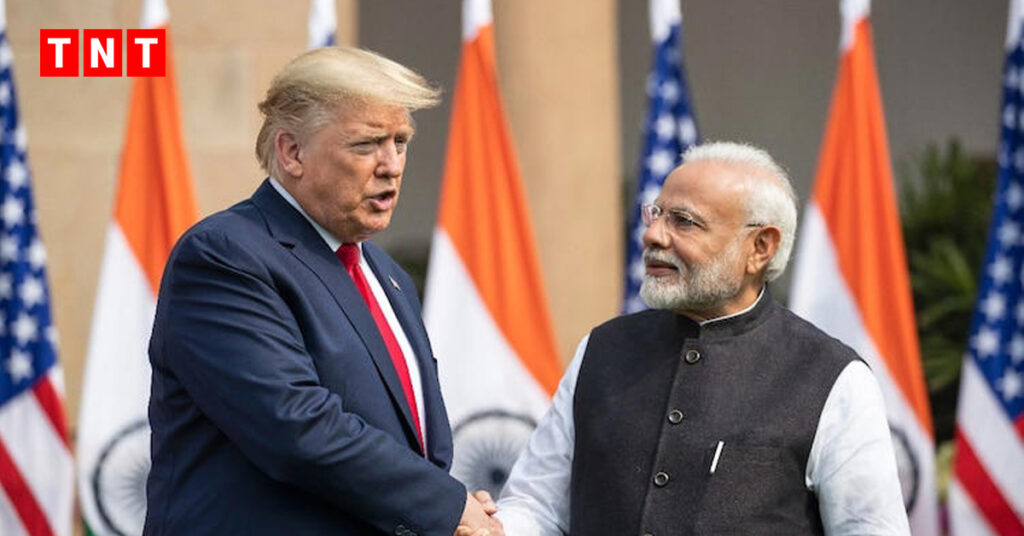
Global trade relations often move in cycles. One policy changes, another quietly continues to shape the market. Recently, the removal of certain reciprocal tariffs between India and the United States created optimism among exporters. Many businesses expected smoother trade flows and stronger demand from American buyers. However, the reality is more complex. Even though some tariffs are gone, several U.S. trade duties are still affecting Indian exporters across multiple sectors.
For manufacturers, exporters, and policymakers, the situation highlights an important truth: trade policies rarely change overnight. Instead, they evolve gradually, and their impact continues long after the headlines fade.
Also Read: Trump Defies Supreme Court Setback, Imposes 15% Global Tariff Surge
Understanding the Background of U.S.–India Trade Tariffs
India and the United States share a significant trade partnership. Over the past decade, bilateral trade between the two economies has grown steadily, covering sectors such as pharmaceuticals, textiles, engineering goods, jewelry, and information technology services.
However, trade tensions have occasionally surfaced. The United States raised concerns about market access, tariffs on American goods, and trade imbalances. In response, several tariffs and trade restrictions were imposed over the years.
Reciprocal tariffs were one of the most visible aspects of this dispute. These tariffs were designed as a countermeasure to policies each side considered unfair. When some of these duties were rolled back, exporters hoped it would open the door for renewed growth.
But many other tariffs remain in place under separate policy frameworks, meaning Indian exporters are still facing cost pressures.
Also Read: Pakistan Airstrikes in Afghanistan Trigger Fresh Border Crisis
Why U.S. Tariffs Continue to Affect Indian Businesses
Even though the reciprocal duties were removed, other tariff systems remain active. These include anti-dumping duties, countervailing duties, and sector-specific tariffs. Each of these measures serves a different policy purpose but collectively affects the competitiveness of Indian products in the American market.
For example, anti-dumping duties are imposed when U.S. authorities believe imported goods are being sold below fair market value. Countervailing duties aim to offset subsidies that foreign producers receive from their governments.
From a policy perspective, these tariffs protect domestic industries in the United States. From an exporter’s perspective in India, they increase costs and reduce price competitiveness.
This gap between policy intention and business impact is where many exporters currently find themselves.
Sectors Most Impacted by Remaining Tariffs
Several Indian export industries continue to feel the pressure of U.S. trade duties.
Steel and metals remain among the most affected sectors. Protective tariffs imposed by the United States on metal imports have made it harder for Indian producers to compete with local American suppliers.
Textiles and apparel, a major employment generator in India, also face varying tariff levels depending on product categories. Even a small percentage increase can influence buying decisions in price-sensitive markets.
Chemical and engineering products face scrutiny under anti-dumping investigations, which can result in additional duties.
Shrimp and seafood exports, another important industry, have historically faced regulatory and tariff-related challenges in the United States.
For exporters working on tight margins, these tariffs can shift business away from Indian suppliers toward competitors in countries with more favorable trade arrangements.
Also Read: Trump Tariffs Struck Down: Implications for India-US Trade
The Cost Impact on Indian Exporters
Tariffs do not just affect pricing; they influence the entire supply chain. When duties increase the cost of exporting goods, businesses must decide whether to absorb the cost, increase prices, or reduce market exposure.
Absorbing the cost can hurt profitability. Increasing prices can reduce demand. Pulling back from the market can mean losing long-term business relationships.
Many exporters are trying to balance all three strategies while waiting for policy clarity.
Small and medium exporters are particularly vulnerable. Larger companies often have diversified markets and stronger negotiating power. Smaller exporters depend heavily on a few key international buyers, making tariff changes more disruptive.
Global Competition and Shifting Trade Patterns
Tariffs rarely affect only two countries. They also reshape global competition.
If Indian products become more expensive due to tariffs, buyers may shift orders to suppliers in Vietnam, Bangladesh, Mexico, or other countries with lower trade barriers.
This dynamic is already visible in several industries. Countries that have free trade agreements with the United States sometimes gain a pricing advantage.
For India, this highlights the strategic importance of negotiating stronger trade agreements and improving export competitiveness.
Also Read: US–Iran Crisis 2026: Trump Weighs Limited Strike to Pressure Nuclear Deal
Policy Discussions and Diplomatic Engagement
Trade negotiations between India and the United States continue at multiple levels. Governments, industry bodies, and trade organizations regularly engage in dialogue to address concerns related to tariffs, market access, and regulatory standards.
There have been ongoing discussions around a broader trade framework that could reduce barriers on both sides. While progress may take time, the economic relationship between the two countries remains strong.
Both economies benefit from cooperation in sectors such as technology, defense, pharmaceuticals, and energy. Because of this, trade disputes are often handled through gradual negotiations rather than abrupt changes.
How Indian Exporters Are Adapting
Businesses rarely wait passively for policy shifts. Many Indian exporters are adapting their strategies to remain competitive.
Some companies are focusing on value-added products instead of competing purely on price. Others are expanding into new global markets to reduce dependence on any single country.
Improving product quality, meeting stricter compliance standards, and investing in brand building are also becoming part of the export strategy.
Digital trade platforms and global logistics networks are helping companies explore new buyers more efficiently than in the past.
These adjustments demonstrate the resilience of Indian exporters even in a challenging trade environment.
The Long-Term Outlook for India–U.S. Trade
Despite current tariff pressures, the long-term outlook for trade between India and the United States remains positive. Economic ties between the two countries are expanding across sectors including manufacturing, services, technology, and clean energy.
India’s growing manufacturing ecosystem and large workforce make it an important global supplier. At the same time, American companies see India as both a production hub and a large consumer market.
As geopolitical and economic dynamics evolve, both countries have incentives to strengthen their trade relationship.
Policy adjustments may happen gradually, but trade partnerships built on strong economic fundamentals tend to endure.
Why the Issue Matters Beyond Exporters
Tariffs are not just a concern for exporters. They influence employment, industrial growth, and international competitiveness.
When exports slow down, manufacturing output and job creation can also feel the impact. Conversely, when trade barriers ease, industries often see faster expansion.
For policymakers, the challenge is balancing domestic industry protection with global trade integration.
For businesses, the focus remains on adaptability and long-term planning.
The current tariff situation illustrates how global trade operates in layers. Removing one barrier does not automatically eliminate all challenges.
FAQ : U.S. Tariffs Still Weigh on Indian Exporters
1. Why are Indian exporters still affected by U.S. tariffs?
Even though some reciprocal tariffs were removed, other duties such as anti-dumping and countervailing tariffs remain in place, continuing to affect export costs.
2. Which industries in India are most impacted by U.S. tariffs?
Sectors like steel, textiles, chemicals, seafood, and engineering goods face the most pressure due to existing trade duties.
3. What are anti-dumping duties?
Anti-dumping duties are tariffs imposed when a country believes imported products are being sold at unfairly low prices that harm domestic industries.
4. Are India and the United States negotiating trade changes?
Yes, both countries continue diplomatic and trade discussions aimed at improving market access and reducing barriers over time.
5. How are Indian exporters coping with the situation?
Many exporters are diversifying markets, focusing on value-added products, improving quality standards, and strengthening global partnerships to remain competitive.
6. Could tariffs be reduced in the future?
Trade policies evolve with negotiations and economic priorities. While immediate removal is uncertain, continued dialogue may lead to adjustments in the future.