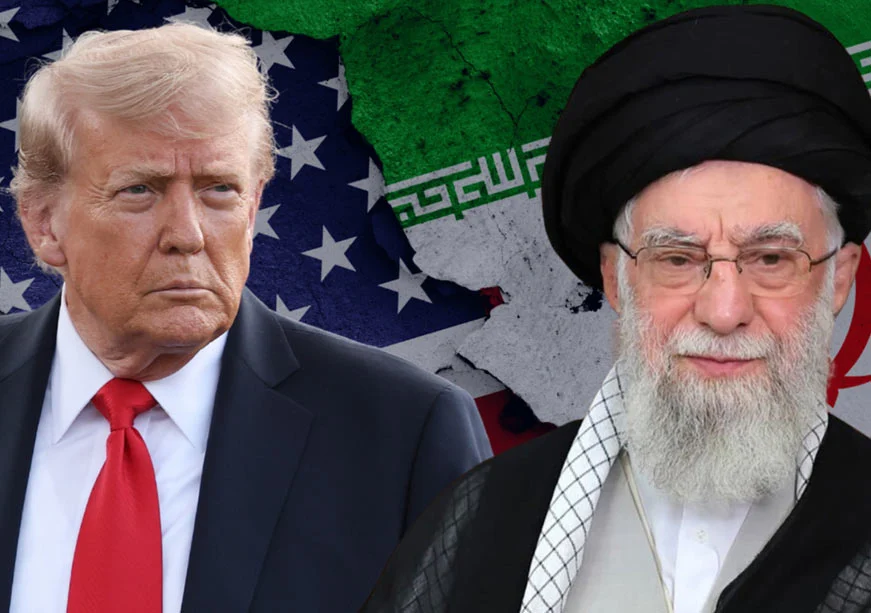
US–Iran Crisis 2026: Trump Considers Limited Strike to Pressure Nuclear Deal
New Delhi | February 20, 2026
POTUS Donald Trump is weighing a limited military strike against Iran to pressure Tehran into accepting a new nuclear agreement, according to sources familiar with internal deliberations.
Officials said the proposed action is intended to strengthen Washington’s negotiating position while avoiding an immediate escalation into a wider regional conflict.
A report by The Wall Street Journal said the initial operation—if approved—could be launched within days and would target a small number of military or government-linked facilities.
The strategy is aimed at increasing leverage over Iran’s nuclear programme without provoking large-scale retaliation, the report said.
Escalation Options Under Review
Sources indicated that if Tehran continues uranium enrichment and rejects U.S. demands, Washington may expand military operations.
Options under consideration include wider air strikes, cyber operations, and sustained campaigns against strategic infrastructure. While regime-change scenarios are discussed in policy circles, Trump has previously signalled reluctance toward prolonged ground deployments.
Major Military Buildup in the Region
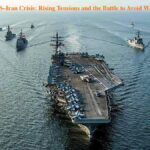
The developments come amid a significant U.S. military buildup in the Middle East, described by defence officials as the largest since the 2003 Iraq war.
Two aircraft carrier strike groups, along with fighter jets, bombers, missile defence systems, and surveillance aircraft, are currently deployed or en route to the region, providing Washington with operational flexibility.
Trump Sets Deadline for Diplomacy
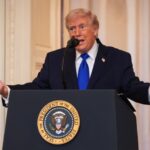
Speaking publicly on Thursday, Trump said prospects for a nuclear deal would become clear within “probably 10 days,” and no more than two weeks.
He reiterated that Iran “cannot have a nuclear weapon” and warned against actions threatening regional stability.
“We’re going to make a deal or get a deal one way or the other,” he said.
Talks in Geneva Remain Stalled
Indirect negotiations between U.S. and Iranian officials continue, including recent rounds in Geneva, but diplomats say progress has been limited.
Disagreements persist over enrichment limits, missile development, proxy activities, and verification mechanisms. Iranian officials have warned of strong retaliation if attacked, including possible strikes on U.S. bases and naval assets.
Markets React to Rising Tensions
Financial markets have been unsettled by the prospect of military action.
U.S. equities have declined in recent sessions, while oil prices have risen on fears of supply disruptions in the Gulf region, analysts said.
No Final Decision Announced
White House officials stressed that no final decision has been taken and that diplomatic efforts continue alongside military preparations.
They said all options remain under review, with forces on high alert and consultations with allies ongoing.
Outlook
With diplomacy under strain and military pressure mounting, analysts say the coming days could determine whether the US–Iran crisis moves toward de-escalation or open confrontation.
While a limited strike may offer short-term leverage, experts warn it could also trigger a broader and unpredictable escalation.