US and China Ease Trade Tensions as Trump Launches Asia Diplomacy Tour
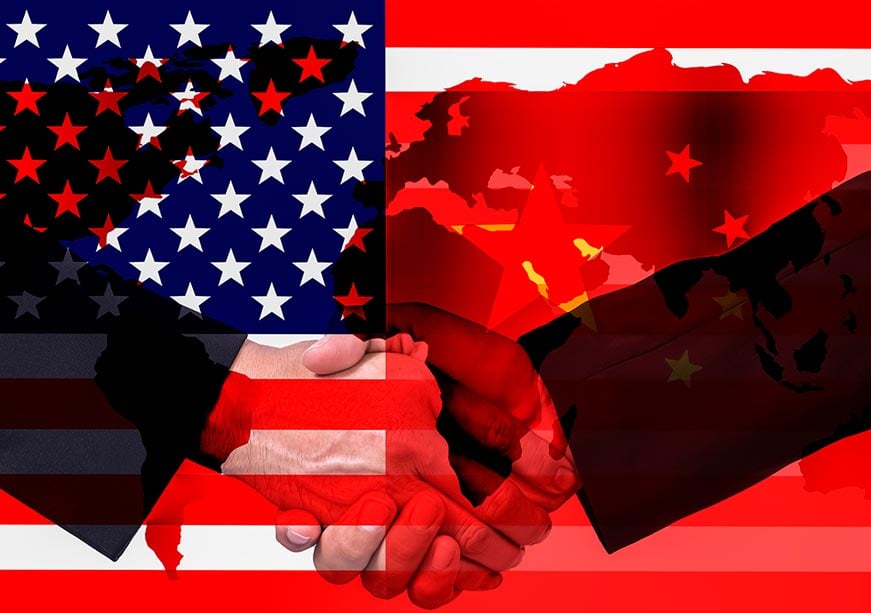
Kuala Lumpur, October 26, 2025 | As President Donald Trump commenced his high-profile diplomatic tour of Asia, the United States and China reached a significant “basic consensus” aimed at easing long-standing trade tensions. This development marks a positive step towards stabilizing economic relations between the world’s two largest economies and sets the stage for an impending face-to-face meeting between Trump and Chinese leader Xi Jinping at the APEC summit in South Korea later this week.
The trade talks, held in Kuala Lumpur just days before the leaders’ meeting, resulted in a framework agreement addressing multiple contentious issues. These include mutual concerns over tariffs, rare earth minerals export controls, TikTok’s operations in the US, fentanyl tariffs, and agricultural trade. Crucially, the US treasury secretary, Scott Bessent, confirmed that the previously threatened 100% tariff on Chinese goods scheduled to start November 1 is now “off the table.”
This de-escalation reflects both countries’ eagerness to avoid further damage to their economic ties amid weeks of tense negotiations. China’s agreement to resume purchasing large quantities of US soybeans represents a tangible economic concession, helping to bridge gaps in the complex talks.
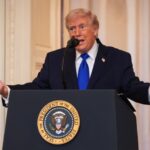
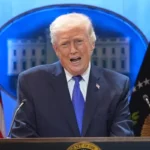
President Trump began his Asia visit in Malaysia, where he actively participated in brokering a peace agreement between Cambodia and Thailand. The signing ceremony, attended by several Southeast Asian leaders, was met with warm praise and moments of levity, highlighting Trump’s role as a mediator in regional conflicts.
Prior to arriving in Asia, Trump also announced a tariff increase on Canada, while addressing ongoing peace efforts in Gaza and Ukraine during his long-haul flight. The Asia tour itinerary includes visits to key US allies Japan and South Korea, amplifying his diplomatic agenda which seeks to reaffirm the US presence and influence amid China’s rising regional assertiveness.
Trade discussions between Washington and Beijing have been increasingly complicated by recent US export blacklist expansions and China’s retaliatory export controls on critical minerals, especially rare earths essential for technology and manufacturing. The framework agreement offers a platform for resolving such technical issues while managing mutual distrust.
Analysts note that the easing of trade tensions ahead of the Trump-Xi summit could herald a breakthrough, potentially halting the downward spiral of tariffs and trade barriers that have affected global markets. With both sides agreeing to “further finalize specific details” and complete domestic approvals, an official trade deal appears within reach.
Meanwhile, Trump’s personal diplomacy efforts extend beyond trade, as he actively promotes peace and stability in Southeast Asia with initiatives like the Cambodia-Thailand ceasefire. His emphasis on “no war, just pure trade” during the tour demonstrates the convergence of economic diplomacy with broader security goals.
For businesses and markets worldwide, the outcomes of this Asia tour and the upcoming Trump-Xi meeting will be critical. A successful trade deal could alleviate supply chain disruptions, reduce costs, and encourage investment, signaling a more cooperative era in US-China relations.
In conclusion, the early progress achieved in Malaysia during Trump’s Asia leg signals a promising thaw in US-China trade relations. The next few days, particularly the APEC summit encounter between Trump and Xi, are crucial for translating this framework into a comprehensive, enforceable agreement that both sides can uphold for mutual benefit.