Unrest in Nepal: The Rising Tide Against KP Oli
A Generation Awakens
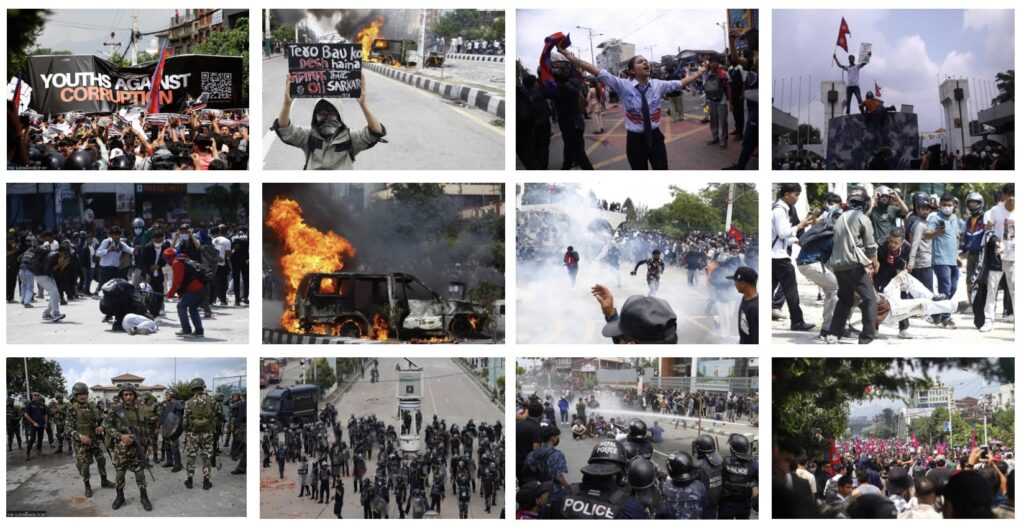
Nepal is gripped by its most intense political unrest in years, with mounting dissatisfaction directed toward Prime Minister KP Oli and his government. The recent controversial ban on social media platforms became a flashpoint, motivating thousands—especially the youth—to rally on the streets against what many describe as a corrupt, suppressive, and out-of-touch regime.
Gen Z’s Call for Change
Transitioning from keyboard activism to physical demonstrations, Generation Z has emerged as the heartbeat of opposition. Armed with digital skills and a strong sense of justice, they led peaceful protests, introduced movements like “Nepo Kid” to expose political privilege, and demanded accountability and non-violence from participants. Experts warn that ignoring Gen Z’s grievances could have serious consequences, predicting further unrest and a deepening divide in Nepali society.
The Social Media Ban: A Trigger, Not The Cause
KP Oli’s ban on 26 social media platforms—including Facebook and WhatsApp—did more than restrict communication; it threatened free speech and organising. Young people, civil society, and opposition parties saw the move as a direct attempt to silence critics and stifle dissent. Though government officials cited regulatory needs, the sweeping restrictions ignited anger and protest among people who already felt neglected and unheard.
Escalation and Tragedy
Transitioning rapidly from non-violent gatherings to tragic confrontations, the protests witnessed a deadly crackdown. Police shooting resulted in 19 deaths, marking the highest casualty count in Nepal’s recent political history. The rallying cry “Hatyara Sarkar” (“Murderer Government”) surged across digital networks, triggering outrage and intensifying calls for KP Oli’s resignation.
KP Oli’s Anti-India Rhetoric: Calculated Nationalism
In parallel with domestic turmoil, KP Oli amplified anti-India rhetoric to position himself as a staunch nationalist and shore up his base. Publicly criticizing India after the 2015-16 blockade, he later published a new national map—claiming disputed territories like Kalapani, Lipulekh, and Limpiyadhura—boosting his popularity among citizens wary of external influence. Oli’s alignment with China, refusal of Indian overtures, and public rebukes of Indian policy further fed anti-India sentiment and helped him rally support among those seeking a more assertive national stance.
Public evidence clearly shows that his nationalist posture—whether through undiplomatic statements or dramatic border claims—not only solidifies his image among followers, but has also led to diplomatic isolation and heightened regional tension. Oli’s maneuvers have made Nepal appear increasingly aligned with China and less conciliatory toward India, complicating future negotiations and risking negative consequences for Nepal’s economic and geopolitical interests.
An Ineffective Diversion
However, this calculated nationalism proved to be an ineffective diversion from the government’s deeper challenges. Oli’s strategy could not balance his weaknesses—his antagonism toward traditional institutions like the monarchy (“raja”) and religious narratives like Lord Ram, combined with unresolved issues of corruption, administrative mismanagement, and domestic unrest, continuously eroded trust. The population’s frustrations with rising prices, black-marketing, and elite tax evasion were not soothed by diplomatic standoffs or nationalist gestures.
People increasingly see Oli’s posturing as a distraction from urgent problems at home. The nationalist rhetoric failed to stem the tide of protest, with even Gen Z and the opposition denouncing his approach as superficial and ultimately counterproductive. As a result, Oli’s consolidating moves on foreign policy have not restored stability or confidence, leaving his administration more isolated both domestically and internationally.
Voices Demand Accountability
Protesters from all walks of life joined in, demanding systemic change instead of superficial reforms. Former officials, professionals, and ordinary citizens compared the violent crackdown to the last days of Nepal’s monarchy, reinforcing calls for KP Oli’s resignation and an end to authoritarian tactics. Some coalition leaders and opposition parties pushed for the immediate restoration of social media access and direct engagement with the youth—demands the prime minister was unwilling to fulfill.
Corruption, Black-Marketing, and High Prices
Nepal’s problems are not only political; economic concerns—corruption, black-marketing, tax evasion by major business houses, and stubbornly high prices—are also fueling discontent. Business elites have siphoned billions through fraudulent schemes and luxury imports, often outpacing government efforts to crack down on tax evasion. Reports indicate widespread use of personal accounts to mask profits and avoid taxes, with over 24.74 billion rupees tied up in ongoing court cases last year alone.
While official statistics claim inflation has dropped to 2.77%, citizens routinely report high prices, especially during festivals and in urban centers—undermining government assertions of economic stability. Supply-chain problems and profiteering have made essentials unaffordable for many, worsening public frustration and further eroding trust in KP Oli’s administration.
Government Response and Denial
KP Oli’s administration has dismissed demands for engagement and transparency, blaming “external infiltrators” for violence and standing by the ban on social media usage. Though some digital platforms have since been restored following public outrage, the government’s lack of empathy and persistent denials have fueled rather than calmed public resentment. Ministers announced investigations into protest violence but stopped short of taking responsibility, leaving many unconvinced by the official narrative.
Demands Beyond Protests
Gen Z’s uprising transcends the social media ban. Core demands include:
Immediate resignation and accountability from the prime minister.
Barring repeat offenders from returning to top leadership positions.
Creation of an independent anti-corruption watchdog.
Restoration of free speech and effective economic reform.
The Impact on Society
Discontent runs deep, not just among youths but also among older citizens, professionals, and families worried about the future. Many suggest that the exodus of young people seeking jobs abroad is a direct result of lost faith in government and failed leadership. The movement signals a larger shift—one from resignation to active demand for transformation.
International Reaction
Diplomatic outcry has followed the violence, with embassies and the United Nations urging restraint and a recommitment to human rights. Nepal’s deteriorating international reputation contrasts sharply with KP Oli’s attempts to position himself as an independent, nationalist leader.
A Divided Movement
Although movement leaders called for a pause in protests to honor those killed, many participants vow to continue until their demands are met. Discussions online reflect a renewed determination to fight for fundamental reforms, revealing a society unwilling to accept half-measures or further delays.
What Lies Ahead
Nepal stands at a crossroads. The protest movement—ignited by a social media ban but built on years of frustration—represents a rejection of unpopular leadership, rising corruption, economic hardship, and isolationist nationalism. Whether the government chooses to listen and respond, or risk forcing a new generation to define Nepal’s future without it, remains the central question.
Conclusion
The current unrest in Nepal is rooted in more than immediate policy blunders; it is a response to persistent corruption, failed economic promises, divisive nationalism, and state violence. Gen Z’s mobilization, joined by wider society, is now a force demanding change. With international and domestic pressure mounting, KP Oli faces the loudest opposition of his career—an opposition unwilling to wait any longer for answers or reforms.