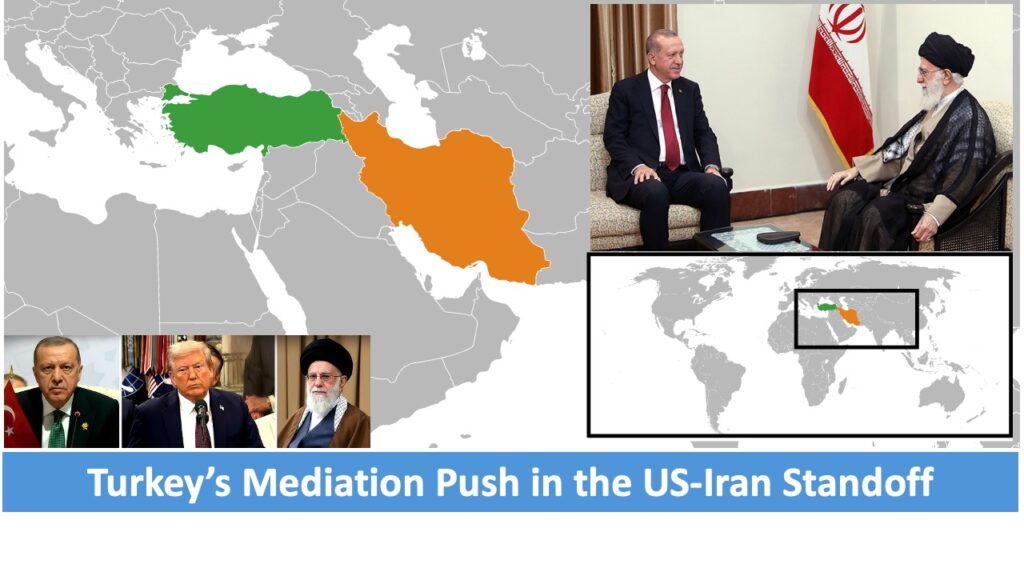
Turkey Mediates US-Iran Tensions Amid Rising Regional Uncertainty
Turkey Mediates US-Iran Tensions Through Diplomatic Outreach
Turkey has emerged as a central diplomatic intermediary in the escalating standoff between the United States and Iran, positioning itself as a facilitator of dialogue at a time of heightened regional uncertainty. President Recep Tayyip Erdogan has intensified engagement with both Washington and Tehran, seeking to prevent confrontation and preserve stability along Turkey’s strategic borders.
As a NATO member with longstanding ties to Iran and deep security cooperation with the United States, Ankara occupies a rare position that allows it to communicate with all sides. This diplomatic leverage has become increasingly relevant amid growing military deployments in the Gulf and renewed tensions over Iran’s nuclear programme and regional activities.
Background to the US-Iran Confrontation
Renewed Pressures Under the Trump Administration
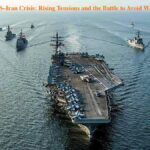
Since President Donald Trump’s return to office earlier this month, Washington has adopted a more assertive posture toward Tehran. The United States has expanded its naval and air presence in the Gulf region, citing concerns over Iran’s nuclear activities, domestic unrest, and support for regional proxy groups.
Iran has responded by strengthening defensive preparedness and reiterating its commitment to retaliate against any attack. Officials in Tehran have warned that military action could trigger a wider regional conflict involving multiple Middle Eastern theatres.
This environment of mutual deterrence has narrowed diplomatic space, increasing the importance of third-party mediation.
Erdogan’s Diplomatic Engagement with Washington and Tehran
High-Level Communication Channels
Turkey’s mediation efforts gained momentum through direct engagement with senior leaders. On January 26, Erdogan held a telephone conversation with President Trump, during which he proposed exploring a virtual summit involving American and Iranian leadership.
Two days later, Erdogan spoke with Iranian President Masoud Pezeshkian, focusing on regional security risks and Turkey’s willingness to facilitate structured dialogue. Ankara emphasised the need for diplomatic resolution to prevent spillover effects that could affect neighbouring states.
Visit of Iranian Foreign Minister to Ankara
On January 30, Iranian Foreign Minister Abbas Araghchi travelled to Ankara for consultations with Turkish Foreign Minister Hakan Fidan. Discussions centred on regional stability, bilateral relations, and potential frameworks for US-Iran engagement.
Turkish officials reiterated opposition to military escalation, highlighting the economic and humanitarian costs of conflict. The visit reinforced Turkey’s role as a communication bridge between Western powers and Iran.
Energy Diplomacy and the Proposed Oil Incentive
Using Economic Leverage as a Confidence Builder
A notable element of Turkey’s mediation strategy involves encouraging Iran to consider limited energy-sector cooperation with American companies. Reports from Turkish diplomatic circles indicate that Ankara has suggested allowing selected US firms access to exploration and production opportunities.
This proposal is designed to appeal to Washington’s economic priorities while offering Tehran potential sanctions relief and investment inflows. Iran holds one of the world’s largest proven oil reserves, making energy cooperation a powerful negotiating tool.
Constraints on Iran’s Energy Sector
Since the reimposition of US sanctions in 2018, Iran’s oil exports have declined sharply, falling from approximately 2.5 million barrels per day to below one million. Much of the remaining trade is conducted through indirect channels.
Opening the sector to American participation would represent a significant policy shift and would face resistance from domestic political factions wary of Western influence.
Turkey’s Strategic Motivations in Mediation
Security, Economy, and Regional Influence
Turkey’s engagement reflects practical national interests rather than purely altruistic diplomacy. Sharing a lengthy border with Iran, Ankara remains vulnerable to refugee flows, trade disruptions, and militant spillovers in the event of conflict.
Economic stability is another key factor. Regional instability could affect tourism, energy supplies, and cross-border commerce. Mediation allows Turkey to safeguard these interests while enhancing its diplomatic standing.
Positioning as a Regional Power Broker
Erdogan’s foreign policy has increasingly focused on presenting Turkey as an indispensable regional actor. By leading diplomatic efforts while major powers remain cautious, Ankara seeks to expand its influence in Middle Eastern security architecture.
This approach aligns with Turkey’s broader ambition to operate as an autonomous diplomatic force rather than a subordinate Western ally.
Regional and International Reactions
Support and Cautious Optimism
Several regional actors, including Qatar and Egypt, have expressed support for dialogue-based solutions. European governments have also welcomed Turkey’s role, viewing de-escalation as essential to preventing refugee flows and oil price volatility.
Russia has similarly urged restraint, though Ankara remains the most actively engaged intermediary at present.
Scepticism and Strategic Doubts
Critics argue that economic incentives alone cannot resolve underlying disputes over missiles, proxy groups, and regional influence. Some analysts question whether Iran’s leadership is prepared to make meaningful concessions under pressure.
Others warn that failed negotiations could provide justification for renewed military escalation.
Challenges Facing the Mediation Effort
Narrow Diplomatic Window
With US forces on heightened alert and Iran reinforcing its defensive posture, opportunities for sustained negotiations remain limited. Political pressures in both countries complicate compromise, particularly in election-sensitive environments.
Complexity of Multi-Issue Negotiations
Any durable settlement must address nuclear restrictions, sanctions relief, regional security, and economic cooperation. Managing these interconnected issues requires sustained engagement rather than short-term confidence-building measures.
Turkey’s phased approach aims to address disputes incrementally, but success depends on political will in Washington and Tehran.
Prospects for Dialogue and Stability
If Erdogan’s initiative succeeds, it could revive structured negotiations resembling elements of the 2015 nuclear agreement while introducing new economic incentives. Such an outcome would stabilise regional energy markets and reduce security risks.
Failure, however, could intensify confrontation across Syria, Iraq, Yemen, and the Gulf, with long-term consequences for global trade and security.
Turkey’s mediation illustrates the growing role of middle powers in managing international crises. Whether pragmatism prevails over rivalry remains uncertain, but Ankara’s intervention underscores the high stakes of diplomatic engagement.