Ukraine Wartime Elections: Trump Pressures Kyiv as Zelensky Signals 60–90 Day Readiness
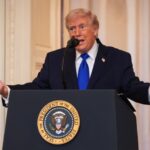
The debate over Ukraine Wartime Elections intensified after President Donald Trump renewed his call for Kyiv to conduct national voting despite the ongoing Russian invasion. He argued that Ukraine cannot keep delaying elections under martial law and claimed that prolonged postponement harms democratic credibility. Speaking to Politico, he said Ukraine was “using the war as a reason not to hold an election,” adding that citizens “deserve the right to choose their leaders.” He warned that extended delays risk turning the country into “something that is no longer a democracy.”
Trump Accuses Kyiv of Avoiding Elections Under Martial Law
Trump’s remarks arrive at a tense moment for Kyiv. Ukraine faces battlefield losses, internal political turbulence, and Western concern over the direction of the war. A major corruption probe worth nearly $100 million in the energy sector has already caused dismissals and sanctions. Although Zelensky is not implicated, critics demand stronger oversight. Russian forces, meanwhile, continue to make gains in several sectors, which complicates U.S.-backed efforts to revive ceasefire negotiations.
Trump insisted that Moscow now approaches talks from a stronger position. He complained that some U.S. peace proposals sent to Kyiv had not received proper attention. As a result, the political angle of the conflict has drawn more scrutiny, especially regarding the stalled voting process and the wider issue of Ukraine Wartime Elections.
Zelensky Counters with a 60–90 Day Window Under Allied Security Guarantees
Zelensky responded within hours. He said Ukraine could hold elections within 60–90 days if the United States and European partners provide the security required for safe participation. He stressed that legality is not the obstacle, even though martial law prevents voting. Security remains the decisive factor.
Conditions Zelensky Listed
He emphasised three essential requirements:
-
Concrete security guarantees from the United States
-
Support from European partners
-
Operational systems enabling safe voting in frontline and occupied areas
Zelensky reiterated that Ukraine would not accept any peace deal requiring the surrender of territory. Despite growing pressure from Western capitals to pursue negotiations, he insisted that national integrity remains non-negotiable.
Western Media Casts the Clash as a Democratic Flashpoint
Global media outlets quickly highlighted the symbolic weight of the debate over Ukraine Wartime Elections.
CNN described Zelensky’s statement as a direct response to U.S. pressure and linked it to Trump’s push for rapid talks with Russia. CBC Canada stressed that Zelensky’s conditional readiness hinges on Western security guarantees. Fox News portrayed Trump’s comments as prompting Zelensky to reconsider his earlier position, quoting Trump’s remark about Ukraine turning into a “dictatorship without elections.” Al Jazeera raised concerns about conducting voting during wartime, noting the challenge posed by six million displaced Ukrainians, ongoing combat near potential polling stations, and cyber-risks tied to electronic voting.
These reports show how the issue has evolved into a global debate focused on the feasibility, necessity, and political implications of holding elections during an active conflict.
Geopolitical Stakes: Voting, Negotiations, and a War Entering Its Third Year
The question of Ukraine Wartime Elections reflects deeper geopolitical tensions. Euronews suggested that Zelensky still leads most hypothetical polls but added that prolonged conflict could shift support towards hard-line rivals promising quicker military gains or tougher stances in negotiations.
Trump maintains that negotiations should resume without delay, arguing that Russia holds more leverage at present. Zelensky’s conditional acceptance of a 60–90 day timeline shows political agility at a moment when morale is strained and battlefield pressure persists.
The debate reveals wider concerns:
-
Kyiv seeks legitimacy without exposing voters to danger
-
Washington wants leverage to restart negotiations
-
Europe fears continued instability
-
Moscow gains from political fractures within Ukraine and among its allies
What Lies Ahead for Ukraine
As Trump frames the narrative around “restoring democracy” through Ukraine Wartime Elections, Zelensky signals readiness, provided Western security guarantees are delivered. The practical question remains unresolved: can Ukraine hold an election while missiles, drones, and artillery continue to strike its cities?
The answer will shape Ukraine’s political trajectory in 2026 and influence the broader future of the conflict.