Trump and Putin Speak Out After Alaska Summit
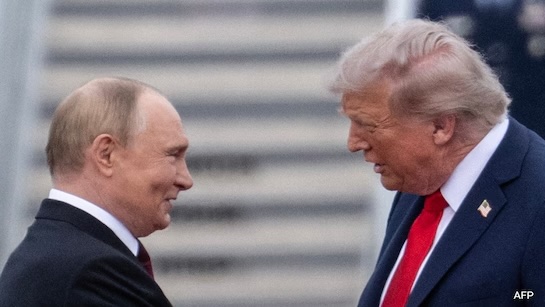
The recent high-profile summit in Alaska between U.S. President Donald Trump and Russian President Vladimir Putin drew global attention. Both leaders addressed their domestic audiences with different views. They mainly focused on peace prospects in Ukraine. The summit revealed diplomatic intentions and political messaging aimed at building support at home.
Trump’s View on Peace and Security
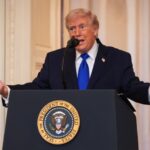
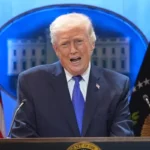
After the talks, President Trump spoke to American media. He stressed that peace in Ukraine requires a comprehensive agreement, not just a ceasefire. He said he and Putin had reached a broad understanding on security assurances and territorial concessions. “We are quite close to an agreement,” Trump said firmly. However, he emphasised that Kyiv had to accept the deal. “Ukraine has to accept it,” he added bluntly. He urged Kyiv to negotiate seriously and end the conflict.
Trump also highlighted Russia’s role in global power. He noted, “Russia is a very significant power.” This implied a contrast with Ukraine’s weaker position. He suggested Kyiv must be realistic to prevent more bloodshed.
On the economic front, Trump reaffirmed his focus on tariffs. He sees them as a key tool to protect U.S. interests. Though he gave few details, tariffs will remain central to his diplomatic strategy. Economic measures will shape peace talks and relations with Russia.
Putin’s Perspective on the Talks
Putin described the talks as “timely” and “very beneficial.” This marked a rare moment of openness after years of isolation. He praised the candid discussions with Trump. Putin called the meeting a diplomatic success for Russia.
He defended Russia’s strategic goals. Putin signalled willingness to discuss security guarantees for Ukraine but insisted on excluding NATO. This remains Moscow’s red line. He also repeated demands for Ukraine to give up key territories, especially in Donetsk. He said this step was needed to stop the violence.
Setting the Stage for Future Negotiations
Both leaders’ statements set the scene for upcoming talks in Washington. Ukrainian President Zelenskiy and European leaders will join Trump. They face a tough task. Their views on peace differ sharply.
Trump’s push for peace shows his preference for a practical solution. Putin’s demand for territorial concessions highlights the difficulties ahead. The complexity of these negotiations will test all parties.
Meanwhile, Trump’s tariff comments show trade policy plays a big role. The U.S. plans to combine economic pressure with diplomacy amid the Ukraine crisis.
Conclusion
The Alaska summit was a rare direct dialogue in turbulent times. Though no deal was announced, the leaders’ public statements reveal their plans. The world watches the next steps closely. The upcoming talks will decide if diplomacy can bring lasting peace or if the conflict will escalate further.