Stamped at Venkateswara Swamy Temple Kasibugga in Andhra Pradesh on Ekadashi
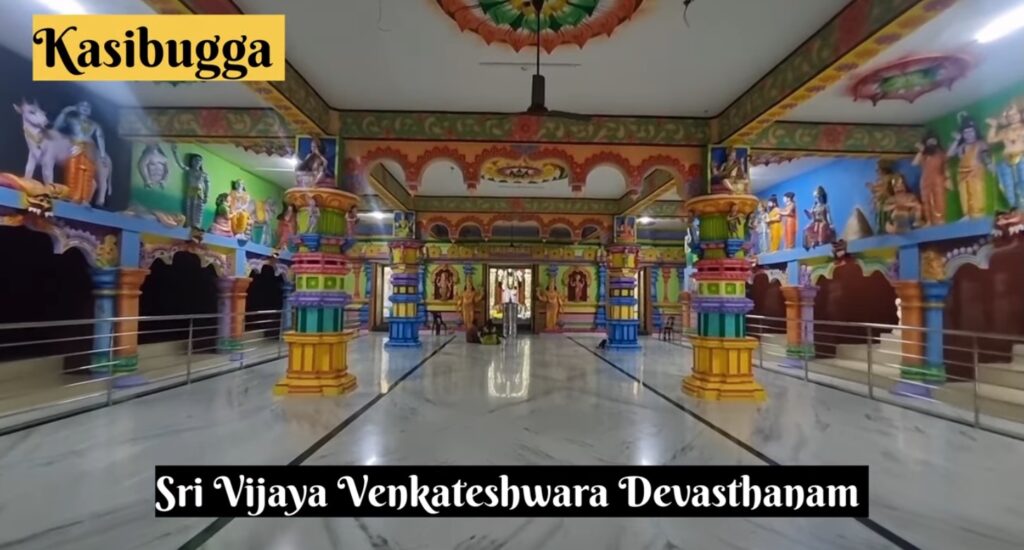
The Venkateswara Swamy Temple stampede in Andhra Pradesh has left the state in deep mourning after a sacred day of devotion turned into a horrific disaster. The tragedy unfolded on Saturday, 31 October 2025, at the newly built temple in Kasibugga, Srikakulam district, where more than 25,000 devotees arrived for Ekadashi darshan. The temple, however, had the capacity to safely hold no more than 3,000 to 5,000 visitors. This mismatch set the stage for one of the most devastating temple accidents the region has ever witnessed.
Overcrowding Sparks Panic on a Sacred Day
The Ekadashi festival typically draws vast crowds, but this year’s gathering overwhelmed the temple’s narrow pathways and cramped staircases. According to eyewitnesses, the congestion worsened when a railing on a steep staircase collapsed under pressure. The sudden failure triggered panic among worshippers already struggling to move through a single entry-exit route.
People carrying puja baskets and offerings found themselves trapped. As the crowd surged, devotees stumbled, leading to a chain reaction of falls. Within moments, women, children, and elderly devotees were crushed underfoot. Several eyewitnesses described scenes of chaos as people shouted for help and tried desperately to escape the tightening crush.
Structural Failures and Missing Permissions Intensified the Disaster
A critical detail emerging from initial investigations is that the temple was privately managed and still under construction. Sections of the premises were incomplete, and temporary structures were reportedly in use. Furthermore, the organisers had not sought mandatory government permissions nor informed the police about their plans to host a massive public gathering.
Officials confirmed that no crowd management arrangements were made in advance. There were no barricades, no designated movement lanes, and no emergency response plan. The organisers did not anticipate the unprecedented turnout, nor did they enforce controlled entry. As a result, devotees poured in from multiple directions, making regulation impossible once the crowd grew uncontrollable.
Authorities now point to this regulatory vacuum as a central factor behind the tragedy. With no pre-event coordination, the police and district administration remained unaware of the potential risks until the disaster was already unfolding.
A Single Staircase Turns Deadly
The collapsed railing on the narrow staircase became the flashpoint. This passageway served both as an entry and exit route, creating dangerous congestion. When the railing gave way, people panicked and pushed forward instinctively. This surge forced those in front to fall, and in seconds, scores of devotees were trapped in a pile-up.
Rescue teams later described the scene as “a choking funnel,” where hundreds of devotees were squeezed into a space meant for a fraction of that number. The limited lighting and ongoing construction work made escape even harder.
Immediate Response from Authorities
Local police and medical teams rushed to the scene as soon as reports of the stampede reached them. Emergency vehicles struggled to access the temple due to the massive crowd surrounding the premises. Despite these challenges, rescuers began pulling out injured devotees and transporting them to nearby hospitals.
At least 10 people died, though the number may rise as several injured victims remain critical. Many survivors suffered fractures, suffocation injuries, and trauma from being caught under the weight of the crowd.
Additional police forces were deployed to stabilise the situation and secure the premises for investigation. District officials cordoned off the stairway where the tragedy began and began mapping crowd movement patterns to identify procedural lapses.
Government Reacts with Grief and Accountability Measures
Chief Minister N. Chandrababu Naidu expressed profound grief and called the incident “a deeply saddening tragedy.” He instructed authorities to prioritise medical care for the injured and monitor conditions in hospitals. He also emphasised the need for transparent investigation and swift accountability.
Prime Minister Narendra Modi extended condolences and announced an ex-gratia of ₹2 lakh for the families of the deceased. His message underscored the national concern over recurring crowd mismanagement during religious festivals.
Minister Nara Lokesh also voiced shock and demanded that the Srikakulam district administration submit a detailed report. He assured that victims’ families would receive all possible assistance.
Who Is Responsible for the Venkateswara Swamy Temple Stampede?
Preliminary findings place primary responsibility on the private temple management. Officials state that:
The organisers failed to seek statutory permissions.
They did not inform the police about the expected gathering.
They allowed visitors despite ongoing construction work.
No professional crowd control measures were in place.
The temple’s infrastructure was inadequate for mass turnout.
Police have now arrested one person on charges of culpable homicide, signalling clear movement towards legal accountability. More arrests may follow as the investigation progresses, especially if negligence involving structural standards or regulatory bypassing is established.
A Community in Mourning and a Demand for Reform
The tragedy has shaken Srikakulam, where the new temple had become a beacon of devotion and local pride. Hundreds of residents gathered outside hospitals to check on injured relatives and assist rescue workers. Community leaders and priests conducted prayers for the deceased, while calling for safer religious events.
There is now growing demand for the Andhra Pradesh government to enforce stricter regulations for privately run temples, particularly those under construction. Many citizens believe that mandatory crowd management protocols, stricter building approvals, and compulsory police coordination must become standard practice.
Conclusion
The Venkateswara Swamy Temple stampede in Andhra Pradesh stands as a grim reminder of how poor planning, missing permissions, and inadequate infrastructure can turn a sacred festival into a nightmare. As families mourn their loved ones, the state faces the urgent task of ensuring that no such tragedy repeats itself. Stronger regulations, better enforcement, and responsible management are essential to protect devotees who seek only blessings, not risk.