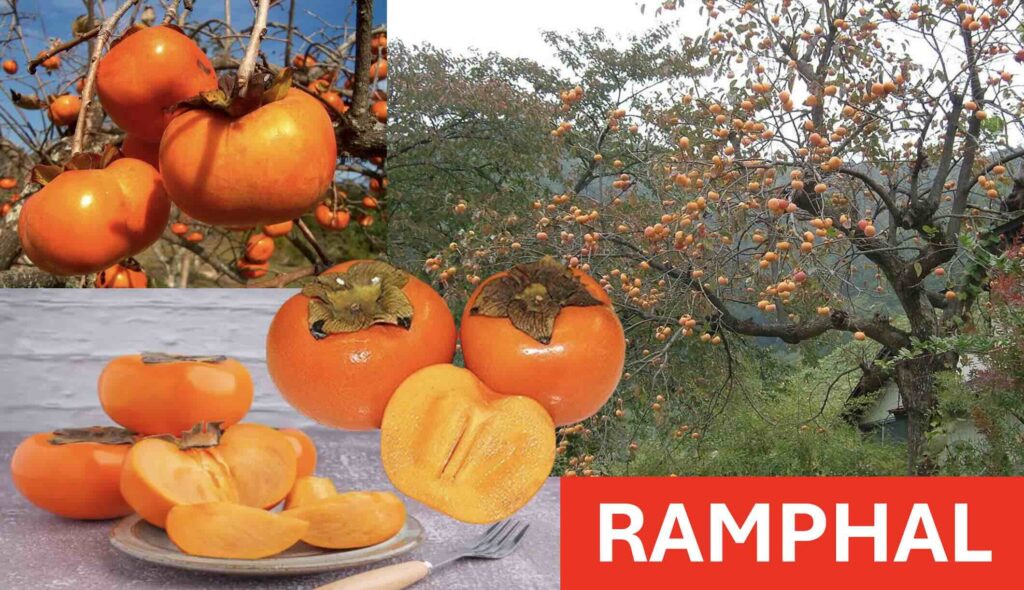
Ramphal Makes a Quiet Comeback in Delhi – NCR Winter Markets
New Delhi, 24 November 2025 — As the winter chill seeps through Delhi NCR’s fruit markets, a modest green orb is quietly reclaiming a place among the seasonal favourites: the ramphal (Annona reticulata). Known scientifically as Annona reticulata and often called the bullock’s heart or wild custard apple, this knobbly fruit brings a rustic charm and a creamy custard-like flesh that stands apart from the usual pomegranates and citrus.
Vendors at Azadpur Mandi report that ramphal is now arriving in stores from southern orchards, with wholesale rates hovering around ₹110 per kilogram (Online @ ₹ 220/kg – 250/kg). Though it may lack the glamour of mangoes or berries, its revival hints at a growing appreciation for this under-the-radar fruit.
Tropical Roots, Indian Soil
Ramphal is not indigenous to India but has long been naturalised across the subcontinent. It thrives in tropical and subtropical climates — from the humid lowlands of Kerala and Tamil Nadu to the foothills in Assam and West Bengal, as well as coastal regions in Maharashtra and Gujarat. These semi-wild trees, often nurtured by smallholder farmers, can yield impressive quantities.
Unlike high-maintenance commercial crops, ramphal tolerates modest drought and avoids frost, making it a reliable fruit for backyard groves and community plots. While not grown at the scale of major cash crops, it remains deeply rooted in local agricultural rhythms.
When Winter Meets Ramphal
Ramphal’s peak season in Delhi aligns with the cooler months: October to February. The fruit typically flowers between July and October and then ripens into early winter. In southern production zones, the season may extend a little longer, but for Delhi and the NCR region, the current months represent the height of availability, often carried in by trucks from the southwest.
A Sensory Surprise Inside
Break through the rough, net-patterned rind and you’ll find a soft, custard-like pulp dotted with shiny black seeds. The flavour is mild and sweet, described as a blend of vanilla-kissed pineapple with a floral whisper — simple, yet rewarding.
Nutritional Strength of Ramphal
Ramphal may appear humble, but its nutritional profile is noteworthy. Per 100 g of edible fruit, it contains:
~71.5 g water
~22.8 g carbohydrates
~2.4 g dietary fibre
~1.7 g protein
On the micronutrient front, ramphal provides modest amounts of minerals such as calcium (~30 mg) and iron (~0.71 mg) per 100 g. According to health-nutrition databases, it also delivers 382 mg potassium per 100 g.
In terms of vitamins, some older sources report 19.2 mg of vitamin C per 100 g for A. reticulata. While that is lower than some fruit superstars, it still contributes meaningfully to immune health.
Potential Health Advantages
For health-conscious consumers, ramphal brings several benefits:
Immune Support: Thanks to its vitamin C content, it may help bolster immune defences.
Digestive Health: Dietary fibre supports gut function and regularity.
Mineral Contribution: Potassium supports cardiovascular health, while calcium and iron aid in bone strength and haemoglobin production.
Low Fat: With only about 0.6 g fat per 100 g, it’s a low-calorie, nutrient-dense choice.
Traditional and Herbal Uses
In traditional medicine, Annona reticulata has been used in various ways. Leaves, bark, and fruit have folk-medicine associations for fever, digestive issues, and other ailments. While modern science is still catching up, these practices reflect the fruit’s long cultural history.
Important Cautions — Not All Parts Are Safe
Despite its benefits, ramphal is not without risks — especially when it comes to its seeds. Many Annonaceae plants (the family to which ramphal belongs) produce acetogenins, including chemicals like annonacin, which have shown neurotoxic effects in lab studies.
Moreover, related fruits’ seeds have caused other issues: for example, custard apple (Annona squamosa) seed exposure has been linked to ocular toxicity.
Therefore, it is wise to avoid chewing or ingesting the seeds, and to eat the pulp in moderation. Overconsumption might lead to digestive discomfort in sensitive individuals.
Who Should Enjoy (and Who Should Be Careful)
Ramphal could be especially beneficial for:
People seeking low-fat, hydrating fruit in winter.
Those wanting a fibre-rich snack for digestion.
Individuals looking to add potassium or iron through natural foods.
However, caution is advised for:
People with sensitive guts — too much fibre may cause bloating.
Anyone tempted to consume seeds — toxicity risks are unclear but non-negligible.
Expectant mothers or people with neurological issues — more research is needed.
Rediscovering a Tropical Treasure
In a world of imported exotics, ramphal reminds us of the treasures already growing in local soil. It’s not flashy, but in its simplicity lies strength — a winter fruit that hydrates, nourishes, and whispers stories of tropical resilience.
Next time you walk through your local fruit bazaar in Delhi, stop for those green orbs. Pick one up, feel its bumpy skin, and scoop out the soft flesh. Let ramphal’s gentle sweetness be a quiet reminder that sometimes the most unassuming fruits carry the greatest gifts.