Introduction: Supreme Court Grills Air India Crash Probe Amid Boiling Controversy
India’s highest court has taken rare and pointed action on the Air India Flight 171 tragedy, demanding clarity from the Directorate General of Civil Aviation (DGCA), the Aircraft Accident Investigation Bureau (AAIB), and the Central government regarding the leak and handling of the official crash report. In court, Justices Surya Kant and N K Singh called the piecemeal disclosure “unfortunate,” warning that the ongoing media narrative—which leans heavily on “pilot error”—could compromise both credibility and justice in India’s deadliest air disaster since 2010.
What the Air India Crash Report Actually Says
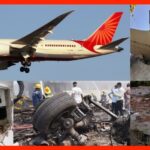
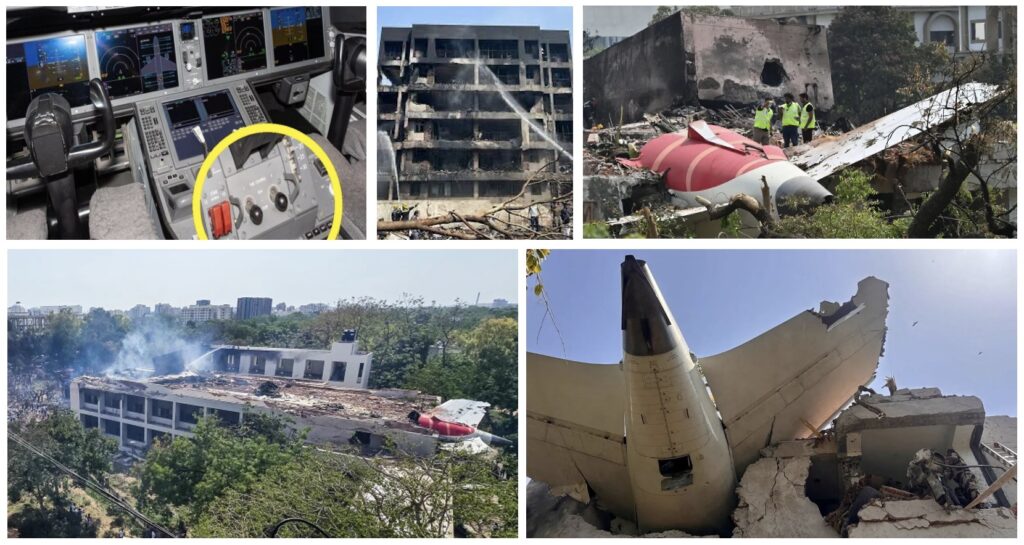
The preliminary findings from the AAIB detail a chilling chain of events on June 12, 2025: mere seconds into its takeoff from Ahmedabad, both fuel cutoff switches on the Boeing 787-8 Dreamliner were triggered almost simultaneously, resulting in catastrophic engine failure and a crash that killed 260 people, including 19 on the ground. The cockpit voice recorder reveals a tense exchange—one pilot asks the other, “Why did he cut off?” with a reply, “I did not do so.” The report does not establish whether this was a deliberate act, pilot confusion, or a technical malfunction. Nevertheless, media leaks have stoked the “pilot error” narrative, even as vital context and full transcripts remain undisclosed.
Why the Supreme Court and Aviation Community Are Outraged
Petitioners, victims’ families, and pilot associations have roundly criticised the selective, premature release of evidence and what they call “reckless” insinuations about the crew’s culpability.
The Supreme Court strongly objects to this approach, arguing it undermines not only the investigation’s independence but also the dignity of the deceased, given that pilots cannot defend themselves.
Questions over regulatory independence and transparency have intensified; the Court and advocacy groups worry that DGCA’s central role in the investigation is a conflict of interest, given its oversight responsibilities towards Air India.
The Conspiracy Theory: Boeing, Blame Games and a Global Stake
Could Boeing Be Shielded by the Pilot-Error Narrative?
The controversy is not purely domestic. A growing community of experts, pilot bodies, and families of crash victims suspect that larger interests are at play—ahead of the final report, many allege a concerted move to frame pilots rather than expose a potential design, software, or maintenance flaw that might devastate Boeing financially and reputationally.
Main Allegations and Global Reactions
Media Leak Patterns: Leaked details from the cockpit voice recorder and selective disclosures have enabled international and Western media to pin blame on the captain prematurely, while key data and the full CVR transcript remain under wraps.
Boeing’s Precarious Position: If technical fault or system failure—such as a malfunction in the Dreamliner’s FADEC (Full Authority Digital Engine Control)—is confirmed, Boeing could face lawsuits and global grounding calls. Whistleblowers have previously flagged unresolved engineering and production issues in Air India’s fleet.
Legal Pressure: Families of victims have sued Boeing and Honeywell in US courts, citing design flaws in the fuel switches and claiming both manufacturers failed to warn operators or provide mandatory inspections and fixes.
Regulatory and Industry Collusion: Critics argue that the DGCA, being both a regulator and probe participant, may be reluctant to highlight regulatory lapses or airline pressure. Pilot associations have demanded that all evidence and technical data be published for public scrutiny.
Pilots Fight Back: Indian and international pilot bodies are taking a stand—they have issued legal notices to several media houses for “defamatory” coverage and demanded that the AAIB publish all black box data and additional facts, not just hand-picked lines from transcripts.
Not Just Blame—Deep Systemic Worries
The omission of crucial technical data, such as full altitude traces and engine telemetry, has only strengthened suspicions that the report’s true aim is damage control. Aviation professionals stress that bypassing FADEC system analysis, for instance, could be a deliberate effort to deflect blame from the airframe or from Boeing’s component suppliers.
The International Call for Caution
Respected agencies—including the US National Transportation Safety Board—have condemned the early focus on pilot error as “premature and speculative,” warning that such conclusions harm both the investigative process and aviation safety culture globally.
What Comes Next—Will the Truth Emerge?
With the Supreme Court allowing two weeks for the DGCA, AAIB, and Centre to respond, India stands at a crucial crossroads. The justices want to know how a fair, expert-led investigation—possibly monitored by the Court—will now proceed, ensuring justice for victims, confidence in the skies, and accountability at every level.
Conclusion: High Stakes for India and Aviation Worldwide
As the world watches India’s quest for final answers, one thing is clear: much more than reputations and revenues hang in the balance. Only transparency, independence, and courage to confront powerful interests—no matter how big—can restore trust in Indian aviation and global air safety.