Supreme Court Holidays and Economic Impact
The Supreme Court of India operates for only around 190 days a year, leaving about 175 days off, which include weekends, festivals, and an extended summer vacation lasting nearly seven weeks. This schedule stands in contrast to central government offices in Delhi, which function roughly 245 days annually with no such prolonged recesses. While the judiciary justifies these holidays as necessary for workload management and tradition, this long break fuels a debate about justice delivery, case backlogs, and socio-economic effects on vulnerable communities around courts.
Mounting Backlogs Versus Lengthy Holidays
India’s judiciary grapples with an ever-increasing backlog of cases, yet it grants Supreme and High Courts nearly two months of summer holidays, further compounded by winter and festival breaks. These judicial vacations delay hearings and exacerbate the pendency crisis, leading to questions on whether prolonged court shutdowns serve the public interest or hinder access to timely justice. Judges may utilise these breaks for research, but the impact on case processing time cannot be overlooked.
Supreme Court vs Government Offices: Disparities in Working Days
While central government offices in Delhi work around 245 days yearly, the Supreme Court and High Courts work only about 190 days due to extended vacations. Government offices primarily observe weekends and statutory holidays, sustaining more consistent annual productivity. This disparity raises concerns about judicial efficiency and public expectations of justice systems operating with fewer interruptions.
Economic Impact on Daily Wage Communities
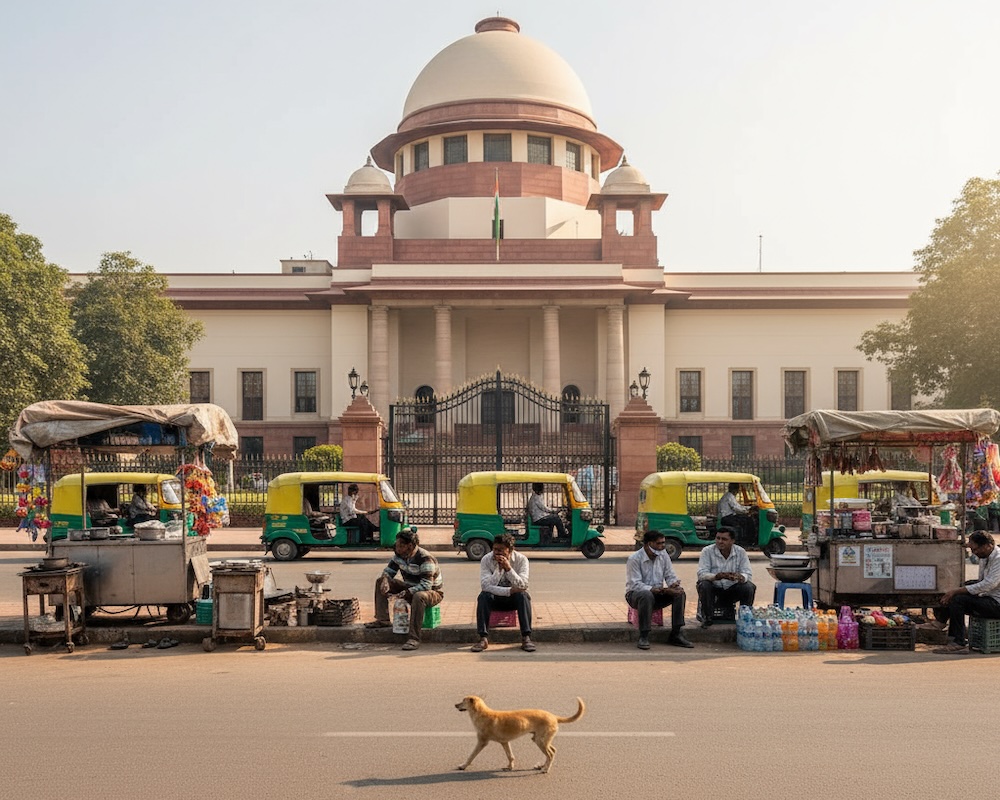
Beyond case backlogs, the economic fallout of court recesses is profound, especially for daily wagers and small-scale service providers relying on active court days. The Supreme Court employs many permanent clerks and typists paid monthly salaries, but a significant portion of support staff, authorised canteens inside campus and many street vendors, food stall operators, local transport providers like auto-rickshaw and taxi drivers, parkings handlers, and small lawyers dependent on court activity face zero income during protracted breaks.
Estimations indicate that around 4,500 to 6,000 individuals including these breadwinners and their dependents around the Supreme Court alone suffer income loss during such periods. Nationally, when extended to all courts with similar working day schedules, the impact could affect between 70,000 to 1,00,000 daily wage earners and their families, totalling over a quarter-million individuals. This stark economic reality is often overlooked in discussions about court vacations.
Clarifying Staff Employment: Avoiding Misconceptions
It is critical to distinguish that clerks, typists, and many courtroom staff are largely permanent government employees receiving regular monthly pay irrespective of holidays. However, many support roles—such as cleaning, private security/watchmen, and some logistical tasks—are carried out by daily wage or contractual workers who face financial insecurity when courts close. Small litigation-dependent lawyers and junior advocates also experience direct financial strain as hearings stop.
This mixed employment setup means the hardships caused by court closures disproportionately burden daily wage earners rather than salaried employees. Policy discussions regarding court holidays must account for this to avoid misleading generalisations and ensure equitable protection.
Towards a Balanced Judicial Calendar
The centuries-old tradition of lengthy judicial vacations needs urgent reevaluation. Reforming court calendars by reducing recess length, staggering vacations, and instituting support mechanisms for daily wage workers and micro-businesses near courts could help alleviate socio-economic distress while preserving judicial efficacy.
Judicial leadership must balance the imperative for judicial rest and research against mounting pendency and the livelihoods of those indirectly dependent on courts. Responsible decision-making must combine public interest in justice delivery with social justice for vulnerable communities tied to the judicial ecosystem.
Long court holidays, while addressing judicial workload needs, are increasingly out of tune with the demands of timely justice and socio-economic fairness. Broad reforms can pave the way for a judicial calendar that better serves all Indians: litigants, lawyers, court employees, and the countless daily wage earners whose lives are entwined with the functioning of the courts.