Supreme Court Firecracker Ban: A Nationwide Push for Cleaner Air and Challenges Ahead
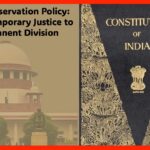
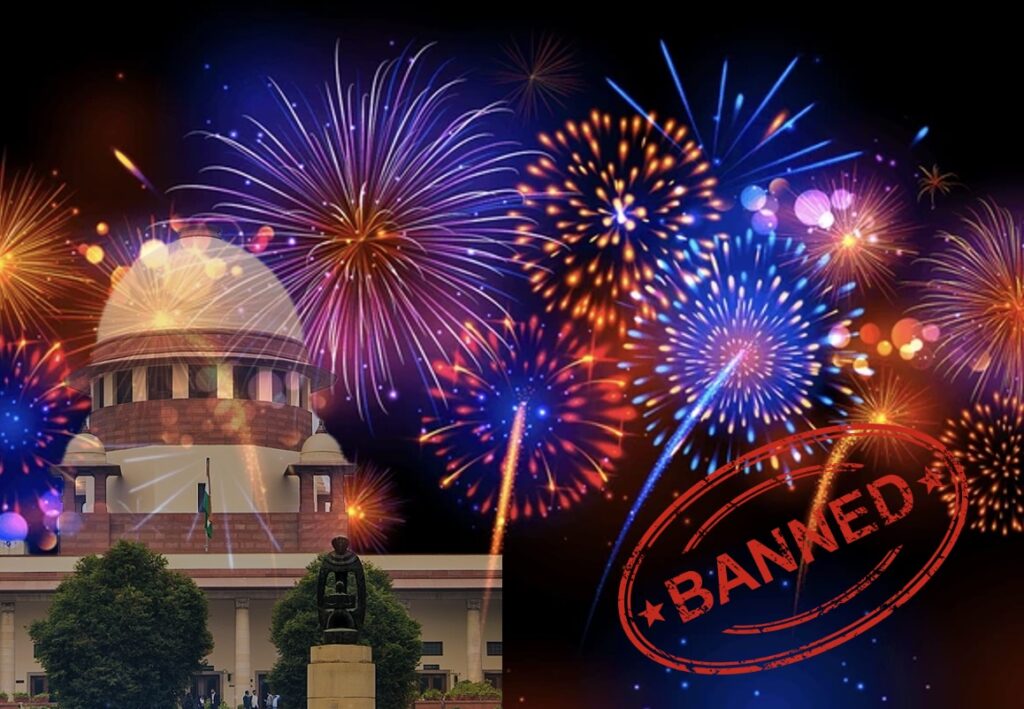
New Delhi, September 13, 2025 — The Supreme Court of India is currently considering extending its firecracker ban beyond Delhi and the National Capital Region (NCR) to cover the entire country. This development signals a significant step towards addressing air pollution on a national scale, especially during festive seasons.
Background of the Firecracker Ban
Since December 2024, the Supreme Court mandated a year-round ban on the manufacture, sale, and use of firecrackers in Delhi-NCR. This decision was driven by the urgent need to tackle severe air pollution during peak seasons such as Diwali, which historically saw hazardous spikes in smog and particulate matter levels.
Recently, Chief Justice Bhushan R. Gavai questioned the limited scope of the ban. He emphasized that pollution issues are not confined to Delhi alone but affect multiple cities across India. Therefore, a pan-India policy is necessary to ensure all citizens enjoy the right to breathe clean air. The Court has also tasked expert bodies like the National Environmental Engineering Research Institute (NEERI) and the Commission for Air Quality Management (CAQM) to explore environmentally safer alternatives, such as green crackers.
Balancing Environmental Goals and Livelihoods
The Court is mindful of the economic impact on those employed in the firecracker industry. While public health and environmental protection remain paramount, the livelihoods of small-scale manufacturers and workers must also be considered. To that end, the Court has directed authorities to maintain the current license status without cancellations during further evaluations. A comprehensive hearing is scheduled for September 22, 2025.
Addressing Other Air Pollution Sources: The Challenge of Crop Residue Burning
Critics and environmentalists alike raise an important question: Will a nationwide firecracker ban be enough when crop residue burning continues unabated in several parts of the country? Crop stubble burning, especially in northern states, remains a major contributor to seasonal air pollution that affects large urban centers.
Experts suggest that while the firecracker ban is a crucial step in reducing localized pollution during festivals, it must be part of a broader, multi-pronged approach. Tackling sources like crop burning, vehicular emissions, and industrial pollutants simultaneously is vital to making a lasting difference in air quality.
Looking Ahead
The Supreme Court’s move toward a pan-India firecracker ban demonstrates India’s growing commitment to combating environmental pollution. It reflects a balanced approach that weighs public health benefits with socio-economic realities and technological innovation.
As the next hearing approaches, all eyes will be on the reports and recommendations of scientific bodies tasked with guiding policy decisions. Meanwhile, citizens, policymakers, and industries alike must prepare for evolving regulations aimed at cleaner, healthier air nationwide.