Russia-Ukraine Prisoner Exchange: 157 Servicemen Returned Amid Ongoing Conflict
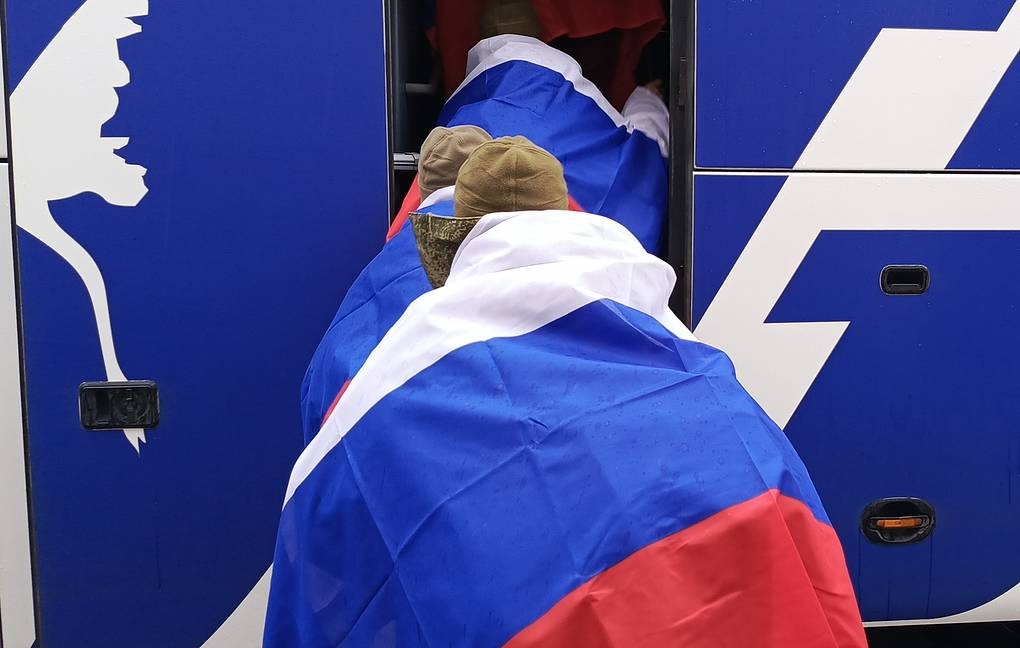
Moscow, February 5 | In a major humanitarian development, Russian authorities confirmed a large-scale Russia Ukraine prisoner exchange that led to the return of 157 Russian servicemen from Ukrainian-held areas. In addition, three civilians from Russia’s Kursk Region were also released during the swap. The exchange marks another attempt by both sides to address the human cost of the prolonged war.
According to Russian News Agency TASS, an equal number of 157 Ukrainian prisoners of war were handed over in return. As a result, both countries temporarily set aside military hostilities to facilitate the safe return of captured personnel. However, broader diplomatic tensions between Moscow and Kyiv continue to remain unresolved.
Official Confirmation from the Russian Defence Ministry
The Russian Defence Ministry issued a formal statement confirming the successful completion of the Russia Ukraine prisoner exchange. Officials stated that negotiations were conducted through established humanitarian channels. These channels are often supported by neutral intermediaries and international organisations.
Moreover, the ministry emphasised that the three civilians from the Kursk Region had been detained without legal grounds. Russian officials described their detention as a serious humanitarian concern. Therefore, their inclusion in the exchange was presented as a priority during negotiations.
In addition, defence officials underlined that such swaps remain one of the few functioning communication mechanisms between the two warring sides. Despite political hostility, both countries continue to recognise the importance of returning their personnel.
Medical and Psychological Support in Belarus
After their release, the returned servicemen were transported to Belarus. There, they were placed under medical supervision and psychological assessment programmes. Authorities confirmed that specialised teams are monitoring their physical and mental health.
Many former prisoners of war suffer from trauma, exhaustion, and long-term stress. Therefore, medical screening remains a crucial step before reintegration. In addition, counselling services are being provided to support their emotional recovery.
Officials also stated that family contact is being gradually restored. Once medical clearance is completed, the servicemen will be transferred to Russia. Subsequently, they will be reunited with their relatives and communities.
Humanitarian Dimensions of the Ukraine Conflict
The Russia Ukraine prisoner exchange reflects the wider humanitarian challenges created by the war. Since the escalation of hostilities, thousands of soldiers and civilians have been captured, displaced, or injured. As a result, humanitarian corridors and exchange agreements have become vital tools.
International organisations, including the International Committee of the Red Cross, often assist in monitoring such processes. Their role is to ensure compliance with humanitarian norms. However, access remains limited in many conflict zones.
Furthermore, the inclusion of civilians in this exchange highlights the vulnerability of border populations. Residents near frontline regions frequently face detention, displacement, and economic hardship. Therefore, civilian releases are seen as particularly significant.
Previous Prisoner Swaps and Negotiation Patterns
This is not the first Russia Ukraine prisoner exchange since the conflict intensified. Over the past two years, both sides have conducted multiple swaps. These have ranged from small-scale releases to larger coordinated exchanges.
Typically, such negotiations are conducted discreetly. Intermediaries from neutral countries or international agencies often facilitate discussions. As a result, details regarding locations and mediators are rarely disclosed publicly.
However, experts note that these exchanges serve multiple purposes. They address humanitarian concerns. At the same time, they also act as confidence-building measures. Even limited cooperation helps prevent complete diplomatic breakdown.
Political and Strategic Context
While humanitarian in nature, prisoner exchanges also carry political significance. Each side seeks to demonstrate responsibility towards its citizens. Therefore, publicising successful swaps serves domestic audiences.
Moreover, these exchanges are sometimes used as signals in wider negotiations. They may indicate willingness to engage on specific issues. However, they do not necessarily reflect progress towards a comprehensive peace settlement.
Analysts point out that military operations continue on several fronts. As a result, humanitarian cooperation remains isolated from strategic decision-making. Therefore, long-term conflict resolution remains uncertain.
Reactions from Families and Civil Society
Families of the returned servicemen expressed relief and gratitude following the announcement. Many had waited months, and in some cases years, for information about their relatives. Therefore, the exchange has brought emotional closure to numerous households.
Civil society groups also welcomed the development. They called for more frequent humanitarian initiatives. In addition, they urged both governments to prioritise civilian protection.
Some organisations have appealed for greater transparency. They argue that clear information can reduce anxiety among affected families. However, security concerns often limit public disclosures.
What Lies Ahead
Further updates are expected as the released personnel complete medical procedures and return home. Russian authorities have stated that support programmes will continue in the coming months. These include healthcare, rehabilitation, and social reintegration assistance.
Meanwhile, diplomatic observers believe that additional Russia Ukraine prisoner exchanges are likely in the future. As long as hostilities persist, captured personnel will remain a sensitive issue. Therefore, humanitarian negotiations are expected to continue.
For readers seeking regular updates on developments in Eastern Europe, visit our internal coverage at /world/russia-ukraine-war-updates. International humanitarian efforts can also be followed through the International Committee of the Red Cross.
As the conflict continues, such exchanges remain rare moments of cooperation. They provide temporary relief to affected families. At the same time, they underline the urgent need for lasting solutions to end the suffering caused by the war.