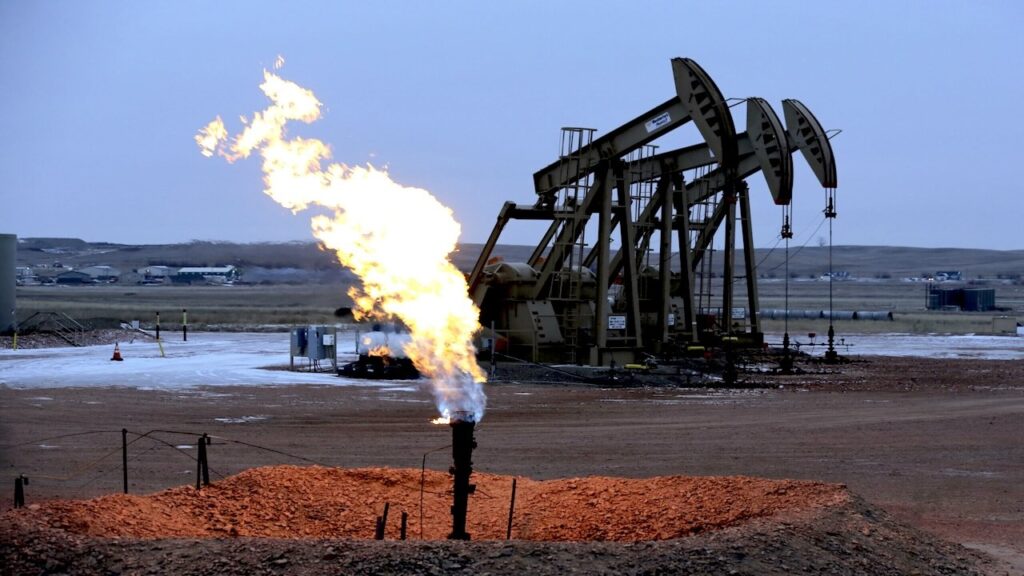
Pakistan Builds Artificial Island to Accelerate Offshore Oil Exploration in Arabian Sea
Pakistan has launched a major offshore initiative by approving the construction of its first artificial island in the Arabian Sea. The project aims to accelerate offshore oil exploration and support the country’s long-delayed deepwater drilling drive. The artificial island is located about 30 kilometres from the Sindh coastline near Sujawal. It will act as a stable base for drilling rigs, equipment storage, and essential industrial units. As a result, engineers will be able to run round-the-clock operations without depending on shifting tides or weather.
A Purpose-Built Island to Support Deepwater Drilling
Pakistan Petroleum Limited (PPL) is leading the initiative. Its design places the island roughly six feet above sea level, which offers protection against harsh conditions. According to Arshad Palekar, PPL’s General Manager for Exploration and Core Business Development, the platform will finally remove the delays that plagued earlier offshore campaigns. In addition, the fixed structure ensures a safer working zone for technical crews.
The concept is not new. Abu Dhabi has used artificial islands for years. Pakistan is now adapting that model. Therefore, it expects lower operating risks and better equipment stability. The move is important, because earlier offshore efforts were disrupted repeatedly by strong wave pressure, high winds, and limited vessel access. The new design addresses each of these issues in a permanent way. Consequently, Pakistan is attempting to match the operational reliability seen in Gulf states with long offshore experience.
Construction Timeline and Technical Scope
Artificial Island Timeline and Cost Reduction Benefits
Construction is expected to finish by February 2026. Drilling operations will begin immediately after completion. This marks a major shift in Pakistan’s offshore strategy. For the first time, PPL plans to target up to 25 offshore wells in a single programme. This scale reflects the government’s desire to revive deepwater efforts after years of inactivity.
The project is also designed to cut costs. PPL expects logistics spending to fall by almost one-third. This reduction is possible because the island eliminates the need for expensive support vessels. It also reduces downtime caused by unpredictable weather. In addition, engineers will have direct access to storage, equipment, and maintenance units without waiting for transport windows. Therefore, the operation becomes faster, steadier, and more economical.
Pakistan’s Offshore Potential and Regional Basin Advantages
Pakistan occupies an offshore zone that borders an energy-rich geological basin shared with Oman, UAE, and Iran. The basin has produced major oil and gas finds for neighbouring states. However, Pakistan has drilled only 18 offshore wells since 1947. This limited activity reflects technical difficulties, high costs, and inconsistent policy support. Now, Islamabad is attempting to change that pattern by expanding exploration incentives and modernising infrastructure.
Renewed Investment in Offshore Blocks
Recent policy reforms awarded 23 exploration blocks to domestic and international companies. This is Pakistan’s first major offshore licensing round in almost twenty years. The new awards have improved investor confidence. In addition, the artificial island has become a visible symbol of the government’s renewed commitment to offshore development.
Total investment across the island and surrounding exploration work may range between USD 750 million and USD 1 billion. This estimate includes drilling, surveys, logistics, and long-term operational planning. Interest also grew after former U.S. President Donald Trump made earlier remarks about Pakistan’s untapped oil potential. Although the comments were informal, they added global attention to the country’s offshore prospects.
Supporting Infrastructure for Long-Term Offshore Operations
Island as a Hub for Pakistan’s Offshore Oil Exploration Strategy
The artificial island is designed to operate as a central hub for heavy drilling machinery. It will also hold storage units for chemicals, spare parts, and technical tools. Engineers and offshore workers will have on-site accommodation, which reduces travel time and improves safety. Meanwhile, emergency and safety systems will remain available throughout operations. The island will also support extended well-testing and analysis, which is essential for deepwater work.
This fixed platform strengthens Pakistan’s offshore oil exploration strategy by reducing weather risks and giving operators a steady base. In addition, it introduces a new level of continuity for engineers who previously struggled with inconsistent working conditions. As a result, Pakistan can now test deeper formations that earlier remained untouched due to operational limits.
Impact on Energy Security and Economic Stability
Pakistan depends heavily on imported oil and LNG. This dependence places pressure on its foreign reserves and exposes the economy to global price shocks. Therefore, offshore discoveries would bring important benefits. They could increase domestic supply, improve long-term planning, and reduce exposure to international market volatility.
The artificial island is part of a larger push for energy resilience. Pakistan is also upgrading its seismic survey capabilities and expanding gas storage plans. Consequently, the country is building a stronger foundation for future exploration and production.
A Bold Step
Pakistan’s new artificial island marks a bold step in its pursuit of offshore oil exploration. The project represents a shift from short-term attempts to a long-term offshore strategy. If the platform succeeds, it may unlock new hydrocarbon reserves and support Pakistan’s energy independence. Furthermore, it could reshape the country’s exploration landscape and reduce its reliance on imports. As the island moves toward its 2026 target, Pakistan enters a decisive phase in its search for deepwater resources.