Pakistan Air Force Bombing in Khyber Pakhtunkhwa Kills 30 Civilians
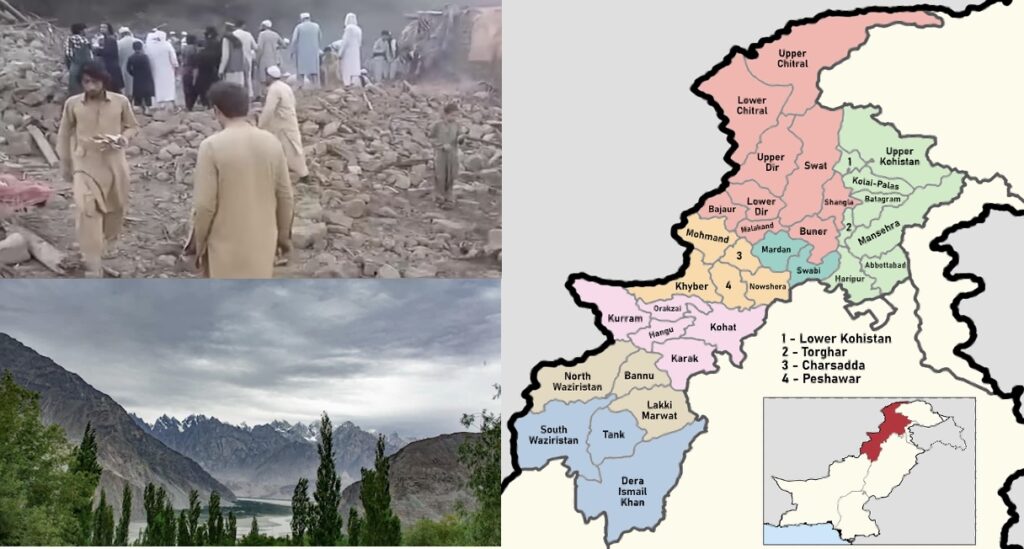
On September 22, 2025, the Pakistan Air Force conducted an airstrike in the Tirah Valley of Khyber Pakhtunkhwa province, killing at least 30 civilians. The bombing targeted Matre Dara village and involved eight laser-guided precision bombs dropped from Chinese-built JF-17 fighter jets as part of ongoing counterterrorism operations. The strike sparked outrage due to the high civilian death toll, including women and children.
Details of the Airstrike in Khyber Pakhtunkhwa
The airstrike reduced homes and infrastructure to rubble, leaving multiple injured among the surviving villagers. Local eyewitnesses confirmed the entire death toll comprised non-combatants. This devastating loss occurred amid Pakistani military efforts to dismantle terror camps linked to the Tehreek-e-Taliban Pakistan (TTP).
Media Silence and Its Possible Reasons
Despite the gravity of the incident, Pakistani mainstream media has largely remained silent. Moreover, Western news outlets have barely reported the bombing. Experts attribute this media blackout to political sensitivities in Pakistan, where acknowledgment of civilian casualties could provoke public backlash and undermine government counterterrorism narratives. International media coverage is limited as well, possibly due to prioritization of global geopolitical developments and restricted access to conflict zones.
Calls for Investigation and Human Rights Concerns
Human rights organisations vehemently condemned the airstrike and called for impartial investigations into civilian harm. The incident underscores ongoing concerns about civilian protection during military operations in Pakistan’s tribal border areas. International observers urge Pakistan to reconcile its security strategies with adherence to human rights standards.
Conclusion
The Khyber Pakhtunkhwa airstrike and ensuing media silence highlight the delicate balance between national security and human rights. Comprehensive reporting and transparent investigations are essential to uphold accountability.